
ROYAL CARIBBEAN MYSTERY: MISSING MAN FOUND ALIVE AFTER 48 HOURS—HIS CHILLING ACCOUNT OF ANOTHER WORLD!
Royal Caribbean Disappearance Revives 2024 Missing Woman Mystery as Search Raises Questions About Passenger’s Final Movements
MIAMI, Florida — November 25, 2026 — A Thanksgiving cruise aboard Royal Caribbean's Allure of the Seas has become the center of an international maritime search after a male passenger disappeared near the Bahamas, reviving questions surrounding the disappearance of another passenger from the same vessel in October 2024.
The Royal Bahamas Defence Force is leading the search near San Salvador Island, with assistance from the United States Coast Guard.
The latest available reports continue to describe the passenger as missing.
The emergency has brought renewed attention to the circumstances surrounding Dulcie White, a woman whose disappearance from Allure of the Seas two years earlier resulted in an unsuccessful search and subsequent legal action against Royal Caribbean.
Allure of the Seas departed Miami on November 22 for a seven-night Caribbean cruise carrying thousands of vacationers.
The original itinerary included visits to St. Maarten, St. Thomas and Puerto Plata in the Dominican Republic before returning to Florida on November 29.
However, the voyage was interrupted during its first full day at sea when crew members received a report concerning a missing passenger.
Passengers subsequently reported hearing repeated announcements requesting that an individual contact members of the ship's staff.
What initially appeared to be an ordinary attempt to locate a guest developed into a maritime emergency involving international rescue authorities.
The captain eventually informed passengers that the missing individual had gone overboard and that the vessel would participate in search-and-rescue operations.
The announcement also warned travelers that their scheduled itinerary would have to change.
The ship reversed course and returned toward the area associated with the disappearance, according to maritime tracking information reviewed by cruise industry publications.
One of the most significant questions surrounding the disappearance concerns the period between the passenger's last confirmed presence aboard Allure of the Seas and the initiation of the maritime search.
According to CBS News, the U.S. Coast Guard received notification of the emergency at approximately 11:30 p.m. Monday.
Determining that time would require investigators to examine multiple sources of information, including statements from passengers and crew members, available surveillance recordings and other onboard records.
The distinction between the time someone was last seen and the time an emergency was officially reported is particularly important in maritime investigations.
A ship can travel a considerable distance before a passenger's absence becomes apparent.
Consequently, establishing an accurate timeline may influence both the geographical scope of a search and the subsequent assessment of the emergency response.
A maritime distress broadcast cited by Cruise Fever described the missing passenger as a 40-year-old man who had last been seen wearing a gray T-shirt and blue shorts.
Nearby vessels were requested to remain alert and notify rescue coordinators of possible sightings.
Tracking information also indicated that Allure of the Seas conducted repeated search movements in waters east of the Bahamas before authorities assumed responsibility for the operation.
According to The Cruise Insider, the vessel subsequently resumed its voyage after being released from the search area Tuesday afternoon.
Its previously scheduled visit to St. Maarten was canceled, allowing the ship to proceed toward its remaining destinations.
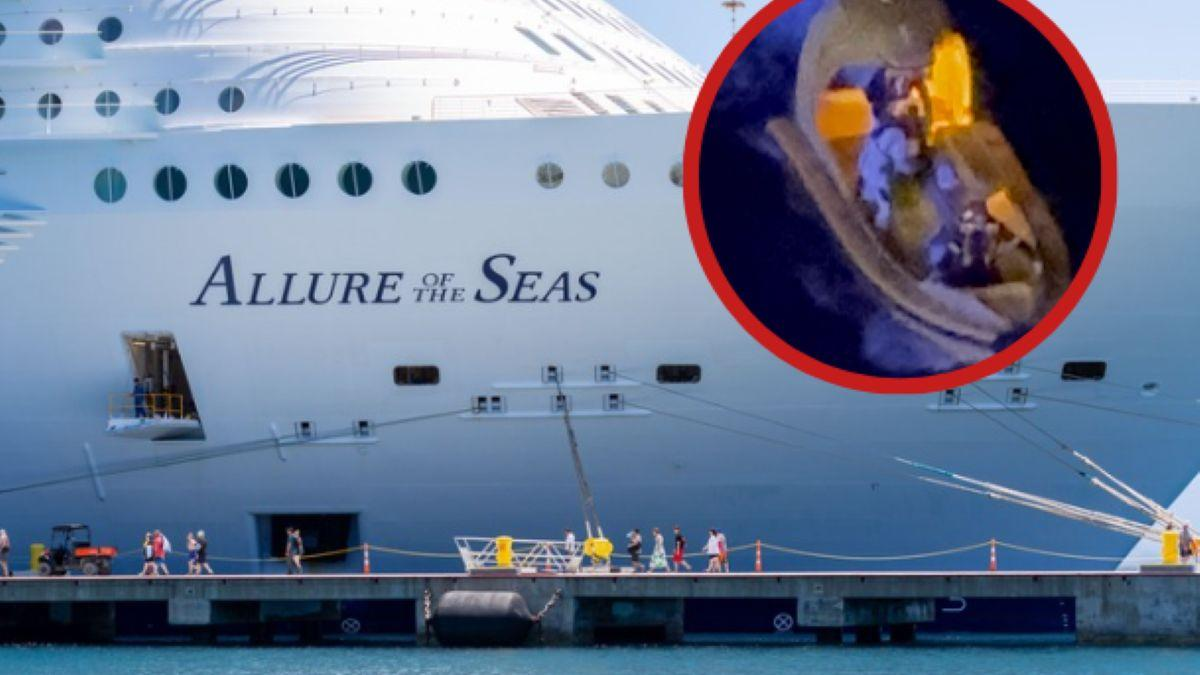
For travelers aboard Allure of the Seas, the emergency became increasingly apparent as announcements continued and the ship altered its direction.
Christian Bunse, a passenger interviewed by CBS News Miami, described the atmosphere changing as guests repeatedly heard the missing man's name.
“People got quiet when they heard it,” Bunse said.
The reaction reflected growing awareness among passengers that the crew was dealing with something more serious than an individual temporarily separated from traveling companions.
Other travelers documented the captain's announcements and changes to the vessel's route.
These recordings provide a record of what passengers were told during the emergency, but they do not necessarily establish what happened to the missing man before those announcements.
That distinction is important because witnesses may have observed different parts of the same developing situation.
Reconstructing the complete sequence requires investigators to connect individual observations with reliable records.
The possibility of surviving an extended period in open water depends on numerous physiological and environmental factors.
Water temperature, wave conditions, injuries, exhaustion and access to flotation can all influence a person's chances of survival.
Unlike a controlled medical environment, the open ocean presents changing conditions that cannot be reliably assessed from the duration of a disappearance alone.
A person who remains afloat may encounter serious difficulties even in relatively warm waters.
Exposure to seawater, dehydration and physical exhaustion can become increasingly significant over time. Injuries sustained during a fall could introduce additional complications.
Although survival for extended periods at sea is possible under certain circumstances, no universal survival deadline applies to every individual.
Rescue specialists must assess each emergency according to its particular conditions.
For the missing Allure of the Seas passenger, the critical questions include whether he sustained injuries, whether he remained afloat and whether search teams can establish his probable location.
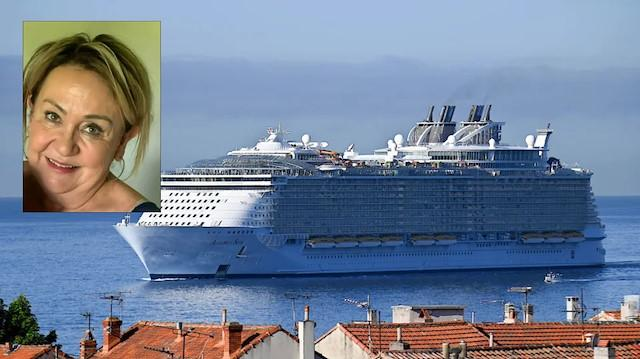
The latest maritime emergency has renewed attention to another disappearance associated with Royal Caribbean's Allure of the Seas.
In October 2024, Dulcie White went overboard during a Taylor Swift-themed cruise near the Bahamas.
Despite efforts to locate her, White's body was never recovered.
The circumstances surrounding her disappearance later became the subject of litigation.
The case attracted attention because it raised questions about passenger supervision, alcohol service and the procedures followed when someone goes overboard.
For White's relatives, the absence of a recovered body left important questions unresolved.
Two years later, the disappearance of another passenger from the same vessel has returned those concerns to public discussion.
While both incidents involved Allure of the Seas, investigators would need additional evidence to determine whether they shared any more specific circumstances.
White's family alleged in a lawsuit that Royal Caribbean's unlimited alcoholic beverage package contributed to excessive drinking before her disappearance.
The complaint also raised concerns about whether crew members adequately responded to indications that intervention might have been necessary.
Those allegations represent the family's position in the legal proceedings rather than established findings of responsibility.
The case highlights a broader question concerning the relationship between passenger behavior and a cruise operator's safety responsibilities.
When a serious incident occurs, determining whether reasonable precautions were taken may require an examination of employee training, operational records and the circumstances immediately preceding the emergency.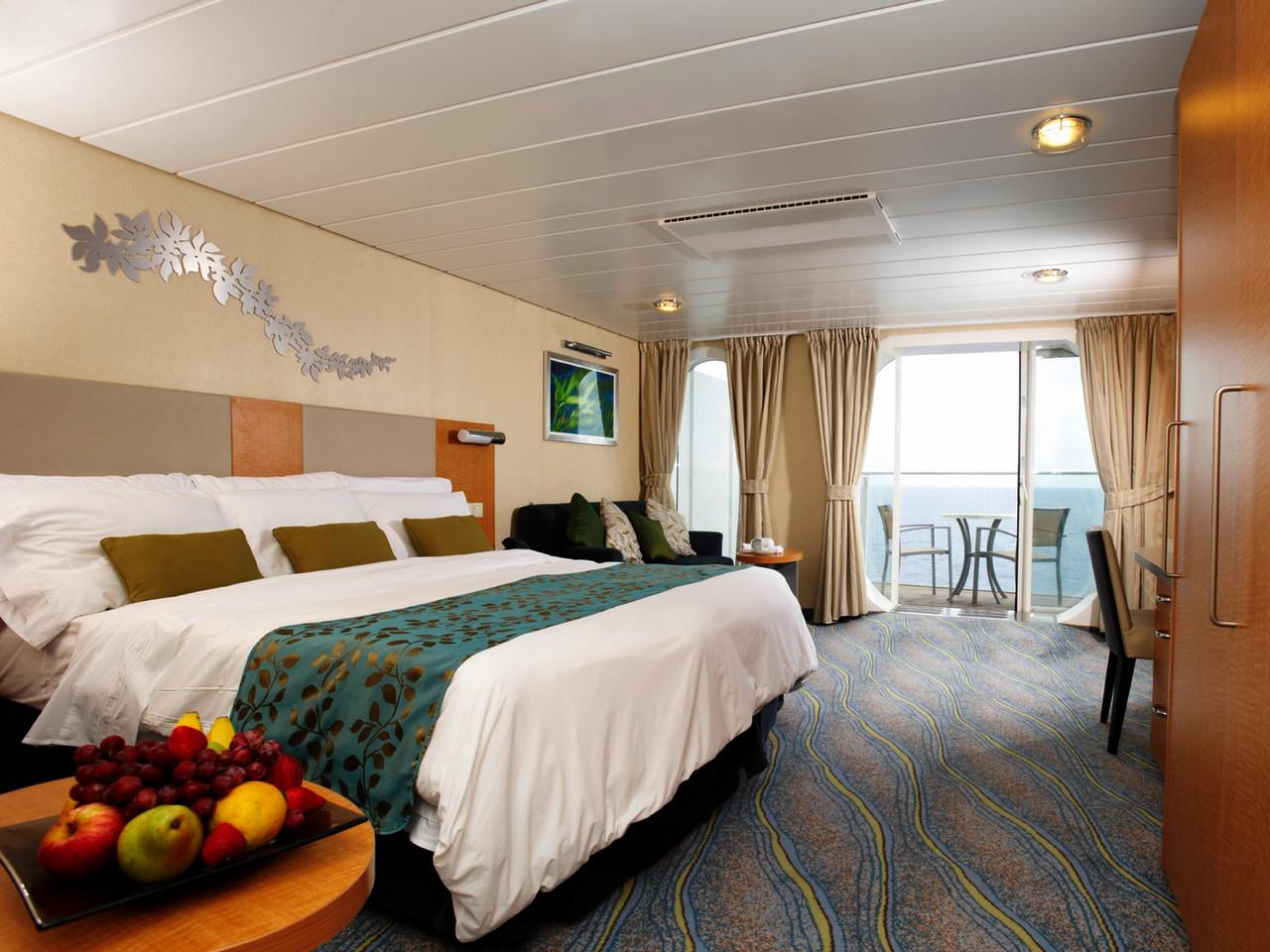
The outcome of such an investigation depends on the evidence associated with that particular case.
The 2024 and 2026 incidents share several established characteristics.
Both occurred aboard Allure of the Seas. Both involved passengers who went overboard, and both generated maritime searches in the vicinity of the Bahamas.
Beyond those similarities, many of the details necessary for a meaningful comparison remain unavailable.
Investigators would need to establish each passenger's final documented location, the timing of the emergency and the circumstances surrounding the disappearance.
They would also need to examine whether the individuals were traveling alone or with companions, whether anyone witnessed the incident and whether onboard records could establish what happened.
Allure of the Seas carries thousands of passengers during numerous voyages each year, creating many opportunities for different individuals to occupy the same public facilities or accommodation.
Establishing a meaningful connection requires more specific evidence than a shared ship or geographical region.
If a missing passenger is recovered alive, their account could become an important component of the subsequent investigation.
A survivor may be able to describe circumstances preceding the emergency, conditions experienced after entering the water and whether any other individuals were nearby.
Medical personnel would ordinarily assess whether the individual was sufficiently stable to provide a detailed account.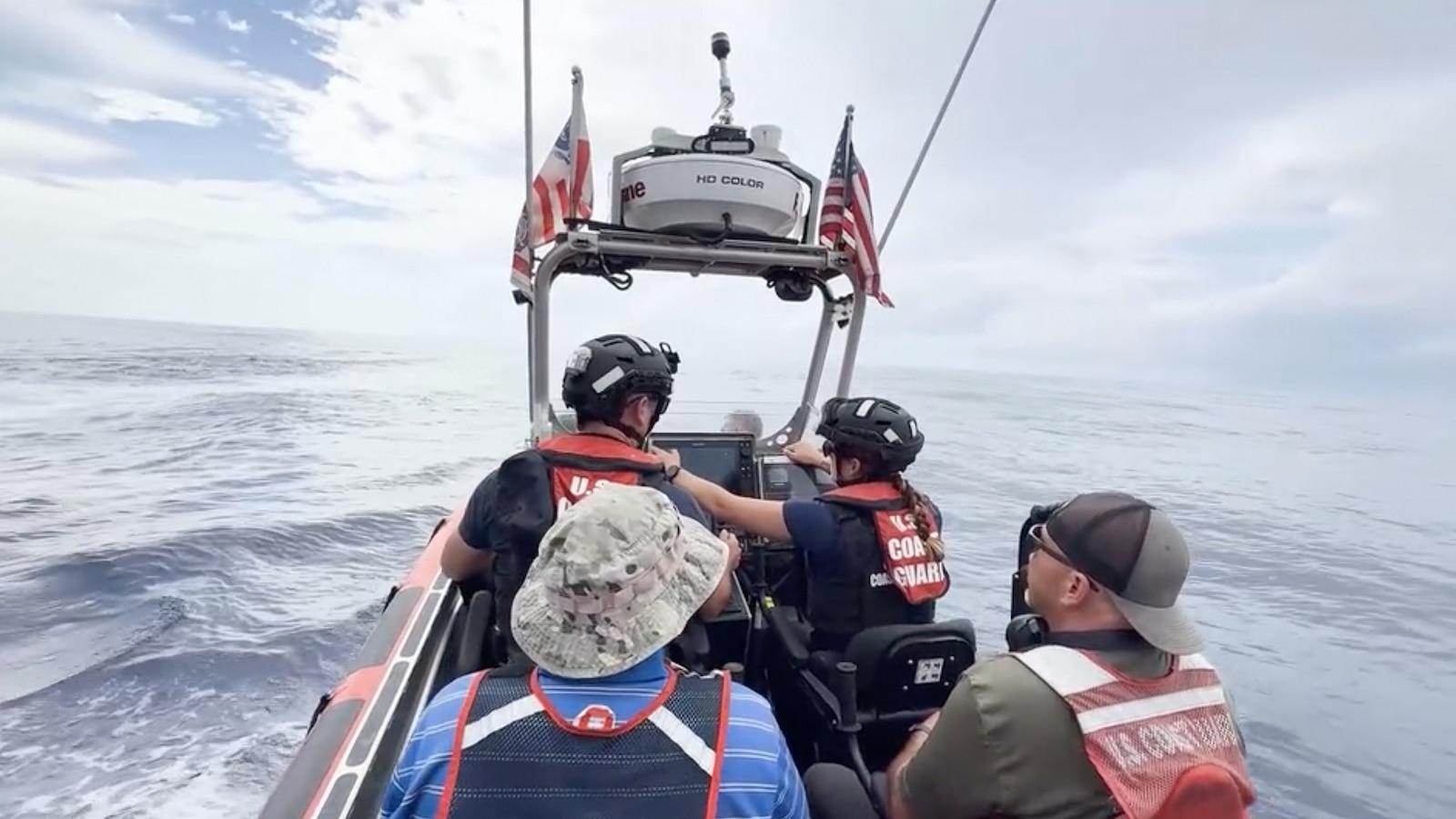
Investigators could then compare that testimony with surveillance recordings, witness statements and the vessel's documented movements.
However, testimony is most valuable when its significant details can be independently corroborated.
Memories of traumatic events may be incomplete, particularly when an individual experiences physical injuries, exhaustion or severe psychological distress.
A survivor's statement would therefore be examined as part of a broader evidentiary record.
Any suggestion that such testimony matches the circumstances of White's disappearance would require access to an authenticated statement and relevant records from the earlier case.
Neither has been established in the latest reporting.
When authorities investigate an unexplained disappearance aboard a cruise vessel, the passenger's accommodation may become an important source of evidence.
Booking records can establish room assignments, while available electronic access records may provide information about when a particular room was entered.
Investigators may also examine belongings left behind and interview individuals who were in contact with the passenger.
However, these sources have limitations.
A reliable reconstruction therefore requires different types of information to be considered together.
In the two Allure of the Seas cases, a comparison of accommodation records could establish whether there was any overlap in room assignments.
Modern cruise vessels operate extensive security systems designed to support passenger safety and assist investigations.
Video surveillance can help establish movements through shared areas, identify potential witnesses and clarify events surrounding a reported disappearance.
Camera coverage varies by location, and private accommodation presents additional privacy considerations.
Investigators may therefore need to combine available recordings with electronic records, passenger statements and crew observations.
For the latest disappearance, one important question is whether recordings establish the missing man's final confirmed location.
Another is whether available evidence allows authorities to determine when the emergency occurred.
Access to that information could also help investigators evaluate how quickly the crew recognized the situation and initiated its response.
The decision to allow Allure of the Seas to resume its voyage may appear difficult to understand for passengers following the emergency.
However, maritime search operations frequently involve coordination among multiple organizations with different capabilities and responsibilities.
A cruise ship may initially assist because it is already near the area associated with a disappearance.
Specialized rescue authorities may subsequently assume control of the operation as additional resources become available.
This transfer allows the passenger vessel to continue its scheduled activities while trained search personnel remain responsible for locating the missing individual.
The effectiveness of the ongoing operation depends on factors including environmental conditions, available resources and the reliability of information concerning the person's last known position.
Royal Caribbean said its personnel initiated rescue efforts and were cooperating with the relevant authorities.
The company also stated that its care team was providing support to the passenger's loved ones.
In a response published by Cruise Hive, the operator declined to disclose additional personal information, citing privacy considerations.
Cruise Hive
Such considerations are particularly significant when a family is waiting for information about someone whose whereabouts remain unknown.
The release of personal details can also involve coordination between investigators, medical personnel and relatives.
The distinction between information withheld from public reporting and information unavailable to investigators remains important when evaluating the transparency of an emergency response.
The unanswered questions surrounding the latest Allure of the Seas disappearance concern the interval before the emergency was reported and the passenger's whereabouts afterward.
A complete investigative timeline could potentially identify his final documented interaction with another person, the circumstances leading to his disappearance and the period before the authorities were alerted.
It could also help establish whether any earlier information might have allowed the emergency to be recognized sooner.
For the family of Dulcie White, many of the questions surrounding the 2024 incident remain connected to the absence of a definitive account of her final moments.
The latest disappearance has brought those concerns back into public view.
However, resolving either incident requires evidence specific to the individual involved rather than conclusions based solely on similarities between the two cases. Allure of the Seas was scheduled to return to Miami on November 29 after completing its revised Thanksgiving itinerary.
For the thousands of passengers aboard, the voyage will eventually conclude.
For the missing man's relatives, the situation remains fundamentally different. Their immediate concern is whether rescue authorities can locate their loved one and establish what happened.
The earlier disappearance of Dulcie White illustrates how a maritime emergency can continue affecting a family long after a cruise has ended.
Her case remains an important part of the vessel's safety history.
Whether the current investigation will provide answers that were unavailable in 2024 depends on the evidence obtained by rescue authorities and investigators.
For now, the two incidents are connected by the same cruise ship and a similar maritime emergency. The most consequential evidence would be a verified rescue outcome, an authenticated account from the passenger and an independently documented reconstruction of the circumstances surrounding his disappearance.
Comments (0)
Loading comments...
May You Like

CHRIST THE REDEEMER CLOUDS MATCH POPE FRANCIS' CHILLING 2027 PROPHECY—THE FIRST SIGN APPEARS!

IRAN THREATENS SHIPS OVER HORMUZ PASSAGE AFTER CLAIMING A MINE STRIKE

IOWA MILITARY DISASTER: 5 TONS OF SUSPECTED BIOWEAPON WASTE LEAK—301+ HOSPITALIZED, 20 CRITICAL!








Popular Posts




