
Rural Voters Express Growing Concern Over Trump’s Health Care Record as Costs Dominate Midterm Debate
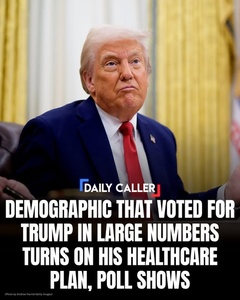
Rural voters, one of Donald Trump’s strongest electoral constituencies in 2024, are showing significant concern about healthcare affordability as the 2026 midterm elections approach, according to a new AP-KFF survey.
The poll found that 54% of rural registered voters disapprove of Trump’s handling of healthcare, while broader attitudes toward his presidency remain more favorable than among Americans overall.
That distinction matters because the survey does not show a wholesale political realignment. Associated Press reporting found that 48% of rural voters still approved of Trump’s overall job performance.
Trump entered his second term with substantial rural support. Pew Research Center found that 69% of validated rural voters backed him in the 2024 presidential election, compared with 29% for Kamala Harris.
Healthcare costs now appear especially important to these voters. Nine in ten rural respondents said discussing healthcare costs was extremely or very important for candidates competing in the 2026 midterms.
Rural voters also expressed limited confidence that recent federal health policies have improved their finances. Only 17% said administration policies positively affected their healthcare costs, while 41% reported a negative effect.
Another 41% said those healthcare policies had produced no noticeable impact on their personal costs, suggesting that many voters have yet to feel tangible benefits from federal policy changes.
Views of major public insurance programs were similarly mixed. The survey found 44% believed administration policies had negatively affected Medicare, while 44% also reported a negative impact on Medicaid.
Those concerns are especially relevant in rural communities because Medicaid plays a larger role there. KFF estimates roughly one in four rural adults receives coverage through the federal-state insurance program.
Trump’s administration, however, has emphasized policies it says will strengthen rural care, including the $50 billion Rural Health Transformation Program created under the 2025 federal budget reconciliation law.
CMS says the program will distribute $10 billion annually from 2026 through 2030, funding projects intended to expand rural access, modernize facilities, strengthen workforces, and improve healthcare delivery.
Public awareness remains limited. The AP-KFF poll found more than eight in ten rural voters had heard little or nothing about the rural health program, with about 60% hearing nothing.
The administration has also focused heavily on prescription drug prices. On September 18, Trump announced that all state Medicaid programs would participate in a model designed to obtain lower prices.
Under the GENEROUS Medicaid Payment Model, participating drug manufacturers provide rebates intended to ensure selected brand-name medicines do not cost state Medicaid programs more than prices in comparable developed countries.
Rural voters gave somewhat less negative assessments of prescription-drug policy than other healthcare areas. Thirty percent viewed the administration’s drug-cost policies positively, while 35% viewed them negatively.
At the same time, the 2025 reconciliation law made substantial changes to Medicaid financing and eligibility. The Congressional Budget Office estimates its Medicaid provisions will reduce federal spending significantly through 2034.
CBO estimates those Medicaid provisions will increase the number of people without health insurance by 7.5 million in 2034, although implementation effects will vary across states and affected populations.
The same law created the rural health fund, making its healthcare consequences complex. Supporters emphasize new rural investments, while critics focus on broader Medicaid reductions and potential pressure on providers.
Polling should also be interpreted cautiously. The AP-KFF survey questioned 2,241 registered voters living in rural areas from August 12 through August 24 and reported a three-point sampling error.
The findings therefore describe current opinions rather than final election behavior. They show healthcare affordability is a major rural concern, while also indicating many rural voters continue supporting Trump overall.
Related Images


Comments (0)
Loading comments...
May You Like

Russian Drone Strikes Kyiv Bridge as German Chancellor Arrives in Ukraine

Shocking news from Ohio: an unexpected development ahead of Trump's rally













