
RUSSIAN OBJECTS FALL IN POLAND AS EUROPE PUTS WASHINGTON UNDER PRESSURE
WARSAW — NOV 21, 2026 — Poland and its European allies are confronting a new test of NATO solidarity after Russian weapons crossed into Polish territory during a major assault on neighboring Ukraine.
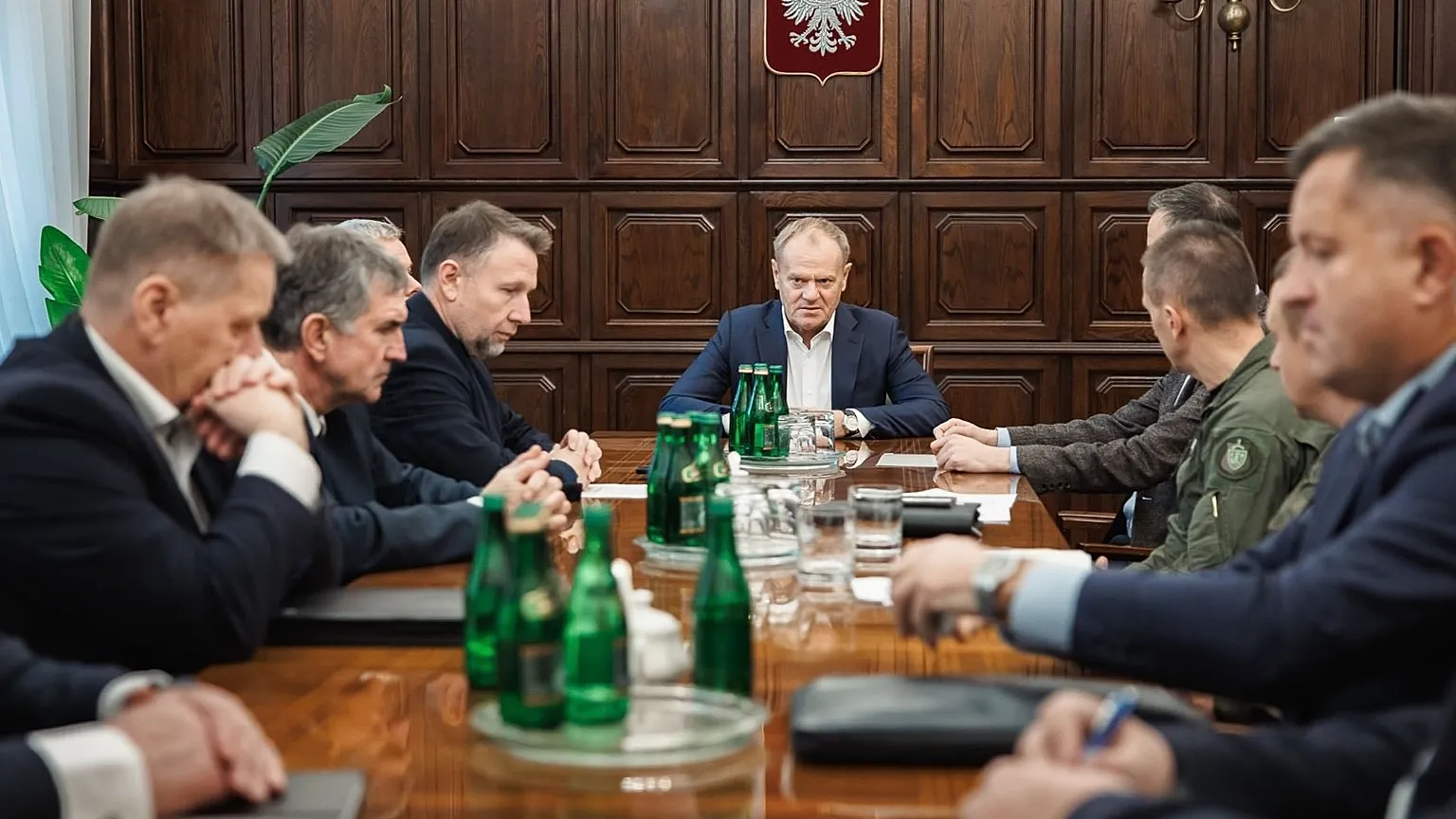
The incident has placed Prime Minister Donald Tusk in urgent discussions with allied leaders while officials examine what happened and consider how to prevent another breach of Polish airspace.
Attention has also turned to Washington, where the administration faces pressure to demonstrate how it would support an ally without allowing the confrontation to spiral into a wider war.
Poland shares a long border with Ukraine and has become a central route for allied military assistance, making security along NATO’s eastern flank a continuing concern for European governments.
Russia’s full-scale invasion of Ukraine has prompted NATO countries to reinforce their eastern defenses, increase military exercises and improve cooperation on detecting threats approaching their airspace.
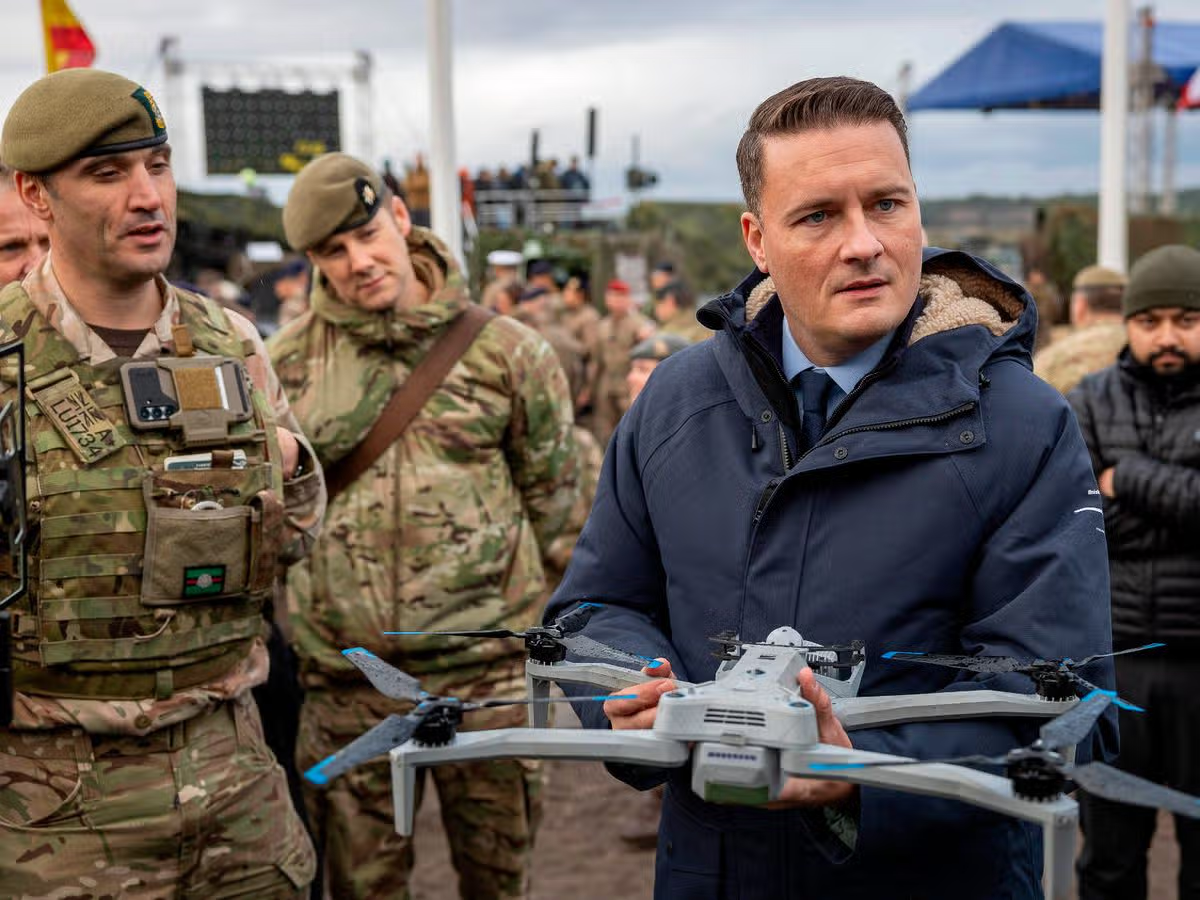
The latest incident occurred while European forces were conducting exercises in Poland to prepare for a possible future mission supporting security in Ukraine after a peace agreement.
Polish officials reported that a Russian cruise missile and 2 other objects they identified as another missile and a probable jet-powered drone came down in the country’s southeast.
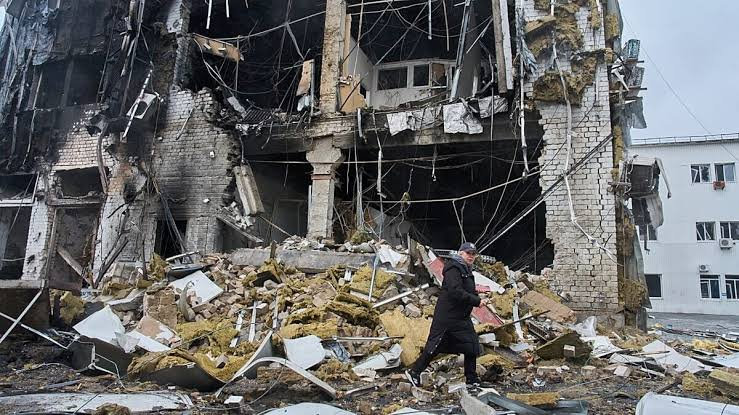
Authorities reported no injuries or damage to critical infrastructure in Poland, while investigators began examining the impact sites and information about the paths taken by the objects.
Tusk said the timing suggested an intentional Russian provocation, although the evidence available publicly did not establish precisely why the weapons crossed the border or who selected their paths.
NATO Secretary General Mark Rutte condemned what he described as serious violations of Polish airspace and said the alliance remained committed to deterring threats and defending its members.
Under NATO’s Article 5, an armed attack on one member is considered an attack on all, but allies determine the assistance they consider necessary rather than automatically entering war.
European officials have sought more information from Poland about radar tracks and recovered fragments, knowing that the distinction between an accident and an intentional attack could shape the response.
Poland has asked its allies to strengthen surveillance along the eastern flank, with officials arguing that earlier detection could give commanders more time to assess future airborne threats.
The White House has faced competing demands from European governments seeking a clear commitment and advisers concerned that a direct military confrontation with Russia could escalate rapidly.
After consultations with Warsaw and NATO officials, the United States agrees to reinforce Poland’s air surveillance with additional American personnel and to share radar information with allied commanders.
American officials also offer technical assistance in examining the recovered material, giving Polish investigators access to specialized analysis while keeping decisions about the investigation under Warsaw’s authority.
European allies respond by expanding joint patrols and coordinating air defense coverage, while Poland presses for a common procedure to evaluate future objects approaching or crossing NATO territory.
Washington’s decision supports Poland through surveillance, personnel and intelligence cooperation rather than a retaliatory strike, preserving room for diplomacy as NATO members review the evidence together.
The answer to whether America stands with Poland is therefore yes in practical defensive terms, although the response stops short of declaring that NATO has entered a war with Russia.
The next test is whether the allied measures can prevent another breach while investigators determine what happened and governments decide how to respond if the threat returns.
Comments (0)
Loading comments...
May You Like

TRUMP'S NVIDIA STOCK DEALINGS — IS THERE ANY TRUTH TO THE $14 MILLION PROFIT CLAIM?

PUTIN RAISES LUKOIL DEAL WITH TRUMP’S ENVOYS AS UKRAINE PEACE TALKS CONTINUE

10,000 CIA AND U.S. SPY RECORDS LEAKED—3 INTELLIGENCE AGENCIES ORDER EMERGENCY REVIEWS!














