“SAD NEWS” About Barack Obama? The Viral Headline Raising Questions as Trump and Obama Clash Before the Midterms
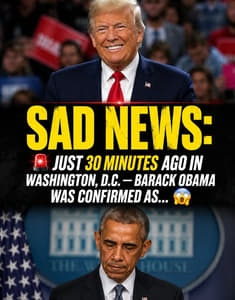
A dramatic social media graphic is prompting questions about Barack Obama, but its headline leaves out the most important detail. Meanwhile, the former president and Donald Trump are engaged in an increasingly public political battle ahead of Election Day.
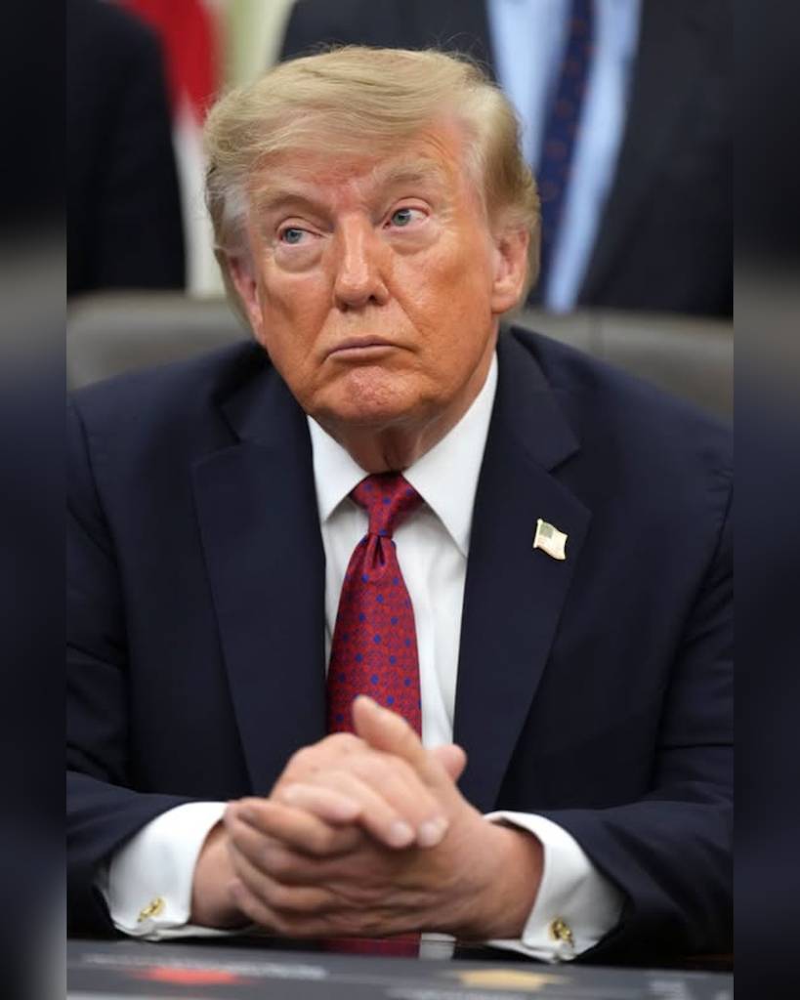
WASHINGTON, D.C. — A striking online image featuring President Donald Trump and former President Barack Obama has caught attention with a dramatic announcement: “SAD NEWS” and “JUST 30 MINUTES AGO IN WASHINGTON, D.C. — BARACK OBAMA WAS CONFIRMED AS…”
But there is a glaring problem with the headline: it never explains what Obama was supposedly confirmed as.
The graphic provides no identifiable official announcement, named source or supporting evidence. Its urgent wording creates the impression of breaking news while withholding the central information readers need to understand the claim.
A review of available reporting has not established a credible announcement matching the graphic's vague suggestion. That means the post should not be treated as verified news.
The timing is particularly notable. Obama has recently returned to the campaign trail to support Democratic candidates, while Trump has continued campaigning for Republicans ahead of the November 3, 2026, midterm elections.
1. The Viral Headline: What Is Actually Being Claimed?
The image relies on three familiar elements of online clickbait: an emotionally charged headline, photographs of recognizable political figures and a suggestion that something important has just happened.
The phrase “confirmed as” is especially significant because it implies an official decision or announcement without identifying what that decision might be.
Is the post referring to a political development, a legal matter or something personal? The image does not say, and there is insufficient evidence to determine what the author intended.
That missing information is a warning sign. A credible breaking-news report should explain what happened, identify its source and provide enough detail for readers to verify the claim.
The photographs themselves do not prove that a new event has occurred. Even authentic photographs can be reused alongside misleading captions or unrelated announcements.
The key fact: The viral image does not establish that Obama has experienced a tragedy, faced a new legal development or received a significant appointment.
2. Is This a Clickbait Scheme?
The format resembles a recurring clickbait tactic: use a famous name, suggest an urgent development and leave the most important information unanswered.
Some posts using similar headlines direct readers to links in the comments, where the destination may be a low-quality website that provides little evidence for the original claim.
Fact-checking organization Lead Stories documented a similar pattern in September 2026 involving a misleading “Sad News” headline about Vice President JD Vance. The outlet reported that the accompanying video was AI-generated and that the linked article failed to substantiate the implied announcement.
That example demonstrates why similar posts deserve scrutiny, but it does not prove that the particular Obama image was created by the same people or that its publishers are operating a coordinated scam.
Nor does the graphic alone establish that bots are distributing it or that it has generated millions of clicks.
What can be established is that its headline is incomplete and its central implication is unsupported by the image itself.
3. What Is Barack Obama Actually Doing Right Now?
The verified political story is considerably more concrete.
On October 24, Obama campaigned in Cleveland, Ohio, and Detroit, Michigan, supporting Democratic candidates in competitive midterm races.
In Ohio, he appeared alongside Senate candidate Sherrod Brown and gubernatorial candidate Amy Acton. In Michigan, he supported Senate candidate Abdul El-Sayed. His speeches criticized Trump's leadership and urged voters to participate in the elections.
The appearances marked a more visible role for Obama in the final stretch of the midterm campaign.
His involvement matters because former presidents can attract substantial audiences, generate media coverage and help their parties mobilize supporters.
These events are documented political activities—not evidence supporting the mysterious announcement in the viral image.
4. Why the 2026 Midterm Elections Matter
The November 3 midterms will determine the next composition of the U.S. Congress and influence the direction of federal policy.
For Democrats, Obama has been campaigning to help candidates challenge Republican control and build support in closely contested races.
Republicans, meanwhile, are working to defend their seats and maintain support for Trump's agenda.
The stakes include congressional oversight, economic policy, immigration, federal spending and the balance of power between the executive and legislative branches.
Political rhetoric is intensifying as both parties seek to motivate voters. That makes it especially important to distinguish actual campaign developments from dramatic claims that circulate without reliable evidence.
A headline that generates curiosity may attract attention, but it cannot substitute for documented facts about the candidates, policies or election.
5. Trump and Obama: A Renewed Political Clash
Trump's political rivalry with Obama has returned to the spotlight during the midterm campaign.
Following Obama's October 24 appearances, news coverage highlighted their sharply contrasting messages about the administration, the economy and the country's political direction.
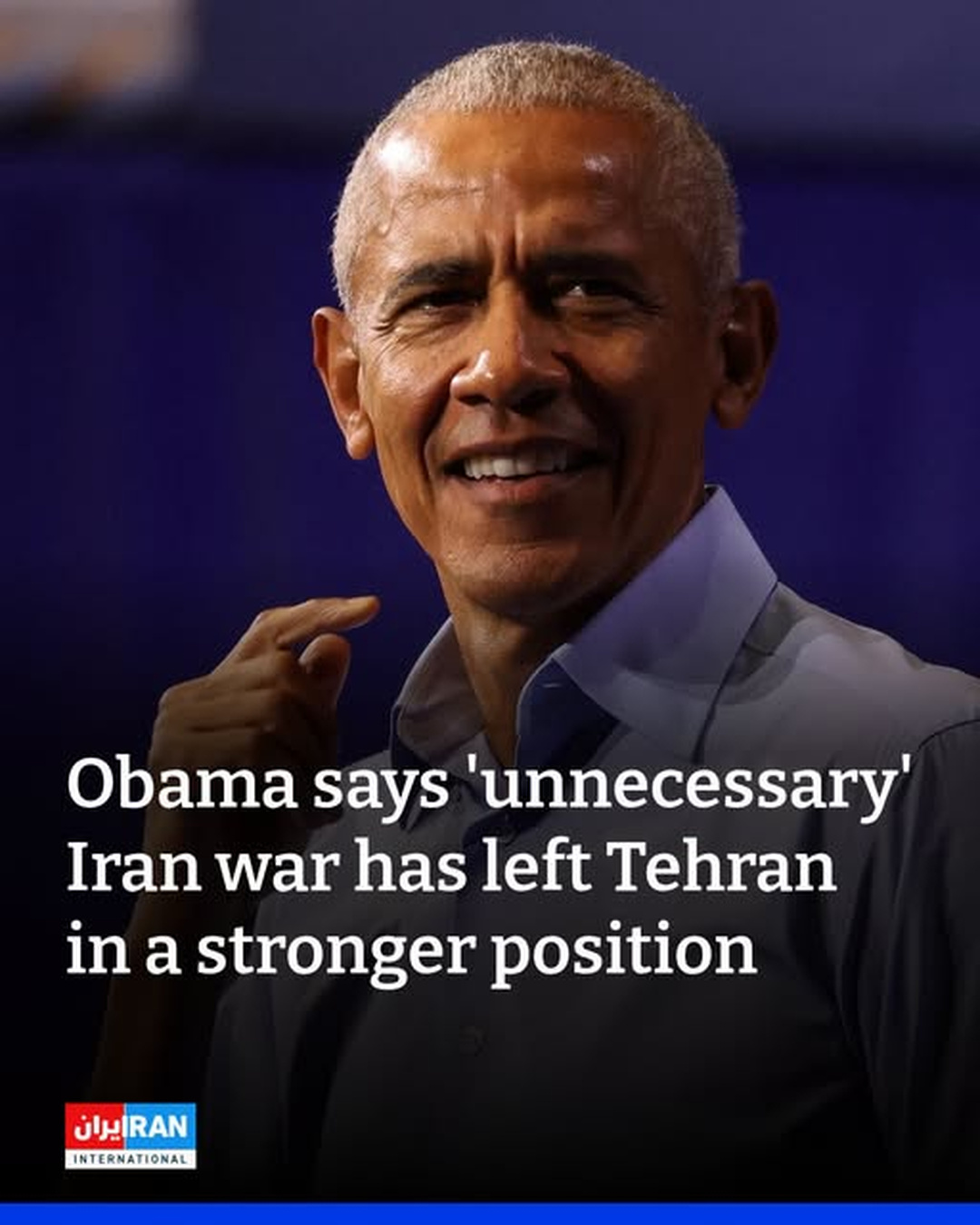
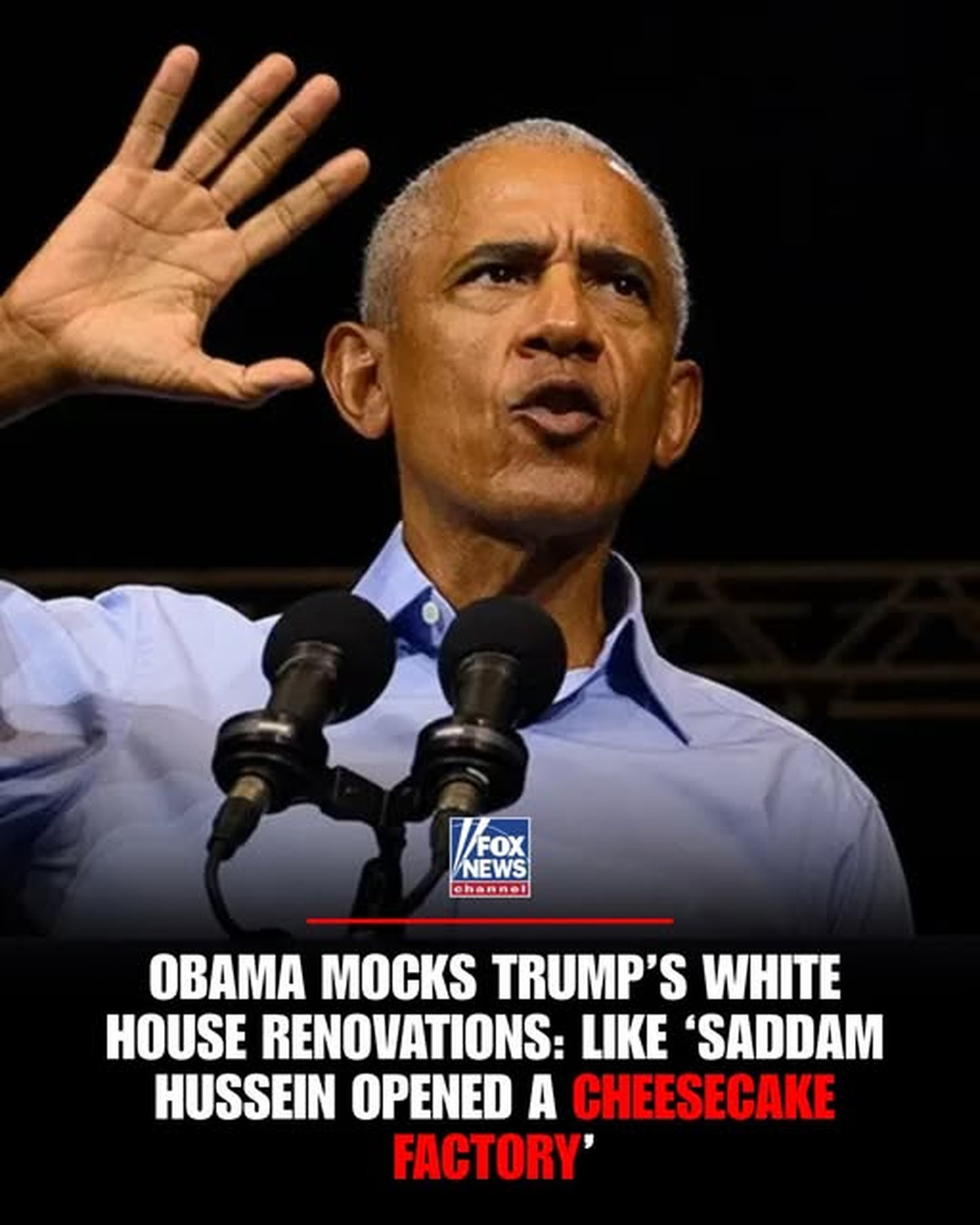
Obama criticized Trump's policies and made jokes about renovations at the White House. Trump responded with public attacks on Obama's presidency and political allies.
The exchanges have provided fresh material for news coverage and social media commentary.
Yet political criticism and personal insults should not be confused with a separate, verified breaking-news event. Neither man's campaign appearances substantiate the unspecified claim that Obama was “confirmed as” something.
For readers trying to understand the current political situation, the documented speeches and responses provide a clearer picture than the viral graphic.
6. How Misleading Political Headlines Spread
Sensational political posts can spread rapidly because they combine recognizable public figures with urgency and uncertainty.
Several features are worth examining when evaluating a claim like this one:
-
Artificial urgency: Phrases such as “just 30 minutes ago” imply a live development without providing a verifiable timestamp or source.
An incomplete claim: The phrase “confirmed as” withholds the information needed to evaluate the story.
Emotional imagery: A serious expression or a smiling politician can influence how a reader interprets a headline, even when the photograph is unrelated to the claim.
Missing attribution: The absence of an identifiable official statement or reputable news report makes independent verification difficult.
A link in the comments: This is not proof of fraud by itself, but readers should examine the destination carefully before trusting the material.
These indicators do not establish who created the post or whether its publisher intended to deceive people. They do, however, provide good reasons to withhold judgment until the claim can be verified.
7. What Reliable Reporting Says About Obama
Recent reporting identifies Obama's increasing involvement in Democratic fundraising and campaign events as the midterms approach.
ABC News reported on October 9 that Obama was expanding his role through fundraising, advertisements and campaign appearances. Associated Press reporting on October 24 documented his appearances in Ohio and Michigan.
These reports provide identifiable events, dates and political context.
By contrast, the viral image does not name an announcement, quote an official or explain what was supposedly confirmed.
That distinction is essential: a claim should not be treated as established simply because it appears alongside recognizable photographs or uses the language of breaking news.
If a major announcement involving a former president occurs, readers should look for corroboration from reputable news organizations and, where appropriate, an official statement.
8. How to Check the Story Before Sharing It
Before sharing an alarming political headline, take a moment to check the underlying claim.
Find the original source. Determine which organization published the announcement and whether it provides evidence.
Search for independent confirmation. Look for reporting from multiple established news organizations rather than relying on reposts of the same image.
Check the date and context. An authentic photograph may be old or may depict an entirely different event.
Read beyond the headline. If the linked article never explains what was supposedly confirmed, it has not substantiated the claim.
Avoid sharing unverified allegations. A short delay while checking the facts can prevent misleading information from spreading further.
These steps are useful for political stories, celebrity announcements, public emergencies and other claims designed to provoke an immediate emotional reaction.
9. The Real Story Behind the Political Headlines
While the viral image invites speculation, the documented political developments are already significant.
Obama is campaigning for Democratic candidates in competitive races. Trump is campaigning for Republicans and defending his administration's record. Both are attempting to influence the political environment ahead of an election that will shape the next Congress.
Their rivalry continues to draw attention, but the consequences of the midterms will depend on voters, candidates and the results of the election—not on an incomplete social media headline.
The broader lesson is that political news can be dramatic without requiring unsupported claims. Readers deserve information that explains what happened, why it matters and what evidence supports the reporting.
Final Verdict: The “Sad News” Claim Remains Unverified
The viral graphic featuring Trump and Obama does not identify what Obama was supposedly confirmed as, and the available reporting reviewed for this article does not establish a matching breaking-news announcement.
Its presentation resembles a clickbait format, but there is insufficient evidence to identify its creator, prove a coordinated bot campaign or determine the publisher's precise intentions.
What is verified is that Obama has recently campaigned for Democratic candidates ahead of the November 3 midterms, while Trump has continued promoting Republican candidates and criticizing his predecessor.
The most responsible conclusion is straightforward: do not treat the graphic as confirmed news unless a credible source establishes the specific claim.
In a fast-moving political environment, the difference between a dramatic headline and a verified report matters. The strongest response to misleading information is not speculation—it is evidence, context and careful reporting.
Comments (0)
Loading comments...
May You Like
RUSSIA & IRAN UNITE! ★ THE DEAL IS ALMOST DONE...
Trump’s Methane Rollback: $45 Billion in Savings—or a Costly Climate Trade-Off?
Latest Posts

Popular Posts