
SEATTLE-TACOMA AIRPORT BOMBSHELL: HOT COFFEE ATTACK SPARKS $20 MILLION LAWSUIT!
SEATTLE-TACOMA AIRPORT BOMBSHELL: HOT COFFEE ATTACK SPARKS $20 MILLION LAWSUIT!
SEATTLE, Washington — November 24, 2026 — An immigration enforcement operation at Seattle-Tacoma International Airport has become the center of a growing legal controversy after federal authorities accused a female passenger of throwing hot coffee at immigration officers during the arrest of her father, an allegation her attorney has disputed.
The incident occurred on Saturday, November 21, as passengers were boarding Alaska Airlines Flight 1306 to Los Angeles. Recordings of the confrontation circulated widely online, prompting criticism from Washington state officials and questions about the conduct of federal officers inside the airport.
U.S. Immigration and Customs Enforcement identified the two detained individuals as Ricardo Larrondo Mendoza and Sofia Hernandez Mejia. Their attorney said the family was traveling to California to attend a baptism.
Federal authorities have announced their intention to pursue an assault charge against Hernandez Mejia, while her legal representative is considering possible challenges to the family's detention.
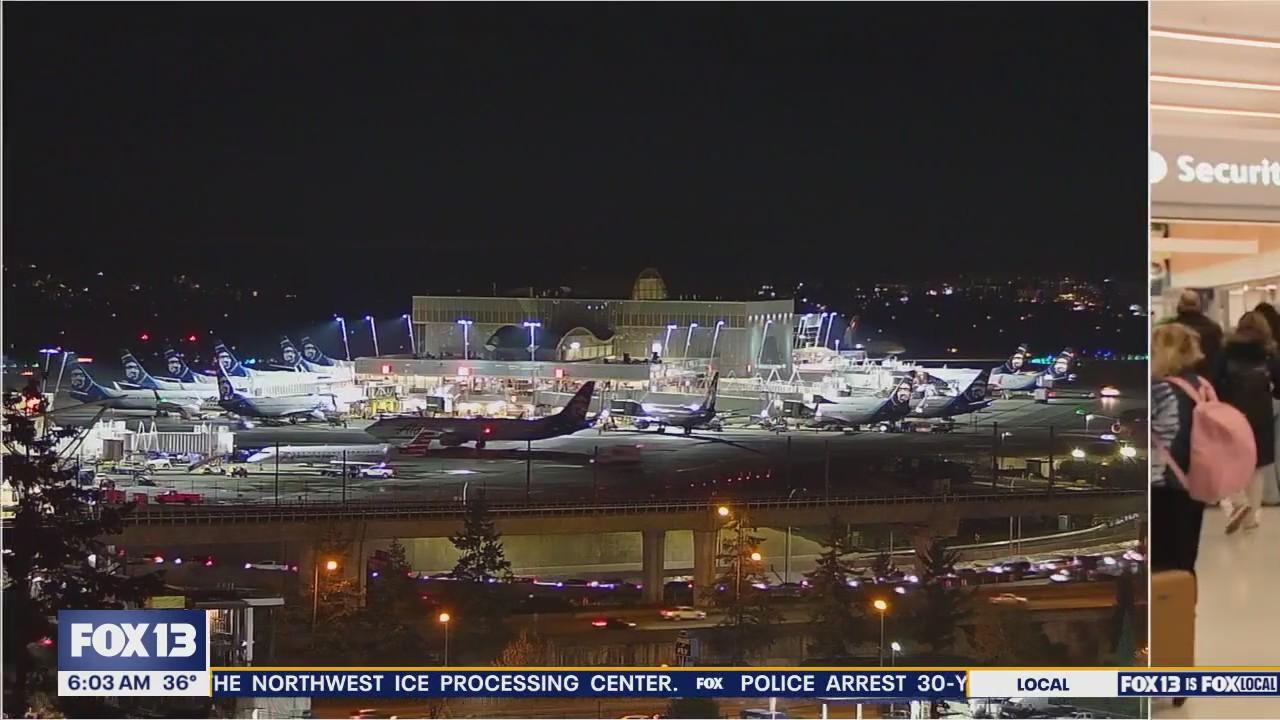
The incident began during what was supposed to be an ordinary domestic journey ahead of the Thanksgiving holiday. Mendoza and his daughter were preparing to travel to California with other family members when federal immigration officers intervened.
The encounter was recorded by passengers, some of whom subsequently shared their accounts with local news organizations.
The footage attracted attention because the confrontation unfolded during the boarding process, in an area where travelers generally expect their interactions to be limited to airline personnel and airport employees.
The operation also disrupted the flight's scheduled departure, leaving travelers waiting while Alaska Airlines responded to the situation.
The circumstances have generated questions extending beyond immigration enforcement. They include whether passengers understood that the individuals involved were federal officers, how the confrontation escalated and whether the alleged coffee incident constituted an intentional criminal act.
The Department of Homeland Security maintains that Hernandez Mejia interfered with federal officers during an operation targeting her father.
According to the agency's statement, the woman allegedly threw hot coffee at officers. Federal officials subsequently identified her as a Mexican national who had remained in the United States beyond the expiration of her original visa.
The department announced that it intended to pursue a criminal charge for assaulting a federal officer.
Such an allegation can carry significant legal consequences under federal law, particularly if prosecutors establish that a defendant intentionally used force against an officer performing official duties.
However, the circumstances surrounding the coffee are disputed. The family's attorney has offered a substantially different explanation, raising questions about whether the liquid was deliberately thrown or spilled during the commotion.
Resolving that disagreement could become one of the most important elements of any subsequent criminal proceedings.
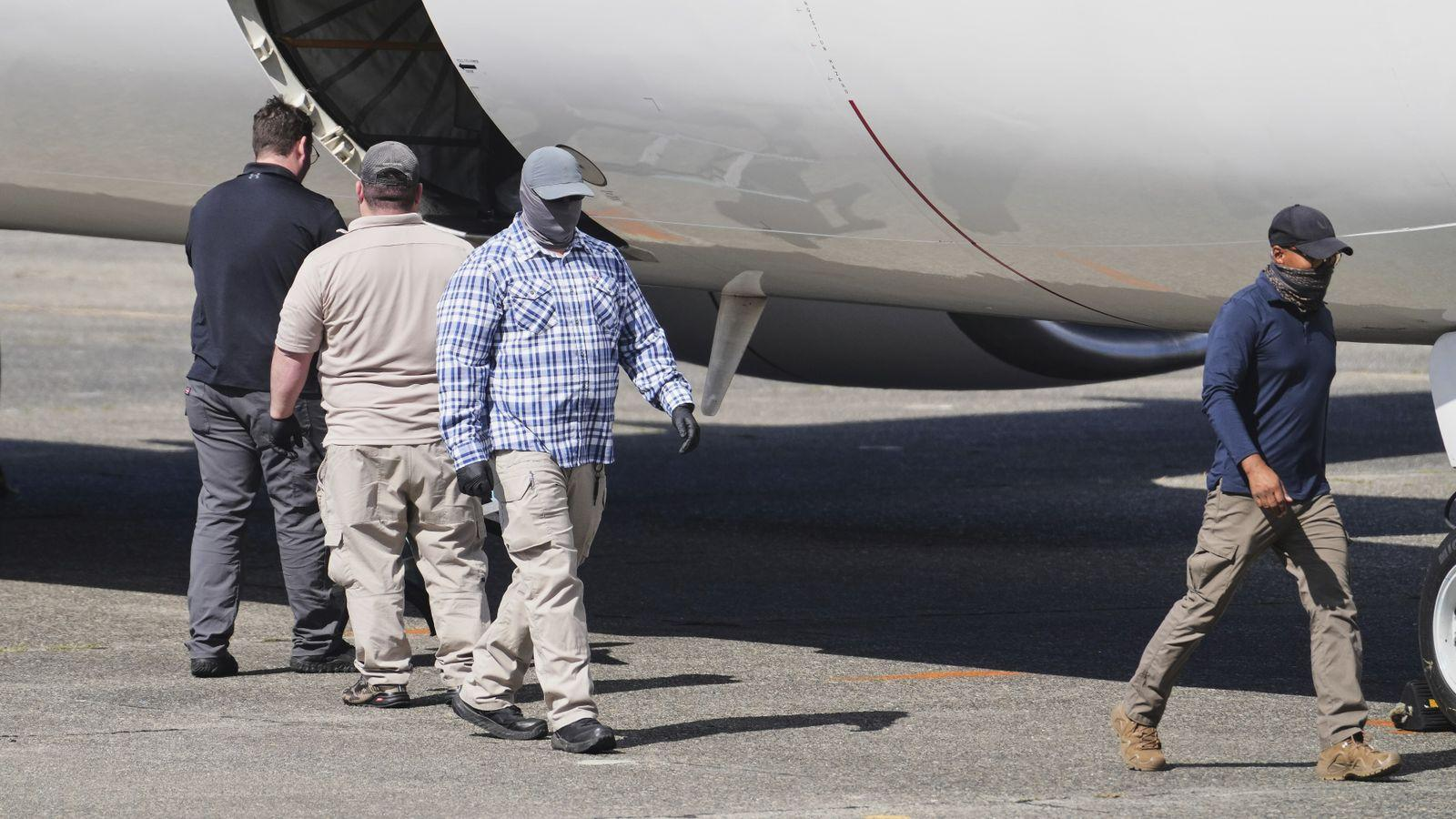
Olia Catala, the attorney representing the father and daughter, rejected the allegation that her client intentionally attacked federal officers.
Speaking to KUOW, Catala explained that Hernandez Mejia was holding a cup of coffee when individuals in unmarked clothing approached the family.
“When somebody’s charging at you, you’re going to drop a cup of coffee,” Catala said.
Her account introduces a distinction between an intentional assault and an accidental spill occurring during an unexpected confrontation.
That distinction could be consequential in criminal proceedings. Although the physical presence of spilled coffee might establish that a liquid was released, it would not independently determine the circumstances, intentions or actions responsible.
The prosecution and defense could present substantially different interpretations of the incident, making independent evidence particularly important.
Recordings of the confrontation have become central to public discussion of the arrests. The available footage has circulated across social media and appeared in television news reports.
A short recording may capture important evidence, but its duration does not necessarily establish that it contains the entire incident. Events occurring immediately before or after the recorded portion may provide essential context.
The alleged 32-second recording raises several questions. Most importantly, does the footage clearly show the moment the coffee left the passenger's hand? Does it capture the circumstances immediately preceding that moment? And is the recording complete and continuous?
Those questions could help distinguish between the competing accounts presented by federal authorities and the defense attorney.
Passenger recordings nevertheless provide a potential source of evidence. Their significance would depend on their completeness, their quality and their consistency with other available information.
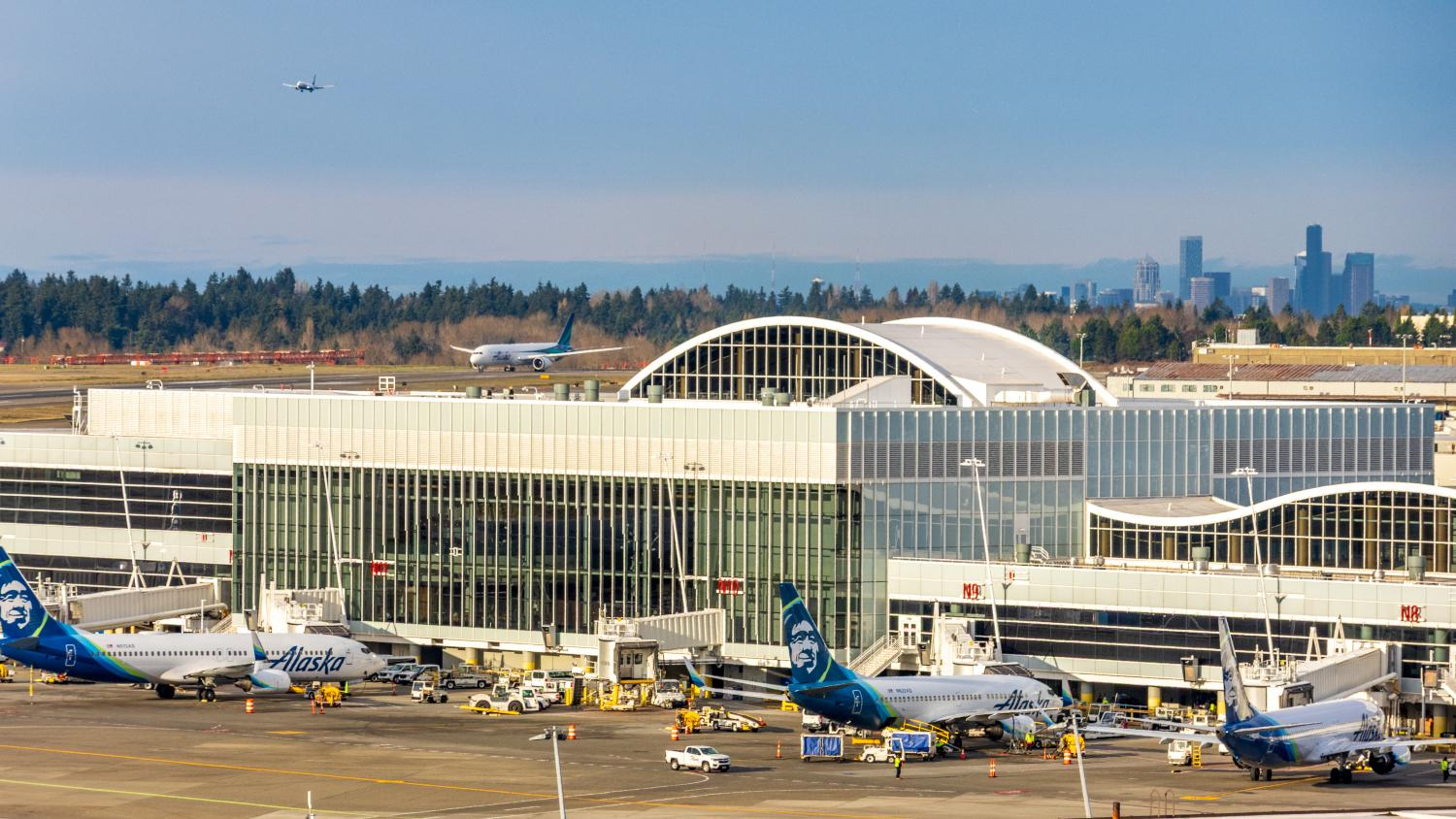
In a criminal investigation, original recordings may provide more useful information than edited versions published online.
Investigators could examine the audio, the timing of visible movements and whether important portions of the confrontation appear outside the camera's field of view. Recordings from other witnesses could provide complementary perspectives.
An evidentiary review could also consider whether officers issued instructions, whether those instructions were audible and whether the people involved had sufficient opportunity to understand what was happening.
The possibility of civil litigation following the airport incident has attracted attention because the confrontation involved federal officers, private travelers and a commercial airline operating within a publicly managed airport.
Catala told KUOW that her legal team was considering several options for challenging the detention of her clients, including seeking an immigration bond hearing or filing a federal petition questioning the lawfulness of their confinement.
Those potential proceedings are distinct from a civil lawsuit seeking financial compensation.
A claim for damages could involve questions concerning the legality of the arrests, the conduct of officers and whether particular actions caused compensable injuries. Establishing liability against federal authorities would also involve specialized procedural requirements.
If litigation seeking that amount were eventually initiated, the requested compensation would represent a legal demand rather than an established financial obligation. A settlement or court judgment would be necessary to determine whether compensation was owed.
 The incident has also placed Alaska Airlines under scrutiny, particularly regarding its responsibilities toward passengers during an enforcement operation.
The airline said it had received no advance warning of the arrests. It subsequently announced that it was working with the Port of Seattle to determine whether relevant procedures had been followed.
In a further statement reported by KUOW, Alaska Airlines denied participating in the arrests or sharing passenger manifests with immigration officials.
The company also emphasized that the Port of Seattle issues the security credentials used by law enforcement personnel to access restricted airport areas.
These statements raise questions about the division of authority between airlines, airport management and federal agencies.
An airline's responsibility toward its passengers does not necessarily give it authority over federal immigration officers. Conversely, federal involvement does not eliminate every obligation an airline may have concerning passenger safety and operational procedures.
Determining whether any organization bears legal responsibility would require evidence of its actual involvement, authority and conduct.
The Port of Seattle expressed concern about the incident and indicated that it would seek further information from federal authorities.
The airport operates within a complicated jurisdictional framework involving local police, federal security personnel, immigration officers and commercial aviation companies.
Federal authorities possess certain enforcement powers within airports. Local airport officials, meanwhile, maintain responsibilities for security coordination, passenger safety and the operation of airport facilities.
Washington Governor Bob Ferguson strongly criticized the federal operation following the circulation of passenger videos.
The governor questioned the tactics employed by immigration officers and called for airlines to raise objections to similar enforcement activities at airports.
Labor representatives also criticized the disruption, expressing concern about the experiences of travelers and transportation employees during an already busy holiday travel period.
Federal authorities defended the operation, maintaining that officers were enforcing immigration laws and responding to conduct they considered unlawful interference.
The contrasting responses reflect a broader disagreement over how immigration enforcement should be conducted in public transportation facilities.
The political debate, however, remains separate from the evidentiary questions surrounding the alleged hot coffee assault. Any criminal determination would depend on the applicable law and evidence concerning the specific incident.
The family's attorney said Mendoza and his daughter had lived in the United States since 2015.
According to Catala, they originally entered on tourist visas and subsequently pursued asylum proceedings. Hernandez Mejia was 14 years old when she arrived in the country.
The attorney also said Hernandez Mejia had married an American citizen and submitted an application to adjust her immigration status.
Federal authorities have emphasized the expiration of the family's original visas. Their attorney, by contrast, argues that pending immigration applications affect the legal assessment of their continued presence in the United States.
Immigration law distinguishes between an expired visa, lawful immigration status and periods of authorized stay under certain circumstances. Establishing an individual's precise legal position requires examination of the relevant immigration records.
Those immigration questions will remain distinct from any criminal allegation concerning Hernandez Mejia's conduct at the airport.
Another potentially important issue concerns whether the alleged coffee incident resulted in injuries to any federal officers.
Hot beverages can cause scald injuries, with severity depending on temperature, duration of exposure and the area of the body affected. Medical documentation can help establish the nature and consequences of such an injury.
In criminal or civil proceedings, relevant evidence may include treatment records, photographs and professional medical assessments.
The existence of an injury, its seriousness and its relationship to the alleged conduct would be separate factual questions for investigators.
Federal assault prosecutions can involve questions about whether an individual intentionally used force, whether the alleged conduct was voluntary and what surrounding circumstances influenced the encounter.
The government's account describes Hernandez Mejia as deliberately throwing coffee at officers. Her attorney describes the release of the liquid as a reaction to an unexpected confrontation.
Those explanations represent materially different interpretations of the same alleged incident.
A court considering the matter could examine recordings, witness testimony and other evidence to determine which account is supported.
The announcement of an intended prosecution should therefore be distinguished from a formally filed charge and, ultimately, from a conviction.
The incident also affected travelers who had no direct involvement in the immigration investigation.
Alaska Airlines Flight 1306 experienced a delay, and some passengers were rebooked. The disruption occurred during a period when many Americans were traveling to visit relatives ahead of Thanksgiving.
Witnesses interviewed by local news organizations described uncertainty and distress surrounding the arrests.
For airline employees, the incident raised difficult questions about responding to an unexpected enforcement operation while maintaining passenger safety and managing a scheduled departure.
The experiences of those witnesses may become relevant if investigators seek independent accounts of what happened.
As with any incident involving numerous observers, individual recollections may differ depending on what each person was able to see and hear.
According to their attorney, both Mendoza and Hernandez Mejia were transferred to immigration detention in Tacoma.
The legal team is assessing possible options for obtaining their release or challenging the basis of their confinement.
An immigration bond proceeding could address whether either individual is eligible for release while immigration proceedings continue. A federal habeas corpus petition could raise questions about the legal basis for detention.
Any subsequent criminal prosecution involving Hernandez Mejia would proceed separately and could create additional legal considerations.
The timing and outcome of those proceedings remain uncertain. Their resolution could depend on immigration records, federal charging documents and evidence collected following the airport confrontation.
For the family, the immediate consequences have extended far beyond a missed flight to California.
The Seattle-Tacoma Airport incident now involves several potentially separate disputes: immigration enforcement, an alleged assault on federal officers, airport security coordination and the possibility of legal action challenging the arrests.
Official documentation could also establish whether officers followed relevant procedures and whether additional parties had any responsibility for the incident.
For now, the competing accounts remain sharply divided. Federal authorities describe an assault during a lawful enforcement operation, while the family's attorney disputes the allegation of intentional violence and questions the basis for the detention.
Comments (0)
Loading comments...
May You Like

PACIFICA PIER IN CALIFORNIA COLLAPSE REVEALS MASSIVE CRACK BENEATH THE OCEANs!

ELON MUSK'S MILLION-SATELLITE MEGAPROJECT — THE NEXT FRONTIER OF AMERICAN SPACE POWER?














