
SECURITY ALERT ON TRUMP'S PLANE — WHY WERE REPORTERS FORCED TO HAND OVER THEIR PHONES?
SECURITY ALERT ABOARD AIR FORCE ONE! REPORTERS FORCED TO SURRENDER PHONES AFTER TRUMP LEAVES CHINA — DID THE PRESIDENT ORDER A CRACKDOWN?
WASHINGTON, D.C. — NOVEMBER 20, 2026
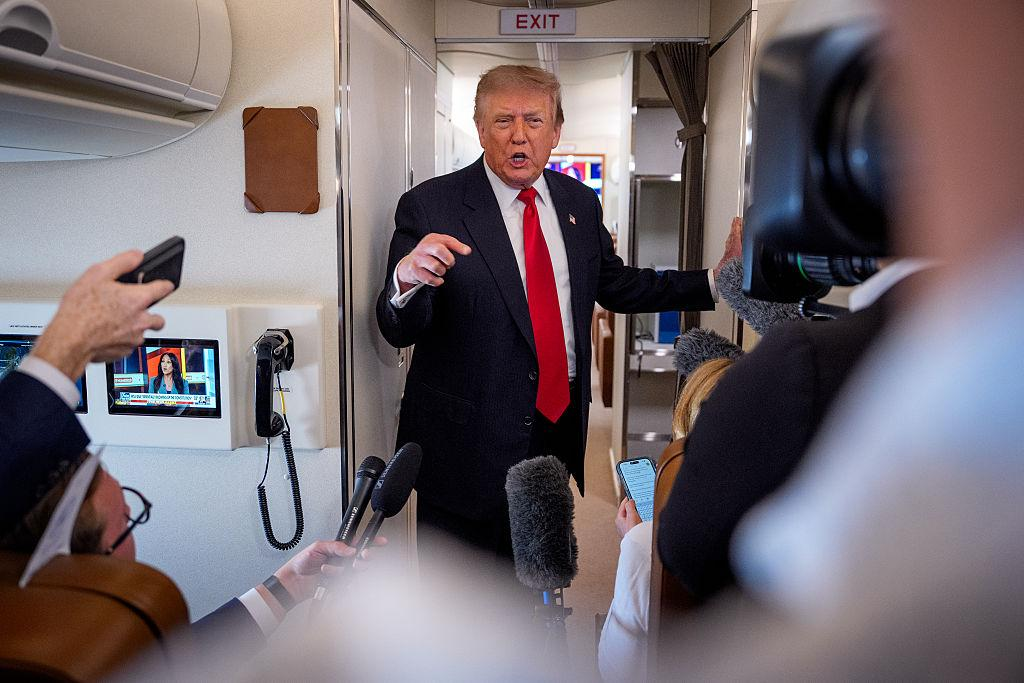
An unusual security operation unfolded aboard Air Force One as President Donald Trump prepared to return to the United States following his high-profile meetings with Chinese President Xi Jinping and Russian President Vladimir Putin.
Reporters traveling with the president were instructed to surrender or secure certain mobile phones they had used in China.
The unexpected restrictions immediately raised questions about cybersecurity, possible foreign surveillance and the extraordinary precautions surrounding presidential travel.
Some journalists initially wondered whether the measures signaled an undisclosed change to Trump's flight plans.
But the White House's explanation pointed to a different concern: protecting electronic devices and sensitive communications.
Did Trump personally order the restrictions? Was there evidence of a serious security breach? And how did the president respond when questioned about the incident?
The Independent+1
Reporters Receive an Unexpected Order Aboard Air Force One
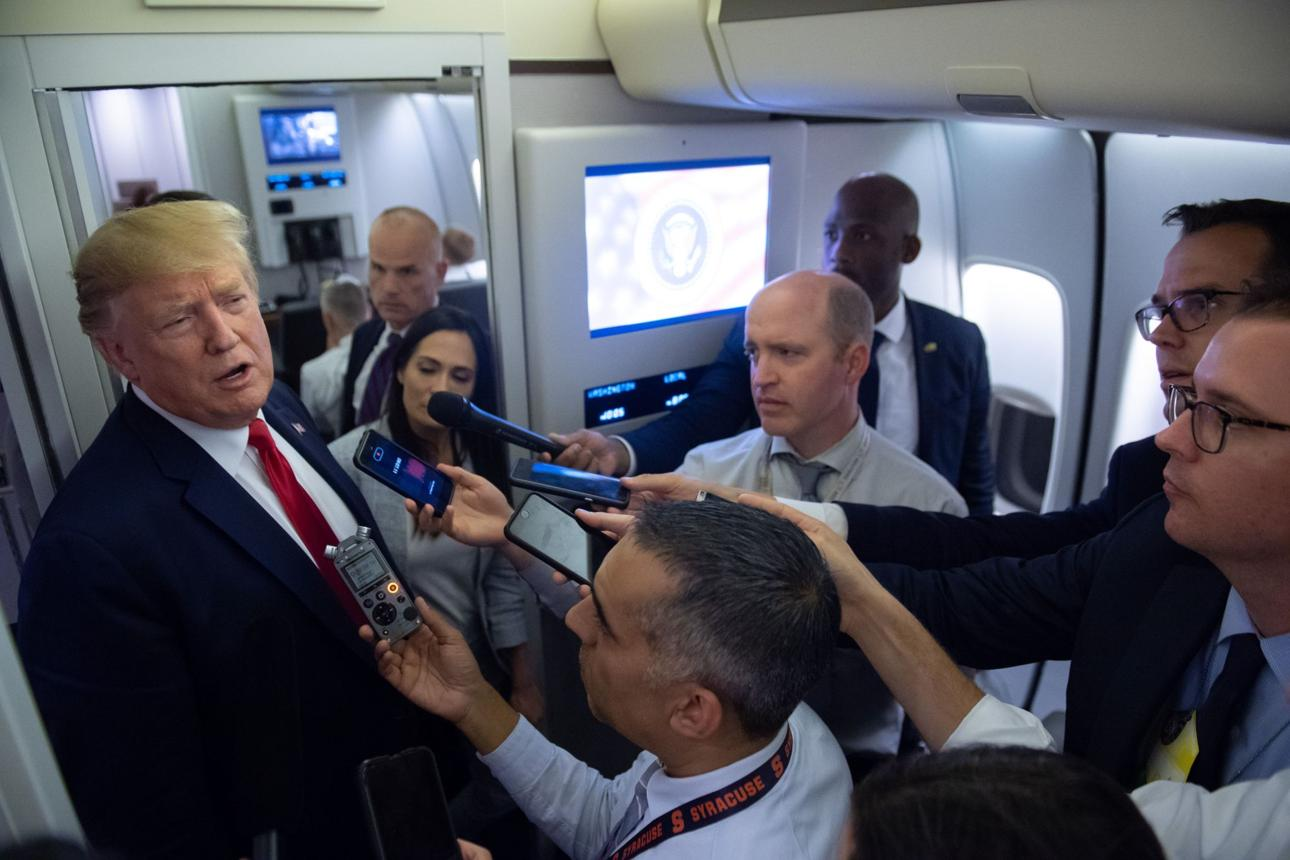
On Thursday, November 19, Air Force One was preparing to leave Shenzhen, China, following Trump's diplomatic summit.
At approximately 6:45 p.m. local time, an Agence France-Presse journalist traveling with the presidential press pool reported an unusual instruction.
“Our phones are being taken away for now for security reasons.”
The instruction was particularly noteworthy because reporters accompanying American presidents ordinarily maintain communications with their news organizations during international travel.
The restrictions raised immediate questions about the purpose and duration of the security measures.
The Straits Times+1
Why Were Reporters' Phones Taken Away?
The restrictions were linked to cybersecurity concerns involving electronic devices used during the visit to China.
According to a subsequent report from AFP, White House personnel collected temporary phones used by staff members for disposal or data wiping.
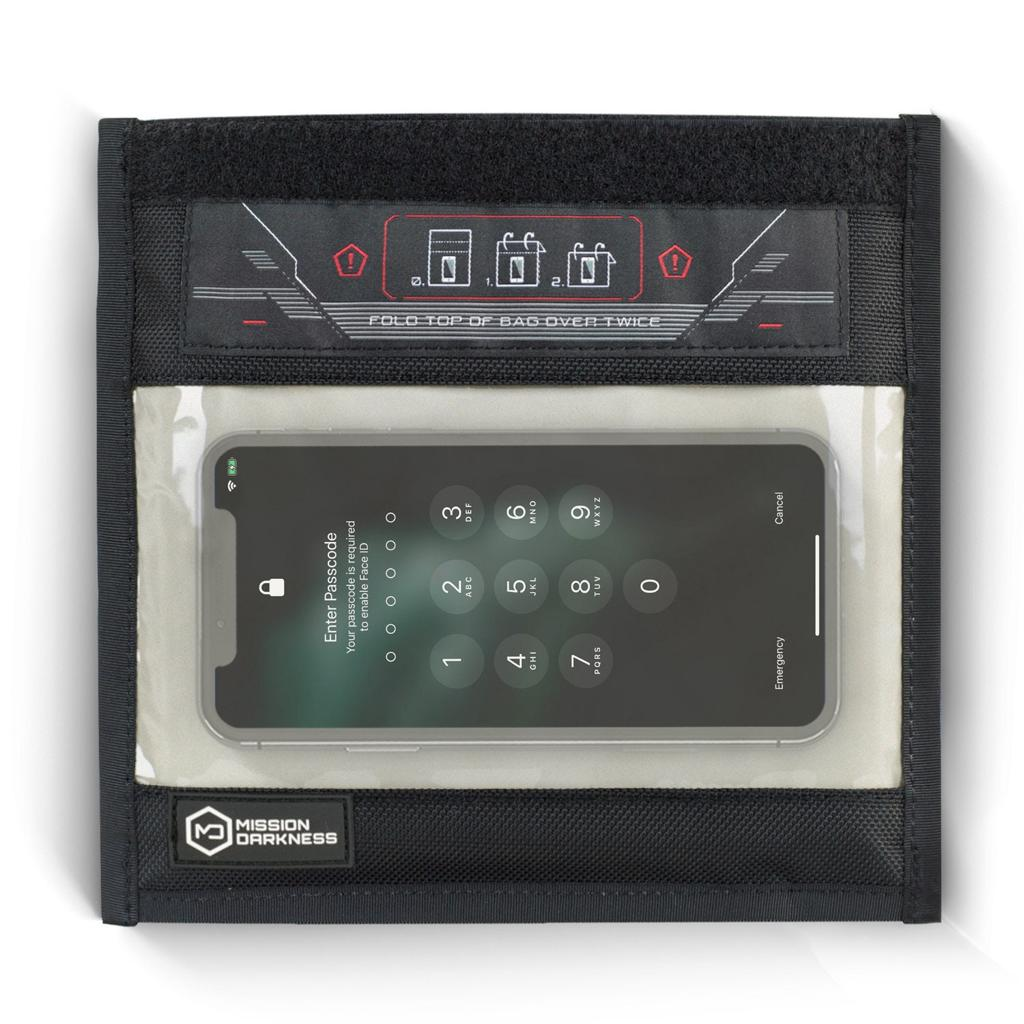
Journalists were also instructed to place devices used in China inside signal-blocking Faraday bags until the aircraft landed in the United States.
Many reporters had already secured their personal phones, laptops and smartwatches before arriving in China. Those devices were not subject to the same restrictions on the return flight.
The Straits Times
The distinction is important: not every electronic device aboard Air Force One was confiscated, and the reported measures were not limited to journalists.
What Is a Faraday Bag — and Why Would the White House Use One?

A Faraday bag is designed to block or substantially reduce wireless signals reaching electronic devices.
When properly used, it can prevent a phone from communicating through cellular, Wi-Fi or other radio connections.
This can be useful when security personnel want to isolate a device that might have been exposed to untrusted networks or potentially compromised during foreign travel.
What the security precautions were intended to do
-
Reduce wireless communications from devices used during the China visit
Limit opportunities for unauthorized data transmission
Separate potentially exposed devices from sensitive communications environments
Allow temporary phones to be wiped or disposed of under security procedures
These are general cybersecurity purposes. The White House has not publicly established that a particular reporter's phone was hacked or that classified information was stolen.
Did Trump React Harshly? Here's What He Actually Said
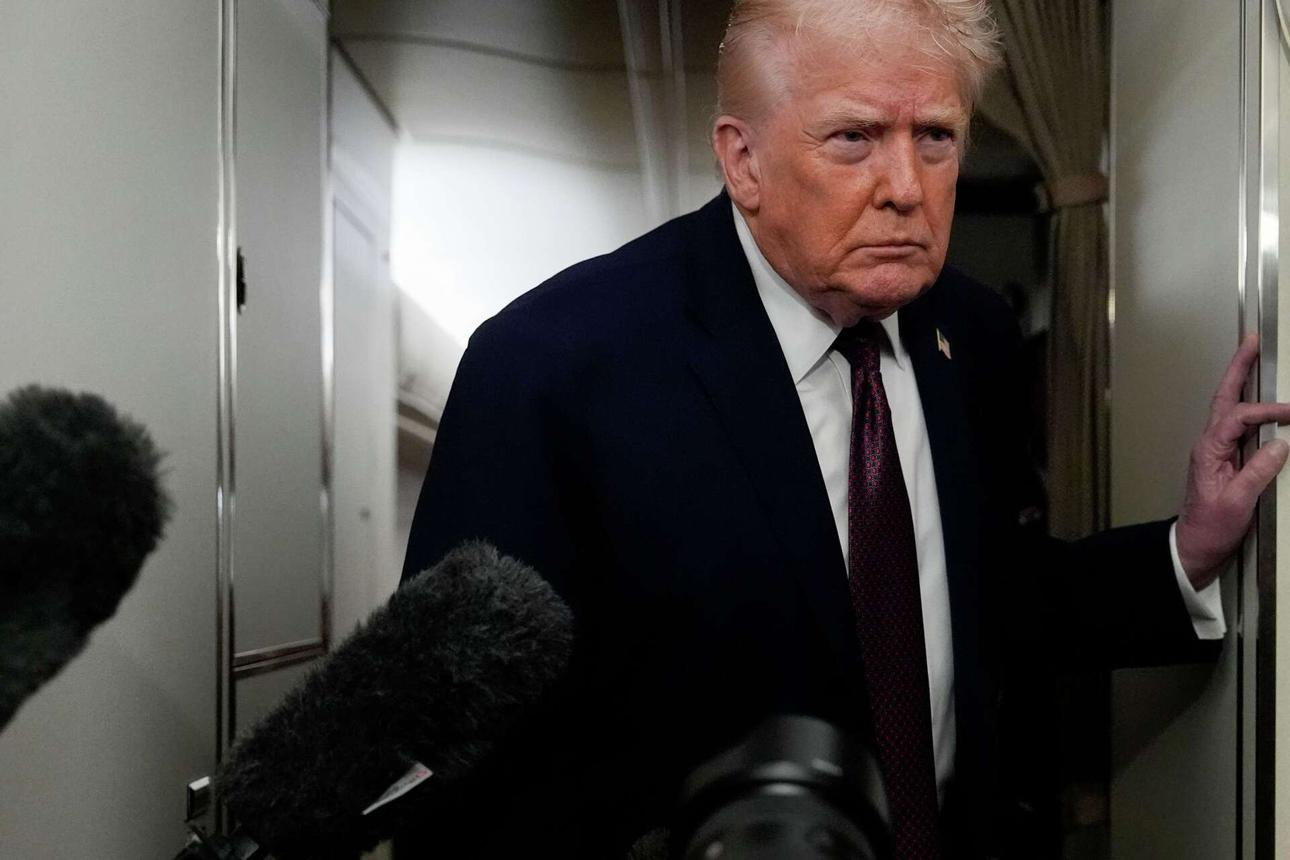
Trump addressed the restrictions during a telephone interview with NBC News correspondent Gabe Gutierrez on November 19.
Asked why reporters had been required to surrender their phones, the president said:
“We want to be careful.”
He added that officials did not want people using phones when they should not be using them, describing the administration's approach as cautious.
thenationaldesk.com+1
Trump did not publicly identify a particular security threat or explain exactly who authorized the restrictions.
Crucially, the available reporting does not establish that Trump angrily confronted reporters, threatened journalists or ordered disciplinary action against anyone involved.
His documented response was an explanation emphasizing security precautions, not a confirmed angry outburst.
Why Did the Incident Immediately Spark Speculation?
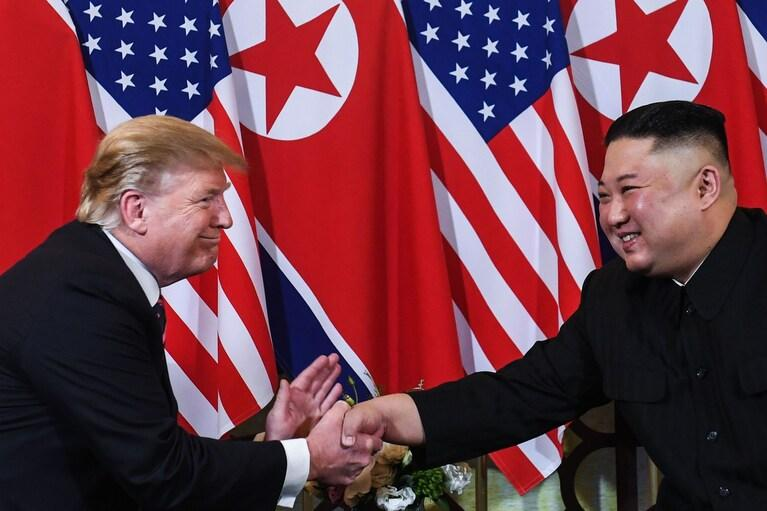
The phone restrictions coincided with an unusual development involving presidential flight arrangements.
A temporary flight restriction over Alaska, associated with a possible refueling stop, had been lifted.
Fox News correspondent Jacqui Heinrich, president of the White House Correspondents' Association, publicly questioned whether Air Force One might be heading somewhere other than Washington.
The circumstances fueled speculation about a possible unannounced meeting with North Korean leader Kim Jong Un.
The Independent+1
Trump had previously expressed interest in another meeting with Kim during his Asia trip.
However, the phone restrictions did not prove that a secret meeting was planned.
No confirmed evidence in the reporting reviewed establishes that the security precautions were connected to North Korea.
Why Was This Different From Trump's Previous Visit to China?
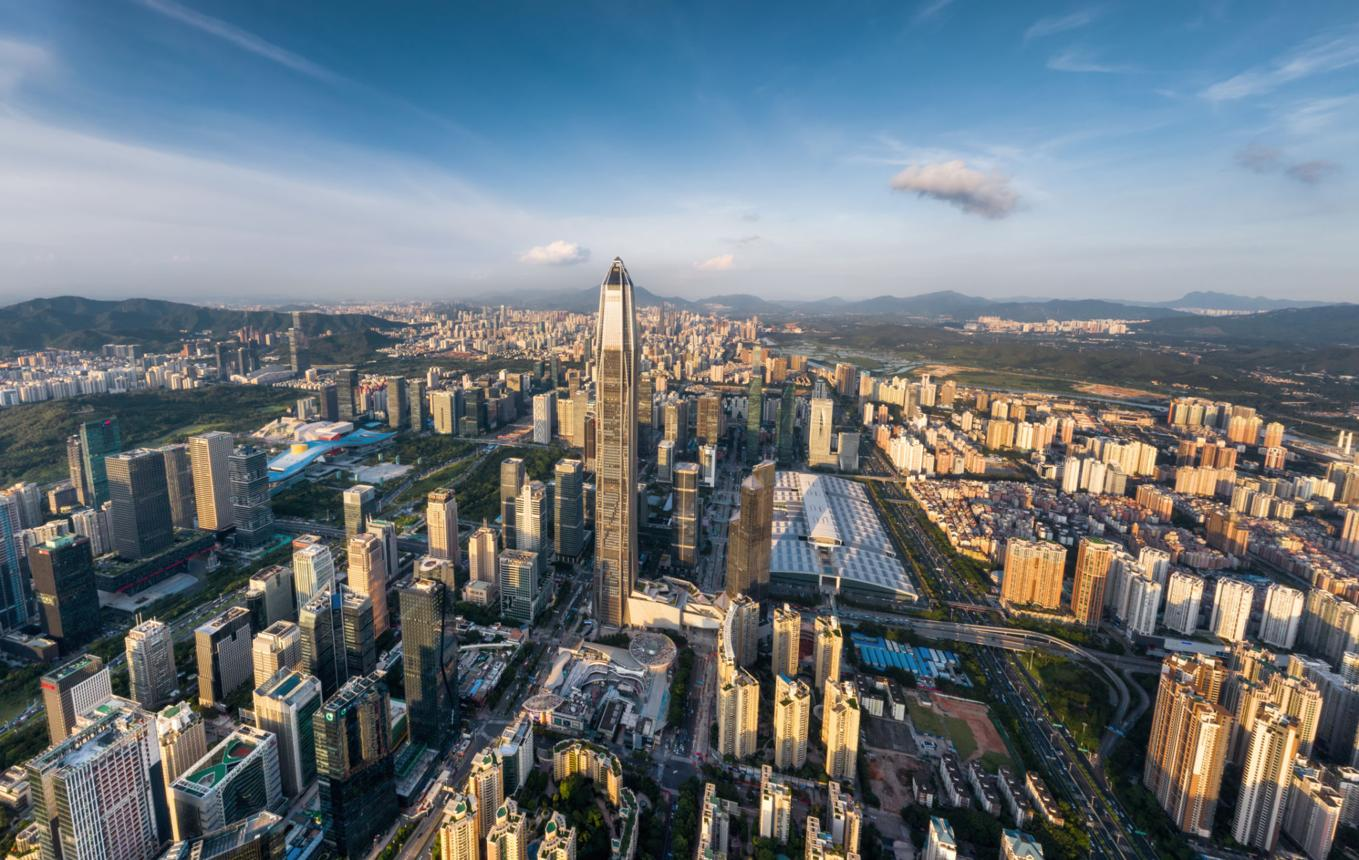
The unusual nature of the restrictions became more apparent when journalists compared the episode with Trump's previous China visit in May.
During that earlier trip, White House personnel and members of the press had taken precautions involving temporary devices and travel-related electronic equipment.
But reporters' phones were not collected in the same way during the departure.
Heinrich highlighted that difference publicly, contributing to questions about why November's arrangements were more restrictive.
Mediaite+1
The new measures suggest heightened caution about electronic devices used during the trip.
They do not, by themselves, establish that security conditions had deteriorated or that an espionage operation had been detected.
Was Air Force One Itself in Danger?
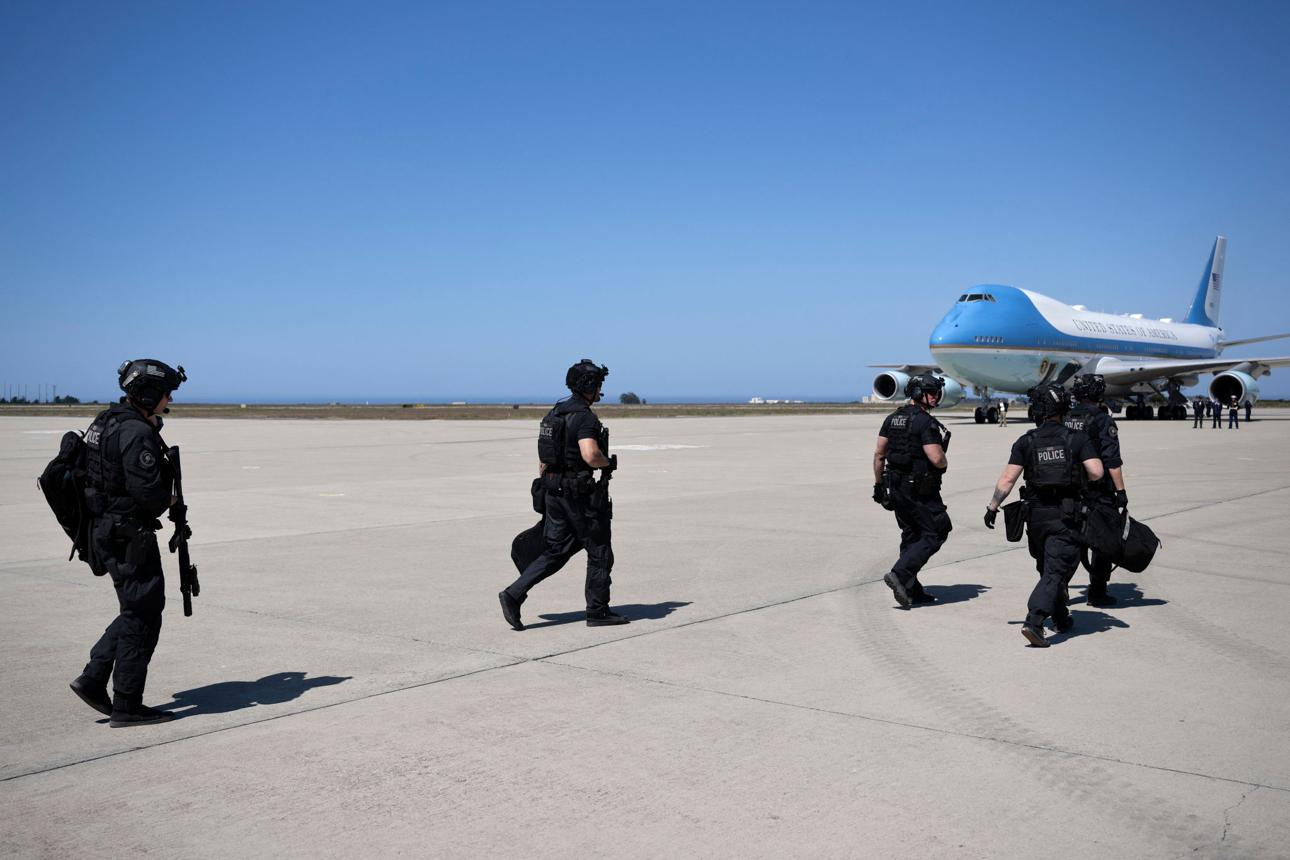
This is the most important distinction in the story.
A cybersecurity precaution is not the same as an aviation emergency.
The available reports describe restrictions on electronic devices, not a confirmed mechanical malfunction, hijacking attempt or immediate threat to the aircraft's ability to fly safely.
There is also no publicly verified evidence that the plane's navigation or communications systems were compromised.
The phrase security risk aboard Air Force One should therefore be understood in the context of electronic-device precautions rather than proof of an imminent danger to the president's life.
The Bigger Question: How Secure Are Presidential Communications Abroad?

Presidential travel involves an unusually demanding security environment.
Senior officials, military personnel, Secret Service agents and journalists may carry devices containing sensitive professional information.
When traveling internationally, those devices can encounter unfamiliar networks, telecommunications infrastructure and other potential cybersecurity risks.
Security teams may therefore use temporary phones, restricted networks and signal-blocking equipment to reduce exposure.
These measures are preventive. They do not necessarily indicate that an attack has already occurred.
The November 19 incident illustrates how cybersecurity procedures can affect even the journalists responsible for reporting on presidential activities.
Press Freedom Versus Presidential Security
The restrictions also raised questions about journalists' ability to report independently.
Reporters traveling with the president provide the public with timely information about official activities, statements and travel arrangements.
Temporarily restricting their communications can delay reporting and reduce immediate transparency.
At the same time, government security personnel have legitimate responsibilities to protect sensitive environments and communications systems.
The central question is whether restrictions are necessary, proportionate and clearly explained.
TheWrap reported that the White House had not initially provided a detailed explanation of the measure or clarified when reporters would regain access to their devices.
TheWrap
Subsequent reporting provided more information about the cybersecurity procedures, although the precise underlying threat assessment has not been publicly disclosed.
What Is Confirmed — and What Remains Speculation?
|
Question |
Verified information
Were reporters required to surrender or secure phones?
Yes
Did the restrictions concern devices used in China?
Yes
Were Faraday bags used?
Yes
Were some temporary staff phones collected?
Yes
Did Trump explain the decision?
Yes, he cited caution and security
Did Trump angrily punish reporters?
No confirmed evidence
Was a Chinese hacking operation discovered?
Not publicly established
Was Air Force One in immediate physical danger?
Not established
Was a secret North Korea meeting the reason?
Unverified speculation
The Independent+2
A Rare Security Operation — But Not a Confirmed Presidential Emergency
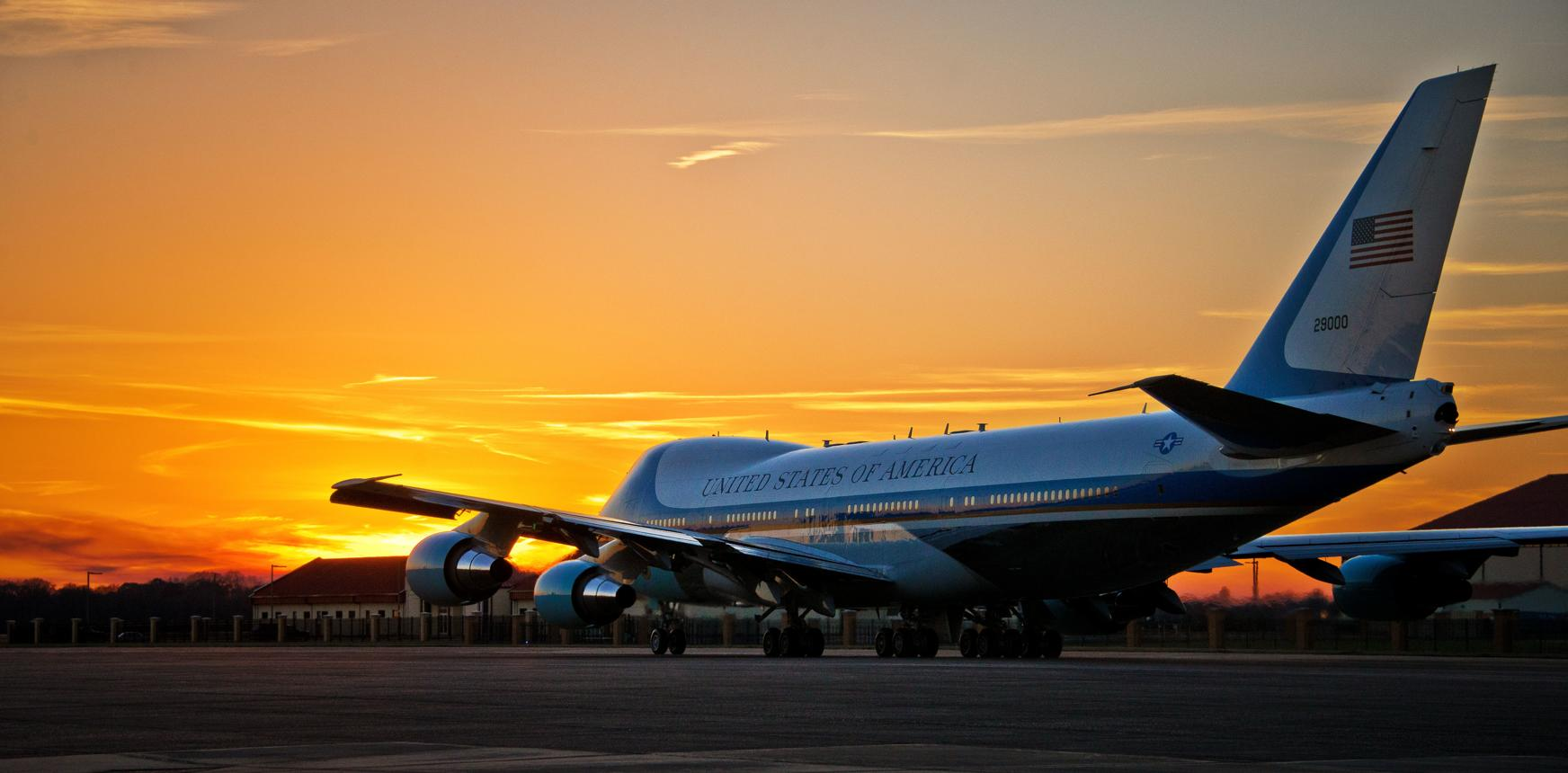
President Trump's departure from China was accompanied by an unusual security measure.
Reporters were required to surrender or isolate phones used during the visit, while White House personnel took separate precautions with temporary devices.
Trump subsequently defended the decision as a matter of caution.
The incident prompted questions about foreign surveillance, presidential travel security and press access.
But it has not been publicly established that a cyberattack occurred, that the aircraft faced an immediate physical threat or that Trump reacted angrily toward journalists.
The confirmed story is an extraordinary cybersecurity precaution aboard the presidential aircraft — not a verified aviation emergency or presidential confrontation.
Should the White House provide a more detailed explanation when security measures restrict journalists traveling with the president?
Or are certain precautions better kept confidential to protect presidential communications?
AMERICA, WHAT DO YOU THINK? SHARE YOUR OPINION IN THE COMMENTS BELOW!
Comments (0)
Loading comments...
May You Like

PACIFICA PIER IN CALIFORNIA COLLAPSE REVEALS MASSIVE CRACK BENEATH THE OCEANs!

ELON MUSK’S $18 BILLION SPACEX STOCK GIFT FOR EVERY AMERICAN CHILD

$1 BILLION DISASTER AT BANGCHAK REFINERY, THAILAND—40 BURNED, 8 AMERICANS DEAD!









Popular Posts




