
SECURITY SCARE ON AIR FORCE ONE — WHAT HAPPENED AFTER TRUMP LEFT CHINA?
SECURITY SCARE ABOARD AIR FORCE ONE! REPORTERS' PHONES SEIZED AFTER TRUMP LEAVES CHINA — WAS THE PRESIDENT'S FLIGHT HEADING SOMEWHERE SECRET?
WASHINGTON, D.C. — NOVEMBER 21, 2026
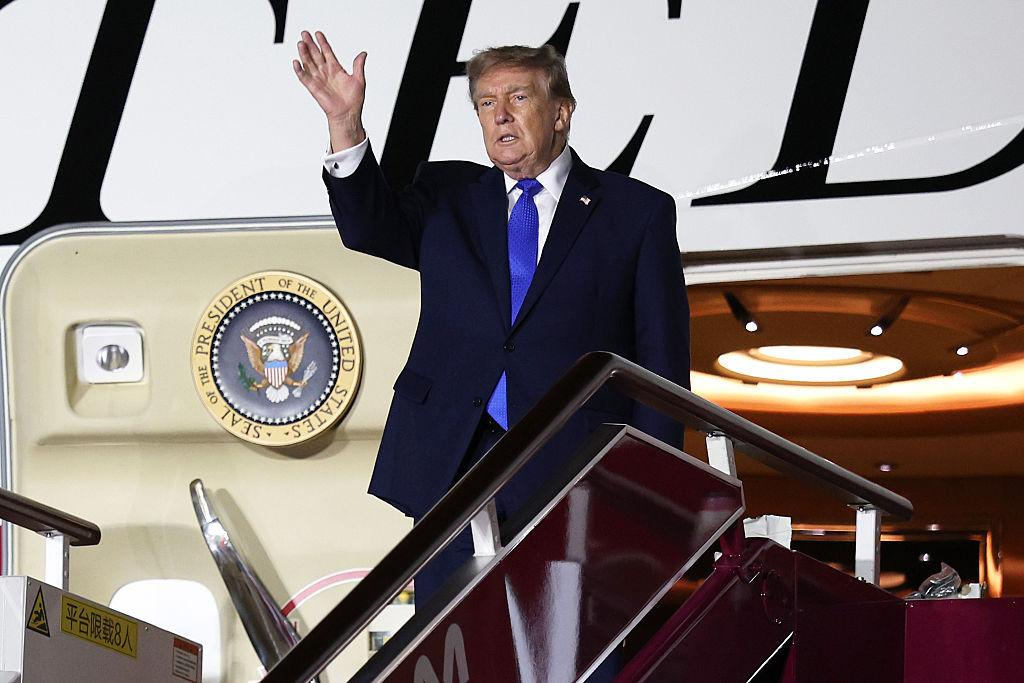
An extraordinary security operation unfolded aboard Air Force One as President Donald Trump departed China following the APEC summit. Reporters traveling with the president were ordered to surrender their mobile phones, while an unexpected change involving flight restrictions over Alaska triggered speculation that the presidential aircraft might not be heading directly home.
The incident occurred on November 19, shortly after Trump completed high-profile meetings with Chinese President Xi Jinping and Russian President Vladimir Putin in Shenzhen.
The sudden restrictions left journalists wondering why their communications had been interrupted during one of the most sensitive presidential trips of the year.
Was the aircraft facing a security threat? Had American officials detected possible Chinese surveillance? Or was Trump preparing for an unannounced diplomatic meeting?
Subsequent reporting has provided a clearer picture.
The phone restrictions were a cybersecurity precaution, and the unusual flight arrangements were ultimately explained by the aircraft's ability to fly directly to Washington without refueling in Alaska. There is no confirmed evidence that Air Force One experienced an attack or an in-flight emergency.
The Japan Times+1
A Mysterious Order Minutes After Departure
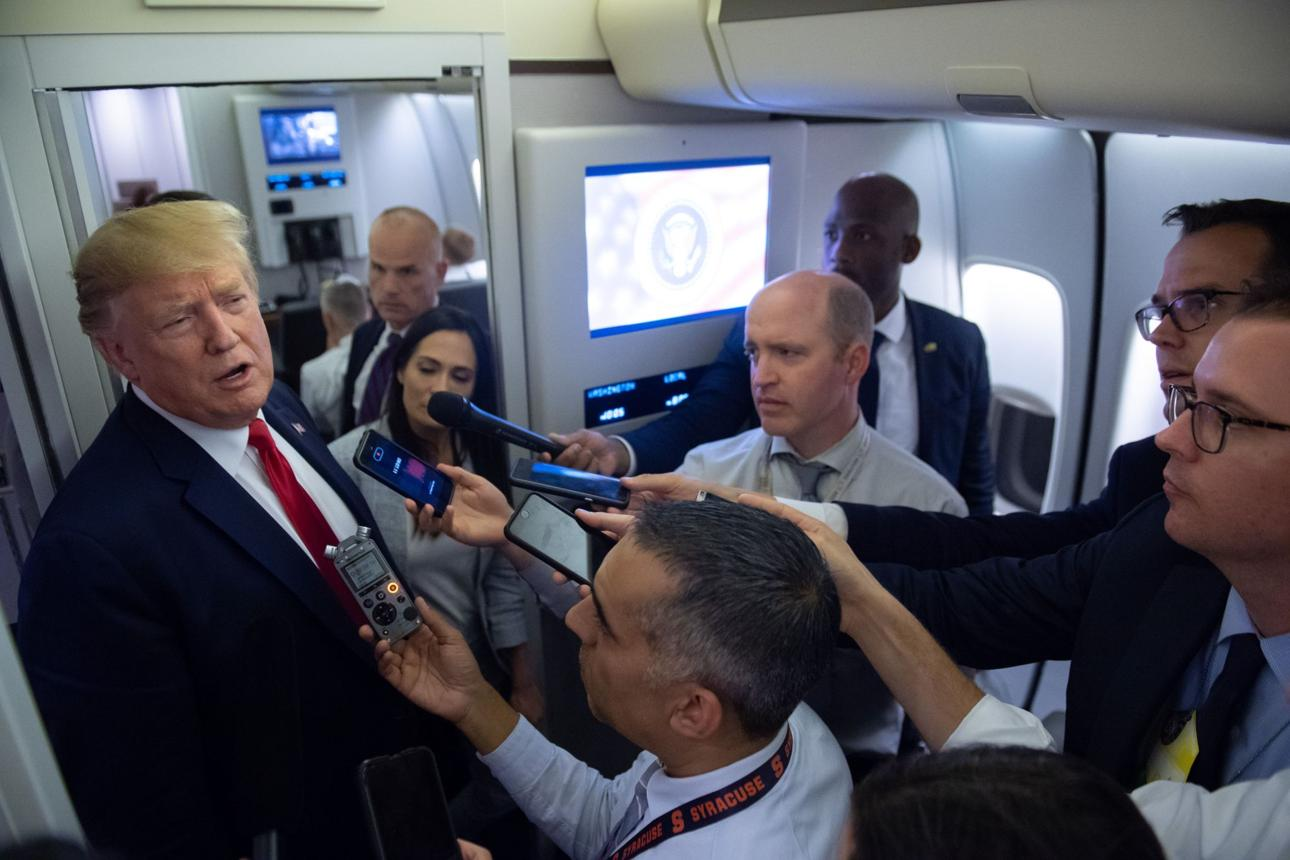
At approximately 6:45 p.m. local time on Thursday, November 19, a journalist accompanying the president issued an unusual White House pool report.
The message announced that the aircraft was departing Shenzhen and that reporters' phones were being taken away for security reasons.
The instruction immediately attracted attention because journalists traveling with American presidents ordinarily remain in contact with their newsrooms throughout international trips.
According to AFP, the measure was particularly unusual because reporters' phones had not been collected in the same way when Trump departed China during an earlier visit in May.
The Straits Times+1
The White House initially offered little public explanation.
That silence allowed speculation to spread about the president's destination and the possibility of an undisclosed security situation.
Why Did Officials Collect the Phones?
A subsequent White House pool report revealed that the restrictions were connected to concerns about potential electronic surveillance.
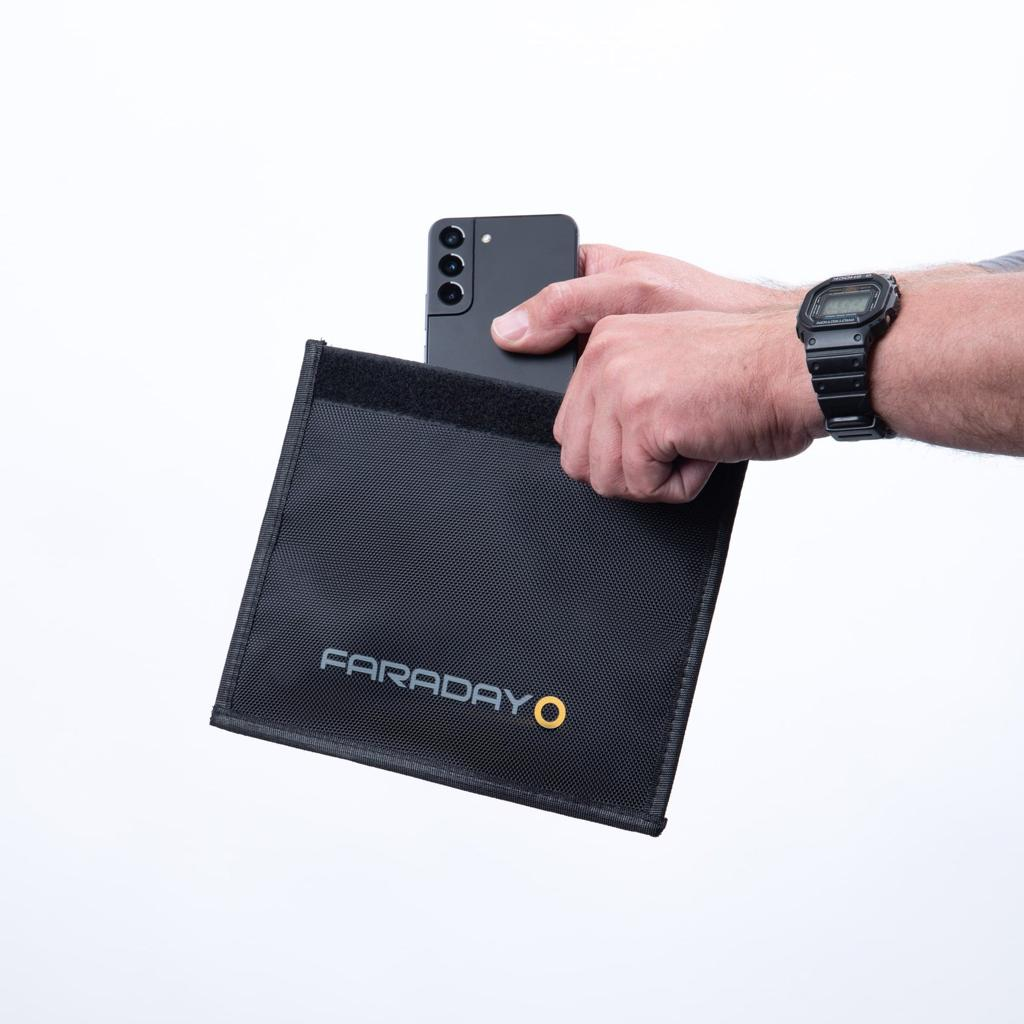
Journalists were instructed to place phones they had used in China inside special signal-blocking bags.
These devices, known as Faraday bags, are designed to prevent wireless communications when properly sealed.
The purpose was to isolate potentially exposed electronic equipment from communications networks during the flight.
White House personnel also collected temporary phones used by staff members during the China visit.
Those devices were intended to be wiped or disposed of as part of the security procedures.
The Straits Times+1
The restrictions did not apply equally to every device aboard the aircraft.
Some reporters had already secured their regular phones, laptops and smartwatches before arriving in China.
Those devices could be used on the return journey.
The distinction suggests that officials were primarily concerned about equipment that had been used during the visit, rather than imposing a blanket prohibition on electronic communications.
The Alaska Mystery: Was Air Force One Changing Its Destination?
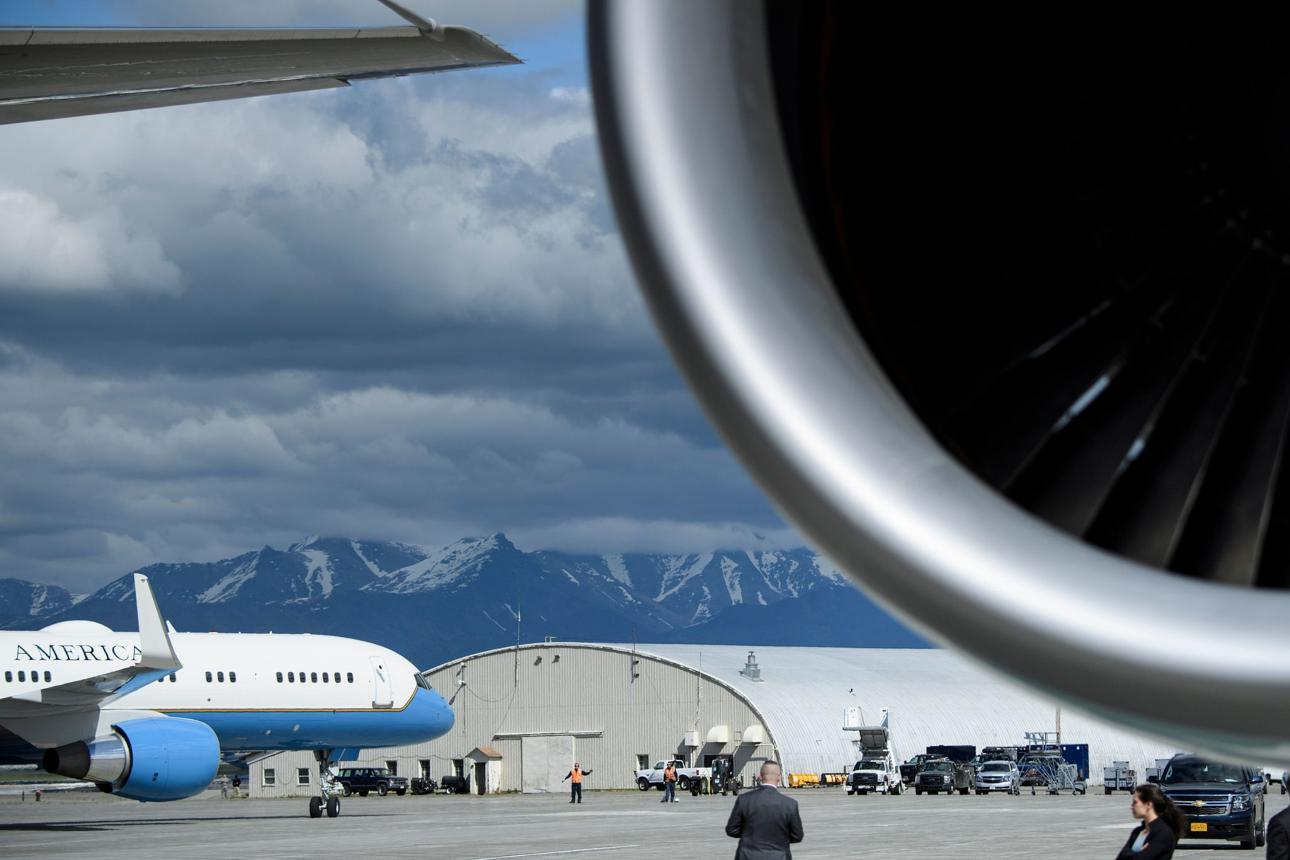
The mystery deepened when journalists noticed an unusual development involving Alaska.
A temporary flight restriction associated with a possible presidential refueling stop had been lifted.
Fox News correspondent Jacqui Heinrich, president of the White House Correspondents' Association, publicly questioned whether Air Force One was heading directly home.
The combination of two developments—the sudden phone restrictions and the canceled Alaska stop—generated speculation about a possible change in Trump's travel plans.
AOL+1
However, the aircraft's eventual flight provided a much simpler explanation.
According to reporting by The Japan Times, Trump was traveling aboard a Qatari-gifted Boeing jumbo jet temporarily serving as Air Force One.
That aircraft flew directly to Joint Base Andrews near Washington, avoiding the Alaska refueling stop.
The journey lasted approximately 15 hours.
The canceled stop was real, but it did not establish that the president had secretly changed his destination.
The Japan Times
Was Trump Planning a Secret Meeting With Kim Jong Un?
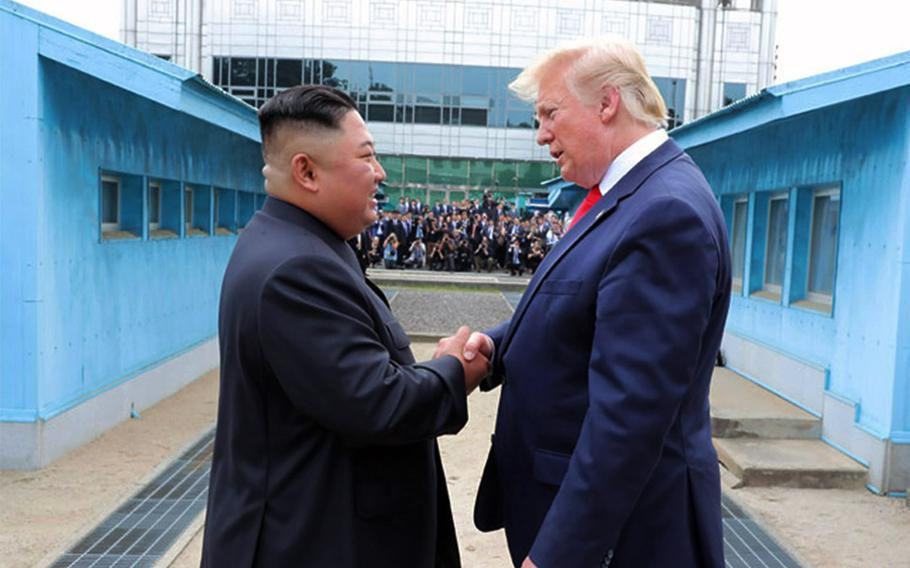
One theory quickly attracted attention: Trump might be preparing for an unexpected meeting with North Korean leader Kim Jong Un.
The speculation was not entirely random.
Before the summit, Trump had repeatedly raised the possibility of meeting Kim during his Asia trip.
Secretary of State Marco Rubio had also said the president was prepared for such an encounter, although no meeting was scheduled.
When reporters lost access to their phones and the Alaska refueling restriction disappeared, some observers wondered whether the presidential aircraft might be making an undisclosed stop connected to North Korea.
The Independent
But there was a critical problem with the theory.
No official announcement confirmed a meeting, and the aircraft ultimately returned directly to the Washington area.
There is no verified evidence that the phone restrictions were connected to a secret meeting with Kim Jong Un.
Did China Attempt to Spy on the President's Delegation?
The cybersecurity explanation raises another important question: why would devices used in China require such precautions?
International travel can expose electronic equipment to unfamiliar networks, software and communications infrastructure.
Government personnel often use temporary phones and additional security measures when traveling to locations where intelligence collection is a concern.
A potentially compromised phone might transmit information or expose sensitive communications if connected to a network.
Placing it inside a properly sealed Faraday bag can reduce that risk.
However, precautions against espionage are not proof that espionage occurred.
The White House has not publicly presented evidence that Chinese intelligence services successfully compromised reporters' phones during this trip.
Nor has it established that classified information was stolen from the presidential delegation.
The confirmed action was preventive cybersecurity isolation, not the discovery of a publicly verified hacking operation.
The Straits Times+1
What Did President Trump Say?
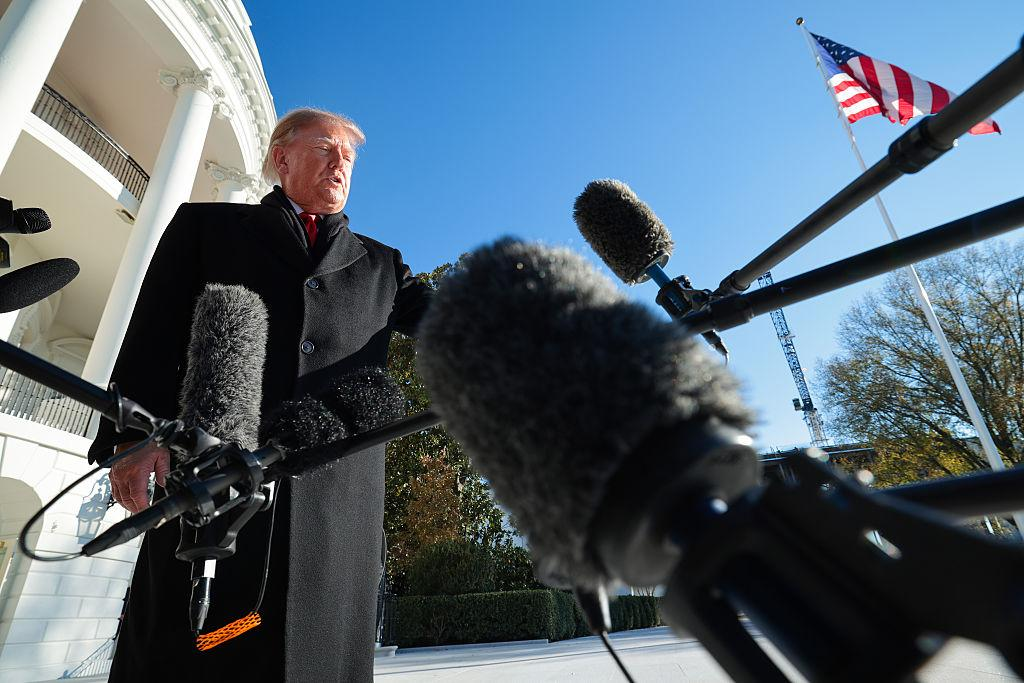
Trump addressed the restrictions during a telephone interview with NBC News correspondent Gabe Gutierrez.
Asked why reporters had been required to surrender their phones, the president explained that officials wanted to exercise caution.
He said they did not want people using phones when they should not be using them.
His response confirmed that the administration viewed the restrictions as a security precaution.
ABC News+1
But Trump did not publicly identify a specific hacking incident or provide a detailed intelligence assessment.
There is also no verified reporting that he angrily confronted the journalists or personally punished anyone involved.
The president's comments were consistent with the White House's explanation that the measures were intended to reduce security risks.
Why the Incident Raised Questions About Press Freedom
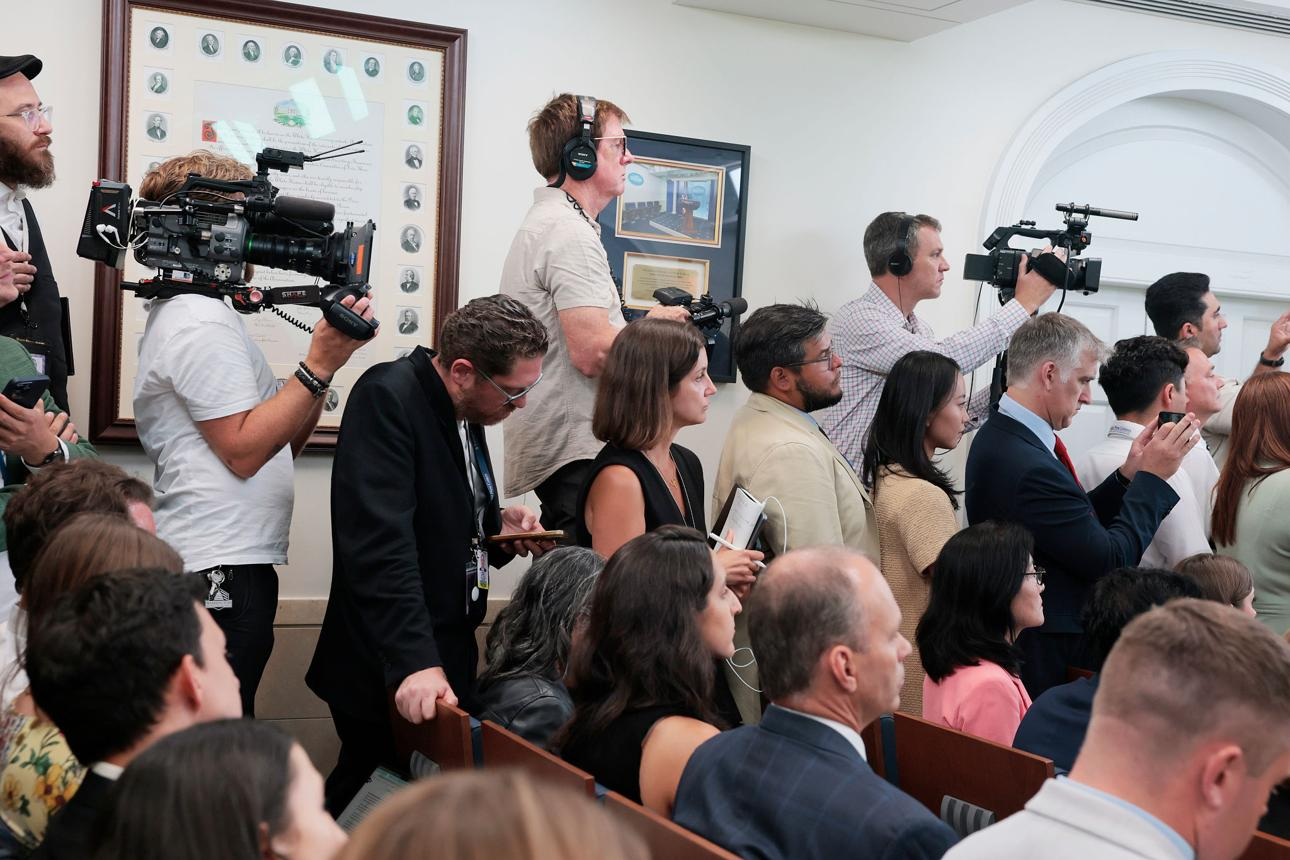
The restrictions also raised concerns about the ability of journalists to report on presidential activities.
Reporters traveling with the president are responsible for providing timely accounts of his movements, statements and meetings.
Temporarily restricting their access to communications devices can make that work more difficult.
TheWrap reported that the White House initially offered no detailed explanation of who had ordered the measure or when journalists would regain their devices.
TheWrap
Later reporting clarified that the phones were returned after Air Force One landed in the United States.
The Japan Times
That matters because the incident was a temporary restriction rather than a permanent confiscation of reporters' equipment.
The episode nevertheless illustrates a tension between presidential security procedures and the public's interest in timely, independent reporting.
Was Air Force One Actually in Danger?
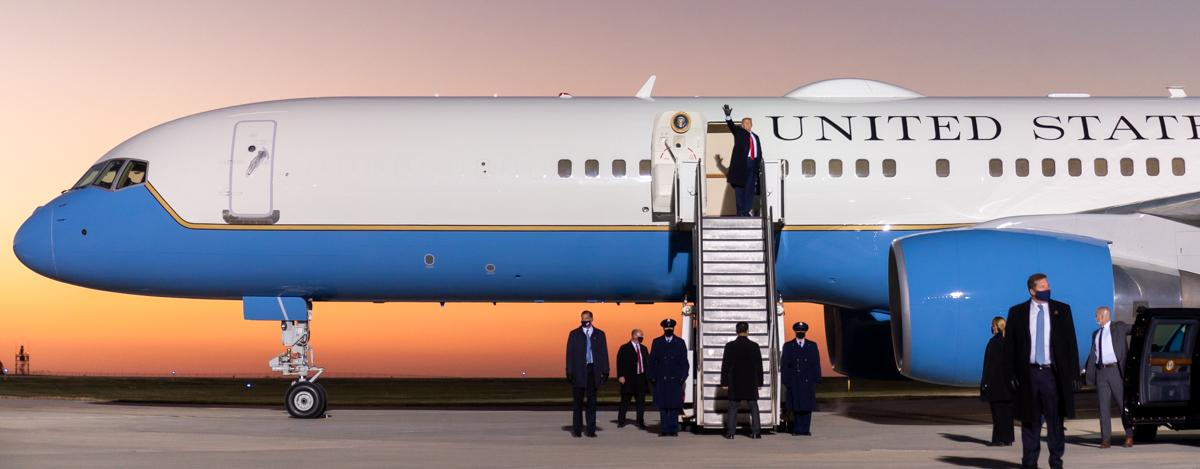
The most dramatic interpretation of the incident is that Air Force One was facing an immediate threat.
But the evidence does not support that conclusion.
|
Question |
What the reporting establishes
Were reporters' phones collected?
Yes
Were devices placed in signal-blocking bags?
Yes
Were cybersecurity concerns cited?
Yes
Was an Alaska refueling stop skipped?
Yes
Did the aircraft return to the Washington area?
Yes
Was a successful Chinese cyberattack confirmed?
No
Was a secret North Korea meeting confirmed?
No
Was there a verified in-flight emergency?
No
The Japan Times+2
The available reports do not describe an emergency landing, a confirmed attack on the aircraft's flight systems or a threat requiring immediate evasive action.
That distinction is essential.
A security measure involving electronic devices may be unusual and newsworthy without indicating that the president's aircraft was in immediate physical danger.
A Previous Presidential Security Scare Adds to the Concern
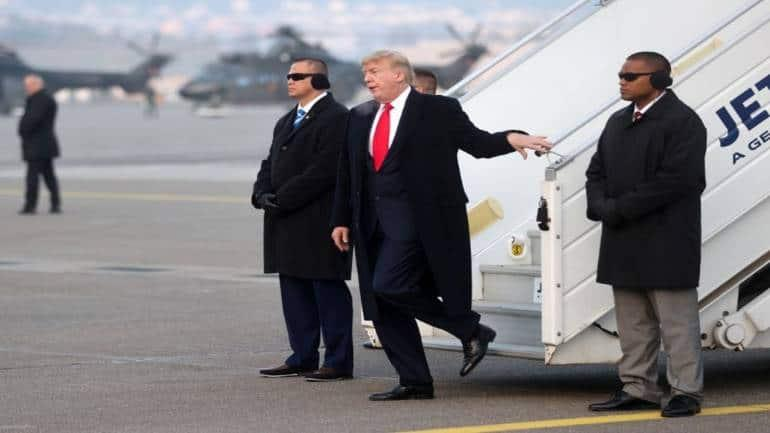
The heightened attention surrounding presidential flight arrangements also reflects earlier security concerns.
In July, Trump changed aircraft during a stop in Turkey before traveling to the United Kingdom.
The Japan Times reported that the unusual maneuver was later linked to concerns about an Iranian assassination threat.
Trump subsequently said the military and Secret Service had recommended the change.
The Japan Times
That earlier incident helps explain why journalists and observers may have been especially sensitive to unexpected changes in presidential travel procedures.
But there is no established connection between the July security concern and the November phone restrictions.
The two incidents should not be presented as evidence of a single continuing threat.
What Really Happened Aboard Air Force One?
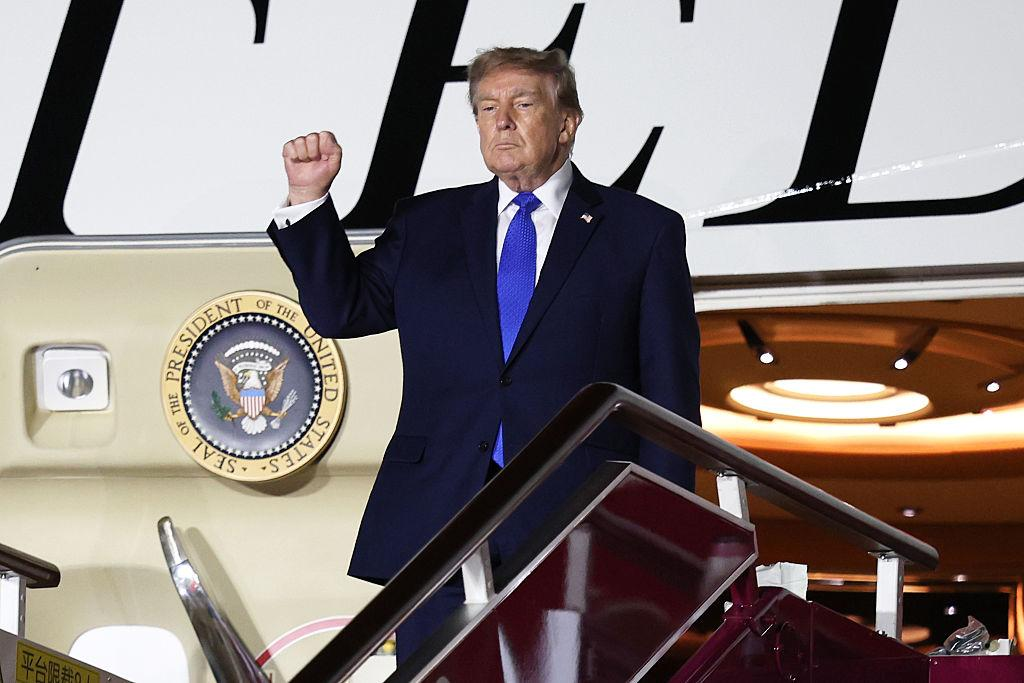
The sequence of events is now substantially clearer.
On November 19, Trump departed Shenzhen after attending the APEC summit and meeting with world leaders.
As Air Force One prepared to leave China, reporters were instructed to surrender or isolate phones they had used during the visit.
White House staff also collected temporary devices for data wiping or disposal.
At approximately the same time, changes involving an Alaska flight restriction raised questions about whether the president was traveling somewhere unexpected.
Those questions fueled speculation about a possible secret meeting with Kim Jong Un.
But the aircraft flew directly to the Washington area, and reporters received their phones back after landing.
The most important confirmed development was an unusual cybersecurity operation aboard the presidential aircraft—not an attack, an emergency diversion or a secret diplomatic mission.
The White House has not disclosed every detail of the underlying security assessment, leaving some questions unanswered.
But the evidence available so far points to precautions against potential electronic surveillance rather than a confirmed threat to the president's life.
The Bigger Question for America
Presidential travel requires extensive security, particularly after sensitive international meetings.
The government has a responsibility to protect the president, official communications and potentially sensitive information.
Journalists, meanwhile, have a responsibility to report independently on presidential activities.
The November 19 incident shows how those priorities can collide.
It also demonstrates how quickly an unusual security procedure can generate speculation when officials provide limited information.
Should the White House disclose more about extraordinary security restrictions aboard Air Force One, or should some details remain confidential to protect the president?
And were the phone restrictions a necessary cybersecurity measure—or an excessive limitation on journalists covering the president?
AMERICA, WHAT DO YOU THINK? SHARE YOUR OPINION IN THE COMMENTS BELOW!
Comments (0)
Loading comments...
May You Like

THANKSGIVING CRISIS: NYC PARADE POSTPONED AFTER FBI WARNING—$900 MILLION LOST!

TRUMP CALLED FOR KIMMEL’S FIRING—THE FCC ACTED THE VERY NEXT DAY

IOWA MILITARY EMERGENCY: 51 TONS OF UNSTABLE SUSPECTED BIOWEAPON WASTE FOUND AFTER 5-TON BLAST!













