
Senate Approves Kennedy’s Shutdown Pay Rule — But There’s a Catch That Changes Everything
Senate Approves Kennedy’s Shutdown Pay Rule — But There’s a Catch That Changes Everything
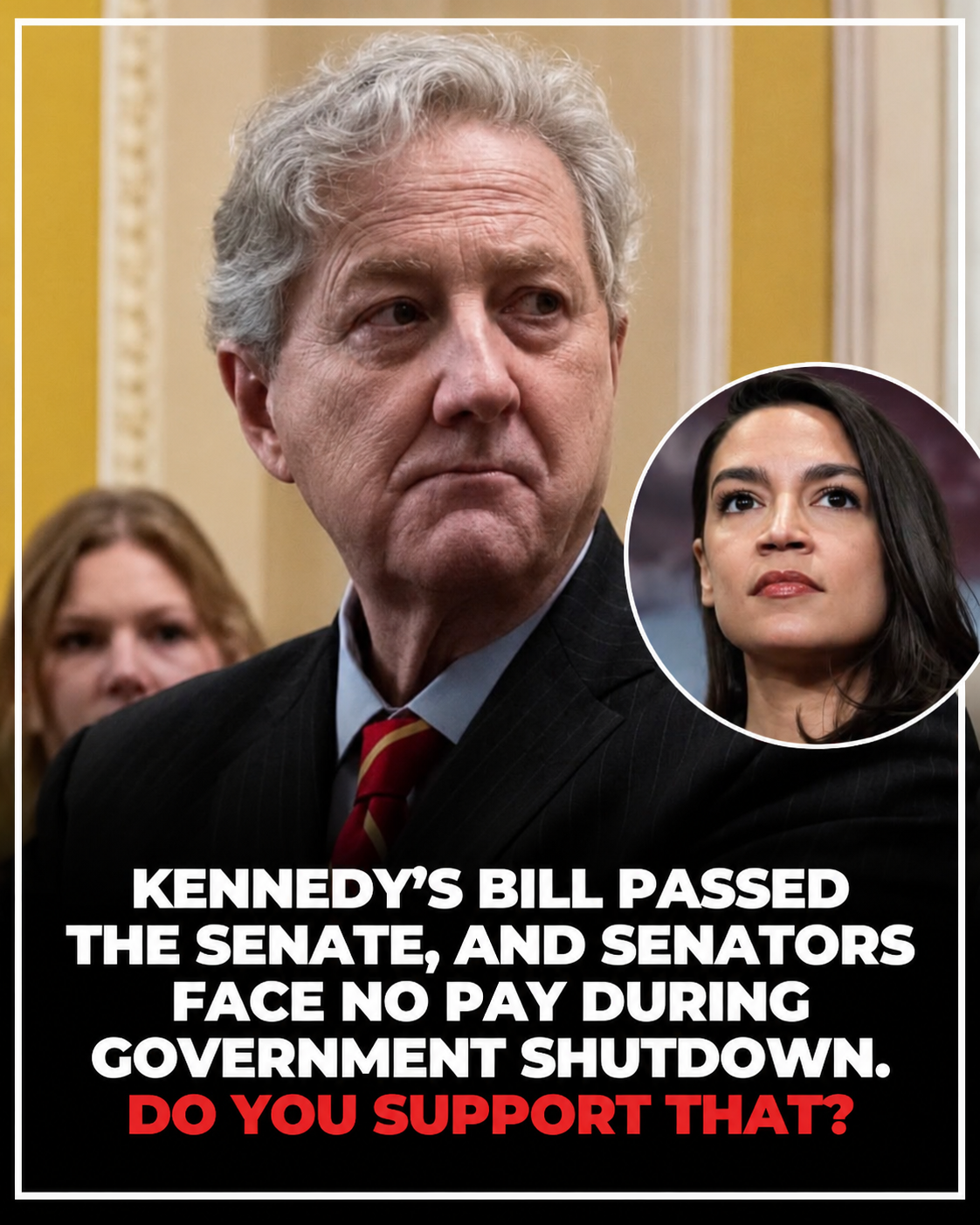
A Senate vote has reignited a question that frustrates Americans during every federal government shutdown: Why should elected lawmakers keep receiving paychecks while federal employees face uncertainty? Louisiana Republican Sen. John Kennedy helped force that question into the spotlight with a resolution that has now cleared the chamber.
The Senate agreed to S. Res. 526 on May 14, 2026, following months of debate about whether senators should continue receiving regular pay when federal agencies run out of funding. The action was real, but the details are more complicated than many social media posts suggest.
Kennedy's proposal requires the Senate to withhold senators' compensation during a federal government shutdown. The money is not permanently forfeited. It is held and released after the shutdown ends, a distinction central to understanding what the resolution actually does.
That difference matters because the viral claim that senators will receive 'no pay' could leave readers with the impression that lawmakers permanently lose their salaries. In practice, the resolution delays their access to that money rather than canceling it.
The measure applies only to United States senators. It does not automatically change the pay arrangements for members of the House of Representatives, and it is not a new law requiring President Donald Trump's signature.

Kennedy framed the effort as a matter of shared sacrifice. Federal employees, contractors, and families can face severe disruption during funding lapses, while members of Congress historically have continued to receive compensation.
The resolution grew out of unusually prolonged funding disputes. Kennedy's office pointed to more than 119 days of full or partial federal shutdowns between October 2025 and May 2026 as a reason for changing Senate practices.
During such disruptions, essential federal workers may be required to continue working even while regular pay is delayed. Others may be furloughed, creating financial strain that can extend far beyond Washington.
Kennedy argued that senators should experience at least some of the pressure their decisions can place on the workforce. His proposal sought to make that consequence immediate by pausing lawmakers' paychecks when appropriations lapse.
Support for the idea eventually crossed party lines. The Senate voted 99–0 on May 13 to advance consideration of the resolution, an unusually lopsided procedural result in a closely divided political environment.

One day later, the Senate adopted the measure by voice vote. That final action should not be confused with the preceding 99–0 procedural vote: the two votes served different purposes.
Another important detail is timing. The resolution was written to take effect after the regularly scheduled November 2026 federal election, not immediately upon its May passage.
The delay reflects the constitutional sensitivities surrounding changes to congressional compensation. The Twenty-Seventh Amendment restricts when laws varying congressional pay can take effect, although this Senate measure concerns the timing of payment rather than its ultimate amount.
Under the resolution, the Secretary of the Senate is directed to hold the affected compensation during a shutdown and release it as soon as practicable after the funding lapse ends.
That means a senator could temporarily miss paychecks while a shutdown continues, but would ultimately receive the withheld compensation. For critics who want a permanent financial penalty, the resolution does not go that far.

Supporters nevertheless see value in the change. Even a temporary interruption, they argue, could sharpen lawmakers' attention to the consequences of prolonged budget stalemates.
Skeptics question whether a delayed paycheck would meaningfully influence senators who have substantial personal wealth. Others argue that the bigger solution lies in changing the budget process to prevent shutdowns in the first place.
The social media graphic also features Rep. Alexandria Ocasio-Cortez, but she is a member of the House, not the Senate. Her appearance alongside Kennedy does not mean the Senate resolution changes her pay or that she sponsored it.
The debate raises a broader question about accountability: Should members of Congress bear personal financial consequences when government funding breaks down, or should the emphasis remain on protecting federal workers and preventing shutdowns altogether?
For now, the verified outcome is narrower than the viral slogan. The Senate approved a rule to temporarily withhold senators' pay during future shutdowns, with repayment after government funding returns. Whether that changes the political incentives behind budget fights remains to be seen.
Comments (0)
Loading comments...
May You Like



I-75 THANKSGIVING NIGHTMARE — MAIL TRUCK CRASH RAISES OVERPASS COLLAPSE FEARS!

Latest Posts








Popular Posts



