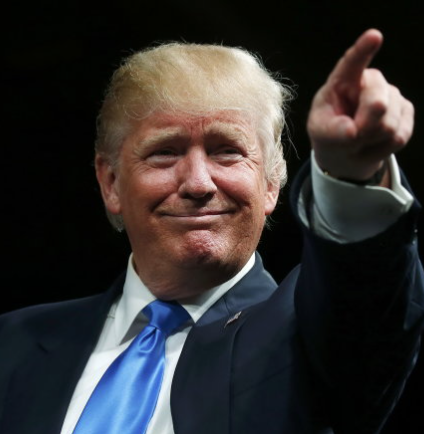
Senate Confirms Kevin Warsh in 51–45 Vote, Clearing Trump’s Path to a New Fed Chair
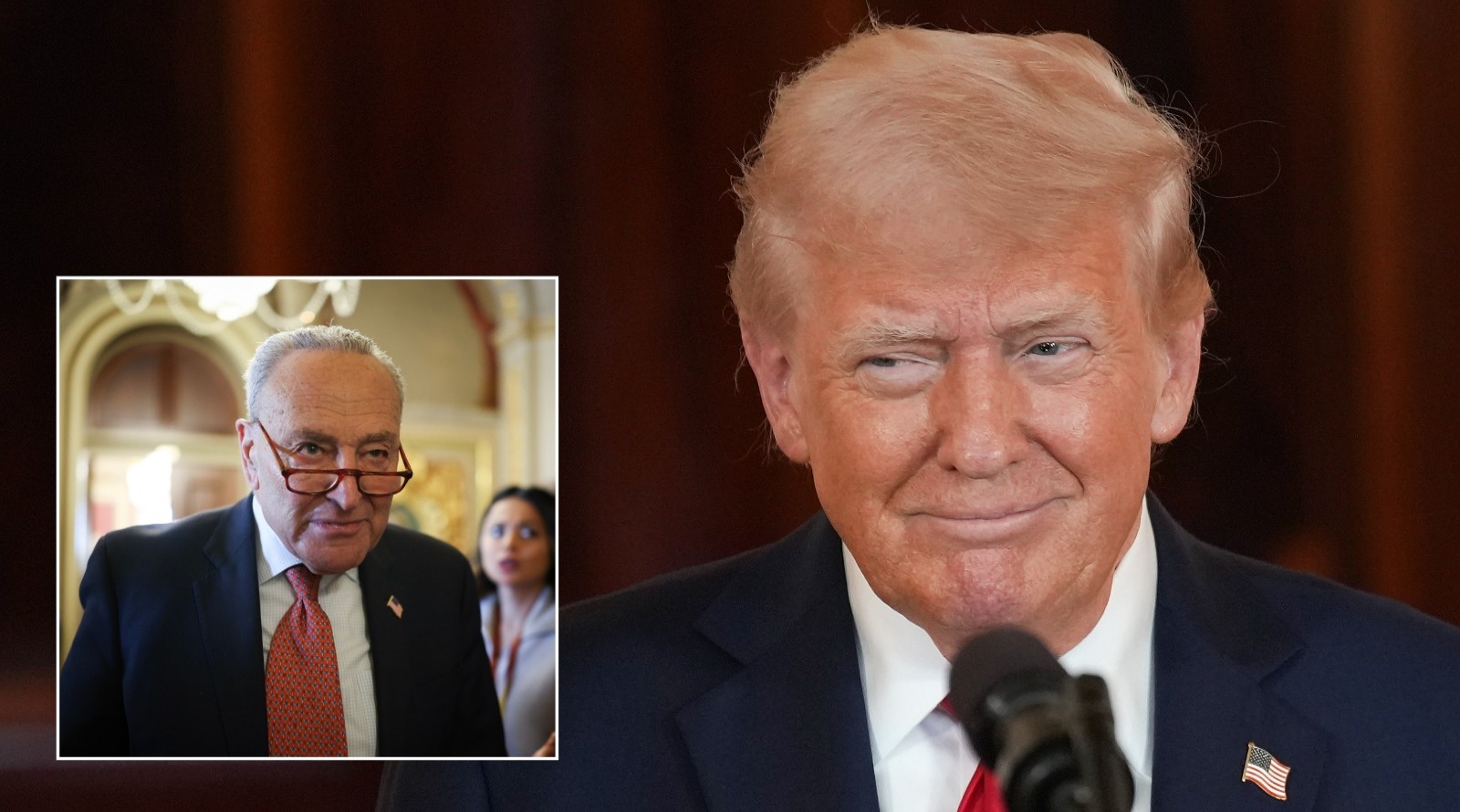
A viral graphic declaring “SENATE DRAMA! 51–45 Vote Hands Trump Biggest Victory of Presidency” points to a real Senate vote, but its wording exaggerates what happened.
On May 12, 2026, the Senate voted 51–45 to confirm Kevin Warsh to a 14-year seat on the Federal Reserve Board of Governors. The same 51–45 tally also advanced his separate nomination to become Federal Reserve chair.
The vote was an important victory for President Donald Trump because Warsh was Trump's choice to succeed Jerome Powell as Fed chair. But the 51–45 vote itself was not the final confirmation of Warsh as chairman. That came the following day, when the Senate voted 54–45 to confirm him as chair.
The 51–45 Vote That Started the Transition
The Senate's May 12 vote accomplished two things.
First, lawmakers confirmed Warsh to a full 14-year term as a member of the Federal Reserve Board.
Second, senators voted 51–45 to invoke cloture on his separate nomination to serve a four-year term as chairman. That procedural vote began the countdown toward the final confirmation.
Republicans supplied virtually all of the support, while Sen. John Fetterman, D-Pa., was the lone Democrat to vote with Republicans on Warsh's board confirmation.
The sequence was significant because Warsh needed to be on the Fed's seven-member board before he could take the chairmanship.
Warsh Was Confirmed as Fed Chair the Next Day
On May 13, the Senate completed the more consequential vote.
Warsh was confirmed as chairman of the Federal Reserve Board by 54–45.
That made him the successor to Powell, whose four-year term as chair was ending that week.
Reuters described Warsh's return to the central bank as a potentially major shift because he had left the Fed in 2011 after criticizing its expansive bond-buying policies. As chairman, he entered office promising a substantial reform agenda involving the Fed's inflation analysis, communications and balance sheet.
Warsh was subsequently sworn in on May 22, becoming the Fed's 17th chair.
Why Warsh Mattered So Much to Trump
Trump had made clear that he wanted a Fed chair more sympathetic to his economic priorities, particularly his demand for lower interest rates.
Warsh was an unusual choice because his earlier reputation was that of a monetary-policy hawk. Yet in more recent years he had argued for faster rate cuts and criticized the size of the Fed's balance sheet.
The Washington Post reported before his confirmation that Trump wanted rapid rate reductions, while Warsh faced the challenge of reconciling those political expectations with inflation that remained above the Fed's 2% target.
That tension meant Trump's victory was not necessarily a guarantee of the monetary policy outcome he wanted.
Indeed, after taking office, Warsh did not simply deliver immediate rate cuts.
The New Fed Chair Quickly Faced a Different Reality
By late August, Warsh was signaling a significantly tougher stance on inflation.
At the Federal Reserve's Jackson Hole symposium, he emphasized the central bank's 2% inflation target and suggested that interest-rate increases could be necessary if inflation failed to improve.
Markets responded by sharply increasing expectations for a September rate hike. Reuters reported that the implied probability rose from roughly 35% to about 60% following Warsh's speech.
That development complicates the viral graphic's portrayal of Warsh as simply delivering Trump's desired agenda.
Trump has favored lower rates, while Warsh has increasingly emphasized the need to control inflation and preserve the Fed's policy independence. Reuters noted in September that political pressure from Trump remained an important complication for Warsh.
Trump Says Warsh Should Be Independent
Interestingly, Trump later sought to reassure markets that he would not dictate monetary policy to the new chairman.
Ahead of Warsh's swearing-in, Trump said he would let him “do what he wants to do” on interest rates.
At the May 22 swearing-in ceremony, Trump likewise said he wanted Warsh to be “totally independent” and encouraged him to make his own decisions.
Those comments came after months of public pressure from Trump on Powell to lower rates.
Democrats Were Deeply Skeptical
Democrats largely opposed Warsh's elevation.
Sen. Elizabeth Warren, the ranking Democrat on the Senate Banking Committee, sharply criticized him following his confirmation and accused him of being too closely aligned with Trump. The Guardian reported that Warren called him a “sock puppet for Trump.”
Critics were particularly concerned about the independence of the Federal Reserve and whether a president could exert excessive influence over interest-rate decisions.
Warsh's supporters, meanwhile, emphasized his previous experience at the Fed and his plans to reform the institution.
What the Viral Graphic Gets Right
The graphic is built around a genuine Senate vote:
- The Senate did vote 51–45 on May 12.
- Kevin Warsh was confirmed to the Federal Reserve Board.
- The same 51–45 vote advanced his nomination to become Fed chair.
- Warsh was Trump's nominee to replace Jerome Powell.
- He was subsequently confirmed as Fed chair by 54–45 on May 13.
What the Graphic Gets Wrong or Overstates
The biggest problem is the phrase “51–45 Vote Hands Trump Biggest Victory of Presidency.”
That is political commentary, not an objective description of the vote.
The 51–45 tally did not itself confirm Warsh as Fed chair. It confirmed him to the Fed board and advanced the chair nomination. The actual chair confirmation occurred the next day, 54–45.
And whether installing Warsh was Trump's “biggest victory of his presidency” is inherently subjective.
More importantly, subsequent events have shown that Warsh has not simply acted as an extension of Trump's policy preferences. His increasingly hawkish stance on inflation has even raised the possibility of rate increases—something that would run against Trump's longstanding preference for lower borrowing costs.
Bottom Line
The viral graphic is based on a real and important event, but it combines several steps of the confirmation process into one dramatic claim.
The 51–45 Senate vote on May 12, 2026, put Kevin Warsh on the Federal Reserve Board and cleared the procedural path for his chairmanship. The Senate then confirmed him as Fed chair by 54–45 on May 13.
For Trump, getting his preferred successor to Jerome Powell into the chair was undoubtedly a major political achievement. But calling it his “biggest victory” is an opinion—and Warsh's subsequent emphasis on inflation and Fed independence shows that Trump's nominee has not simply followed the White House's preferred path.
Comments (0)
Loading comments...
May You Like
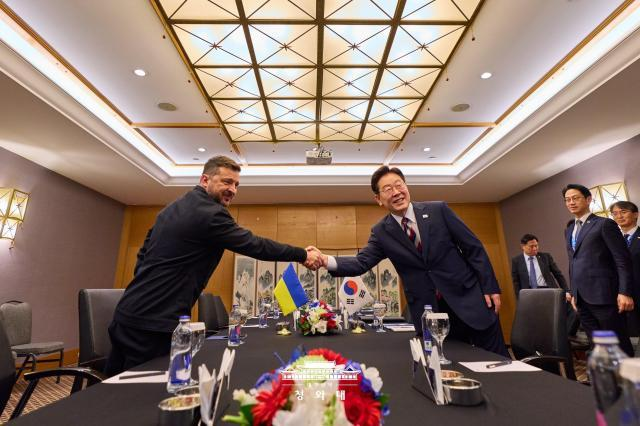
South Korea–Ukraine Rift Deepens Over North Korean POW Transfer as PURL Draws New Scrutiny
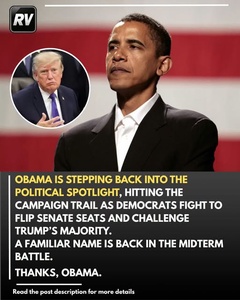
Obama Steps Back Into the Political Spotlight as Democrats Target Trump’s Senate Majority