
SENATE REJECTS LIMITS ON TRUMP'S IRAN STRIKES — $48 BILLION WAR COST SPARKS QUESTIONS!
SENATE REJECTS BID TO LIMIT TRUMP'S IRAN WAR POWERS IN 51–48 VOTE — AS AMERICA'S WAR BILL CLIMBS TO $48.3 BILLION
WASHINGTON, D.C. — NOVEMBER 20, 2026
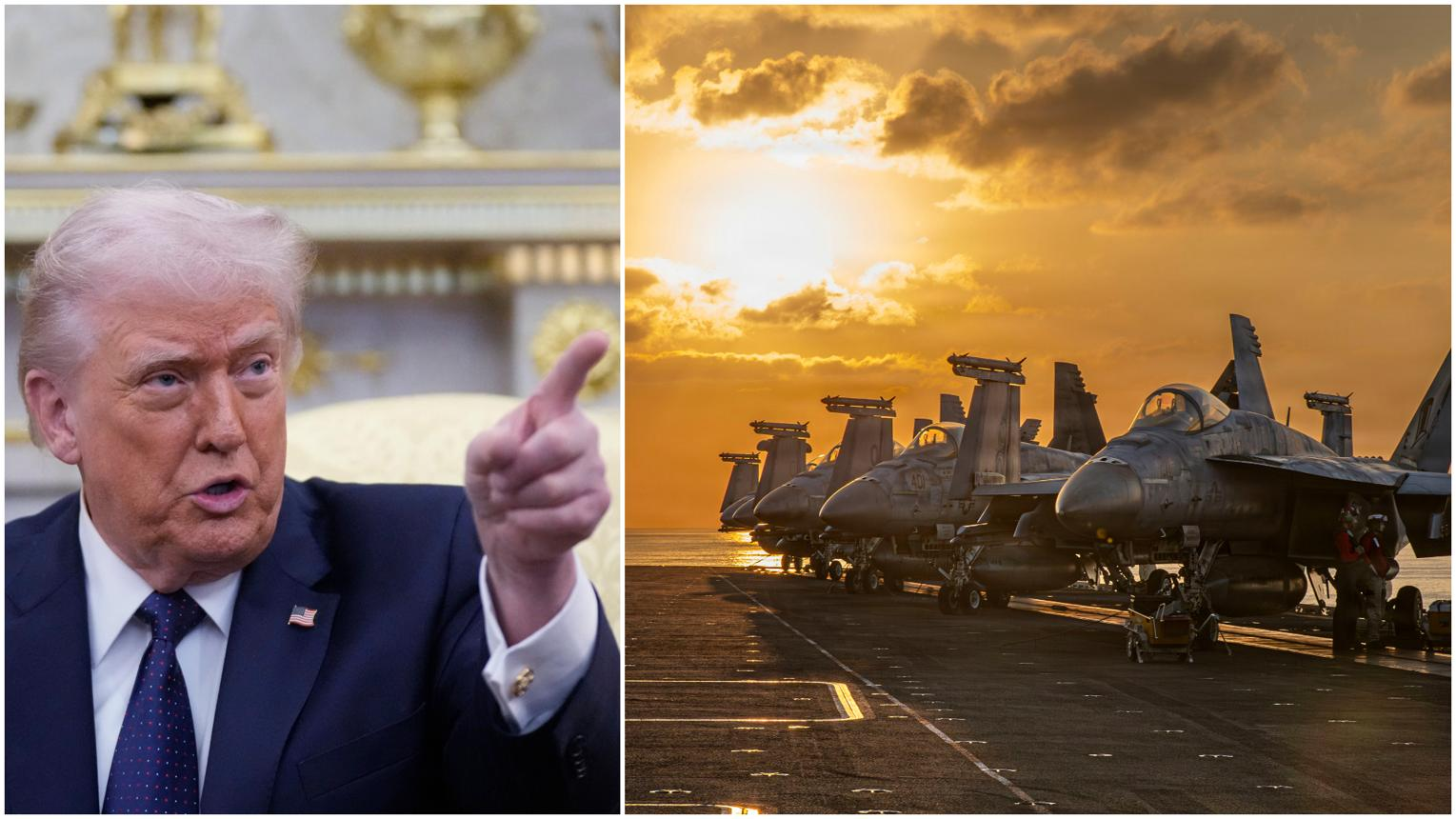
A divided U.S. Senate has rejected an attempt to restrict President Donald Trump's authority to continue military operations against Iran. The vote comes as the Pentagon acknowledges that the conflict has already cost an estimated $48.3 billion — and that the final bill could be considerably higher.
On Thursday, November 19, senators voted 51–48 against a war powers resolution that would have directed Trump to end U.S. involvement in hostilities with Iran or obtain congressional authorization to continue.
The legislation had already passed the House of Representatives, but it failed in the Senate after most Republicans voted against it.
The result came just weeks after the November 3 midterm elections, when Republicans suffered major losses amid public frustration over the conflict and its economic consequences.
Reuters+1
Two developments made November 19 particularly consequential: Congress failed to advance another attempt to constrain the president's war powers, while lawmakers received an updated account of the war's enormous financial cost.
What does the vote actually mean? Can Trump order further strikes? And how much of the financial burden could ultimately fall on American taxpayers?
The 51–48 Vote: Who Sided With Trump?
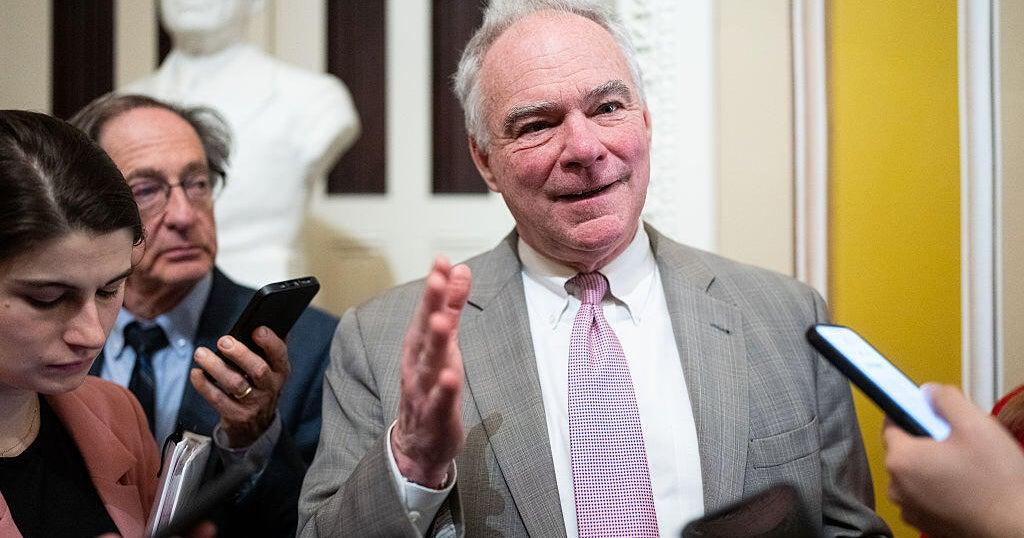
The Senate rejected H.Con.Res. 93, a resolution addressing American military involvement in hostilities with Iran.
The vote exposed divisions within both parties, although the majority of Republican senators supported the administration's position.
NOVEMBER 19, 2026 — SENATE VOTE
Against resolution
51
For resolution
48
Not voting
1
51 opposed48 supported
The vote concerned whether to adopt the war powers resolution, not a new authorization to attack Iran.
Three Republicans broke with most of their party to support the measure:
-
Susan Collins of Maine
Lisa Murkowski of Alaska
Rand Paul of Kentucky
Democratic Senator John Fetterman of Pennsylvania voted against the resolution. Senator Chris Murphy of Connecticut did not vote.
Middle East Monitor+1
The result demonstrated that opposition to the war crossed party lines, but not sufficiently to pass the measure.
What the Resolution Would Have Done
The proposal sought to direct the president to remove U.S. forces from hostilities with Iran unless Congress authorized their continued involvement.
It was based on the War Powers Resolution of 1973, which was designed to strengthen congressional oversight of military deployments.
But its legal effect would have been contested even if the Senate had approved it.
The Trump administration has argued that this type of concurrent resolution cannot constitutionally compel presidential action without going through the ordinary legislative process, including presentment to the president.
Supporters of the measure dispute that interpretation.
A similar resolution passed both chambers earlier in 2026, but the administration treated it as nonbinding.
The Washington Post+1
The November 19 vote therefore did not grant Trump new war powers. It defeated an attempt by lawmakers to limit the military operations already underway.
Why Some Republicans Broke With the President

The three Republican senators who supported the resolution joined Democrats in seeking greater congressional control over the conflict.
Their votes came amid growing concern over the duration of the war, the financial cost and the absence of a clearly defined endpoint.
Senator Tim Kaine of Virginia, who has repeatedly pressed for congressional action, argued that the November 3 election demonstrated public dissatisfaction with the conflict.
Other lawmakers defended the administration.
Republican Senator Tim Sheehy of Montana argued that the threat posed by Iran made continued military action necessary.
The disagreement reflected two competing positions: whether the president needs broad flexibility to respond to military threats, or whether a prolonged conflict requires a new and explicit decision by Congress.
The Washington Post+1
The Pentagon Reveals a $48.3 Billion War Bill
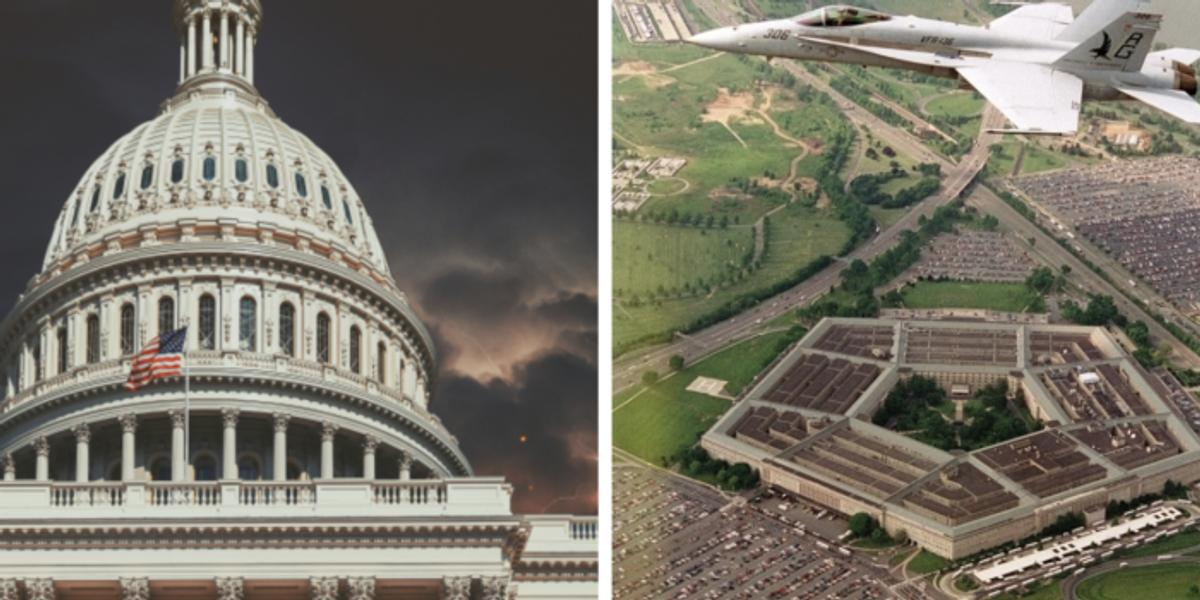
On the same day as the Senate vote, a Pentagon budget official disclosed that the estimated cost of the war had reached $48.3 billion as of November 13.
Arthur Miller provided the figure during a Senate Armed Services Committee hearing.
The estimate includes military operations and the replacement of equipment and munitions expended or lost during the conflict.
But it does not include a complete accounting of damage to American military installations across the Middle East.
Democratic Senator Richard Blumenthal pressed Miller for those additional figures. Miller said he did not have them available, and Republican committee chairman Roger Wicker directed him to provide an assessment as soon as possible.
The Washington Post
REPORTED U.S. IRAN WAR COST
$48.3 billion
Estimated through November 13, 2026
Included
Military operations, equipment and munitions replacement
Not fully included
Damage to U.S. bases and broader economic consequences
Source: Pentagon testimony reported by the Associated Press, November 19.
The disclosed total is therefore a substantial measure of the war's cost, but it should not be described as the complete final price.
How Quickly Have the Costs Increased?
Reported estimates of U.S. Iran war spending
Billions of U.S. dollars; estimates reflect different reporting dates.
015 T30 T45 T$60 TJuly 2026Late Oct. 2026Nov. 13, 2026
July estimate reported by Reuters; late-October estimate exceeded $47 billion, shown here at $47 billion for a conservative comparison. November estimate comes from Pentagon testimony.
Investing.com+1
The Pentagon's reported estimate was approximately $37.5 billion in July, exceeded $47 billion by late October and reached $48.3 billion by November 13.
That represents a rise of roughly $10.8 billion from the July figure.
Some of the largest expenses have involved replenishing munitions and replacing military equipment.
Reuters previously reported that the military's cost projections included more than $29 billion to replace expended munitions and more than $6 billion for equipment and platform losses.
Investing.com
Those figures illustrate why even periods of reduced fighting may not immediately end the financial burden.
The Hidden Cost: Damage to American Military Bases
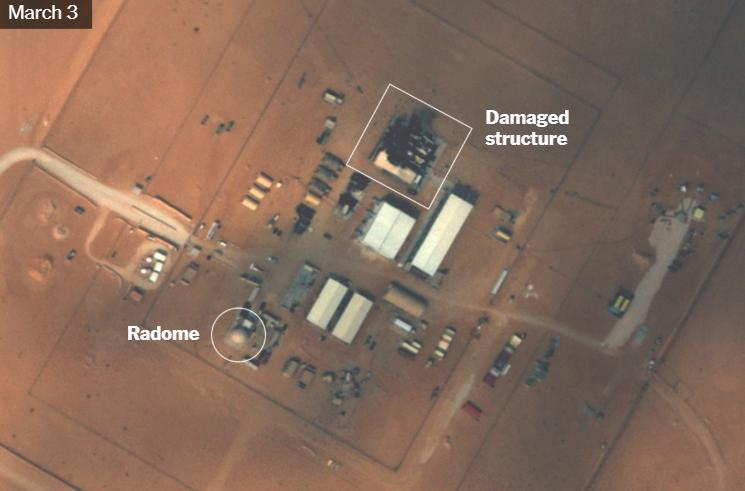
One of Congress's most pressing questions concerns damage caused by Iranian missile and drone attacks.
According to an Associated Press analysis, attacks affected American military facilities, including aircraft hangars, warehouses, troop housing and systems used to detect incoming threats.
The Pentagon's newly disclosed $48.3 billion estimate does not provide a complete assessment of the cost of repairing that damage.
At a separate hearing, acting Navy Secretary Hung Cao confirmed a reported estimate that maintaining the U.S. naval blockade of Iran costs approximately $32.5 million per day.
He was also questioned about damage to American facilities in Bahrain, but could not provide a complete repair assessment.
The Washington Post
That means additional expenses could emerge as repairs, equipment replacement and operational requirements become clearer.
What Does $48.3 Billion Mean for American Taxpayers?
The total is enormous, but it is important to distinguish government spending from a direct household bill.
The war does not create a separate $48.3 billion tax charge that is immediately divided among American families.
Instead, military expenditures are financed through federal resources, which can involve existing appropriations, additional borrowing or future budget decisions.
For perspective, consider the following illustrative calculation.
Illustrative war-cost comparison
Divide the reported $48.3 billion cost by a hypothetical number of U.S. households.
Households (millions)
130 million
Equivalent amount per household
$372
This is a scale comparison only — not an actual tax assessment or forecast of what households will pay.
The long-term fiscal consequences depend on how Congress funds the expenditures and what other budget priorities are affected.
Why the War Is Affecting Everyday Prices

The conflict's impact on American families extends beyond federal military spending.
Energy markets have faced disruptions and uncertainty because of fighting in the Middle East and threats to shipping routes.
Higher oil prices can influence gasoline, diesel, air travel and freight costs.
Businesses that face higher transportation or energy expenses may pass some of those costs on to consumers.
That can affect groceries, manufactured goods and services.
Reuters reported in October that the conflict's effects on global energy prices had contributed to public dissatisfaction with the administration's handling of the war.
Investing.com
However, not every increase in consumer prices can be attributed to Iran. Domestic supply conditions, wages, demand, tariffs and other economic policies also affect inflation.
The war can contribute to higher living costs without being the sole cause of inflation.
What Do Americans Think About the War?

The Senate vote followed a midterm election in which Republicans lost control of Congress.
The war and its economic consequences featured prominently in political debate.
A Reuters/Ipsos survey cited in November reporting found that 31% of Americans approved of the war.
Reuters
That measurement indicates limited public approval at the time of the survey, although it does not reveal why every respondent held their view.
Democrats argued that the election results strengthened the case for congressional intervention.
Republicans who opposed the resolution maintained that the administration needed the flexibility to address Iranian threats.
The political debate is therefore likely to continue even though this particular resolution failed.
What Happens When Democrats Take Control of Congress?

Democrats are scheduled to take control of both chambers of Congress in January 2027.
That could change the administration's relationship with lawmakers on military spending and oversight.
The incoming majority may pursue additional hearings, requests for classified briefings, new legislation or restrictions attached to funding measures.
Some Democrats have already raised the possibility of using government funding negotiations to pressure the administration over Iran.
A federal funding deadline in December creates another near-term point of contention.
Reuters+1
But congressional control does not automatically end a military operation.
Any binding legislative effort would still face constitutional questions, presidential opposition and potential veto considerations.
Can Trump Order More Strikes Against Iran?
The November 19 vote did not impose a new restriction on the president.
It also did not constitute a fresh congressional authorization for additional strikes.
The administration continues to assert broad authority over ongoing military operations, while opponents argue that prolonged hostilities require stronger congressional approval.
Those competing legal positions remain disputed.
Trump has separately indicated that he may wait until after the beginning of 2027 before making a decision about another major offensive.
That stated delay does not amount to a permanent commitment to avoid further strikes.
For now, the central uncertainty is whether the administration will pursue renewed military action, additional diplomacy or a combination of both.
The Real Debate: Security, Constitutional Power and the Cost of War

The Senate's 51–48 vote exposed a disagreement that reaches beyond one president or one military campaign.
Supporters of broad presidential authority argue that national security decisions sometimes require rapid military action.
Supporters of stronger congressional limits argue that a prolonged war should be subject to explicit democratic authorization and sustained oversight.
Both sides must also confront the financial reality.
The Pentagon now estimates that the conflict has cost at least $48.3 billion, excluding a complete accounting of damage to American bases.
At the same time, the economic effects of Middle Eastern instability are reaching Americans through energy prices and other household expenses.
The Senate has rejected this attempt to restrict Trump's Iran war powers. But the debate over who controls the conflict — and who ultimately pays for it — is far from over.
Should Congress have a greater say before the United States conducts additional strikes against Iran?
And should lawmakers demand a complete public accounting of the war's costs before approving further military funding?
AMERICA, WHAT DO YOU THINK? SHARE YOUR OPINION IN THE COMMENTS BELOW!
Comments (0)
Loading comments...
May You Like

WARNING: OVER 1 MILLION COULD LOSE POWER AND NEARLY 2 MILLION FACE WATER ALERTS ON THANKSGIVING!

PACIFICA PIER IN CALIFORNIA COLLAPSE REVEALS MASSIVE CRACK BENEATH THE OCEANs!

NYC EMERGENCY—MILLIONS FACE EVACUATION RISKS, MACY'S GIANT BALLOONS REMOVED FOR SAFETY!










Popular Posts


