
SENATE’S IRAN WAR VOTE SPARKS FURY OVER WHAT THE RESOLUTION COULD DO
WASHINGTON — NOV 20, 2026 — A Senate vote on the Iran war has renewed a long-running dispute over the respective powers of Congress and the president when American forces are engaged in fighting abroad.
The debate comes as lawmakers confront the human and financial costs of a conflict that began in February and has continued through repeated rounds of military action and negotiations.
For supporters and opponents of the measure, the central issue is not only whether Congress should challenge President Donald Trump’s policy but also what its chosen procedure could accomplish.
The Constitution gives Congress the power to declare war and names the president commander in chief, a division that has produced recurring disagreements over who may initiate or sustain military operations.
Congress passed the War Powers Resolution in 1973 after the Vietnam War, establishing consultation and reporting requirements intended to strengthen its role when U.S. forces enter hostilities.
The law also provides procedures through which lawmakers can bring measures on the use or withdrawal of forces to a vote, giving both chambers a way to register their positions.
Presidents and members of Congress have long disputed how the law applies in particular conflicts, including the scope of presidential authority and the operation of its withdrawal provisions.
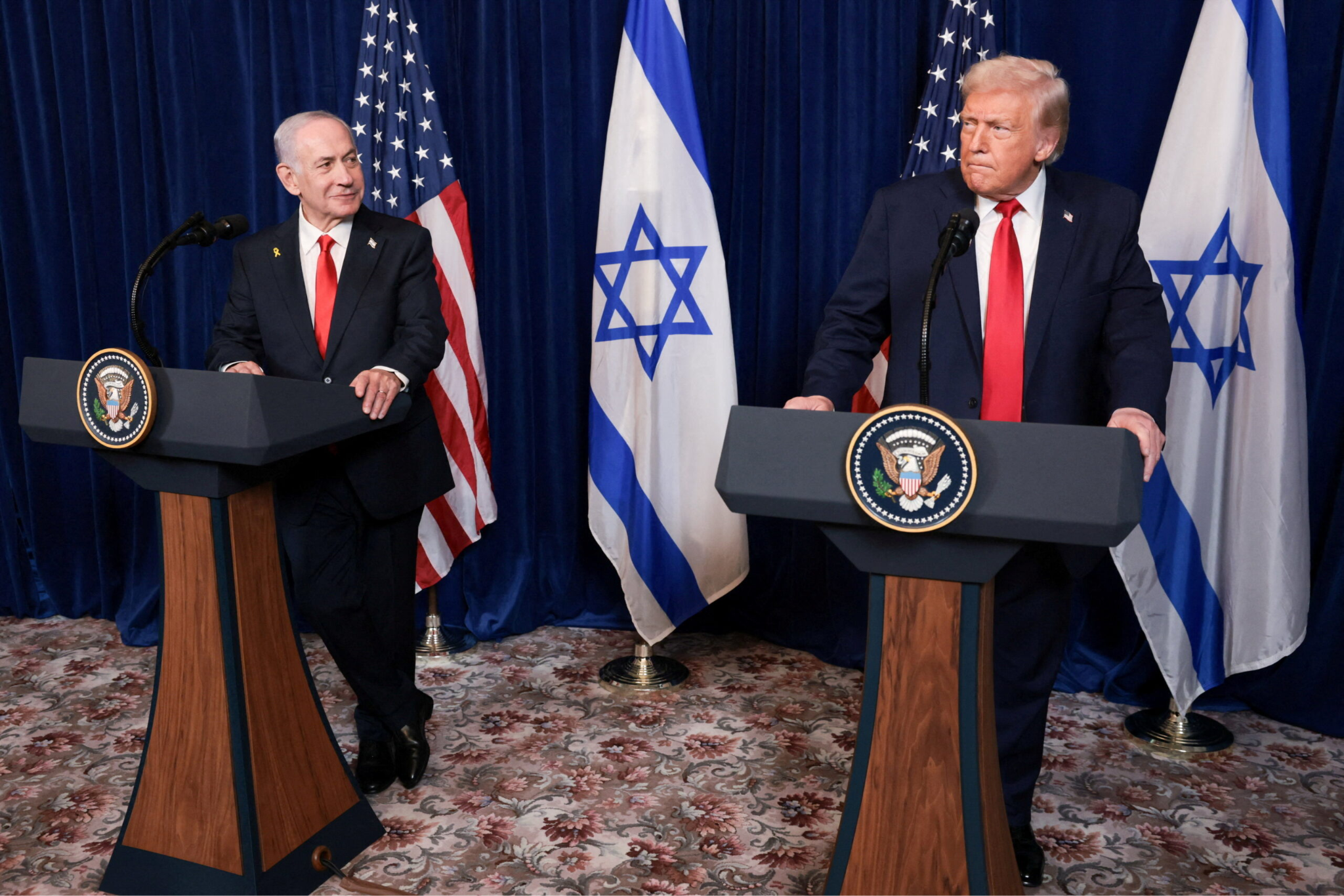
Since the U.S. and Israel began military operations against Iran on Feb 28, lawmakers have brought multiple proposals to the floor seeking to limit the American role.
The House adopted the latest measure in September, sending it to the Senate during a period when members of both parties were debating the war and its consequences.
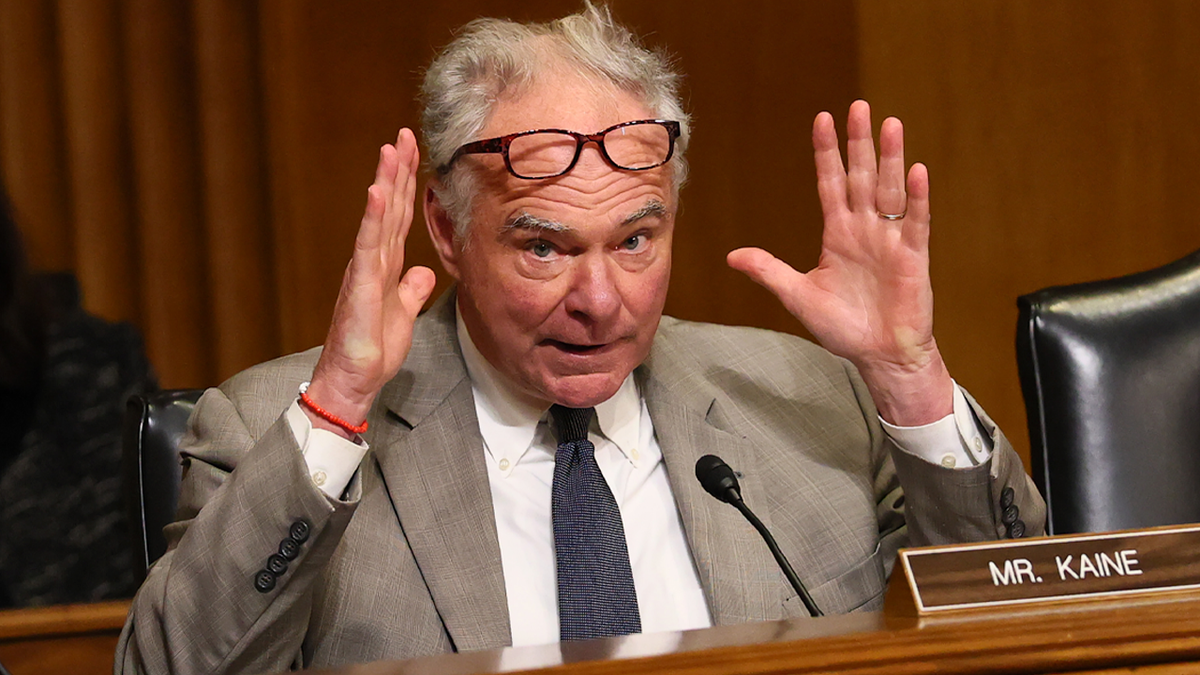
Senator Tim Kaine, a Virginia Democrat who has repeatedly pressed for votes on Iran, argued that Congress should exercise its constitutional responsibility over decisions to wage war.
Republican supporters of the administration have defended the president’s ability to respond to threats, while a smaller group of their colleagues has joined Democrats in seeking limits.
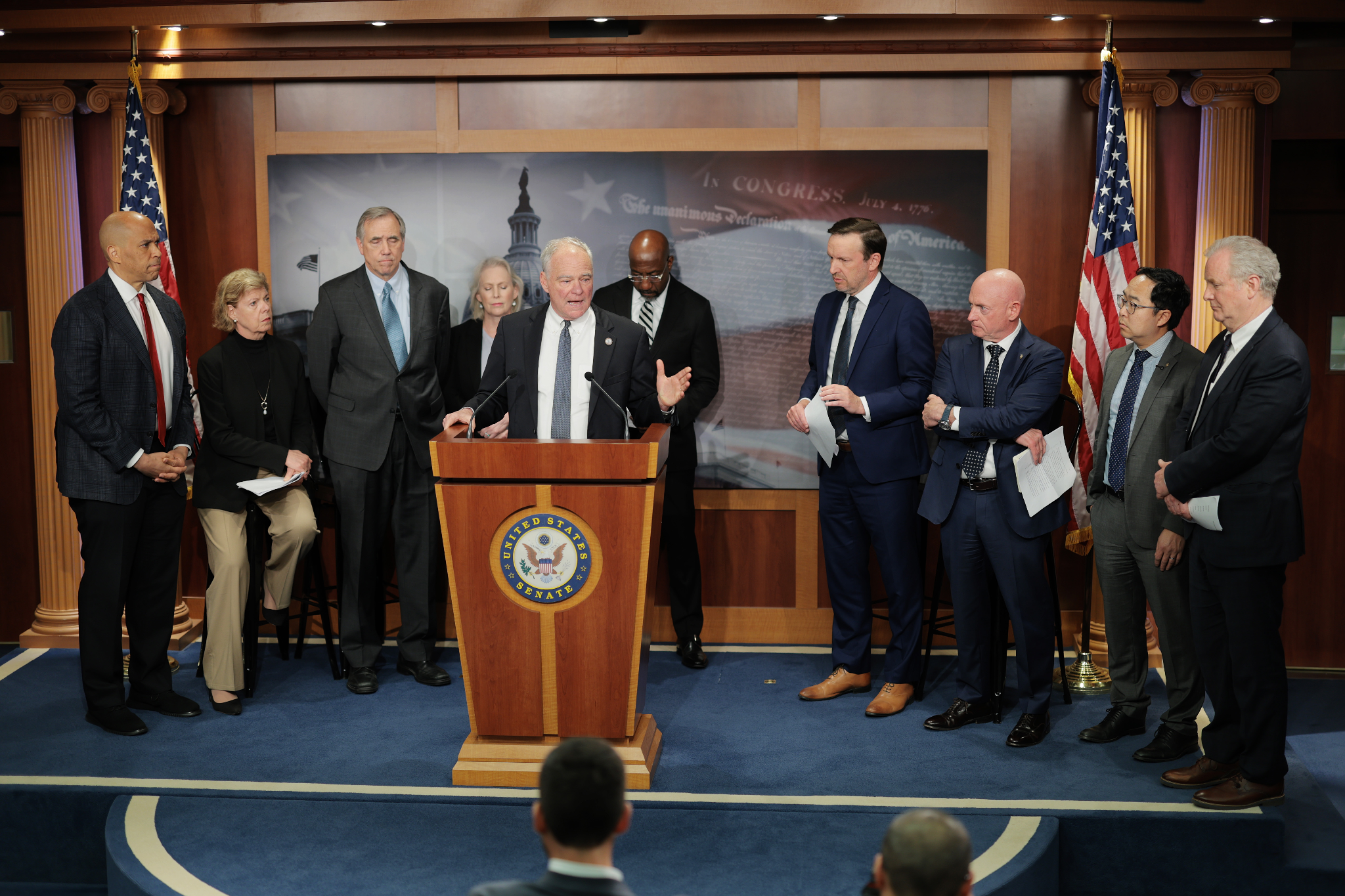
The debate has continued after Democrats won control of both chambers in the November elections, although the current Republican-led Congress remains in office until the new term begins.
On Nov 19, the Senate rejected the House-passed measure by 48 votes to 51, with Senator Chris Murphy, a Connecticut Democrat, recorded as not voting.
Republican Senators Susan Collins, Lisa Murkowski and Rand Paul supported it, while Senator John Fetterman of Pennsylvania was the only Democrat to vote against it.
The measure, H Con Res 93, sought to direct the president under section 5(c) of the War Powers Resolution to remove U.S. forces from hostilities with Iran.
It was a concurrent resolution, a form approved by both chambers to express a common position that is not sent to the president for a signature or veto.

Although the 1973 statute describes such a resolution as a means of directing withdrawal, its ability to impose a binding order faces a serious constitutional obstacle.
The Supreme Court’s 1983 decision in INS v Chadha struck down a one-house legislative veto, and the Congressional Research Service says the concurrent-resolution procedure is constitutionally problematic after that ruling.
Had both chambers adopted this measure, it would have expressed significant congressional opposition, but it would not have provided a clear, enforceable command capable by itself of ending the fighting.
Congress could pursue a bill or joint resolution to direct withdrawal or restrict funding, but those measures generally require presidential approval or sufficient votes in both chambers to override a veto.
Comments (0)
Loading comments...
May You Like

TRUMP'S NVIDIA STOCK DEALINGS — IS THERE ANY TRUTH TO THE $14 MILLION PROFIT CLAIM?

WARNING: OVER 1 MILLION COULD LOSE POWER AND NEARLY 2 MILLION FACE WATER ALERTS ON THANKSGIVING!

AMERICA'S LUCAS DRONE — A POTENTIAL GAME CHANGER IN THE SOUTH CHINA SEA?








Popular Posts




