Serbia and Hungary Deepen Ties as EU Border Disputes Fuel Debate Over Europe’s Political Future

Growing cooperation between Belgrade and Budapest is drawing attention as disagreements over migration, European Union rules and national sovereignty continue to shape the continent’s political landscape.
Across Central and Southeastern Europe, Serbia and Hungary are strengthening their partnership on border security, economic cooperation and regional diplomacy. Their closer relationship comes at a time when European governments remain divided over migration policy, the enforcement of EU law and the balance between national decision-making and shared European obligations.
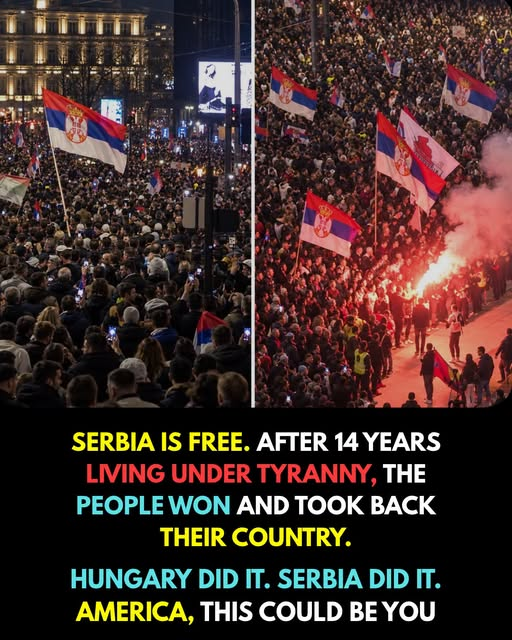
Viral posts have described the latest developments as a dramatic victory over Brussels, allegedly secured through economic pressure from Washington. However, the available official statements support a more measured conclusion: cooperation between Serbia and Hungary is real, but claims that European border penalties have been completely dismantled remain unverified.
A Partnership Built on Security and Shared Interests
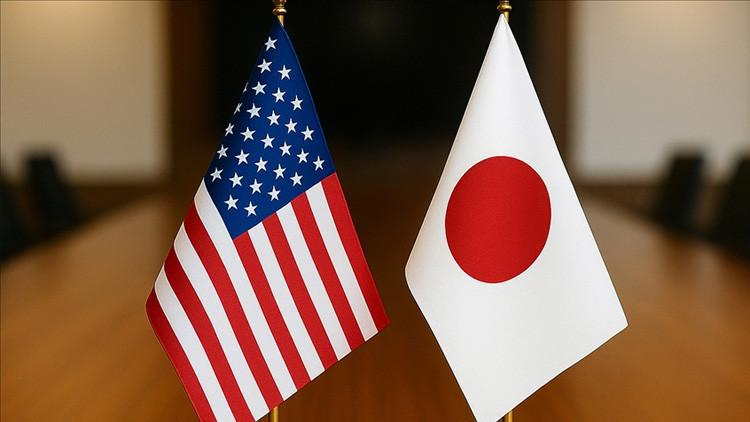
Serbia and Hungary have steadily expanded bilateral cooperation, particularly in security, energy, trade and infrastructure. In February 2026, the two governments signed a memorandum providing Hungarian expertise to support Serbia’s negotiations to join the European Union.
The agreement illustrates an important feature of their relationship: Hungary is an EU member, while Serbia remains a candidate country seeking membership. Budapest can therefore support Belgrade’s European integration while also advocating positions on EU policy that differ from those of other member states.
The two countries have also emphasized joint efforts to combat irregular migration, human smuggling and cross-border crime. In July 2026, officials from both countries discussed closer police cooperation and improved coordination along their shared border.
The Dispute Over EU Migration Rules
Migration policy remains one of the most contentious issues in Hungary’s relationship with Brussels. Hungarian authorities have long defended a restrictive approach to irregular migration, while EU institutions have challenged aspects of the country’s asylum and migration practices.
In September 2026, Euronews reported that Budapest and the European Commission were exploring whether allowing certain temporary migration laws to expire could help resolve the EU’s €1 million-per-day fine against Hungary. Experts cited in the report questioned whether that change alone would satisfy the requirements of the EU’s highest court.
That distinction matters. Discussions about a possible route toward resolving a fine are not the same as confirmation that the penalty has been canceled. As of the sources reviewed for this article, there is no substantiated basis for the viral post’s sweeping claim that all relevant border penalties have been dismantled.
What Role Is Washington Playing?
The United States has maintained diplomatic engagement with Serbia. In July 2026, Washington and Belgrade held their inaugural U.S.–Serbia Strategic Dialogue, publicly identifying cooperation on peace, security and prosperity as shared objectives.
However, a diplomatic dialogue does not establish that the U.S. government engineered changes to EU migration penalties or pressured Brussels into abandoning its legal position. Such a conclusion would require specific evidence, such as official agreements, documented negotiations or corroborated reporting.
For now, Washington’s diplomatic engagement and the Serbia–Hungary partnership are best understood as related elements of a wider regional relationship—not proof of a coordinated campaign that overturned EU policy.
Serbia’s European Path Remains a Central Question
Serbia’s relationship with the EU is more complicated than a simple contest between Brussels and national governments. Belgrade continues to pursue EU membership, while debates over reforms, democratic institutions, the rule of law and foreign policy remain important to the accession process.
Hungary’s support could provide Serbia with technical expertise and a sympathetic voice within EU discussions. Yet accession depends on a broader set of conditions and negotiations involving Serbia and EU institutions. The February memorandum itself was presented as assistance with that process, not as an exemption from EU requirements.
This creates a political balancing act for Belgrade: strengthening relations with Budapest while continuing to pursue its stated European integration goals.
Trade and Energy May Matter More Than the Headlines
Beyond the political rhetoric, economic cooperation is a significant part of Serbia–Hungary relations. The Serbian foreign ministry identifies trade, energy security, migration and minority issues as key pillars of bilateral ties.
Official Serbian statistics cited by the ministry put trade in goods between the two countries at approximately €3.4 billion in 2025. That economic relationship gives both governments practical reasons to maintain cooperation even when broader European politics become contentious.
For businesses and investors, the questions that matter most are concrete: whether cross-border transport becomes more efficient, whether energy projects move forward, and whether changing EU rules affect costs and market access. Political declarations can signal priorities, but measurable changes in policy and commerce will show whether the relationship produces lasting results.
What About the “Joint Declaration” Mentioned Online?
The social media caption urges readers to look for a newly released Serbian government joint declaration. The sources reviewed for this article do confirm earlier agreements and official statements supporting stronger cooperation between Serbia and Hungary. They do not, however, establish that a new declaration has abolished EU border penalties or confirmed a Washington-led policy reversal.
Readers should distinguish an official document from a social media description of that document. The most reliable starting points are the Serbian government’s official news portal and the Serbian Ministry of Foreign Affairs.
Until the alleged declaration can be identified and its text examined, the broader claims attached to it should be treated cautiously.
A Changing European Landscape—But No Confirmed Policy Earthquake
The closer Serbia–Hungary partnership reflects ongoing disagreements about migration, sovereignty and the future direction of European integration. It also demonstrates how regional alliances can influence political discussions without necessarily overturning existing laws or institutional decisions.
For Hungary, the immediate challenge is resolving its disputes with EU institutions. For Serbia, the challenge is maintaining strong regional partnerships while advancing its EU membership ambitions. For Washington, engagement with Belgrade offers another diplomatic channel in Southeastern Europe—but the effects of that engagement must be judged by documented agreements and outcomes.
The bottom line: Serbia and Hungary are deepening cooperation, and disputes over EU migration policy remain significant. But the viral narrative of a sudden, U.S.-engineered victory that erased European border penalties goes beyond what the available evidence establishes. The next meaningful developments will be the publication of verifiable official documents, formal decisions on the outstanding EU penalties, and tangible changes in cross-border policy.
Comments (0)
Loading comments...
May You Like


Trump Repeats Claim That a Doctor Ranked Him the Healthiest—But the Record Needs Context
Trump Appears to Quietly Change His $5,000 Check Promise
Latest Posts


Popular Posts