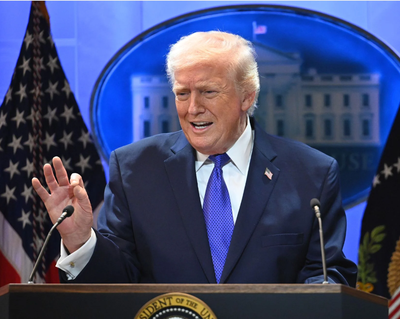
SHOCKING ELECTION STUNNER! Early voting numbers release in Virginia. Read the story. #USPolitics
Virginia Early Voting Surge Sends Shockwaves Through the Political Landscape — What the Latest Numbers Reveal

Virginia is emerging as a major political battleground as early voting accelerates ahead of the November 3, 2026, midterm elections. Newly reported figures show a substantial increase in ballots cast compared with the same stage of the 2022 election cycle, raising fresh questions about voter enthusiasm, competitive congressional races, and the political forces shaping the national landscape.
As of October 26, approximately 1.11 million ballots had been cast in Virginia through early in-person voting and returned mail ballots, according to a tracker compiling election-office data. The pace is significantly higher than at comparable points in the 2022 midterm cycle, making Virginia one of the states attracting heightened attention from political observers.

The increase is particularly noteworthy because Virginia features several competitive congressional contests that could influence the balance of power in Washington. Both major parties are working to mobilize their supporters, persuade undecided voters, and turn enthusiasm into ballots before Election Day.
However, high turnout does not automatically mean one party is winning. Early voting totals measure participation, not the final outcome, and Virginia does not officially publish the party affiliation of voters casting early ballots. Any estimate of the partisan breakdown must therefore be treated separately from verified state election statistics.
The latest figures suggest that voters are responding strongly to the midterm campaign season. The reasons may include competitive races, concerns about the direction of the country, greater familiarity with early voting, and extensive organizing by candidates and political groups.

Virginia's political geography makes the numbers especially important. Northern Virginia's densely populated communities, including Fairfax and Loudoun, contribute substantial numbers of ballots, while other parts of the state have different political traditions and voting patterns. The distribution of participation across these areas can help campaigns identify where voter engagement is strongest.
Fairfax County recorded the largest number of early ballots in the October 26 county-level tracker, followed by other populous localities including Chesterfield, Loudoun, and Prince William. These totals show where participation is concentrated, but they do not establish which candidates those voters supported.
The distinction matters because political campaigns often use early turnout as an indicator of organizational strength. A surge in voting can signal that campaigns are successfully reaching voters, yet the final result also depends on Election Day participation, the preferences of those voters, and how many ballots are ultimately counted.

Democrats are hoping strong participation in urban and suburban communities will translate into victories in competitive districts. Their campaigns have emphasized voter mobilization and the importance of congressional control, while seeking to attract voters concerned about healthcare, the economy, federal spending, and the Trump administration's policies.
Republicans, meanwhile, are working to turn out their own supporters and defend vulnerable seats. Their campaigns have focused on economic concerns, border security, public safety, and opposition to Democratic priorities. Both parties recognize that relatively small changes in turnout can influence closely contested races.
The national implications extend beyond Virginia itself. Control of Congress can determine the fate of legislation, federal spending decisions, oversight investigations, and the extent to which the president's agenda advances without significant resistance.

For that reason, campaign strategists are studying early participation patterns closely. They are examining which counties are producing the most ballots, how turnout compares with previous elections, and whether competitive districts are showing signs of heightened engagement.
Still, analysts caution against treating early voting as a reliable prediction of the final result. Voters who cast ballots early may differ from those who wait until Election Day, and turnout patterns can change as campaigns intensify their final efforts. A high early-vote total alone cannot establish which party will prevail.
Virginia's voting system also makes it essential to distinguish ballots requested from ballots actually cast. Mail ballots that have been requested but not returned do not count as completed votes. Similarly, the number of ballots cast before Election Day does not represent the total number of votes that will ultimately be counted.

The latest data also highlight the importance of comparing election cycles carefully. Presidential elections and midterm elections often produce different turnout patterns, while changes in voting habits and campaign competitiveness can affect the pace of early participation. Comparisons are most useful when they account for the number of days remaining before Election Day.
For voters, the surge offers another reminder that early voting can provide flexibility and reduce the need to visit polling places on Election Day. Virginia's early-voting period gives eligible residents an opportunity to participate before November 3, subject to the state's applicable rules and deadlines.
The growing number of ballots also increases the importance of accurate election information. Voters should rely on official election authorities for polling locations, eligibility requirements, mail-ballot instructions, and deadlines rather than unverified social media posts or partisan interpretations of turnout data.

Political messaging surrounding the figures is likely to intensify as Election Day approaches. Each party has an incentive to frame strong turnout as evidence that its supporters are energized, but such claims should be evaluated against actual results and reliable data rather than campaign rhetoric.
The photograph accompanying this story features prominent political imagery and a map highlighting Virginia's electoral geography. Such graphics can help illustrate the state's importance, but they should not be mistaken for official election results or proof that a particular party is leading among early voters.
The most important development is the scale of participation itself. More than one million ballots had already been cast by October 26, according to the available tracker, with Election Day still ahead. The final turnout figure will depend on additional in-person voting, returned mail ballots, and the state's official counting and reporting processes.

As the final days of the campaign unfold, candidates will continue focusing on persuadable voters and supporters who have not yet cast ballots. The ability to convert campaign enthusiasm into actual votes may prove decisive in the closest contests.
The results will ultimately provide a clearer picture of whether the early participation surge benefited Democrats, Republicans, or both. Until ballots are counted and official results are reported, claims of a political upset remain premature.
Virginia's early-voting numbers have undoubtedly become a major talking point in the 2026 midterm campaign. But the real political story will emerge on Election Day, when participation figures give way to verified vote totals and the country learns which candidates have earned the support of the electorate.
Fact-check note: The latest available tracker reports 1,108,795 ballots cast as of October 26, 2026. Virginia does not officially report early ballots by party, so claims that the numbers prove a Democratic or Republican advantage should be treated cautiously.
Comments (0)
Loading comments...
May You Like



Latest Posts






Popular Posts