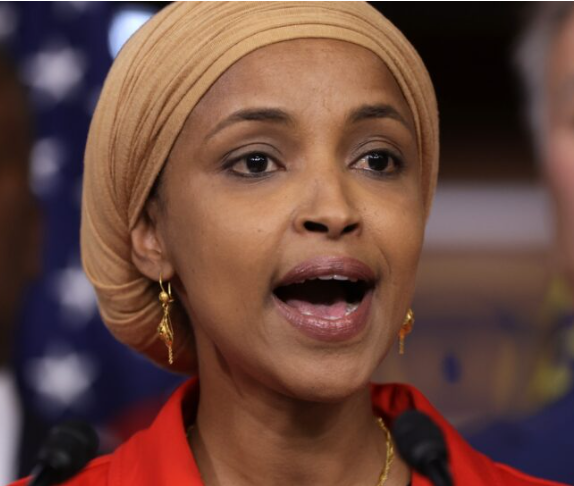
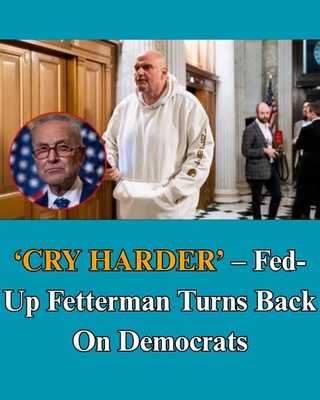
SHOCKING FEDERAL PROBE! Trump says Omar could face jail or deportation. Read the story. #USPolitics
Trump Security Scare: Federal Agents Move Quickly as Threat Investigations Raise New Questions


Washington, D.C. — October 26, 2026
The safety of President Donald Trump is once again drawing national attention after federal authorities disclosed investigations and arrests involving alleged threats against the president. The developments have renewed questions about presidential security, the role of federal law enforcement, and the growing risks associated with threats made online.
The reports have circulated amid an increasingly tense political atmosphere in the United States, where public officials face intense scrutiny and security teams must assess potential dangers from multiple sources.
On October 2, federal authorities in Alabama announced the arrests of three individuals accused of making threatening communications directed at the president. The operation involved the FBI, the U.S. Secret Service, federal prosecutors, and several local law enforcement agencies.
The coordinated arrests demonstrated how federal and local authorities can work together when potential threats against a sitting president are identified. Investigators did not treat the alleged communications as something that could simply be dismissed as political rhetoric.
Authorities have not publicly established that these arrests were connected to a single coordinated plot to attack Trump. Each allegation must be evaluated on its own evidence, and an arrest does not by itself establish guilt.
A separate case emerged in Alabama later in October, when a woman was federally charged over an alleged threat to shoot Trump in connection with his attendance at a college football game earlier that month. The case highlighted how threats posted on social media can lead to criminal investigations even when they are made outside a physical security perimeter.
According to the reported allegations, investigators examined a social media post made before the president's scheduled appearance. Federal authorities subsequently located and arrested the woman.
The case underscores a major challenge for presidential protection teams: identifying potentially credible threats before they develop into real-world violence. Investigators must assess the wording of a threat, the circumstances surrounding it, the identity of the person responsible, and any evidence suggesting an ability or intention to act.
That process requires more than simply monitoring public statements. It can involve reviewing digital evidence, interviewing witnesses, coordinating with local police, and determining whether conduct meets the legal standard for criminal charges.
The Secret Service plays a central role in protecting the president, while the FBI investigates a broad range of federal crimes, including threats against national leaders. Depending on the circumstances, federal prosecutors and local authorities may also become involved.
Despite the dramatic language used in some online headlines, the public information available does not establish that federal agents rushed to prevent an immediate attack on Trump in the specific incident suggested by the image.
That distinction matters. Confirmed arrests and criminal charges are significant developments, but they do not automatically mean that an assassination attempt was underway or that the president was moments away from harm.
Security arrangements for a U.S. president are also designed to operate before a threat becomes an emergency. Protective teams assess locations, review access routes, coordinate with law enforcement, and adjust security measures when circumstances warrant.
Presidential motorcades, controlled access areas, advance security teams, and intelligence assessments are all parts of a broader protective system. Much of this work happens out of public view, making it difficult for outsiders to determine the seriousness of an incident from a short video or photograph alone.
The latest cases also raise questions about the consequences of threatening political figures online. Social media allows messages to spread rapidly, but it can also provide investigators with evidence that helps establish the context and origin of an alleged threat.
Federal authorities have repeatedly emphasized that threats against public officials can carry serious legal consequences. At the same time, criminal allegations must be handled through established legal procedures, with defendants presumed innocent unless proven guilty.
For Trump, security concerns come against the backdrop of a presidency marked by deep political divisions and intense public attention. Any reported threat involving the president can quickly become a major national story, particularly when the details are still emerging.
That attention can create fertile ground for misleading headlines. Words such as “breaking,” “life in danger,” and “feds rush in” can suggest an unfolding emergency even when the underlying facts describe an investigation or an arrest that has already occurred.
Readers should therefore distinguish between an official announcement, a reported allegation, and speculation about what might have happened behind the scenes. Confirming the timing, location, nature of a threat, and response by authorities is essential before drawing conclusions.
As investigations proceed, additional information may clarify the evidence behind the allegations and whether any broader security concerns exist. Until officials provide further verified details, claims of a new, immediate threat to Trump's life should be treated cautiously.
For now, the confirmed cases show that federal authorities are continuing to investigate alleged threats against the president and pursue cases they believe warrant criminal action. They do not, on their own, prove that a new assassination attempt is imminent.
The larger issue remains clear: protecting a president requires constant vigilance, careful intelligence work, and a measured response to credible threats. In an era when alarming claims can spread worldwide within minutes, accurate reporting is just as important as rapid law enforcement action.
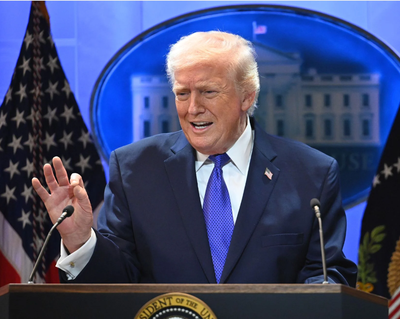
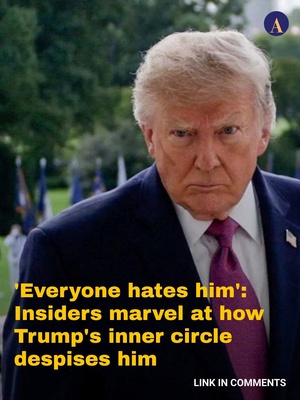
Editorial note: The photographs above are illustrative images of Trump, presidential security, and federal law enforcement. They are not presented as photographs of a specific threat or operation described in this article.
Comments (0)
Loading comments...
May You Like
Latest Posts










Popular Posts