
SHOCKING LEGAL MELTDOWN
JUDGE BLOCKS TRUMP’S WHITE HOUSE BAN ON CNN, MS NOW AND POLITICO, CITING FIRST AMENDMENT CONCERNS
A federal judge says the three news organizations are likely to prove that the administration retaliated against their reporting and denied journalists due process.
A federal judge has blocked President Donald Trump’s attempt to bar journalists from CNN, MS NOW and Politico from the White House, delivering a major setback to the administration in its escalating conflict with news organizations. The ruling keeps reporters from the three outlets eligible to enter the White House while their legal challenge continues.
U.S. District Judge Timothy Kelly said the outlets are likely to succeed in arguing that the revocation of their press credentials violated both the First Amendment and the Fifth Amendment. His decision places press freedom and the limits of presidential control over media access at the centre of a closely watched constitutional dispute.
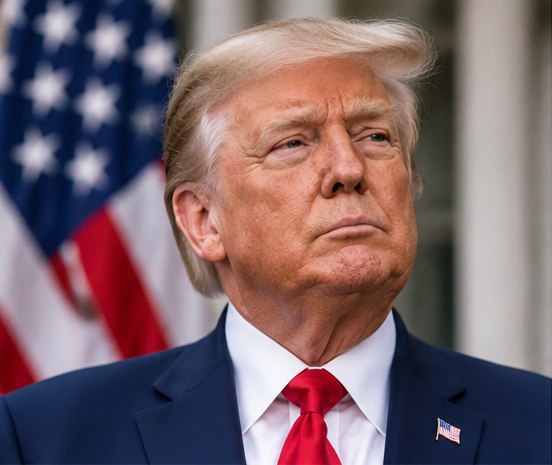
The ban that set off a constitutional fight
President Donald Trump’s effort to bar journalists from CNN, MS NOW and Politico from the White House has been blocked by a federal judge, who concluded that the news organizations are likely to show that the administration violated constitutional protections.
The decision, issued by U.S. District Judge Timothy Kelly on October 13, grants the outlets a preliminary injunction. It requires the administration to maintain their journalists’ White House access while the lawsuit proceeds, rather than allowing the ban to take effect during the litigation.
Kelly’s ruling is significant because it addresses not only the process used to revoke the reporters’ credentials but also the possibility that the president acted to punish news organizations for coverage he disliked.
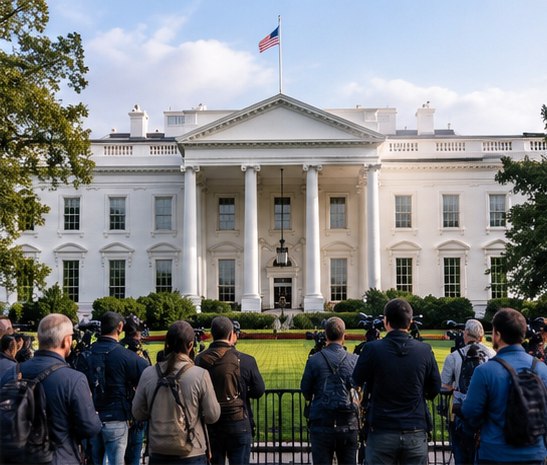
How the dispute began
The confrontation began on September 18, when Trump announced that CNN, MS NOW and Politico should no longer be allowed on White House grounds, accusing them of repeatedly publishing what he called fake news and false or negative reporting.
The following day, journalists from the three organizations arrived at the White House and were turned away. Their hard-pass credentials were taken, preventing them from entering the complex in the same way as other credentialed reporters.
The outlets filed suit on September 21, arguing that the decision retaliated against them because of their reporting and denied their journalists basic procedural protections. They said the ban violated the First Amendment’s safeguards for freedom of speech and the press, as well as the Fifth Amendment’s guarantee of due process.
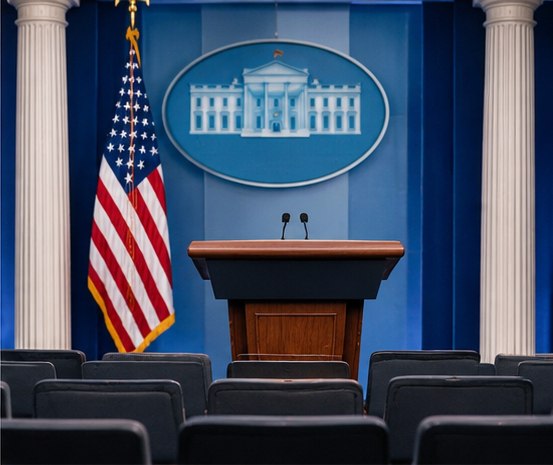
What the judge found
In his 26-page decision, Kelly concluded that the plaintiffs were likely to succeed on both their First Amendment and Fifth Amendment claims. He wrote that revoking the press passes in response to reporting the administration disliked could deter a reasonable journalist or news organization from publishing critical stories.
The judge also stressed the practical importance of access. A White House hard pass allows reporters to cover events, observe developments first-hand and seek information from officials. Losing that access, he said, materially affects how journalists can do their jobs.
Kelly found the administration’s stated national-security rationale unpersuasive on the record before him. The government had identified stories it considered inaccurate or dangerous, but the judge said it had not provided factual support showing that revoking the outlets’ credentials would protect national security.
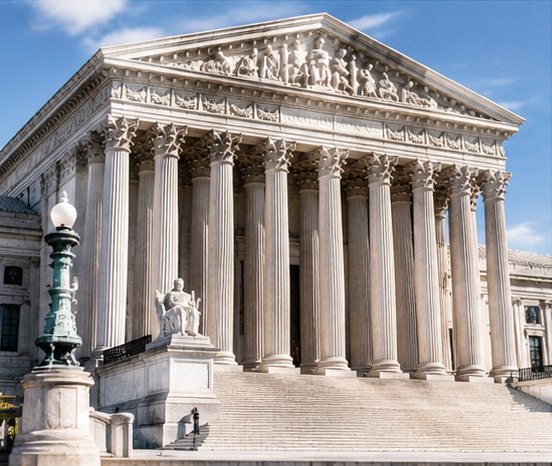
The administration’s argument
The White House and Justice Department defended the president’s authority to determine access to the executive residence and argued that the outlets’ reporting had violated standards of professionalism and raised security concerns.
Officials sent letters identifying articles and reporting episodes they said were problematic. The administration pointed to coverage involving security-related construction details, a leak investigation and reporting about White House plans and government briefings.
But the judge questioned whether those explanations matched the president’s own public statements. Trump had initially justified the ban by attacking what he described as negative and false coverage, while national security became a more prominent explanation later in the dispute.
Kelly also observed that some of the reporting cited by the administration appeared to be ordinary journalistic work, including stories based on briefings organized by the White House itself. The decision said the government had not adequately connected the cited coverage to a genuine security threat.
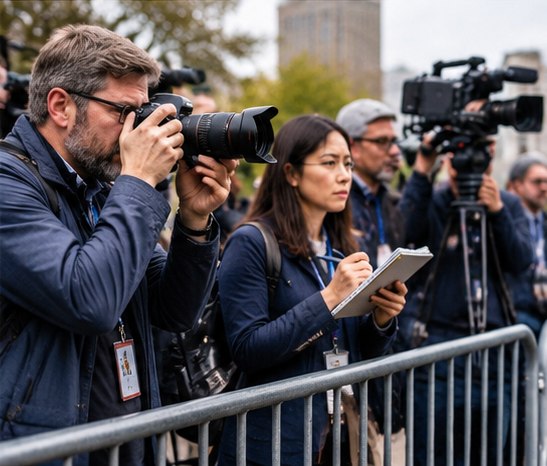
A wider debate over press freedom
The case has revived a longstanding constitutional question: how far can a president go in controlling which journalists may enter the White House? The government has legitimate responsibilities to protect security and manage access, but those powers do not automatically permit officials to punish news organizations because of their editorial viewpoints.
The First Amendment does not guarantee every reporter unrestricted access to every government space or event. Courts have nevertheless required the White House to use clear, fair and viewpoint-neutral rules when granting or revoking press credentials.
The dispute also recalls earlier clashes between Trump and the press, including the 2018 fight over CNN correspondent Jim Acosta’s hard pass. In that episode, a federal judge ordered the credential restored after finding that the White House had not followed adequate procedures.
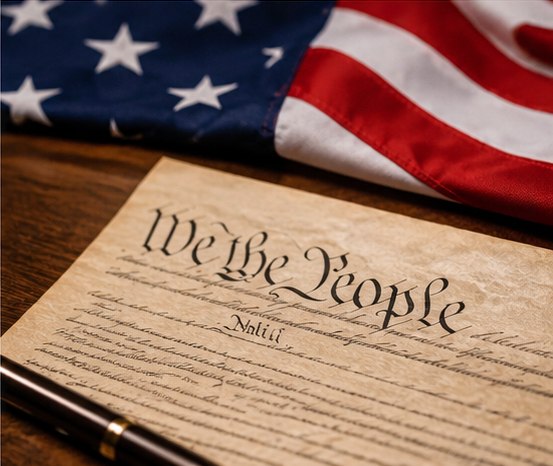
The implications for the White House press corps
The ruling matters beyond the three organizations named in the lawsuit. If a president could remove reporters from the White House simply because their coverage was described as unfair or negative, other newsrooms might fear that critical reporting could cost them access.
That possibility could influence editorial decisions even without an explicit demand to change a story. Journalists might hesitate before pursuing sensitive subjects, publishing unflattering findings or asking difficult questions if they believed their credentials could be withdrawn in retaliation.
The case has also exposed tensions over the White House press pool, the rotating system through which a small group of journalists provides coverage and video to other news organizations. The court’s order concerns the outlets’ access to the White House grounds; it did not resolve every separate dispute over participation in the rotating broadcast pool.
What happens next
The Justice Department is appealing Kelly’s decision, leaving the constitutional dispute far from over. The preliminary injunction preserves the reporters’ access while the case moves through the courts, but it is not a final judgment resolving every issue in the lawsuit.
For now, CNN, MS NOW and Politico can continue reporting from the White House under the protection of the court order. The administration remains free to pursue its appeal and defend its position through the legal process.
At the centre of the case is a principle larger than any single president or newsroom: government officials cannot use control over access to punish journalists for the viewpoints expressed in their reporting. The courts will now determine how firmly that principle applies to the White House’s credentialing system.
Comments (0)
Loading comments...
May You Like


KUWAIT DRONE ATTACK SPARKS TENSION BETWEEN ISRAEL, THE U.S AND IRAN

TOLEDO I-75 TRUCK CRASH — POTENTIAL BRIDGE COLLAPSE AND MILLIONS IN DAMAGE!

Latest Posts









Popular Posts



