SHOCKING SECURITY ALERT! Feds rush in amid a massive new threat. Read the story. #USPolitics
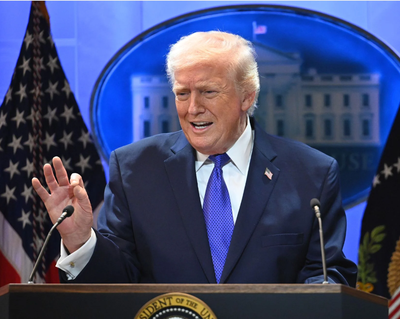
Trump Fires Back as Democrats Close In: Why the 2026 Midterms Could Become a Defining Battle for Washington


Washington, D.C. — October 26, 2026
The political battle surrounding President Donald Trump is entering a critical phase as Republicans and Democrats prepare for the November 3 midterm elections. With control of Congress at stake, both parties are fighting to shape the national conversation, energize their supporters, and convince voters that they deserve the power to determine America's next political chapter.
A dramatic online headline claims that Trump has won and that Democrats were wrong to believe they had him cornered. But the reality is more complicated: the 2026 midterm elections have not yet taken place. What has emerged is a high-stakes political contest in which Trump's influence remains substantial, even as his administration faces growing public criticism.
Trump's position inside the Republican Party remains one of the defining forces in American politics. His endorsements can reshape primary contests, influence campaign strategy, and pressure Republican lawmakers who disagree with his priorities. Even when his national approval ratings weaken, his ability to mobilize loyal supporters remains a major political asset.
That influence was evident in Indiana, where Trump backed challengers against seven Republican state senators who had opposed his redistricting plan. Five of his endorsed challengers won their primaries, reinforcing the message that breaking with Trump can carry political consequences within the Republican Party.
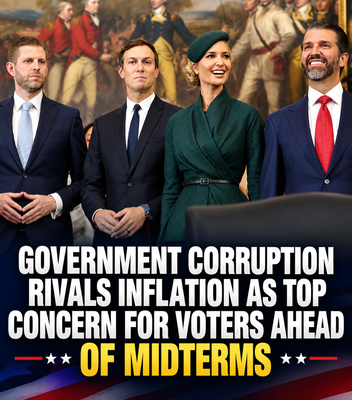
For Democrats, however, the road to electoral gains may be opening. Recent polling has shown growing dissatisfaction with Trump's performance and an advantage for Democrats in the contest for control of the House of Representatives. Concerns about inflation, household expenses, and the country's direction are emerging as important factors in voters' decisions.
The economic debate could prove especially consequential. Families are paying close attention to everyday costs, including housing, groceries, energy, and health care. When voters feel financially squeezed, they often judge the party controlling the White House more harshly, regardless of how effectively that party communicates its accomplishments.
Democrats are attempting to turn those frustrations into a broader argument about accountability. Their strategy centers on the claim that Congress should serve as a meaningful check on presidential power, particularly when administration policies remain controversial or generate legal and political disputes.
Republicans, meanwhile, are working to frame the election as a choice between continuing Trump's agenda and returning power to Democratic lawmakers whom they accuse of obstructing the administration. Their challenge is to persuade voters that the president's policies will produce results that justify keeping Republican majorities in Congress.
The outcome matters because the House and Senate perform different roles. A Democratic victory in the House could give the party control of committees, greater investigative authority, and more opportunities to demand testimony from administration officials. It could also allow Democrats to advance legislation designed to challenge Trump's policies, even when those bills face little chance of becoming law.
A Democratic-controlled Senate would create a different set of challenges for the White House. The chamber plays a central role in confirming cabinet officials, ambassadors, and federal judges. A shift in control could slow or block some nominations and give Democratic senators greater influence over the legislative agenda.
Yet even a major Democratic victory would not automatically end Trump's ability to govern. The president retains the power to veto legislation, while Senate procedures can make it difficult for either party to pass major bills without broader support. The separation of powers means that winning Congress and controlling the presidency are not the same thing.
This is one reason the phrase “Trump wins” can be misleading when applied to the current political moment. Trump can score victories in party primaries, influence congressional candidates, and rally his political base without having secured a victory in the upcoming midterm elections.
The same distinction applies to claims that Democrats have already lost. Favorable polling does not guarantee a Democratic victory, just as Republican enthusiasm does not guarantee that the party will retain both chambers. Turnout, competitive district races, candidate quality, and late-breaking developments could all affect the final results.


The political atmosphere has also become more complicated because Trump's personal popularity and his influence over Republican candidates do not always move in the same direction. A president can remain highly influential among party loyalists while facing resistance from independent voters and Americans dissatisfied with the economy.
That tension presents a difficult calculation for Republican candidates in competitive districts. Aligning closely with Trump can energize his core supporters and attract campaign resources, but it can also make it harder to appeal to voters who are unhappy with the administration. Candidates must decide how closely to tie their own campaigns to the president.
Democrats face their own strategic challenge. Winning seats by campaigning against Trump may help mobilize voters in the short term, but voters will also expect concrete proposals on costs, employment, health care, and economic security. Opposition alone may not be enough to sustain political momentum after Election Day.
The stakes extend beyond the immediate contest for congressional seats. The next Congress will confront budget negotiations, government funding deadlines, and questions surrounding the national debt. A divided government could produce prolonged confrontations, while narrow majorities could make even routine legislation difficult to pass.
The election will also shape the political environment heading toward 2028. Every congressional victory or defeat will influence how both parties assess their candidates, refine their messages, and prepare for the next presidential campaign. Trump's ability to shape the Republican Party will remain a central question, regardless of which party wins control of Congress.
For now, there is no confirmed midterm-election victory that supports the claim in the viral headline. Instead, the available evidence points to a competitive political landscape: Trump continues to exercise considerable influence over Republican politics, while Democrats see an opportunity to capitalize on voter dissatisfaction and regain congressional power.
The coming days will test whether Trump's political strength can overcome the headwinds facing his party or whether Democratic momentum can translate into actual seats. Polls offer clues, but only verified election results will determine who controls the House and Senate.
One thing is certain: neither party can afford to underestimate the other. Republicans must defend narrow congressional majorities, while Democrats must convert voter frustration into victories across individual races. The outcome will depend on millions of decisions made by voters, not on the confidence of either party's campaign rhetoric.
As Election Day approaches, the real question is not whether Trump has already won or whether Democrats have already defeated him. It is whether his continued dominance of Republican politics will be enough to protect his party's congressional power—or whether voters will deliver a new balance of power in Washington.
The final verdict is still ahead. November 3 will determine whether Trump and the Republicans hold their ground or whether Democrats gain the congressional leverage they have been fighting for.
Comments (0)
Loading comments...
May You Like


Latest Posts





Popular Posts