
SHUTDOWN UNCOVERS A CHILD AND ORGAN TRAFFICKING NETWORK: ALI MEAT INTERNATIONAL IN ORLANDO
SHUTDOWN UNCOVERS A CHILD AND ORGAN TRAFFICKING NETWORK: ALI MEAT INTERNATIONAL IN ORLANDO
ORLANDO, Florida — November 24, 2026 — Florida authorities have shut down an Orlando slaughterhouse and arrested six workers following a lengthy criminal investigation into allegations of aggravated animal cruelty, including recorded evidence of an employee directing a young child to participate in the slaughter of livestock.
Ali Meat International LLC, a meat processing establishment on Dean Road in eastern Orange County, became the focus of the investigation after authorities received recordings documenting activities inside the facility during a public slaughter event in June 2025.
Florida Attorney General James Uthmeier and Agriculture Commissioner Wilton Simpson announced the charges on Monday, November 23, three days after agricultural law enforcement officers executed a warrant at the business.
The investigation has since expanded beyond the immediate enforcement operation, with officials examining the responsibilities of management, the conduct of employees and the circumstances under which members of the public were allowed to participate in activities inside the establishment.
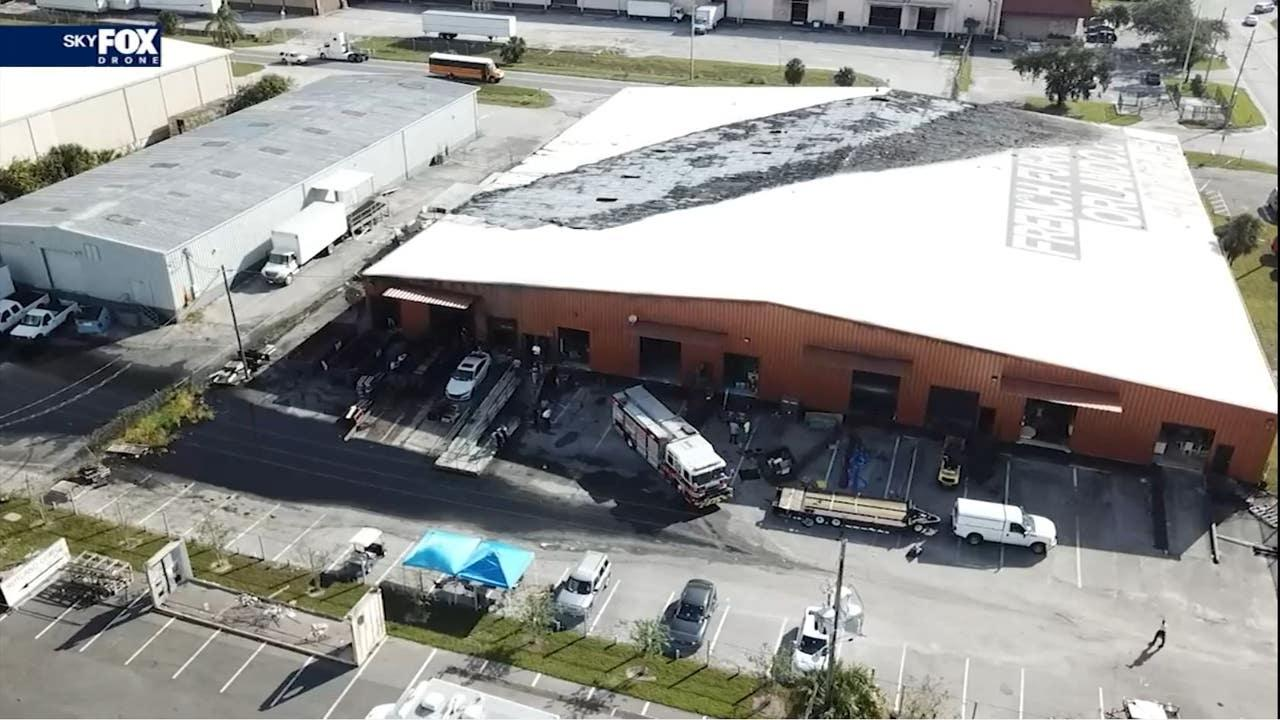
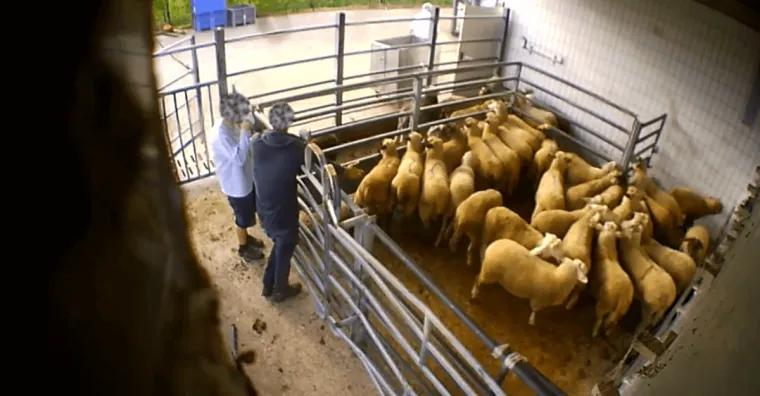
The investigation originated with a public event held on June 6 and 7, 2025. Customers were permitted to purchase livestock and participate in slaughter activities at the Orlando establishment. The gathering had been advertised through social media, attracting members of the local community.
A person attending the event recorded activities inside the facility. The material subsequently reached Animal Outlook, an animal welfare organization that brought its concerns to state agricultural authorities.
On August 26, 2025, the organization submitted a complaint supported by recorded evidence. The material prompted investigators to examine whether the treatment of livestock violated Florida's animal protection laws.
The resulting investigation continued for more than a year before authorities announced the arrests. The length of the inquiry reflected the need to examine individual incidents, interview witnesses and establish the responsibilities of those allegedly involved.
What began as a complaint about livestock treatment eventually produced criminal allegations against the facility's manager and five employees.

The recordings became an important source of evidence because they documented activities during the event rather than conditions observed during a subsequent inspection. They provided investigators with material that could be compared with witness statements and accounts supplied by people associated with the business.
State officials alleged that the footage documented inappropriate animal handling, prolonged suffering and improper slaughter practices. The evidence involved actions attributed to employees as well as customers who had been permitted to participate.
The recordings also raised questions concerning supervision. A business allowing members of the public to enter a livestock processing environment must consider how inexperienced participants interact with animals and equipment.
One recording involving a minor subsequently became a particularly significant element of the investigation. According to prosecutors, the incident showed an employee physically guiding a child through the slaughter of a sheep.
The footage introduced concerns about the boundaries of customer participation and the safeguards in place for young visitors.
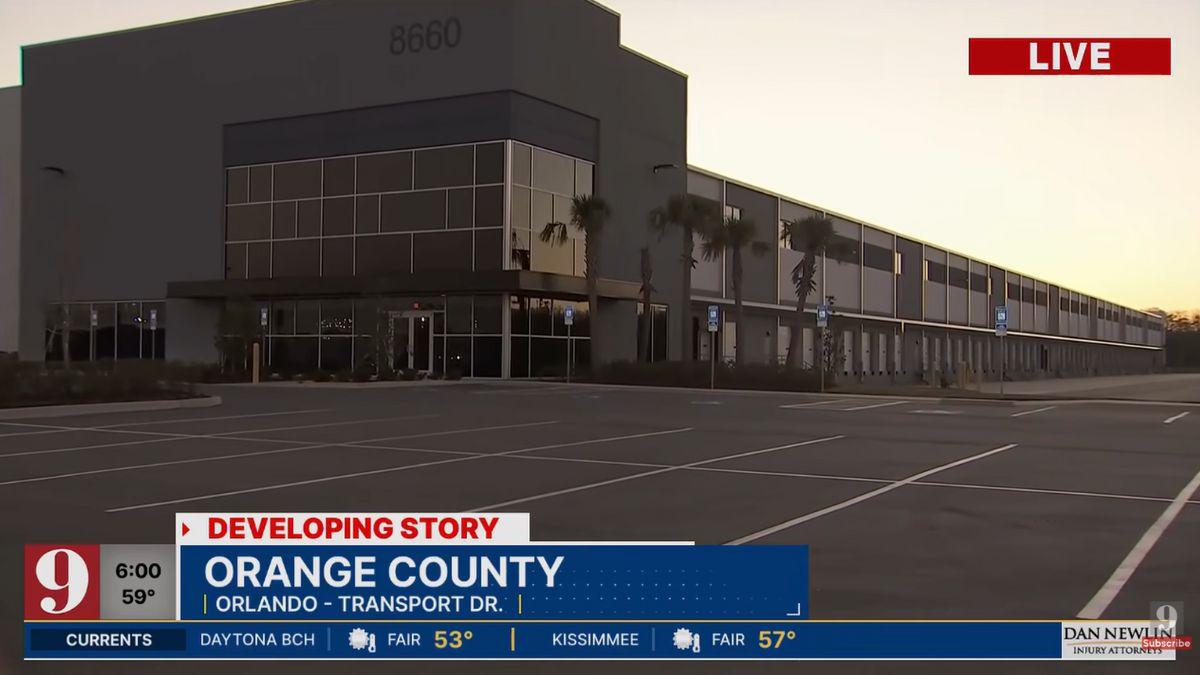
According to the attorney general's office, the child appeared to be approximately 12 or 13 years old. An employee allegedly placed a knife in the child's hand and physically directed him to participate in killing a sheep.
Those circumstances are important when evaluating the conduct of the adults involved. A child may lack the experience and judgment necessary to assess the risks associated with an unfamiliar commercial environment.
The incident also raises questions about whether adequate restrictions governed children's participation in the event.
An investigation involving possible child endangerment might examine whether adults exposed a minor to dangerous conditions, failed to provide adequate supervision or required participation in inappropriate activities.
A trafficking investigation would require evidence supporting different legal elements. Depending on the suspected offense, investigators might examine coercion, forced labor, commercial sexual exploitation or other prohibited forms of exploitation.
These distinctions matter because different offenses carry different legal requirements and investigative procedures. Evidence supporting one category of misconduct does not necessarily establish another.
In the Orlando case, the recorded incident involving a child raises legitimate safeguarding questions. The circumstances publicly described by Florida authorities do not establish the existence of a child trafficking organization.
Any separate criminal proceedings involving the child's treatment would require supporting evidence and an appropriate legal determination.
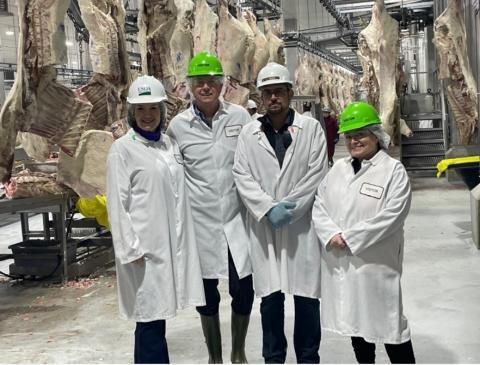
The enforcement operation took place on November 20, when officers from Florida's Office of Agricultural Law Enforcement executed a warrant at the establishment.
Among those arrested was 44-year-old manager Nadeem Shakeel of Orlando. Prosecutors allege that his responsibilities included organizing the public event, overseeing employees and customers, and managing transactions.
The announced charges encompass aggravated animal cruelty, cattle abuse, conspiracy and a separate firearm theft allegation against the manager.
According to the attorney general's office, Shakeel could face a maximum of 105 years in prison if convicted as charged. The other defendants face potential maximum penalties ranging from 10 to 25 years.
The prosecution will need to establish individual responsibility for the charged offenses through admissible evidence. The fact that several people worked at the same establishment does not mean their alleged actions or legal responsibilities were identical.
The responsibilities of management are likely to become an important issue as the prosecution moves forward. Commercial establishments generally rely on managers to establish operating procedures, supervise employees and determine which activities customers are permitted to undertake.
When potentially unlawful conduct occurs during an organized public event, investigators may examine whether management knew about the activity, authorized it or failed to intervene when employees engaged in prohibited conduct.
Those questions are separate from determining precisely what each worker allegedly did.
Financial records and organizational documents can also provide context about how an event was arranged. They may establish who controlled business transactions, how employees were assigned responsibilities and whether particular activities formed part of an established commercial practice.
The November arrests followed concerns extending beyond the public event investigated by state authorities. Assistant Statewide Prosecutor Lauryn Day said complaints involving the establishment dated back to 2021.
That history has raised questions about how earlier allegations were evaluated and whether previous regulatory action could have prevented subsequent violations.
Animal welfare organization Animal Recovery Mission also published an earlier investigative report concerning activities associated with Ali Meats. The organization described alleged mistreatment of livestock and raised concerns about compliance with humane slaughter requirements.
Advocacy organizations can provide important information to law enforcement agencies, particularly when relevant activities are difficult for the public to observe. However, their allegations must be independently assessed before they can support criminal convictions.
Understanding the establishment's history may help authorities determine whether the latest allegations represent isolated incidents or a recurring problem involving animal welfare and business supervision.
The case has also drawn attention from the federal government. U.S. Agriculture Secretary Brooke Rollins visited the establishment during Friday's enforcement operation.
The Department of Agriculture subsequently withdrew the business's authorization to slaughter livestock without federal inspectors present. The action imposed an additional regulatory restriction following the allegations of improper animal treatment.
Federal oversight and state criminal enforcement serve different purposes. Agricultural regulators examine whether establishments comply with applicable inspection and operational requirements, while prosecutors determine whether individuals should face criminal liability.
The combined response demonstrates that the Orlando case involves both the conduct of individuals and the establishment's ability to continue operating under agricultural regulations.
Illegal human organ trafficking represents a fundamentally different category of crime from violations involving commercial livestock processing.
An investigation into that offense would potentially involve evidence concerning human victims, unlawful organ removal, illegal transactions and the participation of individuals or institutions in prohibited medical activities.
Medical documentation, financial records and independently corroborated testimony could become significant elements of such a prosecution. Establishing a criminal network would also require evidence connecting its alleged participants to coordinated illegal conduct.
The presence of animal processing equipment, refrigerated storage facilities or livestock remains would not independently support an allegation involving human organs. Such materials have ordinary commercial purposes within meat processing establishments.
Florida's published announcement concerning Ali Meat International contains no finding involving human organs, unauthorized medical procedures or a criminal transplant network.
The distinction is especially important given the severity of those allegations and their potential consequences for individuals associated with the business.
Ali Meat International operated as a halal meat establishment, and the event examined by investigators took place during Eid al-Adha, an Islamic religious observance associated with sacrifice and charitable distribution.
Religious slaughter is recognized under American law, subject to applicable legal requirements. The criminal allegations announced in Orlando concern particular actions that prosecutors contend exceeded legally permitted practices.
Members of the local Muslim community have also emphasized the importance of appropriate procedures. Imam Tariq Rasheed of the Islamic Center of Orlando explained to Spectrum News that families traditionally may observe a slaughter, while an experienced individual or butcher performs it.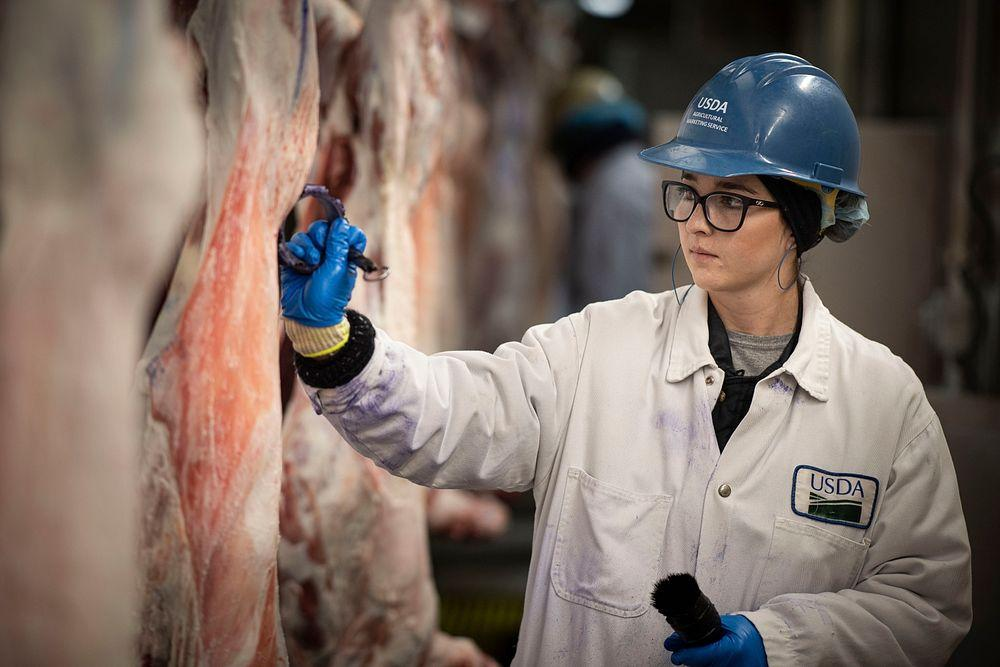
The public discussion therefore involves two distinct issues: legally recognized religious practices and allegations of unlawful conduct at a particular commercial establishment.
The existence of additional inquiries raises questions about the broader effectiveness of livestock welfare enforcement. Regulators may need to examine whether different businesses face similar challenges involving employee training, customer supervision and compliance with slaughter requirements.
Demonstrating a coordinated criminal organization would require evidence of common planning, shared ownership, coordinated transactions or other relevant connections between participants.
State authorities have not announced such a connection between the Orlando establishment and a human trafficking organization. The wider enforcement effort described by officials concerns allegations of animal mistreatment.
The involvement of a young visitor remains an important concern even though the announced prosecution focuses primarily on animal cruelty.
Child protection authorities evaluating a comparable incident would need to consider the circumstances under which the minor entered the establishment, the nature of adult supervision and whether participation exposed the child to physical or psychological harm.
A complete assessment would also distinguish between a child's voluntary presence at a public event and an adult's subsequent direction to participate in a potentially dangerous activity.
Protecting the child's identity is particularly important in a case attracting widespread public attention. Public disclosure of identifying details could expose him to unwanted scrutiny without contributing meaningfully to the criminal proceedings.
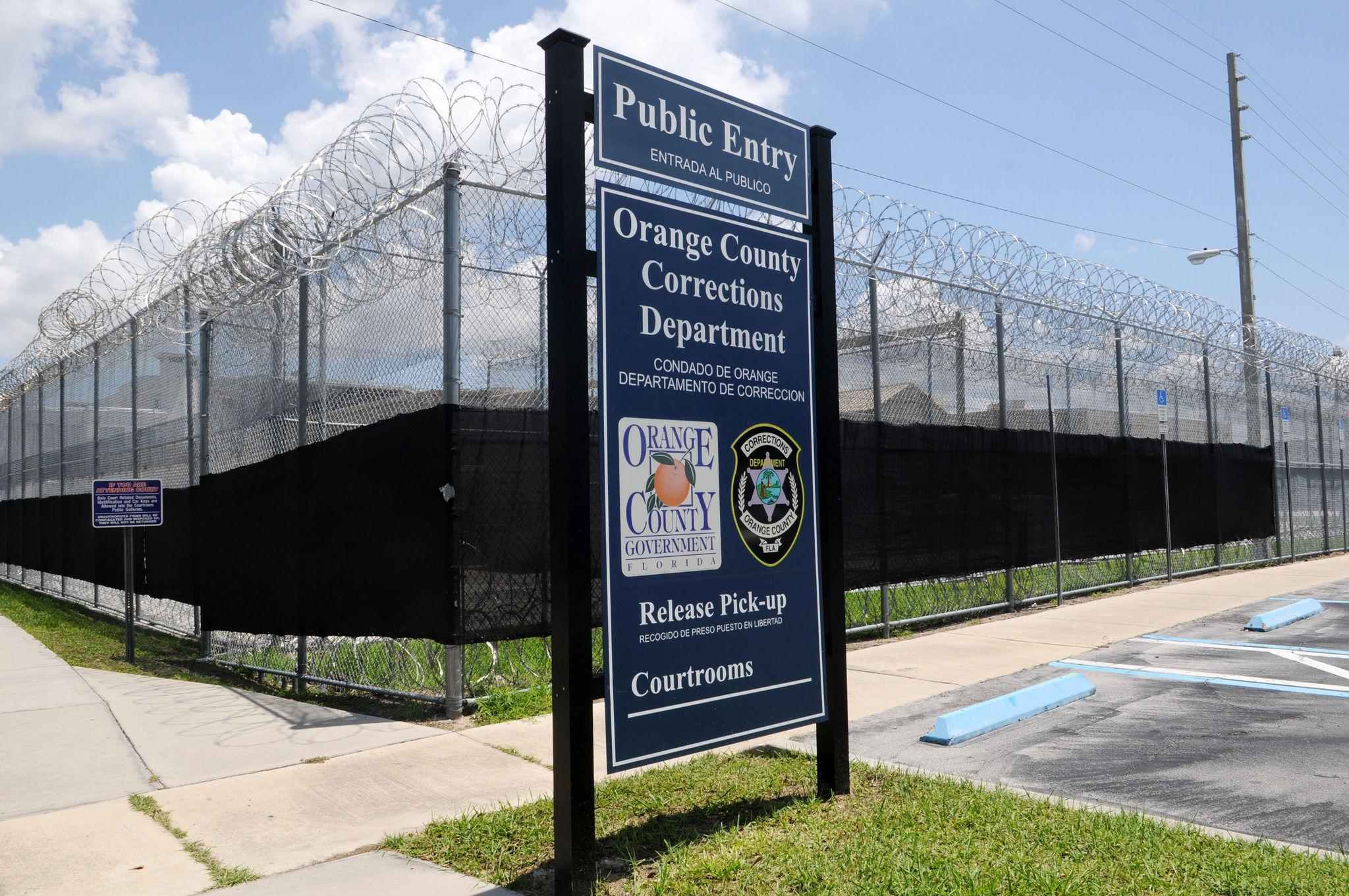
All six defendants were being held at Orange County Jail following their arrests. Immigration authorities also placed detainers on four of the workers, introducing separate federal proceedings alongside the state prosecution.
The criminal case is being handled in Florida's Ninth Judicial Circuit. Future proceedings could include judicial review of the charges, disclosure of evidence, witness testimony and arguments concerning the admissibility of recorded material.
Investigators may continue examining historical complaints, organizational records and the responsibilities of individuals associated with the public event.
The next significant development will be the filing of additional criminal charges or the release of new evidence establishing conduct beyond the allegations already made public.
The closure of Ali Meat International has brought together a lengthy history of animal welfare complaints, recorded allegations involving employees and customers, concerns about a minor's participation and separate state and federal enforcement measures.
The publicly established scope of the case encompasses six arrested workers, 19 initial recordings and allegations arising from activities conducted during a commercial slaughter event.
Whether the establishment's previous operations involved additional offenses remains a question for investigators. The discovery of earlier complaints and the possibility of further charges give authorities grounds to continue examining the business's activities.
The continuing prosecution will determine whether the evidence supports the charges already filed and whether further investigation identifies additional criminal conduct.
Comments (0)
Loading comments...
May You Like

PUTIN RAISES LUKOIL DEAL WITH TRUMP’S ENVOYS AS UKRAINE PEACE TALKS CONTINUE

IRAN WARNS WASHINGTON — HOW SERIOUS IS THE THREAT TO U.S. MILITARY BASES?

IOWA MILITARY EMERGENCY: 51 TONS OF UNSTABLE SUSPECTED BIOWEAPON WASTE FOUND AFTER 5-TON BLAST!













