
SINALOA AMBUSH: 11 DEAD, 3 HELICOPTERS HIT, 20 MEXICAN SOLDIERS MISSING!
SINALOA AMBUSH: 11 DEAD, 3 HELICOPTERS HIT, 20 MEXICAN SOLDIERS MISSING!
GUASAVE, Mexico — November 23, 2026 — Four Mexican soldiers were killed while traveling to reinforce a major security operation in Sinaloa, where troops captured one of the FBI's most-wanted fugitives amid gun battles, helicopter fire and burning roadblocks that paralyzed parts of the region.
The November 20 operation targeted Fausto Isidro Meza Flores, known as El Chapo Isidro, an alleged drug-trafficking leader whose organization has operated across northern Mexico for years.
Mexican authorities initially reported 11 deaths, including seven alleged gunmen. Subsequent local reporting indicated the overall death toll had risen as hospitals and officials accounted for additional victims.
The attack on the military reinforcements has drawn particular attention because it occurred while heavily armed suspects were attempting to prevent the cartel leader's capture and removal from Guasave.
The central question is whether the deadly confrontation reflected a coordinated effort to disrupt the operation, and what investigators can establish about the route taken by the soldiers who died.
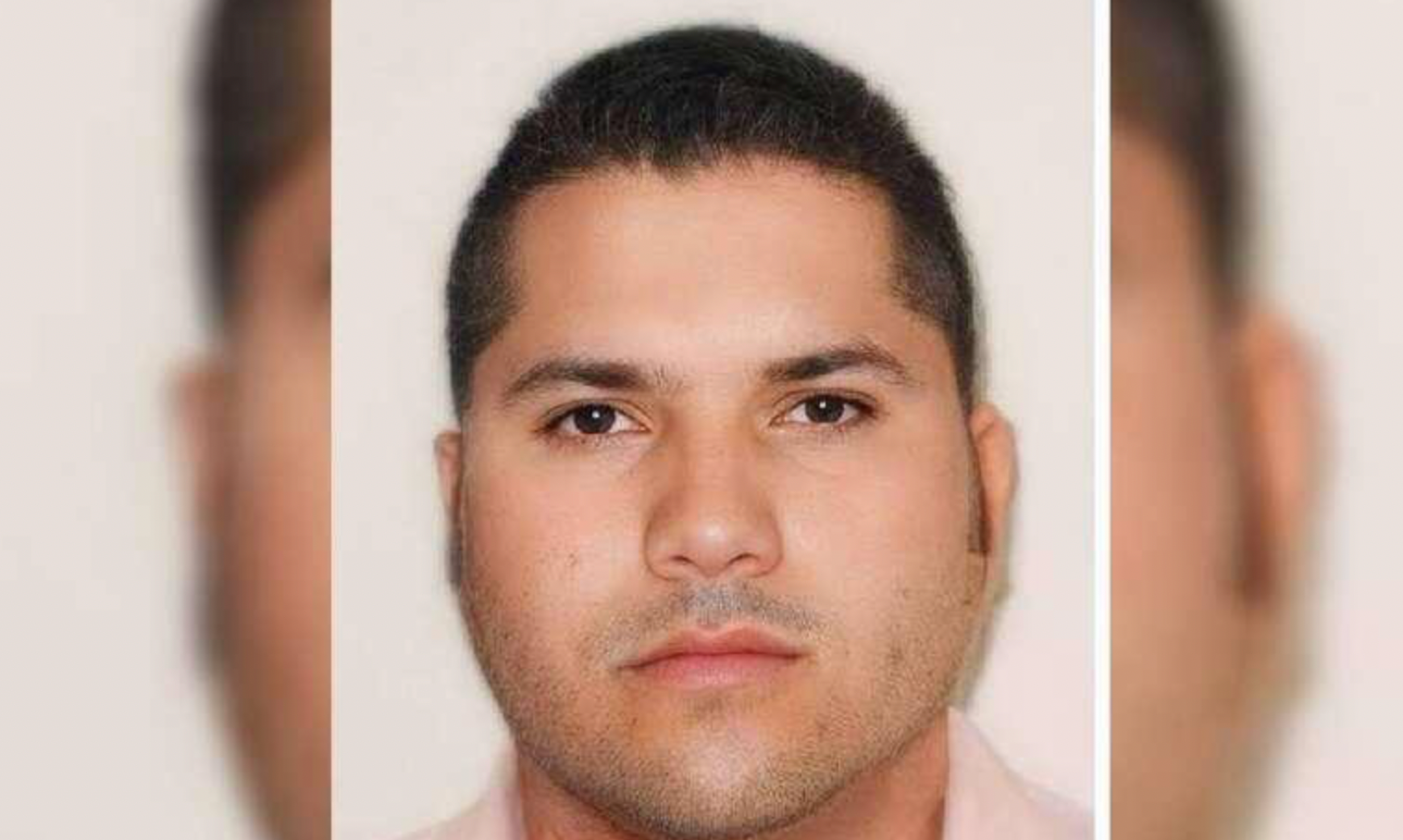
Mexican special forces moved into Guasave on Friday evening, November 20, after locating Meza Flores.
The operation involved Army and National Guard personnel supported by intelligence from U.S. agencies.
According to Mexico's Defense Ministry, troops approached a property where the suspect and alleged associates were staying.
Armed men resisted with gunfire and explosives.
The confrontation escalated as security forces established a perimeter and attempted to prevent the suspect from escaping.
Military aircraft supported personnel on the ground.
The fighting extended beyond the initial location, disrupting streets and highways.
Authorities eventually captured Meza Flores and seven other suspects.
The arrest was a major law-enforcement development, but the resistance surrounding it demonstrated that the organization retained significant armed capabilities.
Fausto Isidro Meza Flores is an alleged Mexican drug-trafficking leader associated with the remnants of the Beltrán Leyva organization.
He has also been linked to the group known as Los Mazatlecos.
U.S. authorities accuse him of directing trafficking operations involving cocaine, heroin, methamphetamine and other illegal drugs.
The FBI placed him on its Ten Most Wanted Fugitives list in February 2025.
The bureau offered a reward of up to $5 million for information leading to his arrest.
Meza Flores had remained beyond the reach of authorities for years.
His capture was therefore significant for both Mexico and the United States.
Those matters remain subject to legal proceedings.
The initial official casualty report identified 11 people killed.
Four were Mexican military personnel.
Seven were described by the Defense Ministry as alleged armed attackers.
The figures were reported by the Associated Press and Reuters following the operation.
The four military deaths were especially significant because they occurred as soldiers traveled to reinforce security forces already engaged in Guasave.
The operation involved threats to personnel moving through the surrounding area.
Authorities also reported eight arrests and the seizure of weapons.
The early casualty figures became the basis for international headlines, but subsequent reporting showed that the accounting of deaths was continuing.
By November 22, the Mexican newspaper Excélsior reported that the death toll had risen to 20.
Its breakdown was 16 suspected criminal participants and four soldiers.
On November 23, Infobae reported that subsequent state-level accounts placed the total at 21, including 17 civilians and four military personnel.
The differing figures reflect reports issued at different stages of the aftermath.
Nor should every person described as a civilian automatically be classified as an uninvolved bystander.
The final identification and circumstances of individual deaths require official confirmation.
The medical consequences extended beyond the four confirmed military fatalities.
According to Excélsior, Sinaloa Health Secretary Cuitláhuac González Galindo reported that 10 soldiers were hospitalized following the confrontation.
Six were initially taken to hospitals in Los Mochis.
Four others were transported by air to Culiacán.
The reported injuries included gunshot wounds and wounds caused by fragments.
After initial stabilization, the injured soldiers were transferred to a military hospital for specialized care.
These details provide a more complete picture of the operation's cost to Mexican forces.
They also distinguish documented wounded personnel from the separate claim that 20 soldiers had disappeared.
The four soldiers who died were traveling in a military convoy intended to reinforce security operations in Guasave.
Mexican reporting indicates that the convoy came under attack while moving toward the confrontation.
The circumstances raise questions about how armed groups were positioned and whether they anticipated the arrival of reinforcements.
A convoy carrying soldiers can become vulnerable when moving through areas where hostile forces have access to roads and surrounding terrain.
Establishing a planned deception would require evidence about route instructions, communications or prior knowledge of the convoy's movements.
No such finding had been publicly established by November 23.
The violence against the reinforcements was part of a broader effort by suspected cartel gunmen to resist the federal operation.
Mexican authorities said armed suspects used firearms and explosives against military personnel.
The attackers also attempted to interfere with the movement of security forces.
Roadblocks appeared across parts of Sinaloa.
Vehicles were set on fire, disrupting transportation routes.
These actions complicated the authorities' ability to move through the region.
The four soldiers' deaths demonstrate that the danger extended to personnel outside the original arrest perimeter.
The precise sequence of the convoy attack remains important.
Investigators must determine where the soldiers were attacked, which armed individuals were involved and how the confrontation developed.
An ambush generally involves attackers positioning themselves to strike a target by surprise.
The attack on the reinforcement convoy raises that possibility because the soldiers were moving toward an active military operation.
However, the more specific allegation that someone deliberately directed the convoy into danger requires additional evidence.
Investigators would need to examine the convoy's assigned route, operational communications and the timing of hostile movements.
They would also need to determine whether the attackers had advance information about the soldiers' arrival.
The public reports confirm that four military personnel were killed while traveling to reinforce the operation.
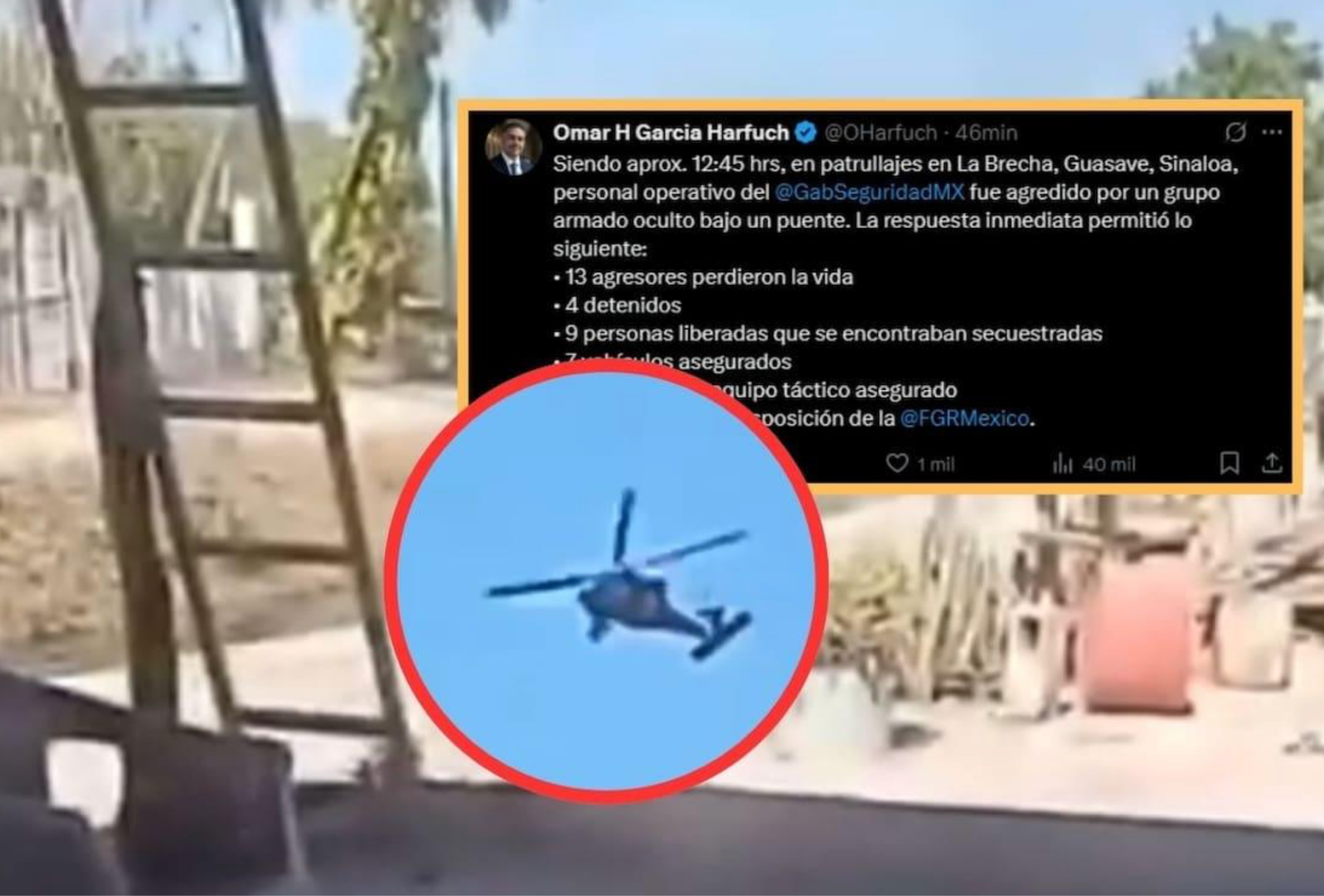
The confrontation also involved attacks directed toward military aircraft.
Mexican newspaper La Jornada reported that alleged cartel gunmen attempted to bring down helicopters supporting the operation.
Security forces reportedly returned fire against a vehicle from which heavy-caliber weapons were being used.
Videos circulating online showed helicopters operating above the city during the confrontation.
The footage helped document the scale of the fighting.
However, there is a difference between an aircraft being fired upon and an aircraft being hit.
No confirmed list of damaged aircraft or official assessment of three helicopter losses accompanied the initial reports.
The verified incident involved aerial support, ground fire and attempts to attack the aircraft.
Local broadcaster N+ reported that the federal operation included two Black Hawk helicopters and drones.
That account provides a more specific description than claims involving three helicopters being hit.
Other reporting described military helicopters circling above Guasave and firing during the confrontation.
The exact number of aircraft participating at every stage of the operation may have varied.
Aircraft can be deployed, fired upon or forced to change course without being damaged.
Those outcomes require separate verification.
The distinction matters because a confirmed loss of multiple military aircraft would represent a significantly different operational event.
Military helicopters can provide surveillance, mobility and armed support during operations against heavily equipped criminal organizations.
They can help commanders observe movements across streets and surrounding terrain.
They may also support ground units when those personnel encounter hostile fire.
During the Guasave operation, helicopters operated above a populated municipality while troops confronted armed suspects.
The use of aerial firepower raised concerns about civilian safety.
Videos showed aircraft firing toward locations on the ground.
Those images illustrate the intensity of the fighting, but they do not independently establish the identity of every person targeted.
A complete assessment of the operation would require information about the circumstances surrounding each use of force.
According to the Associated Press, Mexican forces w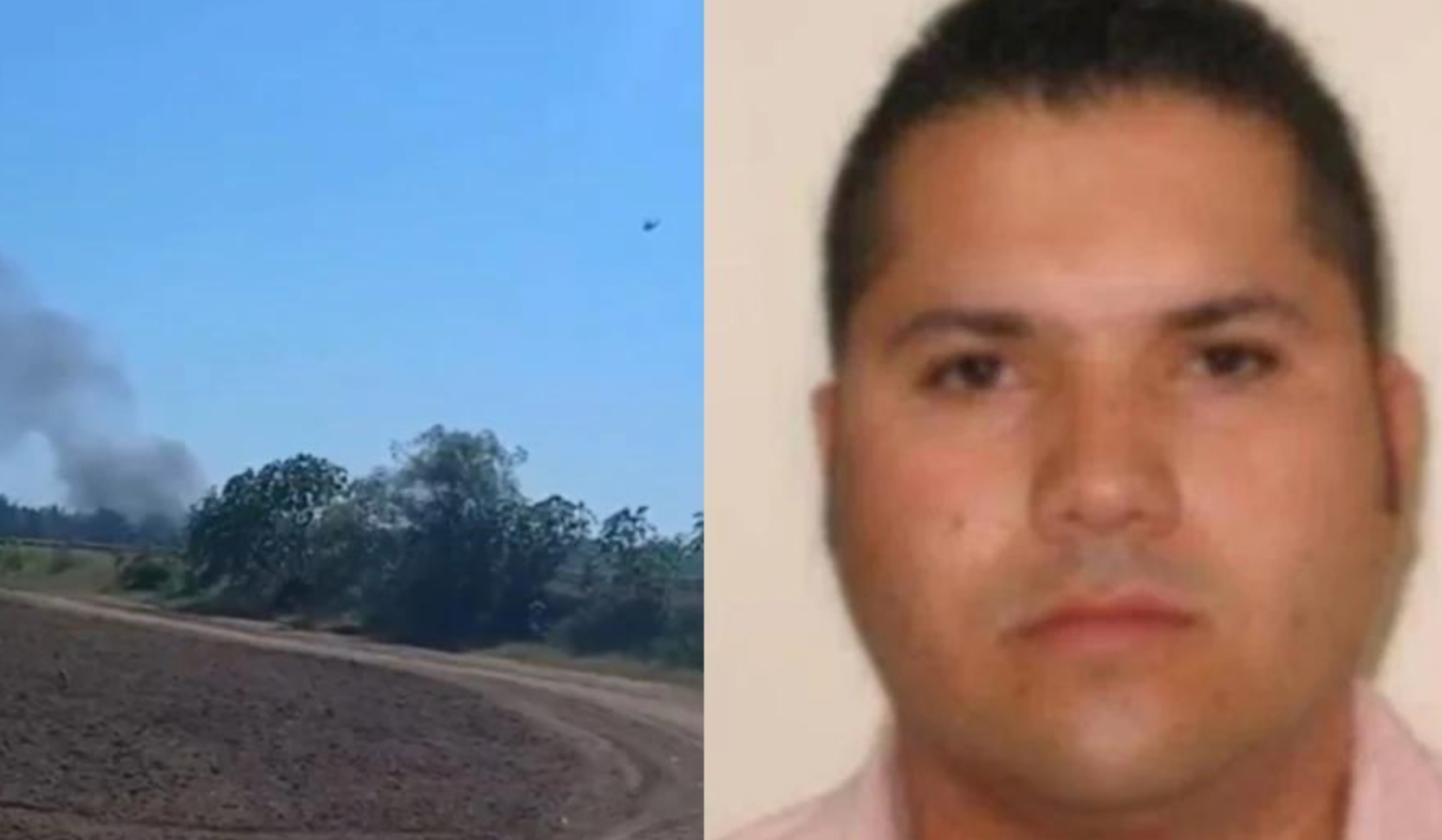 ere unable to remove him from Guasave until approximately 4 a.m. Saturday because of continuing violence.
That meant the suspect remained in the operational area for hours after the initial confrontation began.
Armed groups were attempting to interfere with the security forces.
Roadblocks and gunfire complicated movement.
Authorities needed to protect the detainees while maintaining control of the surrounding area.
The delay demonstrates that an arrest and a secure extraction are different stages of a high-risk operation.
A suspect may be in custody while the forces responsible for transporting him still face significant threats.
Roadblocks became one of the most visible consequences of the operation.
Armed groups used burning vehicles to obstruct major routes in Sinaloa.
Local reporting identified disruptions on Mexico's Federal Highway 15 and the Benito Juárez highway.
Additional incidents were reported near Guamúchil and other municipalities.
Blocking roads can delay the movement of military reinforcements.
It can also interfere with ambulances, firefighters and civilians trying to leave an affected area.
The tactic increases pressure on security forces by spreading the emergency across multiple locations.
In Guasave, residents faced gunfire and blocked streets while authorities worked to secure the suspect.
The disruption continued even after the arrest was completed.
Reports of gunfire and roadblocks extended to areas outside central Guasave.
Local media identified incidents in Ahome, Guamúchil and Navolato.
That geographic spread complicated the government's response.
Security forces needed to manage several locations while maintaining control of the original operation.
The pattern also raised questions about how different groups coordinated their actions.
Investigators would need communications evidence, witness testimony or other corroboration to establish a common command structure.
The confirmed result was widespread disruption across parts of Sinaloa.
For residents, the consequences were immediate: restricted travel, closed businesses and uncertainty about where fighting might occur next.
One of the most widely shared videos showed spectators seeking shelter during a baseball game in Guasave.
The Algodoneros de Guasave were playing the Venados de Mazatlán when gunfire was heard.
Spectators moved away from exposed areas.
Players left the field.
The Mexican Pacific League suspended the game because of the security emergency.
The scene illustrated how quickly the confrontation affected ordinary civilian activities.
People attending a sporting event suddenly faced the possibility of nearby armed violence.
The interruption resulted from the broader fighting around the city.
The video became an important visual record of the public disruption.
Residents reported hearing gunfire in several neighborhoods.
Some sought protection inside stores and other buildings.
Businesses closed as the confrontation intensified.
The Associated Press quoted a local journalist describing fighting across Guasave rather than in one isolated area.
Such conditions can make it difficult for residents to determine which routes are safe.
Emergency responders may also face delays when streets are blocked or gunfire continues.
The operation therefore created risks beyond those faced by soldiers and suspected gunmen.
Authorities must establish who died and under what circumstances.
Mexican security forces reported recovering heavy weapons and other materials during the operation.
Reuters described the seizure of firearms, including a .50-caliber weapon and a grenade launcher.
Other reports mentioned ammunition, explosives, tactical equipment, drugs and cash.
The equipment illustrates the firepower available to armed groups operating in the region.
Weapons capable of engaging vehicles or threatening aircraft can create serious dangers for security personnel.
The seizure also formed part of the criminal investigation.
Authorities must document where weapons were recovered and how they were connected to the suspects.
The existence of heavy weapons supports the official account of a dangerous armed confrontation.
Authorities reported eight arrests during the operation.
The detainees included Meza Flores and individuals described as important members of his organization.
Among them were a cousin identified as Germán, also known as Serafín, and a brother-in-law identified as José.
Officials described the men as a senior associate and a suspected financial operator.
The arrests targeted several positions within the organization rather than only its alleged leader.
However, each detainee's legal responsibility must be established through the judicial process.
The government transferred key suspects to Mexico City.
The move allowed federal prosecutors to continue proceedings away from the immediate violence in Guasave.
Mexican authorities acknowledged intelligence cooperation with U.S. agencies.
Reuters reported that information shared by the United States helped support the operation.
That cooperation reflected the cross-border nature of the allegations against Meza Flores.
U.S. investigators had sought him over drug-trafficking and firearms offenses.
His organization was accused of transporting illegal drugs into American markets.
The arrest was carried out by Mexican security forces.
There is no public evidence that U.S. combat troops conducted the raid.
The distinction is important because Mexico and the United States have disagreed over proposals for direct American military operations against cartels inside Mexican territory.
Intelligence sharing provides a different form of cooperation.
Reporting published after the arrest described a prolonged intelligence effort.
Brazilian news outlet UOL reported that the operation involved surveillance, intercepted communications and efforts to verify the suspect's identity.
The account also described diversionary activity and personnel operating in disguise.
Those details suggest that the arrest followed substantial preparation rather than an improvised search.
However, operational planning details reported by anonymous or secondary sources should be distinguished from formal findings.
Nor does the reported preparation resolve why the reinforcement convoy suffered fatalities.
The operation's success in capturing the suspect and its losses during the confrontation must be assessed separately.
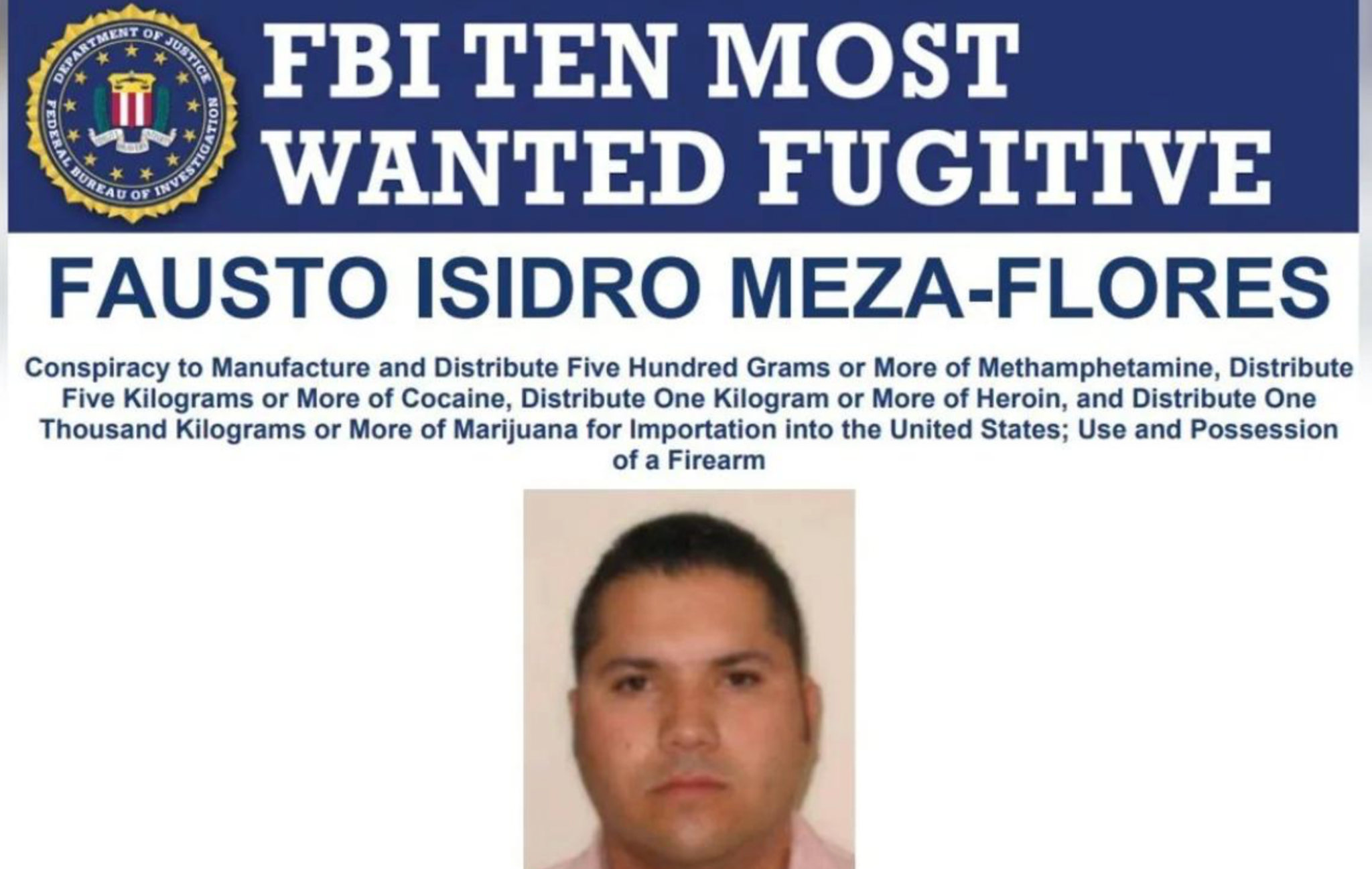
Meza Flores had been a high-priority target for U.S. authorities.
The FBI added him to its Ten Most Wanted Fugitives list in February 2025.
The bureau offered a reward of up to $5 million for information leading to his arrest.
The amount reflected the importance authorities placed on locating him.
Any payment would require a separate determination under the relevant program.
The arrest was welcomed by U.S. officials.
American Ambassador Ronald Johnson praised cooperation between the two countries.
The DEA also commended Mexican authorities.
The responses emphasized the significance of capturing a fugitive who had remained at large for years.
Meza Flores was associated with a network operating across northern Sinaloa and neighboring areas.
His organization maintained relationships with factions involved in the wider Sinaloa Cartel conflict.
The Wall Street Journal reported that his detention could create a succession struggle.
Removing a leader may weaken centralized control.
It can also produce competition among remaining figures seeking influence over trafficking routes and resources.
The consequences depend on the organization's structure and the strength of its remaining leadership.
A major arrest does not automatically dismantle financial networks, weapons supplies or territorial relationships.
The government may therefore face additional security challenges after the immediate operation.
The extent of those challenges remains uncertain. 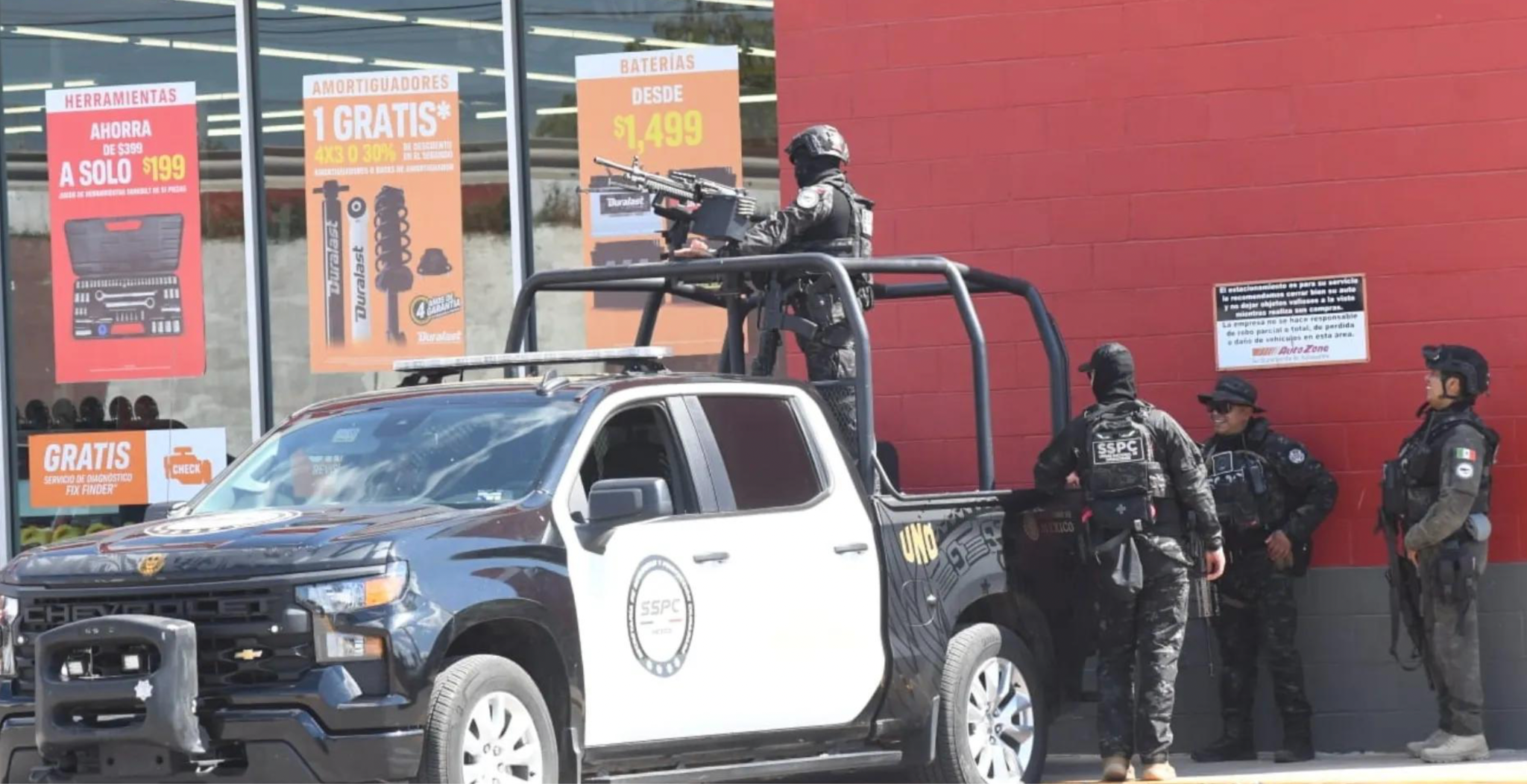
Sinaloa has experienced prolonged violence involving rival criminal factions.
Groups associated with the sons of Joaquín El Chapo Guzmán and those aligned with Ismael El Mayo Zambada have competed for territory and influence.
Meza Flores was regarded as an ally of the Zambada-aligned faction.
His arrest could affect the balance between these networks.
Security analysts have warned that leadership changes can create opportunities for rivals and internal competitors.
However, the consequences cannot be determined from the capture alone.
Some organizations may reorganize around existing deputies.
Others may experience internal disputes.
The situation depends on factors that are not fully visible to outside observers, including leadership relationships, financial control and local alliances.
The confirmed military losses were four dead and 10 wounded, according to the reports available by November 23.
The deaths occurred during a confrontation in which armed suspects resisted the arrest and movement of a prominent fugitive.
The injured soldiers required hospital care in Los Mochis and Culiacán before transfer to a military facility.
For the families of the deceased, the consequences are permanent.
For military commanders, the losses raise operational questions about reinforcement routes, coordination and protection.
The additional deaths reported by local authorities also require careful investigation.
A complete account must identify the deceased and establish the circumstances surrounding their deaths.
Casualty reporting is not simply a matter of updating a total.
It is essential to understanding what occurred and who was affected.
The claim that 20 Mexican soldiers disappeared after the battle would require evidence of missing personnel, failed communications or an official search operation.
The reports reviewed identify four soldiers killed and 10 wounded.
They do not identify a confirmed group of 20 missing soldiers.
The distinction matters because soldiers who are injured, deployed elsewhere or temporarily unreachable during a confrontation are not automatically classified as missing.
A confirmed disappearance would ordinarily require further investigation and a documented accounting of personnel.
No such finding was established in the available official or major news reporting.
The military losses were serious, but the reported facts do not support adding an unverified group of missing troops.
The convoy attack is likely to remain an important part of the operational review.
Investigators must reconstruct where the soldiers were traveling and when the attack began.
They may examine communications, vehicle movements and accounts from surviving personnel.
They must also identify the weapons used against the convoy and the individuals responsible.
A separate assessment may address the use of helicopters and attempts to fire upon them.
The broader investigation could also examine how roadblocks were organized and whether different attacks were coordinated.
Those findings would help explain the relationship between the arrest and the violence that followed.
They would not automatically prove that someone deliberately directed the convoy into an ambush.
That allegation requires specific evidence.
By November 21, Sinaloa authorities said the situation in Guasave was under control.
Security personnel continued operating in the municipality.
Officials reported that roadblocks had been cleared from affected routes.
The announcement marked a change from the previous night's widespread violence.
However, the restoration of traffic did not resolve every security concern.
Residents had experienced gunfire, burning vehicles and disruption to daily life.
Businesses and transportation services faced the task of returning to normal operations.
The government also needed to assess whether criminal groups might respond again.
The arrest of Meza Flores removed a prominent leader, but it did not eliminate the wider organizations operating in the region.
The operation demonstrates the competing demands faced by security forces during a high-risk arrest.
Commanders must secure the target, protect personnel, prevent escape and maintain control of surrounding areas.
They must also anticipate possible attacks on reinforcements and transportation routes.
The Guasave confrontation involved all of these challenges.
Security forces successfully detained Meza Flores and several alleged associates.
At the same time, four soldiers died while traveling to support the operation.
That combination makes the incident significant for any subsequent operational review.
The available reporting does not establish whether different planning decisions would have prevented the deaths.
Such conclusions require access to information not yet publicly released.
Meza Flores was transferred to Mexico City after the operation.
Mexican federal prosecutors must determine the next steps under applicable law.
The United States has also sought him in connection with alleged drug-trafficking and firearms offenses.
Any extradition would require legal and governmental procedures.
Meanwhile, Mexican authorities must assess the criminal network remaining in Sinaloa.
The detention of senior figures could disrupt the organization.
It could also prompt changes in leadership or alliances.
Security forces will need to monitor developments while investigators examine the deaths, injuries and attacks associated with the operation.
The longer-term impact will depend on whether authorities can disrupt the organization's remaining activities.
The battle in Guasave was a major security operation that escalated into hours of armed resistance.
Mexican forces captured a high-profile fugitive with assistance from U.S. intelligence.
Four soldiers died while traveling to reinforce the operation.
Ten additional military personnel were reported wounded.
The initial death toll of 11 increased in subsequent local reporting.
Helicopters supported the troops and came under fire from suspected cartel gunmen.
Roadblocks and burning vehicles spread disruption across Sinaloa.
But the evidence available by November 23 does not establish that three helicopters were hit or that 20 soldiers disappeared.
The arrest achieved a major law-enforcement objective. Its consequences for Sinaloa's security, and the circumstances of the soldiers' deaths, remain subjects for further investigation.
Comments (0)
Loading comments...
May You Like

10,000 CIA AND U.S. SPY RECORDS LEAKED—3 INTELLIGENCE AGENCIES ORDER EMERGENCY REVIEWS!

PENTAGON'S DECLASSIFIED UFO FILES — THE MYSTERY OF AN UNDERGROUND STORAGE PROJECT!

TRUMP'S NVIDIA STOCK DEALINGS — IS THERE ANY TRUTH TO THE $14 MILLION PROFIT CLAIM?













