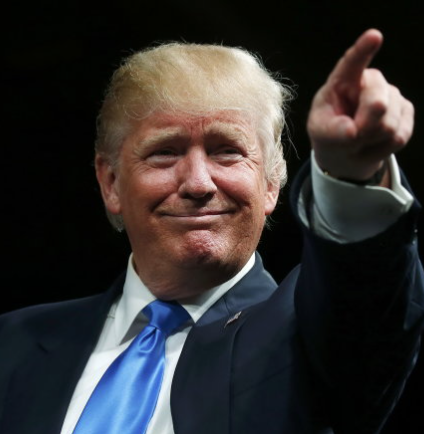
Steve Cohen Unveils 26 Articles of Impeachment Against Trump
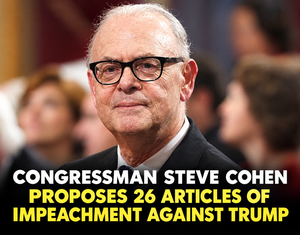
WASHINGTON — Rep. Steve Cohen, a Tennessee Democrat, introduced 26 articles of impeachment against President Donald Trump on September 24, framing the sweeping resolution as a constitutional challenge to presidential conduct.
A Broad Impeachment Resolution
Cohen filed the resolution accusing Trump of alleged abuses of power, violations of his oath, misuse of presidential authority, and other conduct that Cohen argues could constitute impeachable offenses under the Constitution.
The proposal does not itself impeach or remove Trump. Under the Constitution, the House has the power to impeach, while the Senate conducts trials and decides whether conviction and removal occur.
Cohen’s resolution arrived less than two weeks after the House rejected a separate impeachment measure introduced by Rep. Al Green, highlighting continuing disagreements over impeachment within the Democratic caucus.
On September 15, the House voted 232-147 to table Green’s resolution, with 47 members voting present. Eighteen Democrats joined Republicans in supporting the motion to end consideration.
What the 26 Articles Address
Cohen’s 26 articles cover a wide range of allegations, including election-related conduct, military operations, immigration enforcement, federal spending, tariffs, presidential pardons, and treatment of government institutions.
Several articles concern the use of military power. Cohen alleges unauthorized military action in Iran, killings in international waters near Venezuela, and deployment of military forces against American cities.
Other articles address immigration and law enforcement, including the administration’s use of the Alien Enemies Act, detention practices, alleged defiance of court orders, and enforcement policies involving federal authority.
The resolution also targets domestic governance decisions, including the birthright citizenship executive order, cancellation of federal grants, workforce loyalty requirements, and actions affecting the Department of Education.
Several allegations concern federal oversight. Cohen cites the removal of inspectors general, disputes involving federal prosecutors, withholding of appropriated funds, and what he describes as unilateral changes to congressionally established programs.
Tariffs, Pardons and Press Freedom
Trade policy is included as well. One article challenges Trump’s emergency-power tariffs, arguing that the president improperly exercised taxing authority that Cohen says belongs to Congress under the Constitution.
Another group of articles focuses on legal and political disputes involving former officials and public figures, including James Comey, Letitia James and Adam Schiff, according to Cohen’s resolution.
The impeachment proposal also addresses the pardon power. Cohen alleges that presidential pardons were used corruptly, though those allegations remain claims contained within his resolution rather than findings from an impeachment proceeding.
Press freedom forms another major section of the filing. Cohen alleges that White House restrictions and pressure involving news organizations amounted to improper retaliation over unfavorable coverage.
The resolution separately raises allegations concerning CBS and ABC, universities receiving federal funds, and executive actions affecting law firms. Cohen frames these matters as constitutional and free-speech concerns.
One article concerns the demolition of the White House East Wing, alleging that the administration acted without congressional approval. Another challenges the withholding of funds Congress had appropriated.
The final two articles broaden the allegations to presidential self-aggrandizement, changes involving public institutions and property, and alleged personal financial benefits derived from the presidency.
What Happens Next?
Cohen has previously pursued impeachment proceedings involving Trump. In 2017, while serving as ranking member of a Judiciary subcommittee, he introduced five articles against Trump.
The political prospects of the new resolution remain uncertain. Cohen himself acknowledged that he does not expect the current effort to advance under the present congressional circumstances.
Under the Constitution, impeachment by the House would be followed by a Senate trial. Conviction of a president requires the concurrence of two-thirds of senators present, making removal a separate step.
Comments (0)
Loading comments...
May You Like

Jack Smith Defends His Integrity as Trump Investigations Face Renewed Political Firestorm

Obama Steps Back Into the Political Spotlight as Democrats Target Trump’s

Shocking news from Ohio: an unexpected development ahead of Trump's rally