Supreme Court Blocks Trump’s Mail-Voting Restrictions Ahead of 2026 Midterms
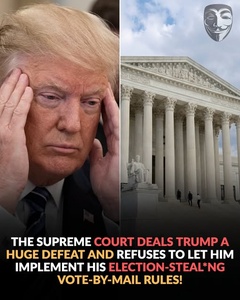
The justices rejected the administration’s attempt to impose sweeping new requirements before November, leaving existing state voting procedures largely intact while broader election-law battles continue.
WASHINGTON — The Supreme Court has blocked one of President Donald Trump’s most ambitious attempts to reshape the 2026 midterm elections, rejecting his administration’s proposed restrictions on mail-in voting.
The September 14 decision effectively prevents the administration from requiring states to overhaul important elements of their mail-ballot systems just weeks before voters choose the next Congress.
Trump had sought major changes through an executive order aimed at tightening eligibility verification, standardizing mail-ballot procedures and expanding the federal government’s role in election administration.
One central element involved the U.S. Postal Service, which would have been required to participate in a new system intended to help verify whether voters were eligible citizens.
The plan contemplated a centralized online portal using citizenship information supplied by states, placing the Postal Service in an unusually prominent role within the process of verifying voter eligibility.
The administration also wanted states to adopt standardized envelopes containing barcodes for mailed ballots, a requirement election officials said would be extremely difficult to implement shortly before November.
State election officials argued that changing ballot envelopes, computer systems and administrative procedures so close to Election Day could create confusion and interfere with preparations already underway.
The Supreme Court ultimately prevented those requirements from governing the 2026 federal election, bringing an immediate end to the Postal Service’s work implementing the contested system.
Postmaster General David Steiner confirmed afterward that USPS had stopped developing the computer infrastructure associated with Trump’s order because the courts had enjoined its implementation.
A Postal Service memo subsequently told employees that the agency would not enforce the new requirements during the 2026 election and that ordinary election-mail procedures would continue.
Steiner summarized the practical result by saying election mail would essentially be “business as usual,” with USPS continuing its established role of transporting ballots rather than determining voter eligibility.
The timing was particularly important because mail ballots had already begun going to voters in several states, while early voting was approaching elsewhere when the Supreme Court acted.
Courts have traditionally shown considerable reluctance to order disruptive changes to election procedures immediately before voting, particularly when states and local governments have already printed ballots and prepared administrative systems.
Justice Brett Kavanaugh indicated that timing played an important role and suggested the legal questions surrounding Trump’s policy could potentially receive different consideration if presented under less urgent circumstances.
That means the decision should not necessarily be understood as a definitive ruling that every element of Trump’s proposed mail-voting policy is permanently unconstitutional.
Only Justices Clarence Thomas and Samuel Alito fully supported the administration’s position in the latest dispute, according to AP’s account of the Supreme Court action.
Trump reacted angrily to the defeat, criticizing the Court despite having appointed three of its members—Neil Gorsuch, Brett Kavanaugh and Amy Coney Barrett—during his first presidency.
The episode illustrates an increasingly complicated relationship between Trump and the conservative-majority Supreme Court he helped shape, which has delivered the administration both significant victories and notable defeats.
Trump has repeatedly argued that widespread mail voting creates opportunities for fraud and has sought substantially tighter restrictions on how mailed ballots are requested, verified, returned and counted.
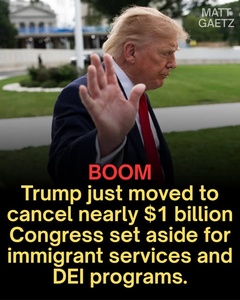
But the graphic’s phrase “election-stealing vote-by-mail rules” should not be presented as established fact. The Supreme Court did not conclude that mail voting amounts to election theft.
American states have long used absentee and mail ballots under different legal frameworks, with eligibility requirements, signature verification, deadlines and ballot-processing procedures varying considerably by jurisdiction.
The Supreme Court’s action also does not abolish every election initiative pursued by Trump. His administration continues several other efforts involving voter rolls, citizenship verification and election records.
The Justice Department has demanded that numerous states preserve records from the 2024 election while separately seeking access to detailed voter information, producing additional litigation with state governments.
The administration has also promoted greater use of the federal SAVE database to identify potential noncitizens on voter rolls, another initiative that has generated disputes over accuracy, privacy and federal authority.
Trump and congressional Republicans have additionally supported federal legislation intended to require stronger proof-of-citizenship procedures, although those proposals face their own legislative and legal hurdles.
Supporters of these measures argue that additional verification strengthens public confidence and prevents ineligible voting, particularly as election administration becomes an increasingly contentious national political issue.
Opponents argue the measures could unnecessarily burden eligible voters, interfere with powers traditionally exercised by states and create administrative disruption without evidence of widespread noncitizen voting.
Those disagreements remain unresolved by the September Supreme Court action because the justices dealt specifically with Trump’s attempted changes affecting the approaching midterm election.
The Postal Service will therefore continue handling election mail under existing procedures while recommending that voters send completed ballots sufficiently early to account for potential delivery delays.
Steiner advised voters using the mail to submit ballots at least seven days before applicable deadlines, particularly amid concerns about delayed postmarks and delivery times in some states.
USPS may still encourage voluntary barcode use in future elections and offer lower processing prices for standardized envelopes, but those practices will not be mandatory under Trump’s blocked order this November.
The immediate consequence is therefore substantial but narrower than the viral graphic suggests: Trump lost his attempt to impose these federal mail-ballot requirements for the 2026 midterms.
The ruling does not establish that vote-by-mail itself is protected from all future federal regulation, nor does it permanently settle the constitutional boundaries between presidents, Congress and states over election administration.
For voters, the practical message is simpler: the federal restrictions Trump sought will not govern mail voting in November 2026, and existing state procedures remain the relevant rules for casting ballots.
Comments (0)
Loading comments...
May You Like
South Korea–Ukraine Rift Deepens Over North Korean POW Transfer as PURL Draws New Scrutiny
Obama Steps Back Into the Political Spotlight as Democrats Target Trump’s