
Supreme Court Clears Path for Trump to End Migrant 'Parole' Status — What It Means for 500,000 Immigrants
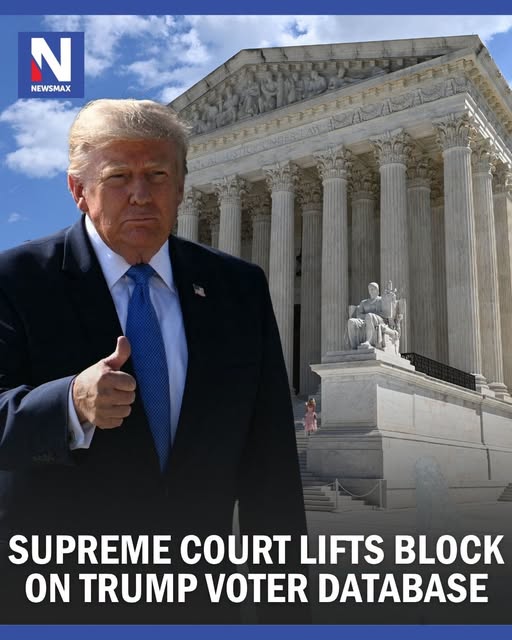
The Supreme Court ruled Friday that President Donald Trump can terminate the protected status of approximately 500,000 immigrants from Cuba, Haiti, Nicaragua, and Venezuela while an appeal of the president's order is still pending. The decision marks a major victory for the Trump administration's immigration enforcement agenda — and a devastating blow for hundreds of thousands of families now facing an uncertain future.
WASHINGTON – The Supreme Court handed President Donald Trump a significant legal victory on Friday, ruling that his administration may proceed with terminating the parole status of roughly 500,000 immigrants from four countries while the legal battle over the policy continues in lower courts.
The decision effectively lifts a lower court injunction that had blocked the administration from revoking the humanitarian parole program — a Biden-era initiative that allowed migrants from Cuba, Haiti, Nicaragua, and Venezuela to enter the United States legally on a temporary basis.
The ruling does not resolve the underlying legal question of whether the program was lawful. Instead, it allows the administration to move forward with enforcement while the appeal process plays out.
What Is Humanitarian Parole — and Why Does It Matter?
The humanitarian parole program was introduced by the Biden administration in 2023 as a response to soaring migration from countries experiencing political instability, economic collapse, and humanitarian crises.
Under the program, migrants from Cuba, Haiti, Nicaragua, and Venezuela were permitted to apply for entry into the United States from their home countries, provided they had a financial sponsor and passed background checks. Once approved, they were granted a two-year period of "parole" — a legal status that allowed them to live and work in the United States temporarily.
The program was designed as a lawful pathway to reduce pressure on the southern border, offering an alternative to dangerous journeys through Mexico and illegal crossings.
However, critics — including Trump and many Republicans — argued that the program was an abuse of executive authority, bypassing congressional oversight and effectively creating a new immigration channel without legislative approval.
The Legal Battle
The Trump administration moved swiftly after taking office to dismantle the parole program. The Department of Homeland Security announced that it would terminate the status of those who had been admitted under the program, arguing that the president has broad authority over immigration policy.
Lower courts, however, intervened. A federal judge issued an injunction blocking the administration from revoking parole status while the case was being litigated, finding that the plaintiffs — including immigrant advocacy groups and individuals affected by the policy — had raised serious questions about the legality of the administration's actions.
The administration appealed, and the case eventually reached the Supreme Court.
Friday's ruling lifts that injunction, allowing the administration to proceed with terminating parole status even as the appeal continues.
What Happens Now?
For the approximately 500,000 immigrants affected by the ruling, the path forward is deeply uncertain.
Those who lose their parole status will no longer have legal authorization to remain in the United States. They could face deportation proceedings, though the administration has not yet outlined a detailed plan for how it will handle the large-scale revocation of status.
Immigration attorneys and advocacy groups are urging affected individuals to seek legal counsel immediately. Some may have avenues to adjust their status — through asylum claims, family petitions, or other immigration remedies — but many others may find themselves with few options.
"This is a terrifying moment for hundreds of thousands of people who came here legally, followed the rules, and built lives in this country," said one immigration attorney who spoke to reporters on condition of anonymity. "The uncertainty alone is devastating."
The Broader Implications
The Supreme Court's decision is the latest in a series of rulings that have reshaped the landscape of American immigration policy.
The parole program was a cornerstone of the Biden administration's strategy to manage migration from the Western Hemisphere. Its termination — and the Supreme Court's willingness to allow it to proceed — signals a significant shift in how the judiciary views executive authority over immigration.
For Trump, the ruling represents a vindication of his hardline approach. Throughout his political career, Trump has made immigration enforcement a central pillar of his platform, promising to secure the border, restrict legal immigration, and deport those who are in the country without authorization.
The decision also comes amid a broader push by the administration to reshape the nation's immigration system through executive action, from ending birthright citizenship to expanding deportation operations.
What Comes Next in the Courts?
While the Supreme Court's ruling allows the administration to move forward, the legal battle is far from over.
The case will now return to the lower courts, where the merits of the administration's decision to terminate parole will be litigated. The outcome of that litigation could determine whether the termination is permanently upheld or struck down.
For now, however, the administration has the green light to act.
The Bottom Line
| What the ruling does | What it doesn't do |
|---|---|
| Allows Trump to terminate parole status while appeal proceeds | Does not resolve whether the termination is legal |
| Lifts lower court injunction blocking enforcement | Does not automatically deport those affected |
| Affects approximately 500,000 immigrants from Cuba, Haiti, Nicaragua, and Venezuela | Does not address other immigration programs or policies |
The Supreme Court's decision is a defining moment in the ongoing battle over immigration policy in the United States. For the administration, it is a victory. For the hundreds of thousands of immigrants whose lives hang in the balance, it is a moment of profound uncertainty.
The legal fight continues — and the stakes could not be higher.
Comments (0)
Loading comments...
May You Like
TRUMP HIT WITH 26 ARTICLES OF IMPEACHMENT


FIGHT OVER OBAMA’S IRAN POLICY













