
TARIFF PROPOSALS COLLIDE WITH AI SELL-OFF: INVESTORS FACE FRESH TRADE AND TECHNOLOGY PRESSURE
NEW YORK — NOV 26, 2026 — Investors headed into the Thanksgiving holiday weighing the outlook for artificial intelligence companies alongside a changing trade policy landscape and fresh economic data during a week marked by volatile trading ahead of the long holiday weekend.
Technology shares have played an unusually large role in the stock market in recent years, making shifts in expectations for a handful of companies consequential for major indexes across world markets.
The latest trading sessions have brought renewed scrutiny of the spending, projected returns and international supply chains underpinning the rapid expansion of the artificial intelligence industry.

Companies developing AI systems and providing the chips, cloud services and data centers behind them have attracted substantial investment as businesses seek to adopt the technology.
That spending has helped drive demand for advanced processors and computing infrastructure, but investors are also examining how quickly customers will generate revenue sufficient to support it.
Large technology companies carry considerable weight in indexes such as the S&P 500, so a decline in a few heavily valued shares can influence the overall market.
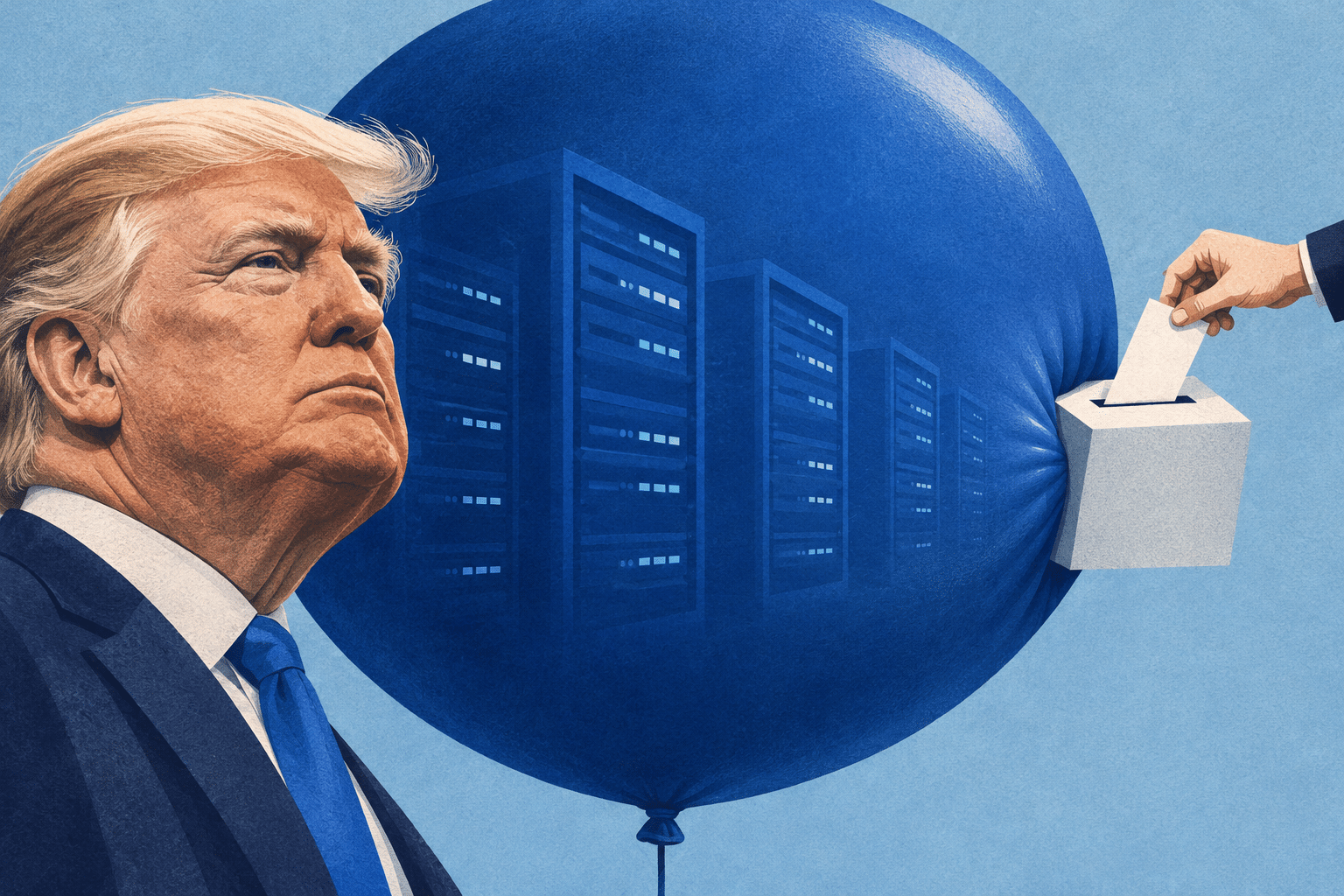
Nvidia has been central to the sector because its processors are widely used in AI computing, tying its share performance to sentiment across a much broader group of companies.
Its stock surged on Monday after the company’s board reinstated Jensen Huang as chief executive, a decision that briefly supported other technology shares after earlier losses.
The recovery did not settle investors’ questions about AI profitability or corporate governance, and the sector resumed its retreat in the following sessions.
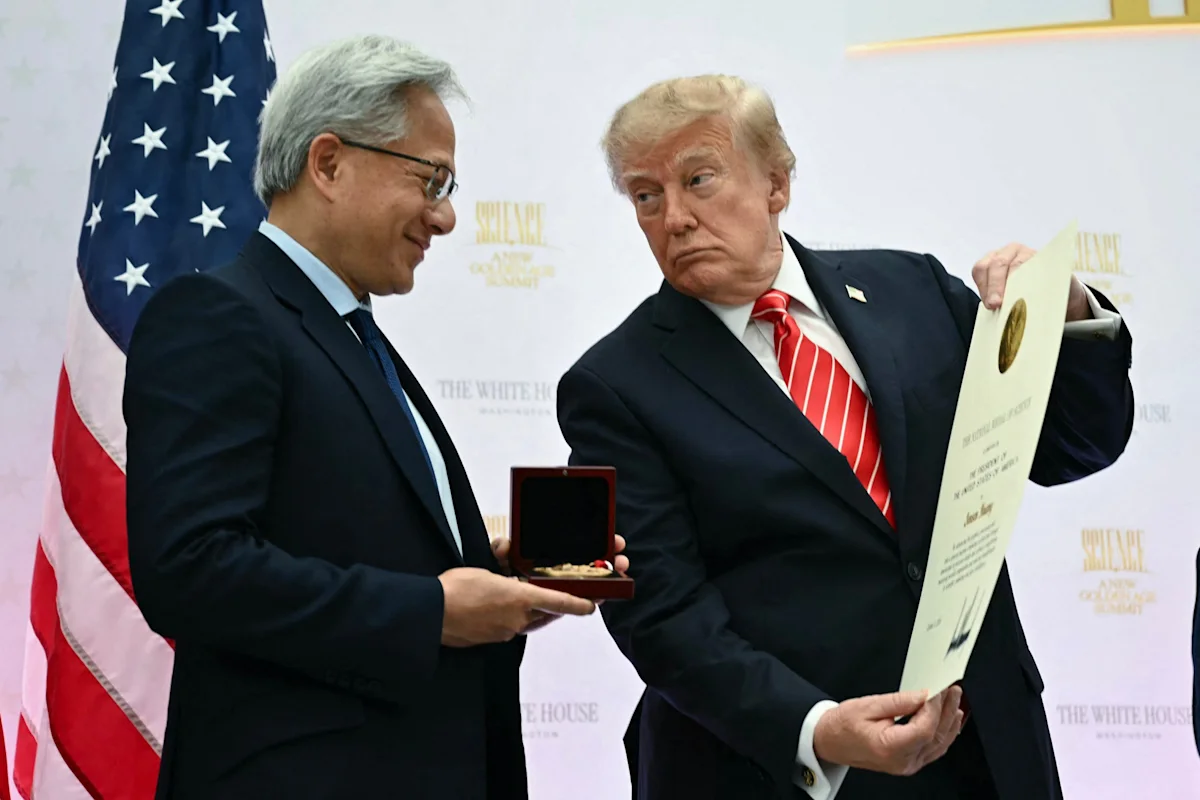
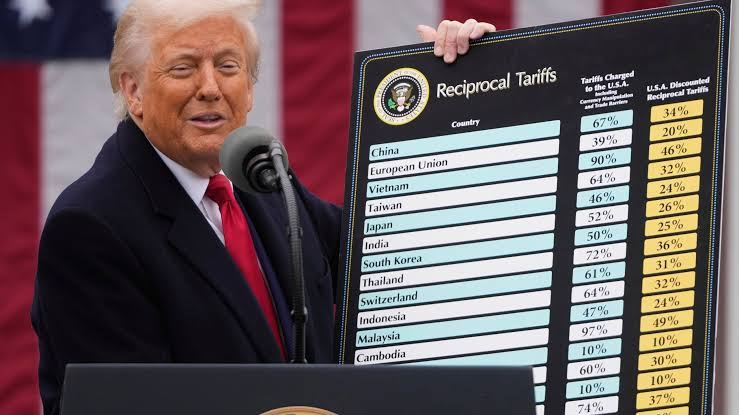
Meanwhile, the Trump administration announced proposals on Wednesday for duties on goods from 14 economies after an investigation into what it calls excess manufacturing capacity.
The measures are proposals rather than duties already in force, and the trade representative’s office is seeking public comment before making decisions about the final actions.
Changes to trade policy could affect business costs and global supply chains, but the effect on any particular company would depend on the goods covered, exemptions and final rules.
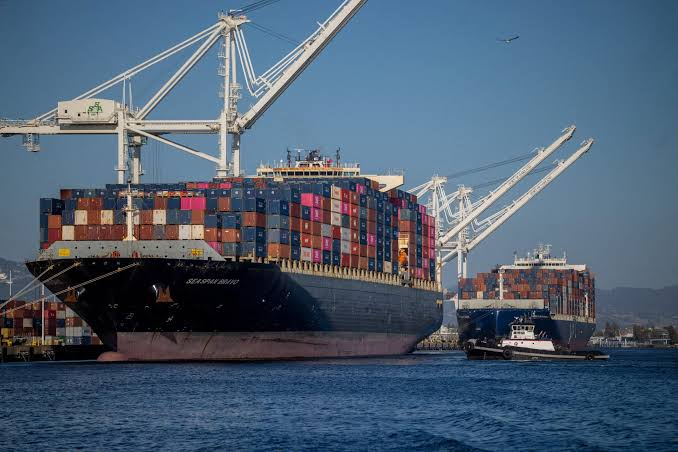
Investors also received a separate inflation report showing that the personal consumption expenditures price index rose 3.8% in October from a year earlier, compared with 3.6% in September.
Persistent inflation can influence expectations for Federal Reserve interest rates, which in turn affect borrowing costs and the value investors place on companies’ expected future earnings.
The result on Wednesday was a volatile session rather than a market rescued by one announcement, with AI valuation concerns, inflation and tariff uncertainty all weighing on sentiment.
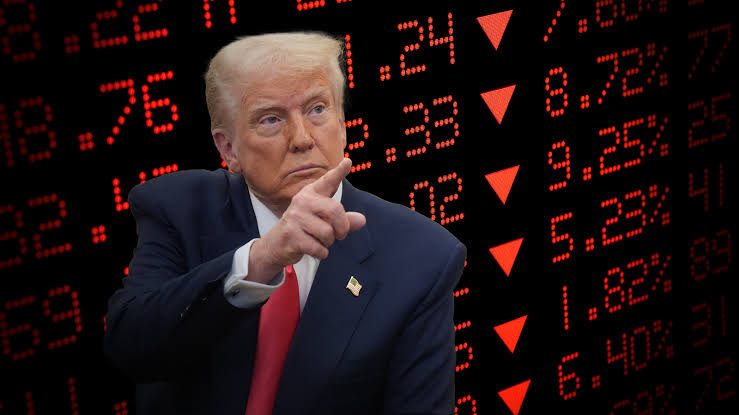
Nvidia dropped more than 9% during the session before closing down 3.9%, extending its retreat for a second day after Monday’s rally following Huang’s return.
The S&P 500 fell as much as 3.2% before ending down 0.3%, while the Nasdaq recovered from a 4.6% intraday slide to close 0.6% lower.
The Dow Jones Industrial Average finished up 0.3%, and roughly three quarters of S&P 500 stocks rose, showing that Wednesday’s weakness was concentrated in influential technology shares.
The selling in AI stocks began before the tariff announcement, and the simultaneous developments do not establish how much of any individual company’s decline was caused by the proposals.
With US markets closed for Thanksgiving and the next stock session shortened, investors will return to the unresolved questions of AI returns, inflation and the administration’s proposed trade measures.
Comments (0)
Loading comments...
May You Like

10,000 CIA AND U.S. SPY RECORDS LEAKED—3 INTELLIGENCE AGENCIES ORDER EMERGENCY REVIEWS!

IRAN THREATENS SHIPS OVER HORMUZ PASSAGE AFTER CLAIMING A MINE STRIKE

IOWA NIGHTMARE: SECOND ARMY BLAST, 10,000 EVACUATED, 201+ HOSPITALIZED!









Popular Posts




