
Terrence Howard Eyes the White House: His Surprising Presidential Ambition and the Proposal He Wants Trump to Hear
Terrence Howard Eyes the White House: His Surprising Presidential Ambition and the Proposal He Wants Trump to Hear
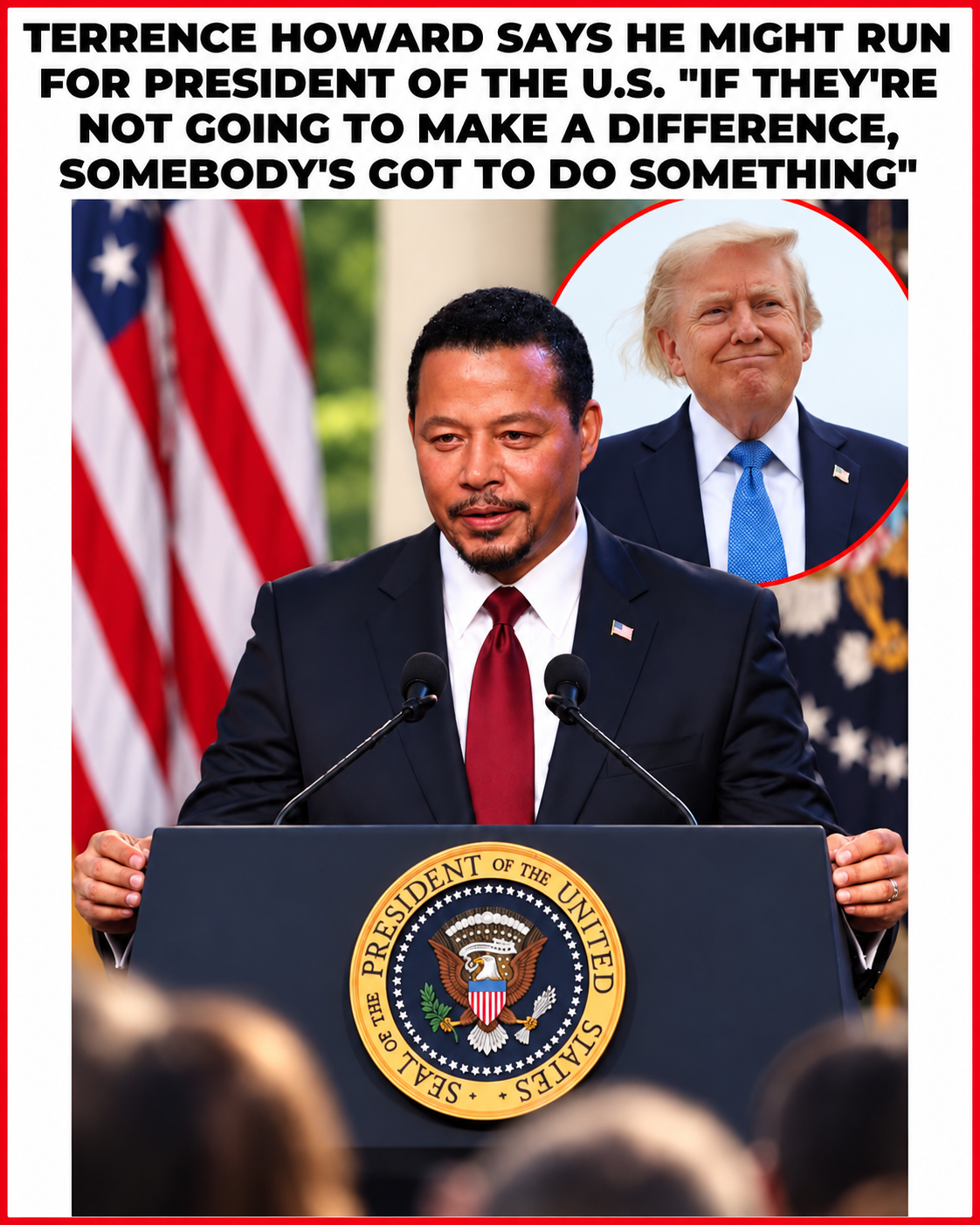
Hollywood actor Terrence Howard has introduced an unexpected possibility into the conversation about America’s political future: he says he would consider becoming president if the country’s leaders fail to deliver meaningful change.
The remark came during a conversation with TMZ in New York City on October 28, 2026, when the actor was asked about voting in the approaching midterm elections. Instead of limiting his answer to Congress, Howard spoke about the White House.
Howard told the outlet that he looked forward to becoming president. When asked whether he was serious, he argued that someone needed to act if the people already in power were not making a difference.
The comments attracted attention because Howard is best known for his work in entertainment, including the television series Empire and the films Hustle & Flow and Iron Man, rather than for electoral politics.
Yet the most consequential part of the conversation was not his personal ambition. Howard also outlined an unusually sweeping proposal related to reparations for descendants of enslaved Americans.
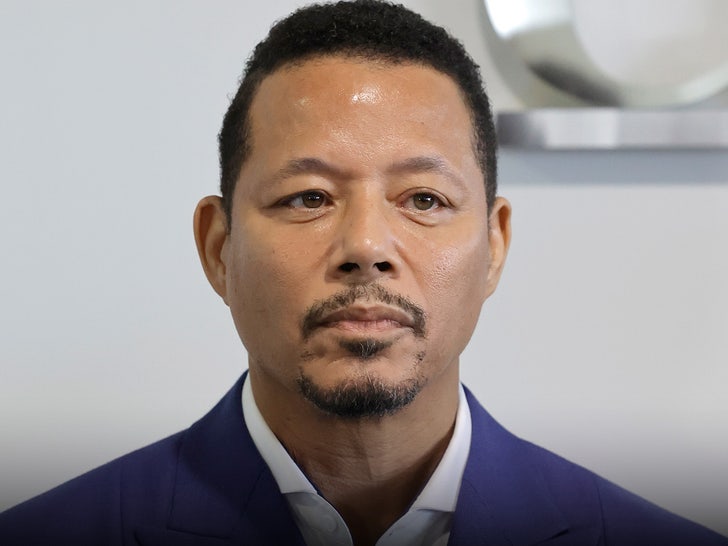
He suggested that qualifying descendants should be exempt from federal taxes for the next 400 years, a measure he believes could address economic disadvantages connected to the history of slavery.
Howard framed the idea as a way to keep more resources within Black communities and encourage long-term investment. It was a broad political proposition, not a detailed piece of proposed legislation.
The actor said he would like to discuss the issue with President Donald Trump. That desire to engage Trump complicates any simple interpretation of Howard’s remarks as an endorsement of one political party.
He also discussed rapper Nicki Minaj’s public relationship with Trump, raising questions about the responsibilities and opportunities that come with celebrity access to political power.
Howard’s comments were made days before the November 3 midterm elections, when control of Congress and the direction of federal policy were central concerns for voters.
The timing gave the remarks additional visibility. A celebrity speaking about the presidency during an election season can quickly become part of a wider debate over leadership and public dissatisfaction.
However, there is a crucial distinction between expressing presidential aspirations and launching a campaign. Howard has not publicly announced a formal candidacy, party affiliation, campaign organization or election timetable.
Nor has he explained how his proposed tax exemption would be defined, funded, administered or reconciled with existing federal tax law. Those questions would be central to any serious legislative discussion.
The proposal also sits within a much larger national debate over reparations. Supporters of reparative policies argue that historical injustice continues to shape present-day wealth disparities.
Critics raise questions about eligibility, implementation, costs and whether tax relief would be the most effective way to address inequality. Howard’s remarks did not resolve those disagreements.

His celebrity status creates another question: can the visibility that helps an entertainer command public attention translate into the political coalitions needed to govern?
Trump’s own move from entertainment and business into the presidency demonstrates that a famous public profile does not automatically prevent a candidate from winning high office. But it does not make every celebrity expression of interest a viable campaign.
For Howard, the next meaningful step would be concrete political action, such as a formal declaration, policy plan, campaign team or sustained engagement with voters. None of those steps was established by the interview.
For now, his remarks are best understood as a provocative statement of political ambition paired with a far-reaching proposal for economic redress.
Whether Howard ever seeks the presidency remains unknown. What is already clear is that his comments have placed questions about reparations, political accountability and the role of celebrities in American public life back into the spotlight.
Comments (0)
Loading comments...
May You Like

STORM WARNING: MILLIONS FACE EVACUATION, MACY'S GIANT BALLOONS GROUNDED!

AMERICA'S ECONOMY IS GROWING — SO WHY ARE AMERICAN FAMILIES STILL STRUGGLING?

FCC CLEARS SPACEX FOR ONE MILLION AI SATELLITES AS ASTRONOMERS SOUND ALARM













