
THANKSGIVING NIGHTMARE: OVER 1M BLACKOUTS, NEARLY 2M WATER ALERTS!
NEW YORK — November 27, 2026 — A powerful series of storms swept across the United States during Thanksgiving, bringing destructive winds, widespread flooding and heavy snowfall as millions of Americans gathered for one of the nation's most important holidays. What began as a weather-related travel emergency quickly developed into a broader infrastructure challenge involving electricity, transportation and public water systems.
Emergency officials monitored deteriorating conditions across multiple states as falling trees damaged electrical infrastructure, rising water blocked major roads and airlines struggled to maintain holiday schedules. Along the Eastern Seaboard, wind gusts reached approximately 70 mph, placing residential neighborhoods, coastal communities and essential public services under considerable pressure.
According to reporting by Reuters and the Associated Press, the storms left hundreds of thousands of homes and businesses without electricity, while emergency declarations were issued in parts of the Northeast. The disruption also forced New York City to postpone its historic Thanksgiving Day parade, an unprecedented weather-related interruption to a century-old American tradition.
The most significant questions, however, extend beyond canceled flights, flooded streets and damaged power lines. As utility companies work to restore electricity, attention has turned toward the vulnerability of interconnected public infrastructure and the possibility that prolonged disruptions could affect access to essential resources.
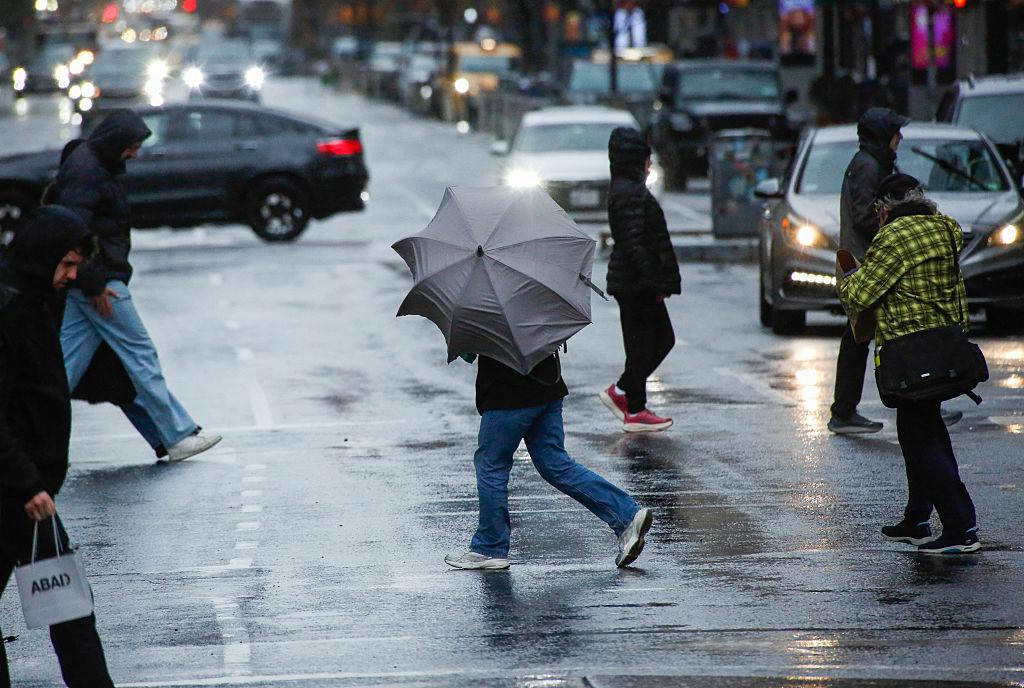
Thanksgiving traditionally represents one of the busiest periods of domestic travel in the United States. Families journey hundreds of miles to reunite with relatives, airports operate under increased demand, and highways become crowded with travelers returning to their hometowns. This year, severe weather introduced an additional challenge for communities already managing the pressures of the holiday season.
Across the East Coast, intense rainfall and powerful wind gusts created conditions capable of damaging trees, utility poles and electrical distribution networks. Saturated soil made some trees more vulnerable to being uprooted, increasing the potential for additional infrastructure damage even in neighborhoods where buildings remained largely intact.
Coastal communities faced a different combination of hazards. Strong winds pushed seawater toward the shoreline during periods of unusually high tides, increasing the likelihood of flooding in residential areas, commercial districts and transportation corridors. In some locations, the flooding made ordinary journeys difficult or impossible.
The timing of the storm complicated emergency operations. Utility crews, transportation authorities and local governments had to respond while large numbers of people were traveling or staying away from their primary residences. Families hosting holiday gatherings also faced unexpected challenges as interruptions affected cooking, heating, refrigeration and communication.
The combination of these problems demonstrated how quickly a major weather event can move beyond inconvenience and begin disrupting services essential to everyday life.
Electricity is among the most important services during a severe weather emergency. Although a temporary interruption may initially appear manageable, extended outages can create increasingly serious consequences for residential communities, businesses and public institutions.
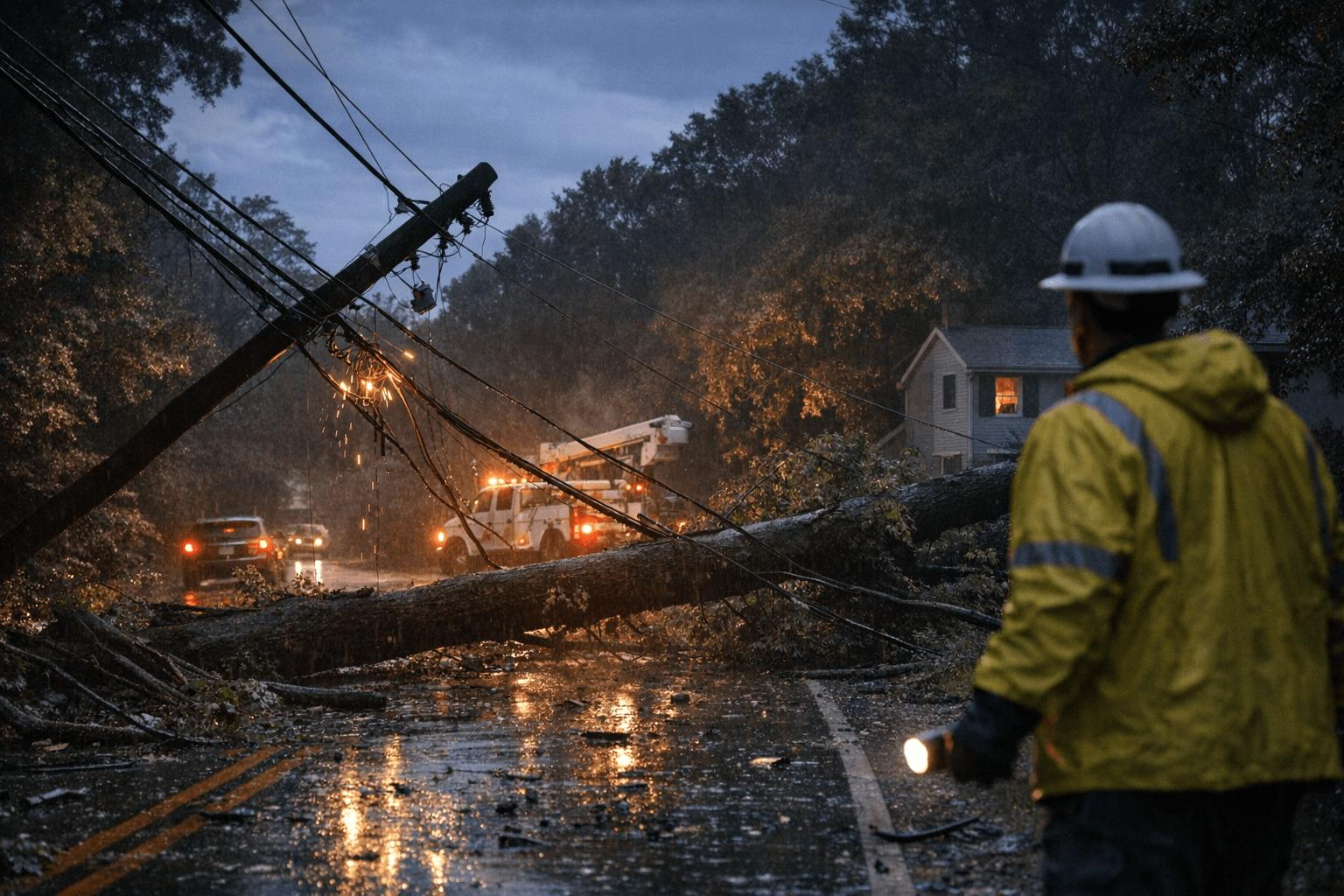
Utility companies must also manage the consequences of damaged distribution networks. Restoring electricity involves more than restarting generating facilities. Crews may need to remove fallen trees, replace damaged equipment, inspect electrical lines and establish safe access to affected locations.
In heavily flooded neighborhoods, restoration may become more complicated because damaged roads and standing water can prevent utility vehicles from reaching certain areas. Strong winds can also limit when workers are able to conduct repairs safely.
These challenges help explain why neighboring communities sometimes experience significantly different recovery times. A relatively minor equipment failure may be resolved quickly, while extensive damage to local distribution networks can require more complicated repairs.
The ultimate duration of an outage depends on the severity of the damage, accessibility of affected infrastructure and the resources available to utility companies.
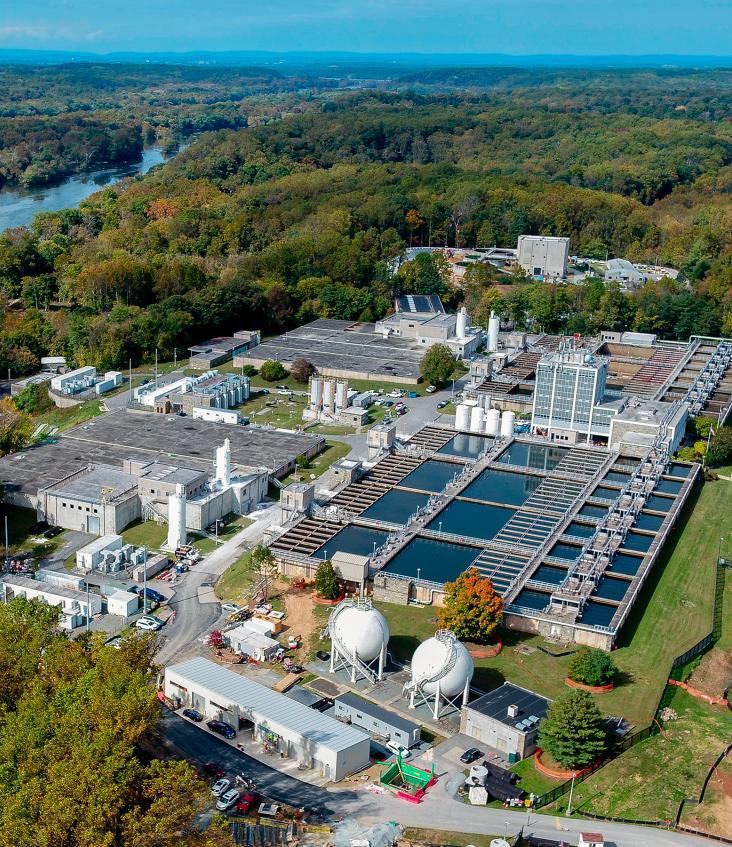 Water treatment plants must process incoming water, operate filtration equipment and maintain systems that help ensure drinking water meets established safety standards. Pumping stations subsequently move treated water into distribution networks, while storage facilities help maintain sufficient reserves and system pressure.
When electricity becomes unreliable, water utilities may need to depend on emergency equipment, alternative power arrangements or previously stored supplies. These measures can provide important protection, but their effectiveness depends on the circumstances of the disruption and the capacity of individual facilities.
A prolonged reduction in treatment or pumping capacity can become particularly concerning when demand remains high. During Thanksgiving, additional household activities such as cooking, washing dishes and accommodating guests can increase water consumption in some communities.
Water conservation requests are one method utilities use to reduce pressure on distribution systems while technical problems are addressed. By temporarily limiting nonessential consumption, customers can help preserve available reserves for drinking, sanitation and essential public services.
That distinction became especially important in communities surrounding the nation's capital during the Thanksgiving storm.
In one of the most significant infrastructure developments of the holiday, Maryland's WSSC Water issued an emergency conservation request affecting approximately 1.9 million customers across Montgomery and Prince George's counties.
The request was initially announced at 2:30 p.m. on Thanksgiving after intermittent electrical interruptions affected the utility's Potomac and Patuxent water filtration facilities. Both plants play important roles in supplying drinking water to communities throughout the Maryland suburbs of Washington, D.C.
Residents were asked to reduce unnecessary water consumption, take shorter showers and limit the operation of washing machines and dishwashers. The objective was to protect available water reserves, including supplies needed by firefighters during emergencies.
In its 9:30 p.m. update, WSSC Water reported that both facilities had electricity and were producing enough drinking water to meet demand. The utility also confirmed that the water remained safe to consume without boiling. However, the conservation request remained in effect because further electrical interruptions were possible.
The situation illustrates how a regional electrical disruption can create concerns affecting a considerably larger population. Even households that retain electricity may receive drinking water from facilities experiencing operational difficulties elsewhere.
It also demonstrates why maintaining reliable electricity at critical infrastructure facilities is particularly important during widespread weather emergencies.
While electrical disruptions affected communities across the eastern United States, coastal flooding presented a separate threat to residents living near the Atlantic Ocean and adjoining waterways.
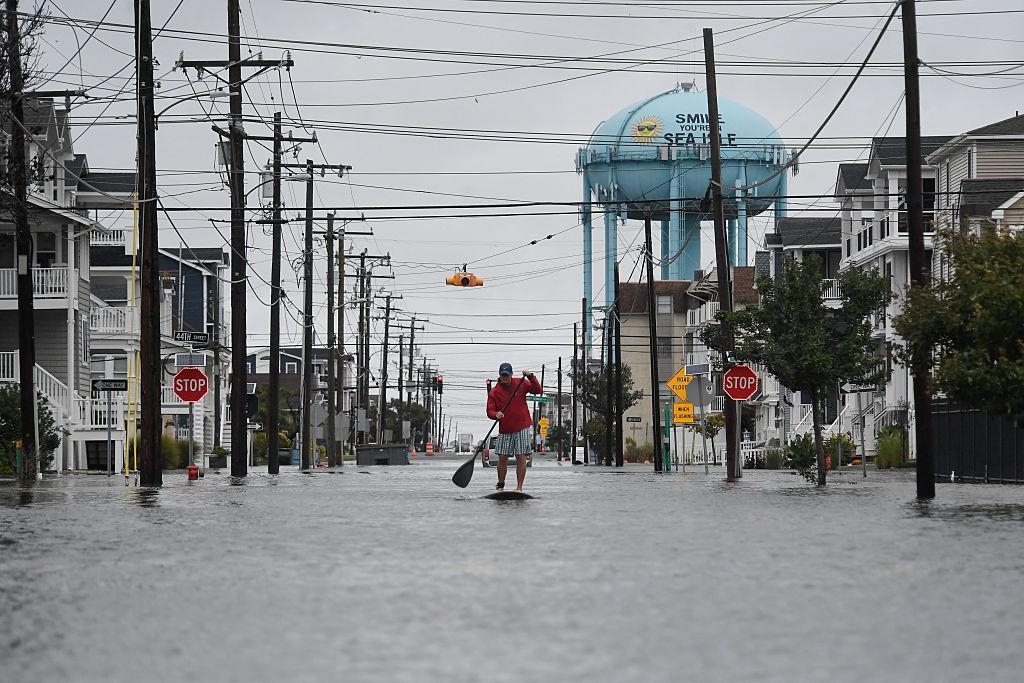
The combination of strong onshore winds and exceptionally high tides allowed seawater to move inland, affecting streets and low-lying neighborhoods. Unlike ordinary rainfall flooding, coastal inundation can occur when ocean water is pushed into areas that would otherwise remain accessible.
This creates additional challenges for local drainage infrastructure. When water levels in surrounding bays and coastal waterways remain elevated, stormwater may have difficulty flowing away from residential communities.
New Jersey experienced particularly concerning conditions along portions of its coastline. Authorities declared a statewide emergency as communities prepared for potentially damaging winds and repeated periods of tidal flooding. Coastal sections of Delaware, Maryland and Virginia also faced elevated risks.
 The economic consequences of coastal flooding can extend beyond the immediate weather emergency. Saltwater may damage vehicles, electrical equipment, residential buildings and commercial properties. Businesses may face temporary closures even after floodwaters begin receding, while residents could encounter cleanup expenses and transportation difficulties.
Flooded roads also complicate emergency operations by limiting access for firefighters, ambulance services and utility repair crews.
For New York City, one of the most visible consequences of the storm was the postponement of the Macy's Thanksgiving Day Parade. The event, which was marking its 100th edition, was rescheduled for Saturday because of concerns about dangerous weather conditions.
The decision reflected the particular challenges of operating a large outdoor event involving enormous balloons, elaborate floats, thousands of participants and extensive crowds in densely populated urban streets. High winds can create safety problems that extend beyond ordinary outdoor activities, particularly when large inflatable structures are involved.
The postponement marked the first weather-related rescheduling in the parade's history, according to Reuters.
Beyond the parade itself, New York faced transportation disruptions and concerns about flooding in vulnerable neighborhoods. The interruption demonstrated how even a metropolitan area with substantial emergency management resources can face significant operational challenges during severe weather.
For businesses that depend on holiday visitors, changes to major public events can also affect commercial activity. Hotels, restaurants, transportation providers and retail establishments may experience changes in customer traffic as visitors adjust their schedules.
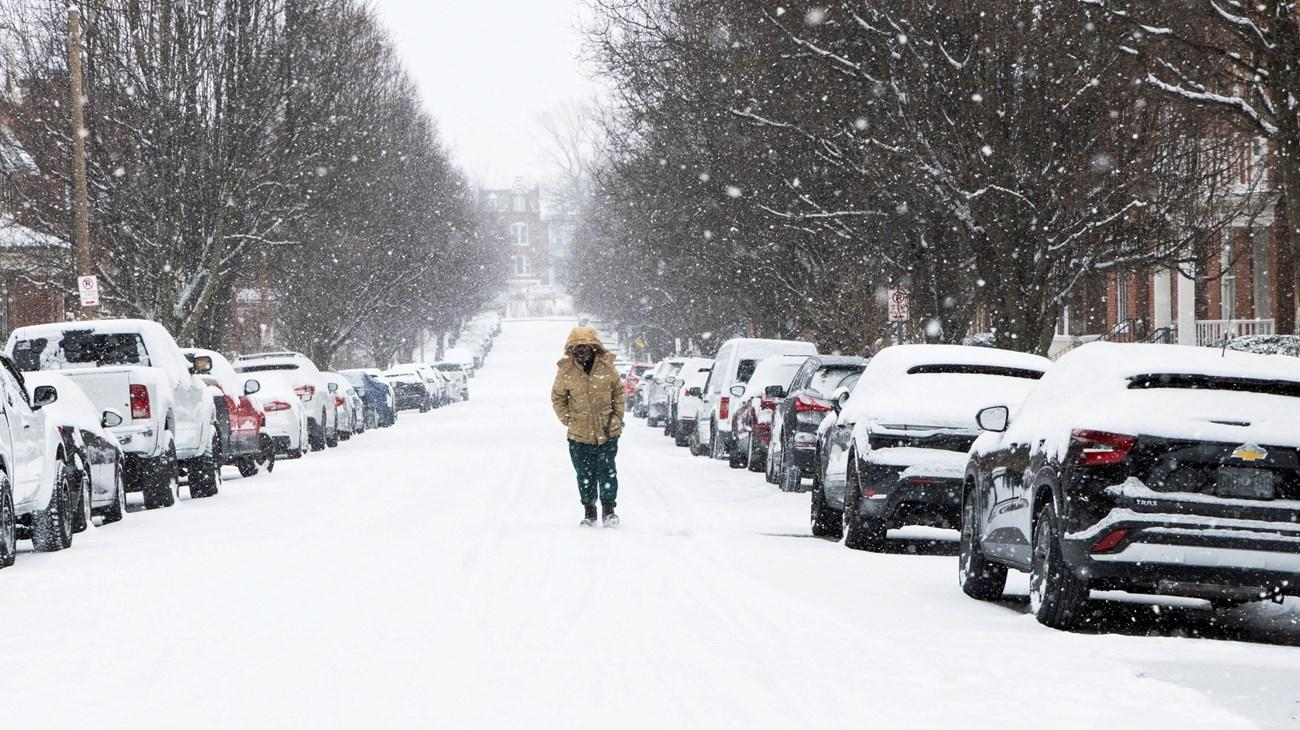
While much of the East Coast experienced heavy rainfall and coastal flooding, portions of the Midwest faced another form of severe weather. Eastern Missouri and western Illinois were among the areas affected by substantial snowfall, with winter weather alerts issued across parts of the region.
Some areas of Missouri recorded approximately 14 inches of snow during the Thanksgiving weather event.
Heavy, wet snow presents distinct challenges for electrical infrastructure because it can accumulate on tree branches and overhead power lines. As the weight increases, branches may break and fall onto utility equipment, producing outages even in locations far removed from coastal storms.
Snow-covered highways also complicate holiday transportation. Drivers may encounter reduced visibility, slippery surfaces and unexpected delays. Emergency response vehicles and electrical repair crews must operate under the same difficult conditions.
In communities experiencing both cold weather and prolonged electrical interruptions, maintaining adequate indoor temperatures becomes particularly important. Older residents, people with chronic medical conditions and households without alternative heating arrangements may be especially vulnerable.
The Midwest's experience underscored the geographical complexity of the Thanksgiving emergency. Communities separated by hundreds of miles encountered different hazards, but many experienced similar disruptions to essential services.
The severe weather arrived during a period of exceptionally high travel demand. Millions of Americans were traveling for Thanksgiving, creating additional pressure on airports, highways and other transportation systems.
FlightAware figures cited by Reuters recorded 454 cancellations and 2,411 delays involving U.S. flights on Thanksgiving.
Reuters
Airline disruptions can spread well beyond the geographical boundaries of a storm. Aircraft and flight crews operate through interconnected schedules, meaning delays at major East Coast airports can affect passengers traveling between destinations elsewhere in the country.
An aircraft unable to depart from New York or Washington may subsequently be unavailable for scheduled services in other regions. Crew scheduling requirements, airport congestion and changing weather conditions can further complicate recovery.
Highway disruptions create similar challenges. Travelers encountering flooded roads, fallen trees or heavy snowfall may be forced to change routes, postpone departures or arrange unexpected overnight accommodation.
The days immediately following Thanksgiving could remain challenging if transportation operators need additional time to restore normal schedules. Sunday, traditionally a major return-travel day, represents an important period for assessing whether the transportation network can recover before another increase in passenger demand.
By Thanksgiving evening, outage data provided a clearer picture of which states were experiencing the most significant electrical interruptions. One set of figures reported by Reuters, based on PowerOutage.us tracking, placed Pennsylvania among the hardest-hit states, with more than 235,000 utility customers without electricity.
New Jersey recorded more than 180,000 outages, while Maryland reported approximately 156,000 and Virginia about 132,000. Missouri experienced nearly 106,000 interruptions, followed by New York with more than 56,000 and Delaware with more than 21,000.
These figures represent a snapshot of changing conditions rather than permanent totals. Nationwide outages reached approximately 961,000 customers during Thursday evening.
Pennsylvania's substantial outage count highlighted the vulnerability of inland electrical distribution networks to wind and falling trees. New Jersey faced the combined pressure of electrical interruptions and coastal flooding, while Maryland experienced the additional challenge of maintaining reliable drinking water production.
Virginia and Delaware faced risks associated with strong winds and coastal water levels. Missouri's situation was distinguished by heavy snowfall, while New York experienced disruption to transportation, public events and residential infrastructure.
Other areas requiring attention included North Carolina, West Virginia, Illinois and parts of southern New England. Separate weather hazards, including exceptionally high tides along the Pacific Coast, also affected communities in California, Oregon and Washington.
The Thanksgiving weather event had national consequences for transportation and affected critical services across numerous states. However, a nationwide infrastructure emergency would require substantially broader or more persistent failures than those established by the available reports.
The most immediate concerns involve communities where multiple disruptions overlap. A household experiencing electricity loss, restricted transportation and reduced access to essential services faces considerably greater difficulties than one dealing with a short electrical interruption alone.
Maryland's conservation request demonstrates why emergency planners must consider the interdependence of electricity and water infrastructure. New Jersey's coastal flooding illustrates the importance of maintaining access for emergency personnel, while Missouri's snowfall highlights the risks associated with losing electricity during cold weather.
Recovery will depend on the extent of physical infrastructure damage, the availability of repair crews and whether additional weather conditions interfere with restoration efforts. For affected households, the most important indicators remain local utility restoration estimates, drinking water advisories and official weather warnings.
As the Thanksgiving weekend continues, the broader question is no longer simply how powerful the storms were when they arrived. It is how effectively America's essential infrastructure can recover when several regions experience significant disruptions at the same time.
The nearly 1 million electrical outages and Maryland's conservation request affecting 1.9 million customers have already demonstrated the scale of that challenge. Whether conditions develop into a more prolonged emergency will depend on the stability of electrical networks, water treatment facilities and transportation systems in the days ahead.
Comments (0)
Loading comments...
May You Like

TRUMP CALLED FOR KIMMEL’S FIRING—THE FCC ACTED THE VERY NEXT DAY

AMERICA'S LUCAS DRONE — A POTENTIAL GAME CHANGER IN THE SOUTH CHINA SEA?

IOWA ENVIRONMENTAL DISASTER: 5-TON WASTE BLAST DISPLACES 3,000 FAMILIES!














