The Fed’s Inflation Fight Is Getting Harder as Higher Rates Collide...
WASHINGTON — The Federal Reserve is confronting a complicated inflation problem as higher energy prices, geopolitical shocks and persistent demand complicate efforts to bring inflation back toward its 2% target.
A More Complicated Inflation Fight
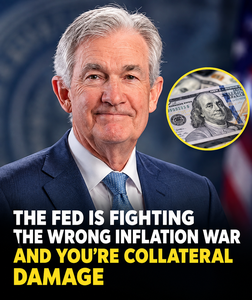
A recent opinion article framed the issue more sharply, arguing that aggressive rate increases could make workers, businesses and borrowers collateral damage in the inflation fight.
The article is commentary rather than a Federal Reserve statement, and its headline should not be interpreted as an official assessment by Fed policymakers about monetary policy effectiveness.
The debate intensified after the Fed raised its benchmark interest rate by a quarter percentage point on September 16, bringing the target range to 3.75% to 4%.
The move was the central bank’s first rate increase since 2023, reflecting concern that inflation remains above target despite earlier monetary tightening and changing economic conditions.
Fed officials said economic activity was expanding at a solid pace, while domestic spending remained resilient, productivity growth was strong and capital investment continued supporting overall activity.
Energy Prices Complicate the Picture
However, inflation has become harder to address because some recent price pressures originate from energy and supply disruptions that interest rates cannot directly eliminate.
August consumer prices rose 3.4% from a year earlier, according to the , while core inflation, excluding food and energy, increased 2.4%.
Energy prices were particularly important, rising 16.3% over the year through August, while gasoline prices increased 27.4%, according to the government’s latest inflation report.
Those figures help explain why some economists distinguish between demand-driven inflation, which monetary policy can influence, and supply-driven inflation caused by energy disruptions, tariffs or geopolitical events.
Chicago Fed President Austan Goolsbee recently said strong demand may now be adding to inflation alongside earlier supply shocks, suggesting the problem involves several forces simultaneously.
That distinction matters because higher interest rates can reduce borrowing, investment and spending, but they cannot directly increase oil supplies, reopen shipping routes or repair disrupted production networks.
The Cost of Higher Rates
The Federal Reserve nevertheless argues that monetary policy can influence inflation expectations and broader demand, helping prevent temporary supply shocks from becoming embedded in wages and consumer prices.
Fed Chair Kevin Warsh has emphasized that policymakers want inflation to return to the 2% target without unnecessarily damaging employment, although achieving both objectives could become increasingly difficult.
The Fed’s September projections showed officials expecting PCE inflation to remain above 2% through 2028, with the median forecast reaching 2% only in 2029.
Policymakers also projected unemployment at 4.1% through 2029, indicating that they currently see relatively limited labor-market deterioration even as monetary policy remains restrictive.
Critics of further rate increases argue that households already face elevated borrowing costs for mortgages, vehicles and business financing, while higher rates could weaken hiring and investment.
Supporters of tighter policy counter that allowing inflation to remain elevated can erode purchasing power and eventually require stronger measures, potentially creating greater economic disruption later.
What Comes Next?
The disagreement therefore centers partly on what is driving inflation and how quickly those pressures might fade, rather than simply whether the Federal Reserve should fight rising prices.
For consumers and businesses, the outcome will depend on incoming inflation, employment, energy and spending data, as the Fed weighs further rate changes against the risks of slowing economic activity.
Note: The graphic uses former Fed Chair Jerome Powell’s image, but Kevin Warsh is the current Federal Reserve chair in 2026. The “wrong inflation war” wording comes from an opinion article, not from Powell or an official Fed statement.
Comments (0)
Loading comments...
May You Like
FIGHT OVER OBAMA’S IRAN POLICY

OBAMA STEPS BACK INTO THE POLITICAL SPOTLIGHT
Shocking news from Ohio: an unexpected development ahead of Trump's rally