
THE ULTIMATE OUTRAGE
Olivia Wilde’s Fierce 2017 Attack on Trump: What Sparked It, and Why It Still Resonates
A viral quotation from the actress has a real backstory—but it happened years ago, not in the latest political news cycle.
Asharp political statement from actress and filmmaker Olivia Wilde is attracting attention again through images that circulate online. The words are unmistakably critical of Donald Trump, but the most important detail is the date: Wilde made the remarks in August 2017. Understanding that context changes the story from a supposed new celebrity confrontation into a look back at an especially turbulent moment in American politics.
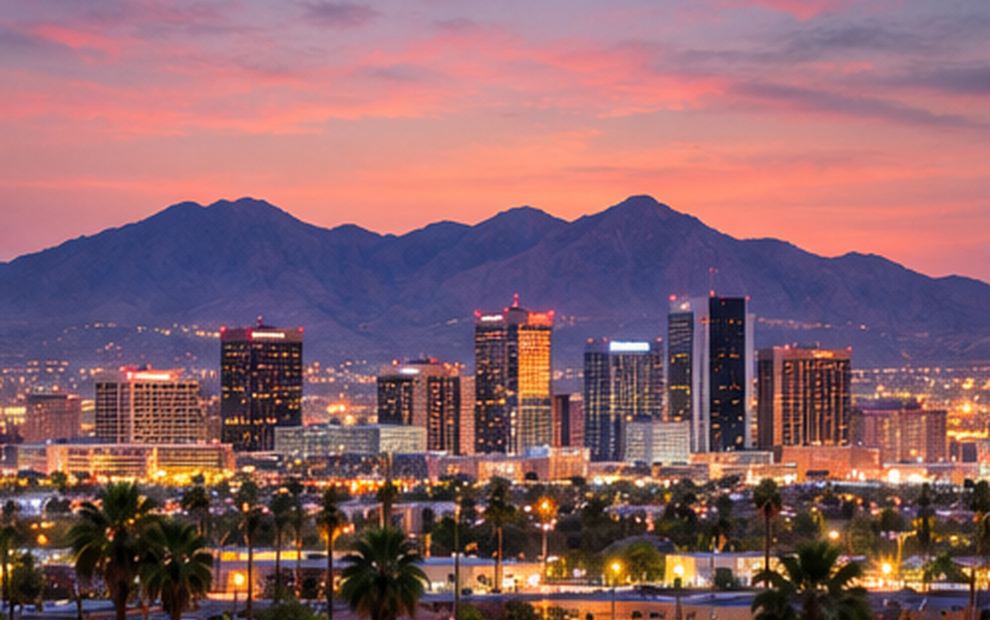
On August 23, 2017, Wilde used Instagram to express anger following Trump's speech the previous evening in Phoenix, Arizona. She opened with the words, “I despise Donald Trump with all my guts,” and continued with other strongly worded personal criticisms. Contemporary entertainment and political coverage documented the post, making its origin traceable rather than merely an unattributed quote on a graphic.
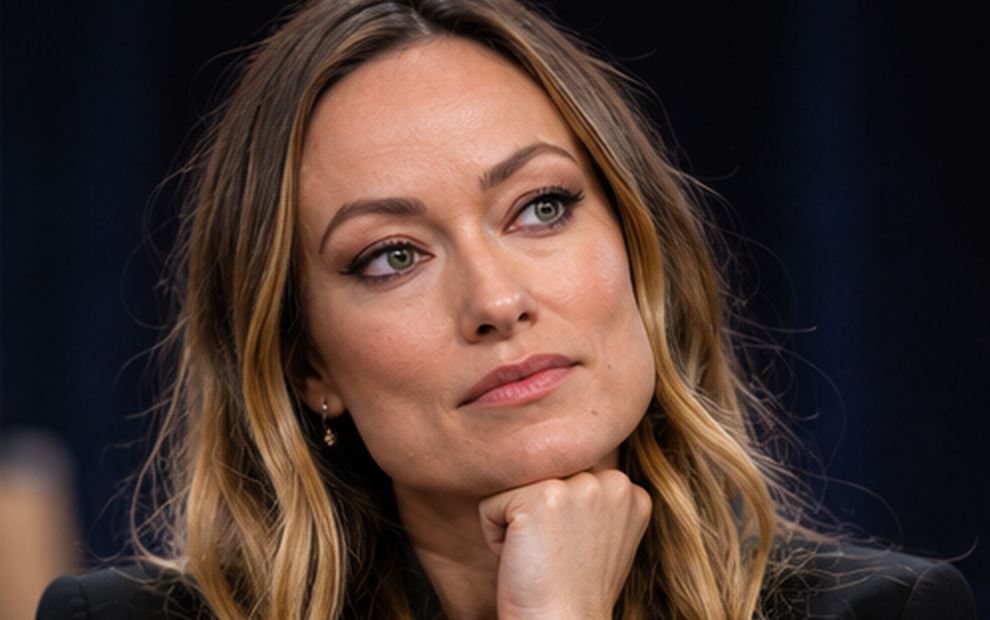
The message was blunt even by the standards of an unusually contentious political year. It did not attempt to sound like a formal policy statement or a carefully scripted endorsement of a rival politician. Instead, it expressed a celebrity's personal frustration with the president and invited the predictable backlash that often follows an unmistakable public political position.
Wilde's post followed the president's August 22 rally in Phoenix, where his remarks drew extensive scrutiny. The event occurred shortly after violent white-supremacist demonstrations in Charlottesville, Virginia, had intensified national arguments over presidential rhetoric, extremism and the responsibility of political leaders to condemn racism clearly.
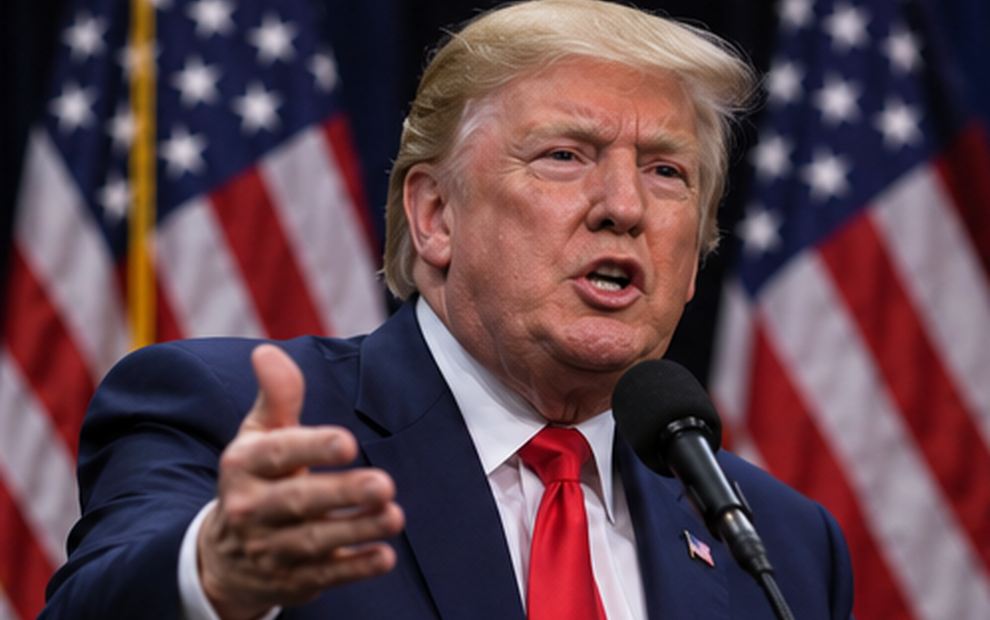
That broader context matters because an isolated image can erase the circumstances that gave a remark its urgency. Viewers encountering the quotation in 2026 may easily assume it refers to a current controversy. In fact, it records Wilde's reaction to a particular speech in the first year of Trump's first presidency.
Wilde had not suddenly entered politics in August 2017. Before Trump won the presidency, she was publicly critical of his language about immigrants. In a 2015 interview connected with a film screening about immigration, she objected to what she regarded as xenophobia in contemporary American political debate.
Her criticism also extended beyond interviews. During the 2016 election campaign, Wilde addressed the implications of political language for children and future generations, underscoring the degree to which she viewed presidential politics through questions of social values and personal responsibility.
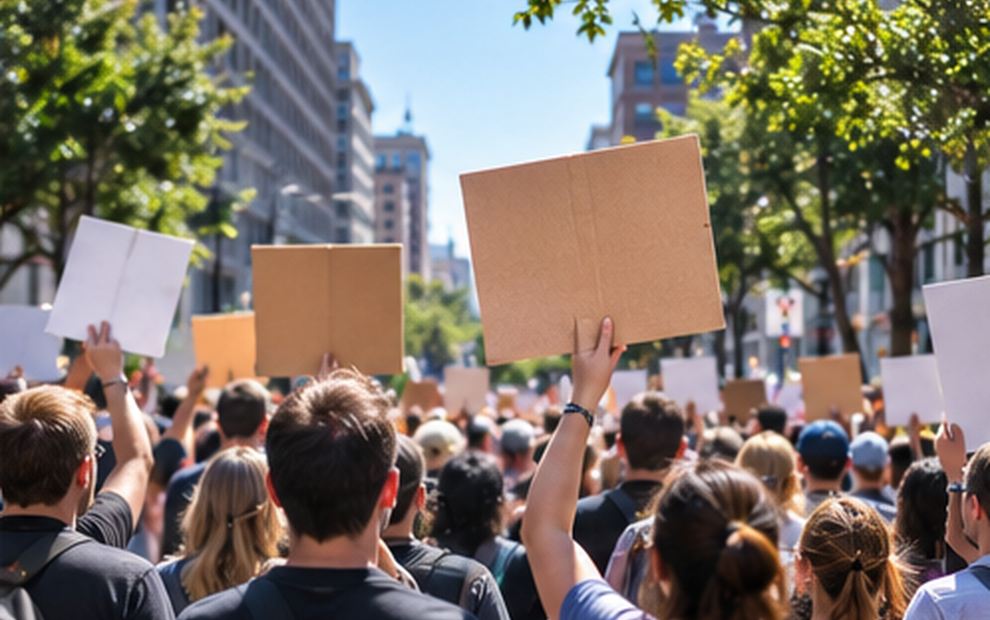
In mid-August 2017, Wilde took part in a protest outside Trump Tower in New York alongside actor Mark Ruffalo and filmmaker Michael Moore. That demonstration was connected to public anger following Charlottesville. The appearance showed her political engagement was not confined to messages posted from behind a screen.
Celebrity activism was an especially visible feature of the period. Actors, musicians, directors and television personalities spoke at rallies, raised money, encouraged voting and used their audiences to amplify social causes. Supporters considered this an exercise of civic responsibility; critics questioned whether fame gave entertainers undue influence over complex public decisions.
Wilde's statement sits directly within that argument. A performer with a large audience can put attention on an issue rapidly, but attention is not the same as persuasion. A forceful message may energize people who agree while leaving others feeling that the speaker has dismissed their concerns without engaging them.
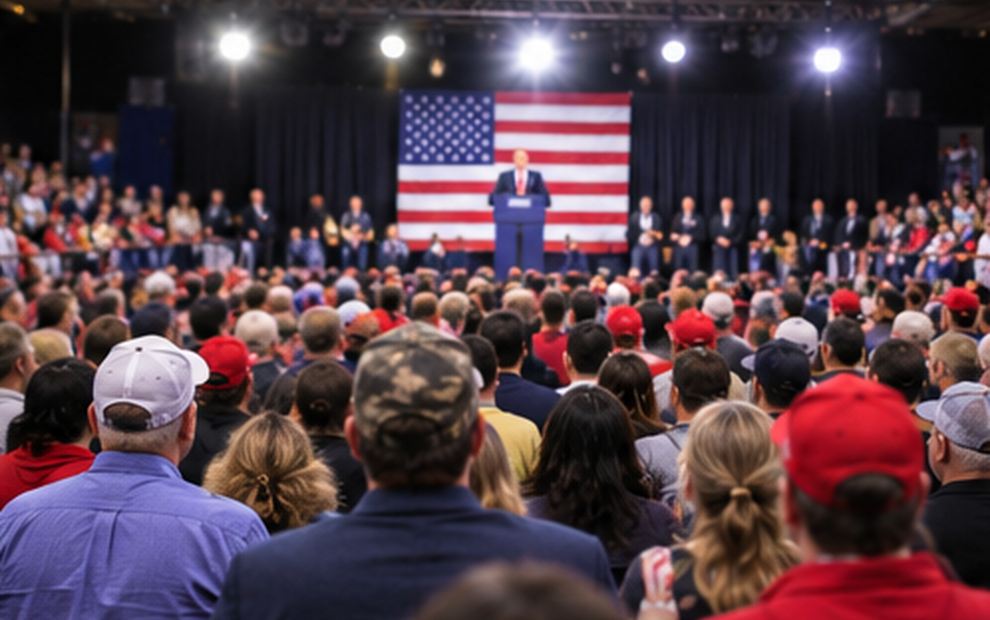
The political divisions surrounding Trump also created intense reactions to celebrity criticism. His supporters often described outspoken Hollywood figures as disconnected from ordinary voters. Opponents responded that entertainers, like other citizens, should be free to criticize elected officials without being told to remain silent about government affairs.
Those competing views help explain why an eight-year-old or nine-year-old quotation can appear newly provocative when it is circulated without its original timestamp. The language remains emotionally powerful, while the absence of a date may make an old comment seem like a response to whatever controversy dominates the present news cycle.
For readers, the key question is not simply whether Wilde used harsh language; the documented 2017 post establishes that she did. The more revealing question is what the image leaves out: the August 2017 timing, the Phoenix speech that immediately preceded her post and the broader public protests that shaped the political environment.
Her politics later appeared in discussions of her creative work. In an October 2022 interview about the psychological thriller Don't Worry Darling, Wilde said that comments by Trump had been among the references considered while developing the screenplay's imagined world of 1950s-style conformity and control.
The film's fictional community allowed Wilde to examine nostalgia, power, gender expectations and the pressures that make conformity appear attractive. Her interview did not turn the movie into a literal biography of Trump; instead, it offered insight into how contemporary political ideas can influence the themes filmmakers choose to explore.
This movement between public advocacy and artistic work is not unusual. Political values can shape the stories that directors tell, just as an artist's public profile can make audiences scrutinize the messages in their films. That connection can enrich discussion, but it can also reduce a complicated creative career to a single ideological label.
It is also important to distinguish verified history from claims that are not established. The 2017 Instagram quotation is documented. What the image alone does not prove is that Wilde issued the exact same statement again in 2026, that Trump responded to it recently or that a new personal feud has started between the two.
Nor does the existence of the quote establish how all of Wilde's fans feel about her politics. Celebrity audiences are rarely politically uniform. Some may admire her candor, others may reject her choice of words, and many may be more interested in her acting and filmmaking than in statements about presidential campaigns.
There is a broader media lesson in the quotation's continued circulation. Political graphics often compress complex events into a memorable face and a few sentences. That format is effective at grabbing attention, yet it can obscure dates, remove context and encourage readers to infer developments that did not actually occur.
Wilde's words remain a striking record of the resistance to Trump during his first year in office. Their lasting significance lies not in a fabricated new clash, but in what they reveal about celebrity speech, political polarization and the speed with which old statements can re-enter public debate when their original context is forgotten
Comments (0)
Loading comments...
May You Like

FCC CLEARS SPACEX FOR ONE MILLION AI SATELLITES AS ASTRONOMERS SOUND ALARM

KUWAIT DRONE ATTACK SPARKS TENSION BETWEEN ISRAEL, THE U.S AND IRAN

THANKSGIVING NIGHTMARE: OVER 1M BLACKOUTS, NEARLY 2M WATER ALERTS!

Latest Posts








Popular Posts




