
THE U.S. WITHDRAWS ITS AIRCRAFT CARRIER FROM NEAR IRAN — A BRILLIANT POLITICAL MOVE BY TRUMP?
U.S. AIRCRAFT CARRIER LEAVES THE MIDDLE EAST — BUT TRUMP WARNS AMERICA IS READY TO STRIKE IRAN AT ANY MOMENT
WASHINGTON, D.C., UNITED STATES — NOVEMBER 19, 2026
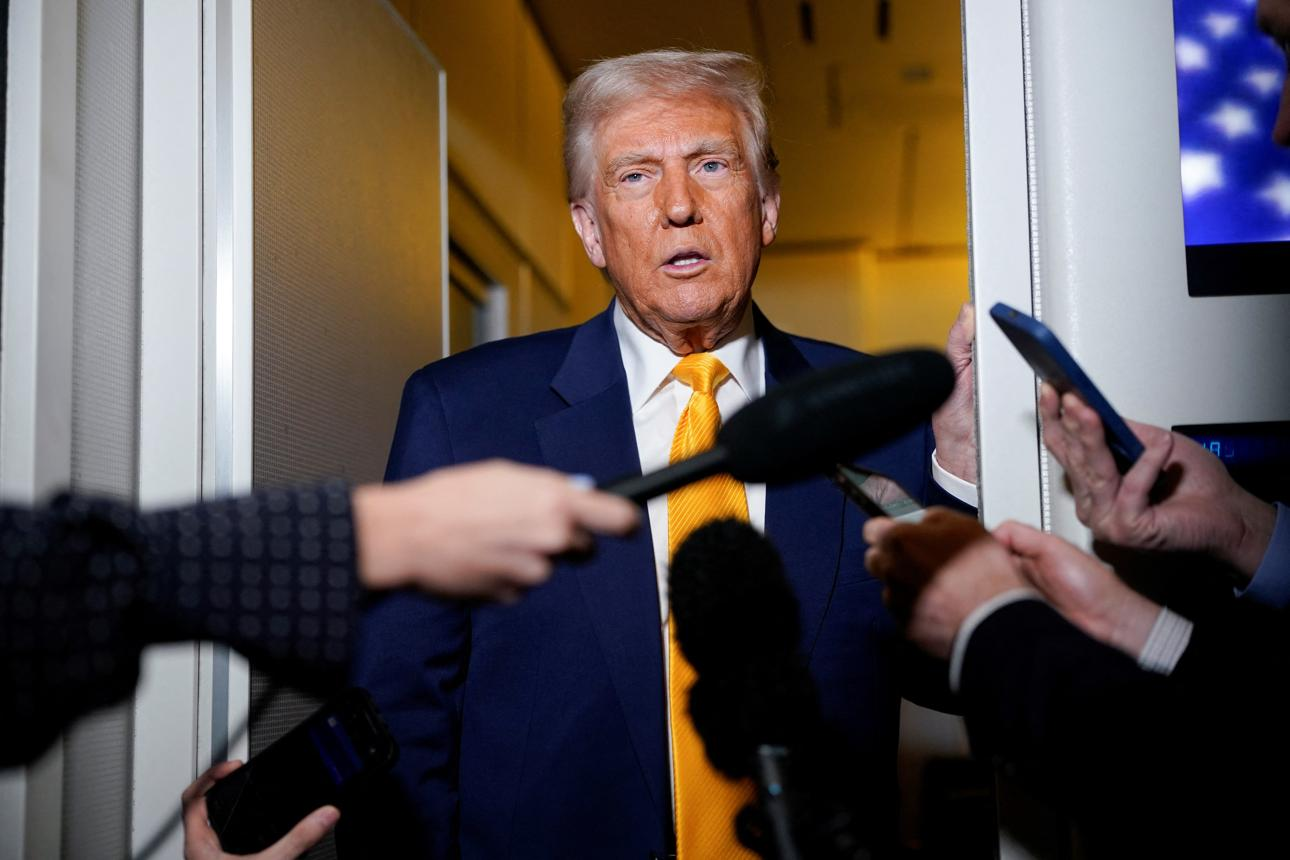
An American aircraft carrier reportedly withdraws from the Middle East. Two others remain in the region. Yet President Donald Trump continues to threaten military action against Iran.
The reported departure of the USS George Washington raises questions about Washington's military strategy and whether the United States is preparing to reduce its involvement in the conflict.
However, withdrawing one aircraft carrier does not necessarily mean abandoning the ability to launch major military operations.
The United States possesses extensive military capabilities beyond its carrier fleet, and Tehran could still face severe consequences if hostilities intensify.
Is America preparing to de-escalate the conflict, or is Washington simply repositioning its military forces while keeping pressure on Iran?
USS George Washington Officially Departs the Middle East
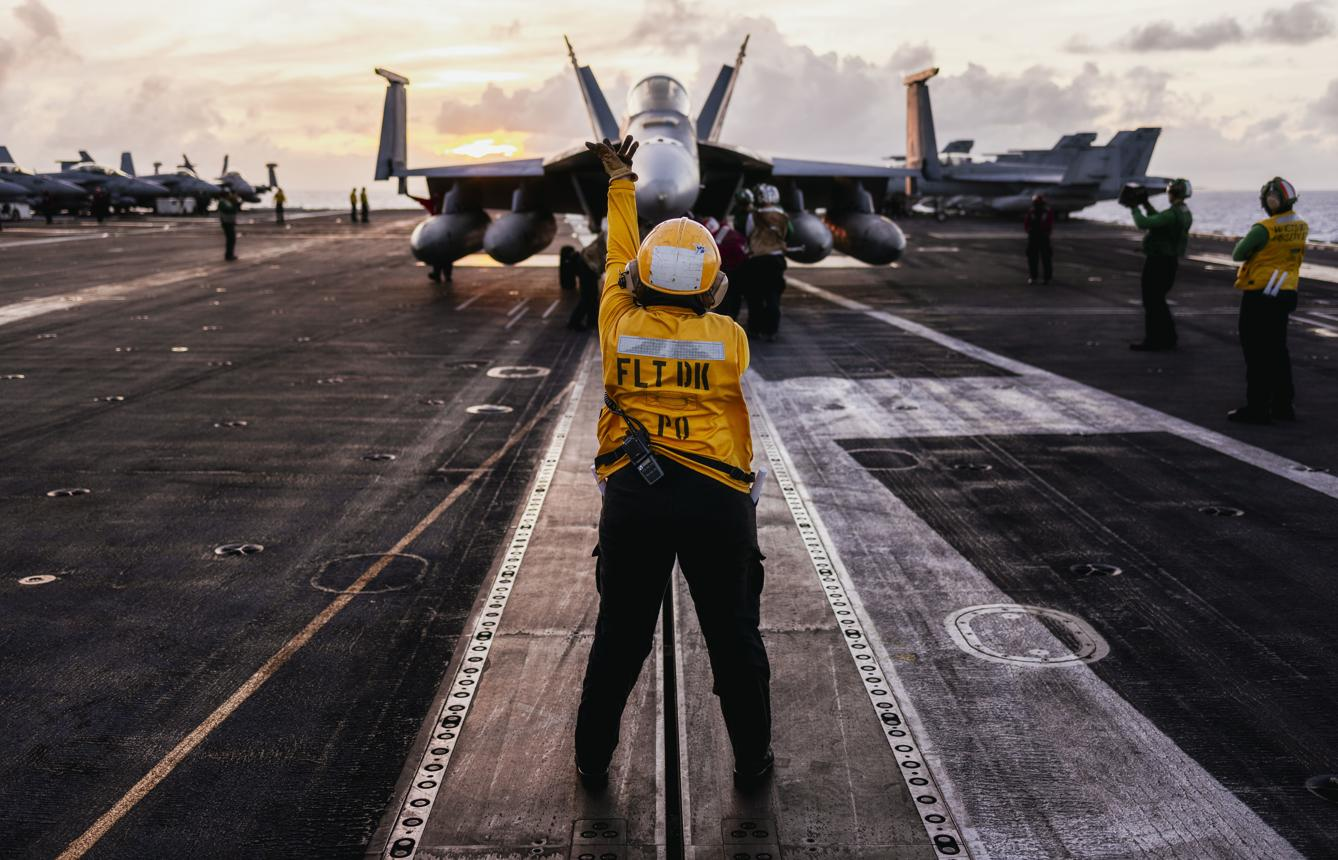
On November 18, a U.S. Pacific Fleet spokesperson confirmed that the USS George Washington had departed the Middle East following approximately three months of operations.
The Japan-based aircraft carrier has returned to the U.S. 7th Fleet's area of responsibility to conduct regular military operations.
Its departure came just days after another American aircraft carrier, the USS Theodore Roosevelt, arrived in the region.
The timing suggests a planned rotation of military forces rather than a complete withdrawal from the confrontation with Iran.
USNI News+1
America's Two Remaining Aircraft Carriers: A Formidable Fighting Force
Despite the departure of the George Washington, Washington maintains a substantial naval presence near Iran.
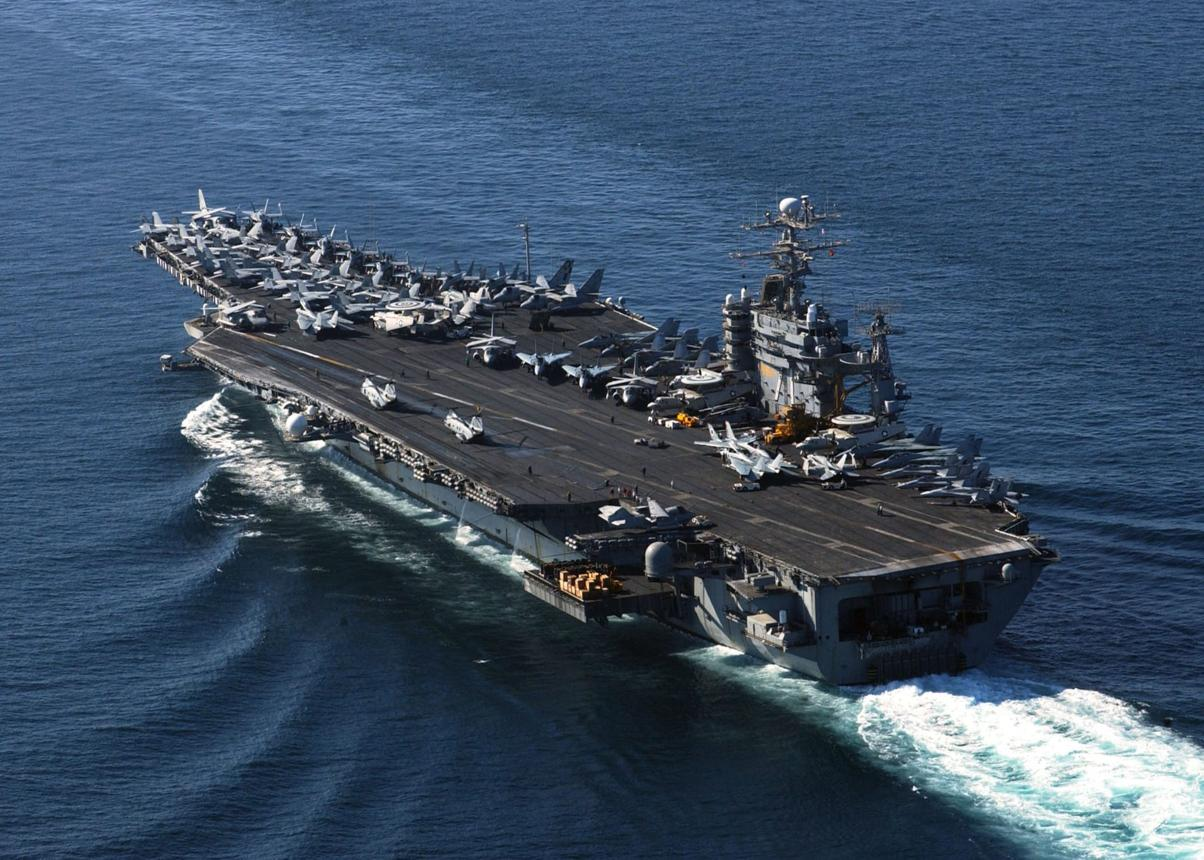
USS Theodore Roosevelt (CVN-71)
Nimitz-class nuclear-powered aircraft carrier. Arrived in the Middle East on November 15, bringing additional aircraft and thousands of military personnel.
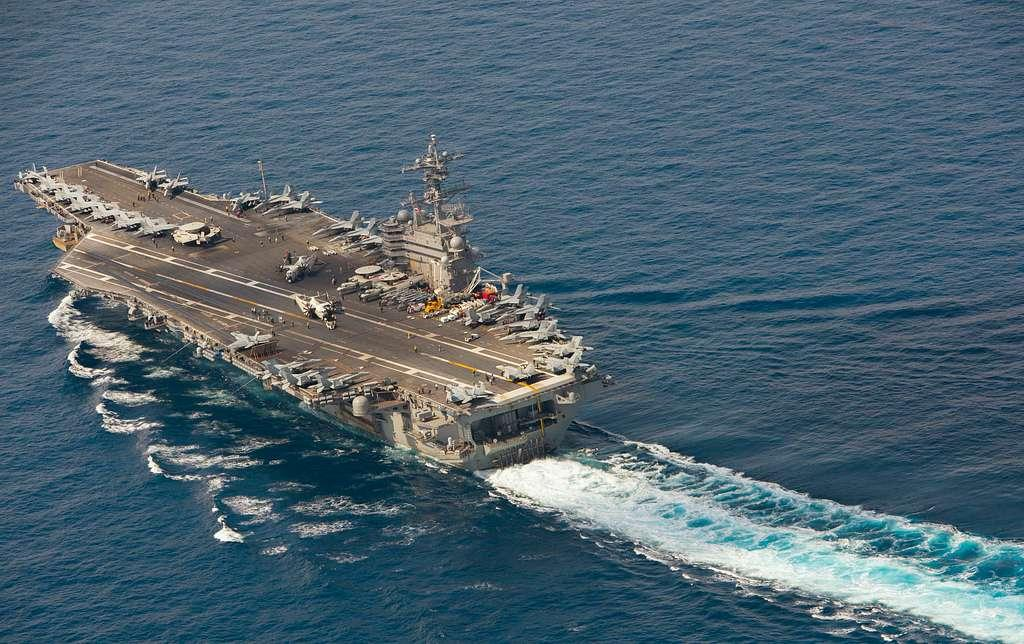
USS George H.W. Bush (CVN-77)
Nimitz-class nuclear-powered aircraft carrier. Has operated in the region since April, supporting American military operations against Iran.
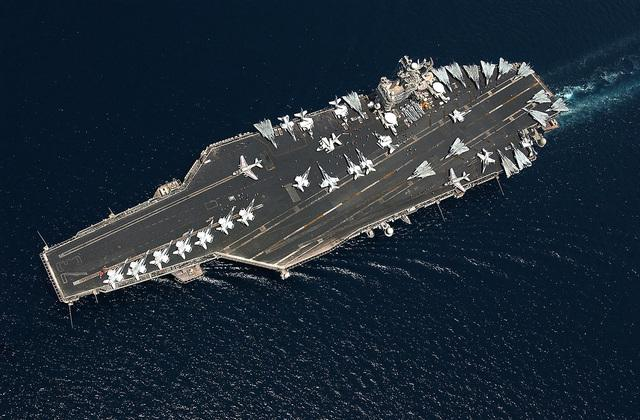
USS George Washington (CVN-73)
Departed the Middle East after approximately three months and returned to the 7th Fleet's operational area.
USNI News+1
The two remaining carriers are supported by numerous other American warships, maintaining considerable military pressure on Tehran.
America's Military Strategy: Withdrawal or Rotation?
U.S. aircraft carriers in the Middle East
Before November 15
2 carriers
November 15–18
3 carriers
Following the departure
2 carriers
Deployment sequence based on USNI News reporting. Illustrations represent carrier numbers, not precise fleet positions.
The Theodore Roosevelt's arrival briefly increased the American carrier presence to three before the George Washington departed.
This sequence is consistent with a military rotation designed to maintain operational continuity while relieving deployed personnel and equipment.
It also allows Washington to redistribute naval resources toward other strategic regions, including the Indo-Pacific.
USNI News
America has reduced its temporary concentration of aircraft carriers, but it has not abandoned its military presence near Iran.
Trump Sends Mixed Signals: America Is Still 'Locked and Loaded'
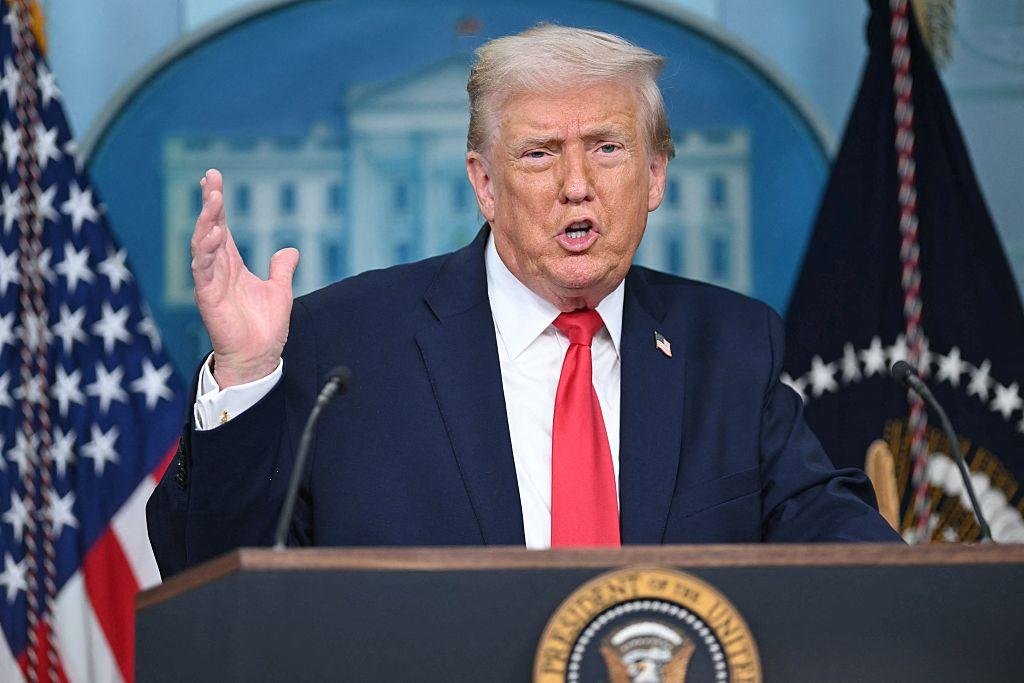
President Trump has delivered seemingly contradictory messages regarding the future of the war.
On one hand, Trump has suggested that another major offensive is unlikely and described the military phase of the conflict as largely concluded.
On the other hand, he has warned that American forces remain ready to respond should circumstances change.
AP News+1
According to Reuters, Trump recently indicated to senior advisers that he might refrain from further strikes unless Iran or Iranian-backed forces launch new provocations.
Saudi and Turkish leaders have also reportedly urged Washington to avoid returning to full-scale warfare.
Investing.com
The administration appears to be keeping military and diplomatic options open simultaneously.
America's Firepower Extends Far Beyond Aircraft Carriers
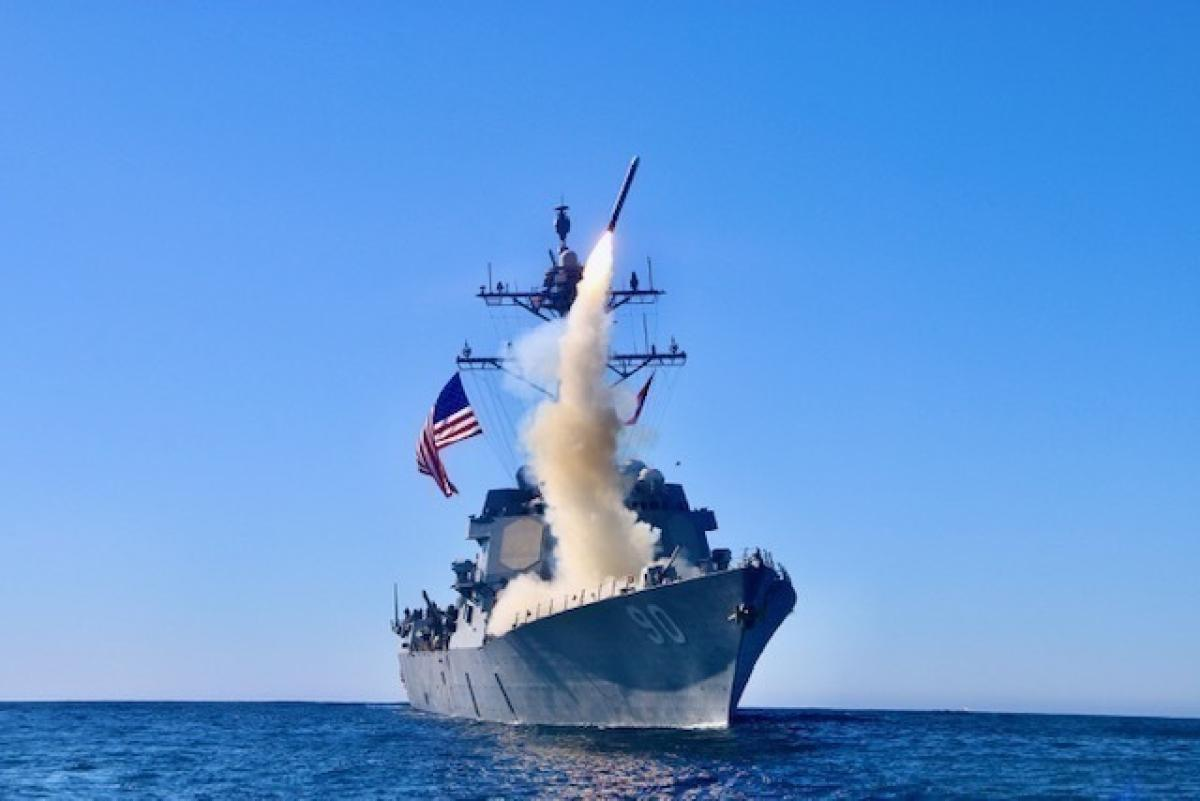
Aircraft carriers are among the most visible symbols of American military power, but they represent only one component of Washington's broader capabilities.
The United States also possesses:
-
B-2 stealth bombers capable of conducting long-range precision strikes.
Guided-missile warships equipped with advanced offensive and defensive weapons.
F-35 and F-22 stealth fighters supporting sophisticated aerial operations.
Nuclear-powered submarines capable of extended underwater deployments.
Intelligence and surveillance systems supporting military decision-making.
These capabilities mean that the departure of a single carrier does not eliminate Washington's ability to conduct major military operations.
However, the availability of these weapons for any particular mission depends on operational readiness, ammunition supplies and presidential authorization.
The Strait of Hormuz: America's Economic Pressure on Iran Continues
Use two fingers to move the map
Use ctrl + scroll to zoom the map
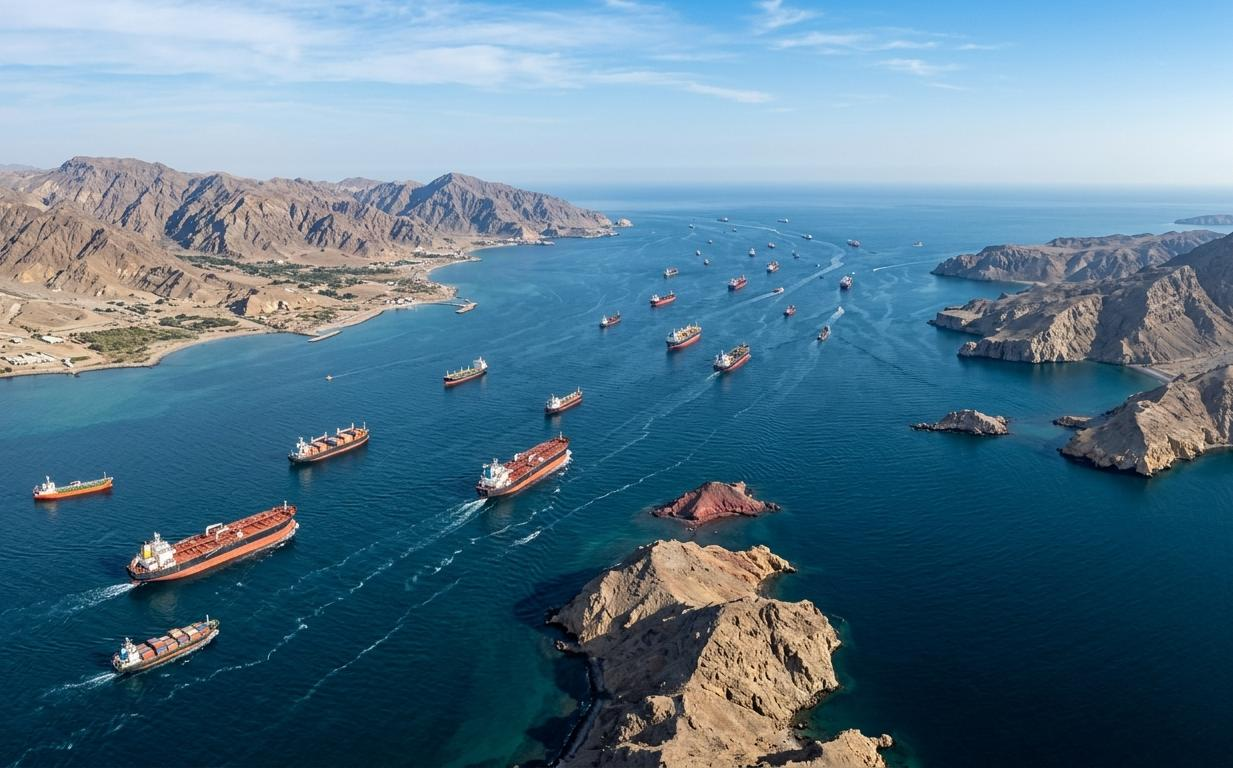
Regional geographic overview, not a map of current U.S. warship positions.
The remaining American carrier groups continue supporting Washington's naval blockade of Iranian shipping.
The blockade is intended to restrict Tehran's oil revenues and increase economic pressure on the Iranian government.
Before the conflict, the Strait of Hormuz served as a critical transportation route for global energy supplies. Disruptions to maritime traffic have contributed to rising energy prices.
AP News
For Washington, economic pressure offers an alternative to continuously launching expensive military strikes.
For Tehran, however, prolonged restrictions on oil exports could create severe financial and economic difficulties.
The Worst-Case Scenario for Iran: How Dangerous Could It Become?
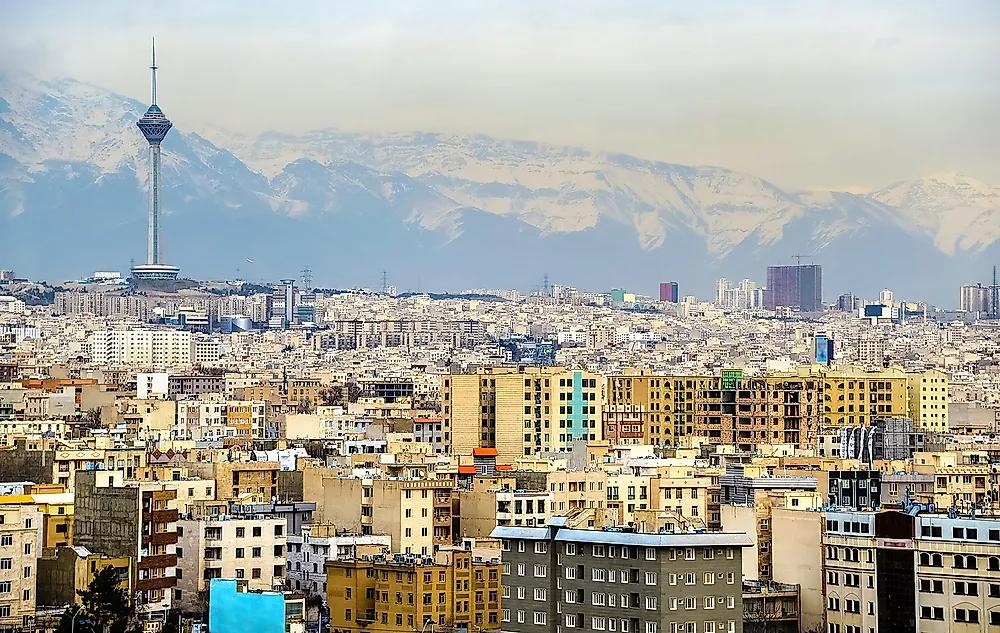
If diplomatic efforts collapse and Washington returns to large-scale combat, Iran could face several increasingly serious scenarios.
|
Potential scenario |
Possible consequences for Iran
Prolonged naval blockade
Declining export revenues and economic pressure
Renewed limited airstrikes
Additional damage to military assets
Expanded military campaign
Severe degradation of conventional military capabilities
Wider regional conflict
Greater economic disruption, casualties and political instability
The most dangerous scenario would involve prolonged warfare combined with severe economic isolation and an escalating cycle of retaliation.
Such a confrontation could also inflict devastating consequences on Iranian civilians, American military personnel and neighboring countries.
These scenarios are possibilities, not confirmed American military plans.
Could America's Own Weapons Shortages Limit Trump's Options?
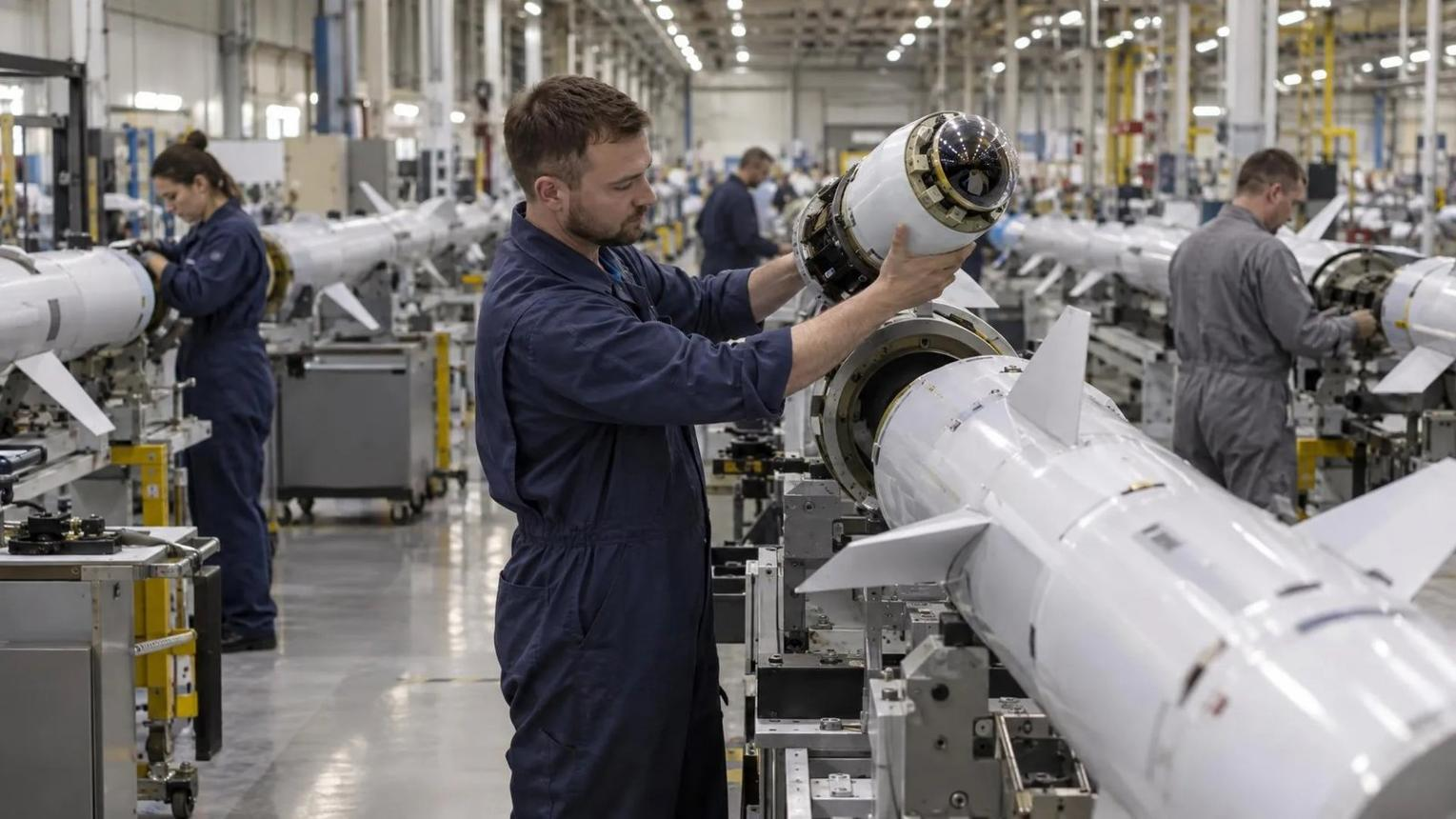
Despite America's considerable military advantages, the Pentagon faces challenges of its own.
Reuters reported that Trump had received intelligence briefings concerning declining inventories of certain advanced weapons.
The White House, however, maintains that the U.S. military possesses sufficient ammunition to achieve the president's strategic objectives.
Investing.com
The situation highlights a fundamental challenge of prolonged warfare.
Deploying aircraft carriers and possessing advanced military technology are important advantages, but sustaining combat operations requires reliable logistics and sufficient ammunition.
America's ability to launch another offensive does not necessarily mean that resuming full-scale warfare would be strategically beneficial.
Could American Taxpayers Face an Even Bigger Financial Burden?

Another major escalation could have consequences far beyond Iran.
Higher energy prices, additional defense expenditures and disruptions to global commerce could place considerable financial pressure on American households.
Meanwhile, public opposition to the war remains a political concern for the Trump administration.
A Reuters/Ipsos poll conducted shortly before the November 3 midterm elections found that 55% of Americans believed the war was not worth its cost.
Investing.com
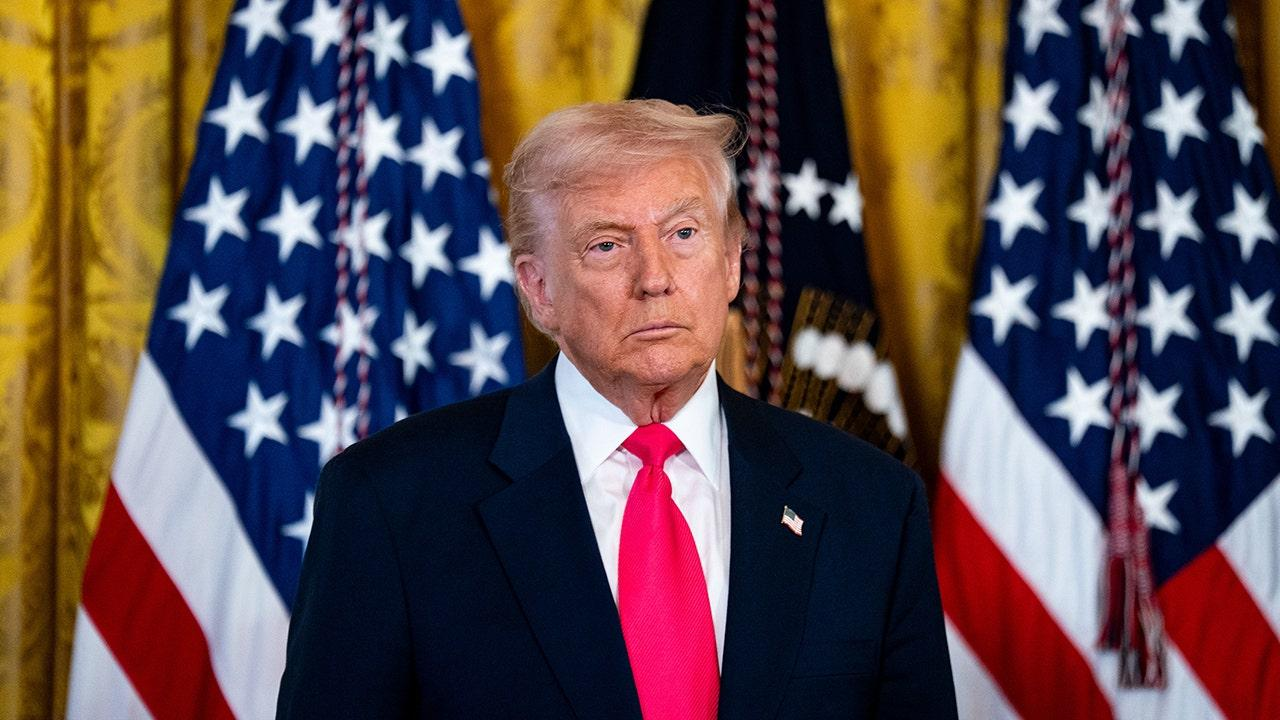
For Trump, the decision to resume major military operations is therefore not simply a question of military capability.
It is also a question of economic costs, political consequences and America's long-term national interests.
A Strategic Retreat — or the Calm Before Another Storm?
The USS George Washington has departed the Middle East.
Two American aircraft carriers remain in the region.
Washington's naval blockade continues.
And President Trump has not ruled out additional military action.
The departure of one aircraft carrier is not evidence that America has lost its ability to strike Iran. Equally, maintaining a powerful military presence does not prove that another major offensive is imminent.
The ultimate outcome will depend on Washington's political decisions, Tehran's response and whether diplomatic efforts can prevent further escalation.
Is Trump preparing to end the war through economic pressure, or is America keeping its military forces ready for another dramatic confrontation?
Should Washington intensify pressure on Tehran or prioritize negotiations to prevent another costly war?
AMERICA, WHAT DO YOU THINK? SHARE YOUR OPINION IN THE COMMENTS BELOW!
Comments (0)
Loading comments...
May You Like

$1 BILLION DISASTER AT BANGCHAK REFINERY, THAILAND—40 BURNED, 8 AMERICANS DEAD!

BANGCHAK REFINERY IN THAILAND SHUT DOWN, U.S. OIL PRICES JUMP 10%!

ELON MUSK’S $18 BILLION SPACEX STOCK GIFT FOR EVERY AMERICAN CHILD









Popular Posts



