
Tim Kaine Challenges Trump Over Iran’s Nuclear Crisis — Did Leaving Obama’s Deal Change the Course of History?
A renewed debate over Iran's nuclear program has placed Democratic Senator Tim Kaine, former President Barack Obama, and President Donald Trump at the center of one of Washington's most consequential foreign policy disagreements.
Kaine's argument that Iran's nuclear activities were more tightly controlled under the Obama administration has revived a fundamental question: did Trump's decision to abandon the 2015 nuclear agreement make the United States safer, or did it remove important restrictions that had limited Tehran's nuclear ambitions?
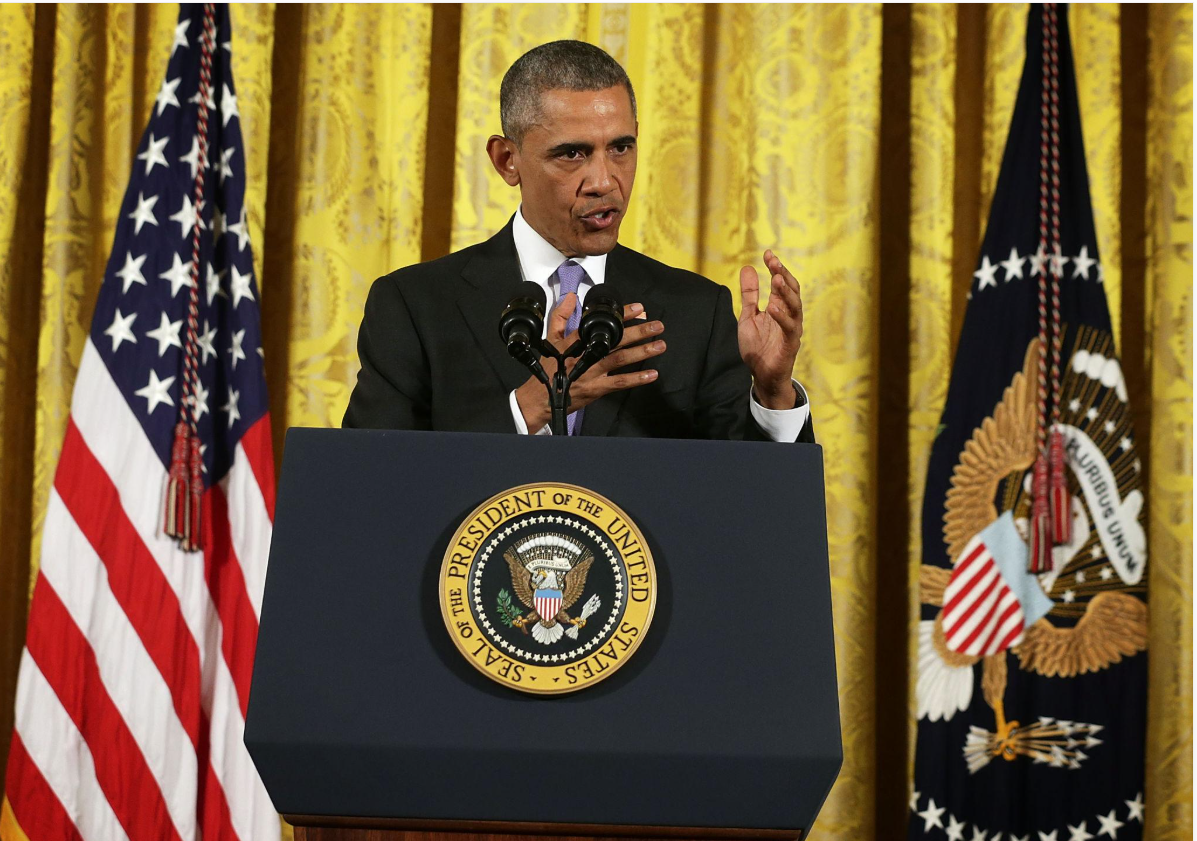
The controversy reaches back to the Joint Comprehensive Plan of Action, commonly known as the Iran nuclear deal. Negotiated in 2015 between Iran and six major world powers, the agreement was designed to restrict Iran's nuclear activities in exchange for relief from economic sanctions.
Under the agreement, Iran accepted limits on uranium enrichment, restrictions on its stockpile of enriched uranium, and enhanced international monitoring. These measures were intended to extend the time Iran would need to produce enough weapons-grade material for a nuclear weapon.
Obama's administration defended the arrangement as a diplomatic achievement that reduced the immediate danger of nuclear proliferation without requiring another military confrontation in the Middle East.
Critics, however, argued that the agreement contained serious weaknesses. They pointed to the expiration dates of certain restrictions, Iran's ballistic missile development, and its support for armed groups across the region.
Trump became one of the deal's most prominent opponents, arguing that it failed to address the broader threat posed by Tehran. In May 2018, during his first presidency, he announced that the United States would withdraw from the agreement.
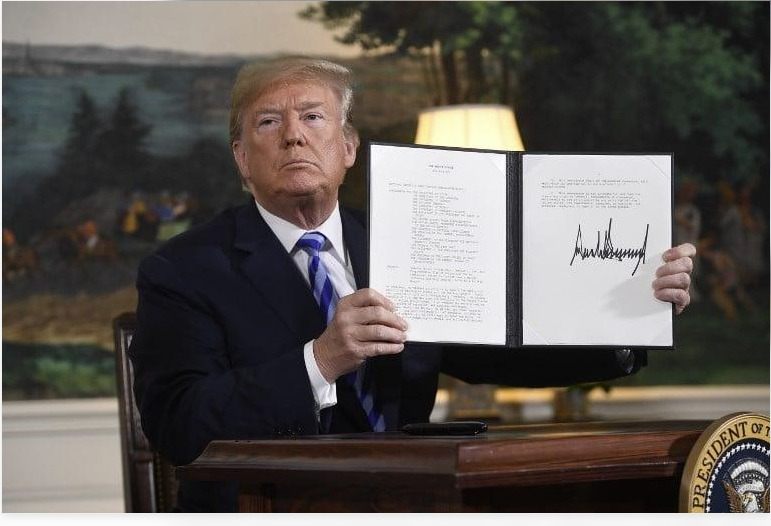
The withdrawal marked a dramatic shift in American foreign policy. Washington subsequently restored extensive economic sanctions against Iran as part of the administration's maximum-pressure strategy.
Trump and his supporters maintained that economic pressure was necessary to force Iran into accepting a stronger agreement, one that would address nuclear enrichment, missile development, and regional security concerns.
Opponents warned that abandoning the deal without securing an immediate replacement could weaken international oversight and encourage Iran to expand nuclear activities that had previously been restricted.
The disagreement became particularly relevant in April 2026, when Kaine publicly argued that the earlier nuclear agreement had provided diplomatic controls over Iran's nuclear program. He blamed Trump's withdrawal for undermining those restrictions and complicating subsequent negotiations.
The historical record supports an important part of Kaine's argument. International inspectors verified Iran's compliance with the agreement's nuclear restrictions before the American withdrawal in 2018. Iran subsequently began exceeding those restrictions, including limits on uranium enrichment.
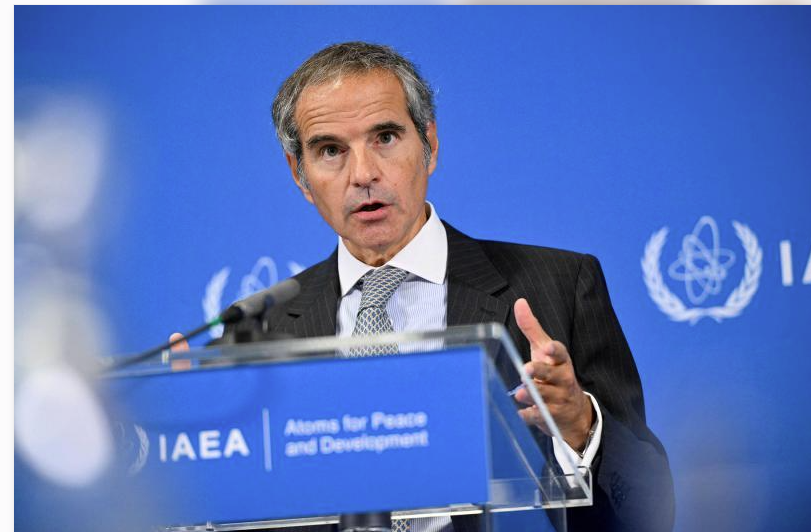
By 2021, Iran had begun enriching uranium to 60% purity, far beyond the 3.67% ceiling established by the original agreement. That development significantly intensified international concern about the potential military applications of its nuclear program.
Yet the debate cannot be reduced to a simple claim that one administration solved the problem while another created it. The agreement imposed meaningful nuclear restrictions, but it did not eliminate Iran's technical knowledge, resolve regional security disputes, or permanently settle questions about Tehran's long-term intentions.
The situation became even more dangerous following military strikes against Iranian nuclear facilities in 2025 and renewed hostilities in 2026. These developments damaged nuclear infrastructure while making international verification increasingly difficult.
International nuclear inspectors have warned that restricted access to Iranian facilities prevents them from reliably determining the status of important nuclear materials. That uncertainty has become a major obstacle to assessing the country's remaining capabilities.
For Kaine, the lesson is that diplomatic agreements backed by inspections can provide measurable security benefits, even when they are imperfect. He has also challenged the administration's approach to military action and argued for a stronger congressional role in decisions involving war.
Trump's position remains that the Obama-era agreement was fundamentally inadequate and that a tougher approach was necessary. His supporters argue that sanctions and military pressure can deter Tehran in ways that temporary restrictions cannot.
The competing arguments leave Washington confronting an uncomfortable reality: years of sanctions, negotiations, and military confrontation have not produced a lasting settlement of the Iranian nuclear dispute.
Comments (0)
Loading comments...
May You Like

IRAN DEFIES WASHINGTON — SUPREME LEADER CLAIMS U.S. MILITARY ATTACKS FAILED!

BLACK FRIDAY TENSIONS IN NYC — DID PROTESTERS CROSS THE LINE AT A DISNEY STORE?

KUWAIT DRONE ATTACK SPARKS TENSION BETWEEN ISRAEL, THE U.S AND IRAN













