
TRUMP ACCOUNTS — A BILLION-DOLLAR OPPORTUNITY OR A FINANCIAL RISK FOR AMERICAN FAMILIES?
AMERICANS POUR BILLIONS INTO THEIR CHILDREN'S FUTURE! ARE “TRUMP ACCOUNTS” A PATH TO FINANCIAL SECURITY OR A RISKY INVESTMENT?
WASHINGTON, D.C. — NOVEMBER 26, 2026
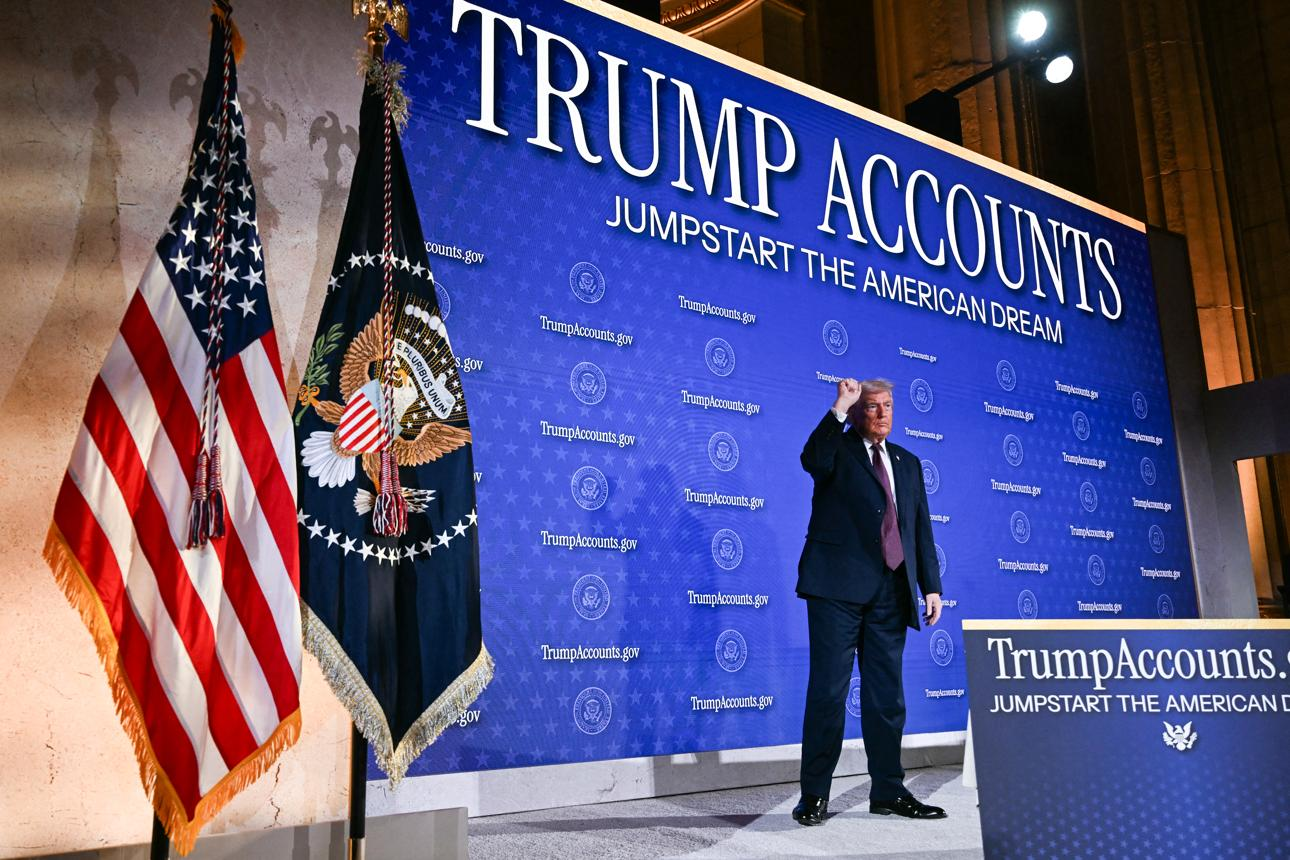
A government-backed investment initiative bearing President Donald Trump's name is raising an important question for American families: could investing in the stock market from childhood help build lasting financial security?
The program, known as Trump Accounts, is designed to give children an opportunity to accumulate wealth through long-term investments.
However, these accounts involve stock market risks, withdrawal restrictions and tax considerations that parents need to understand.
Are American families building a stronger financial future for their children, or could they be overlooking significant financial risks?
1. More Than 3 Million Americans Have Contributed Over $1 Billion
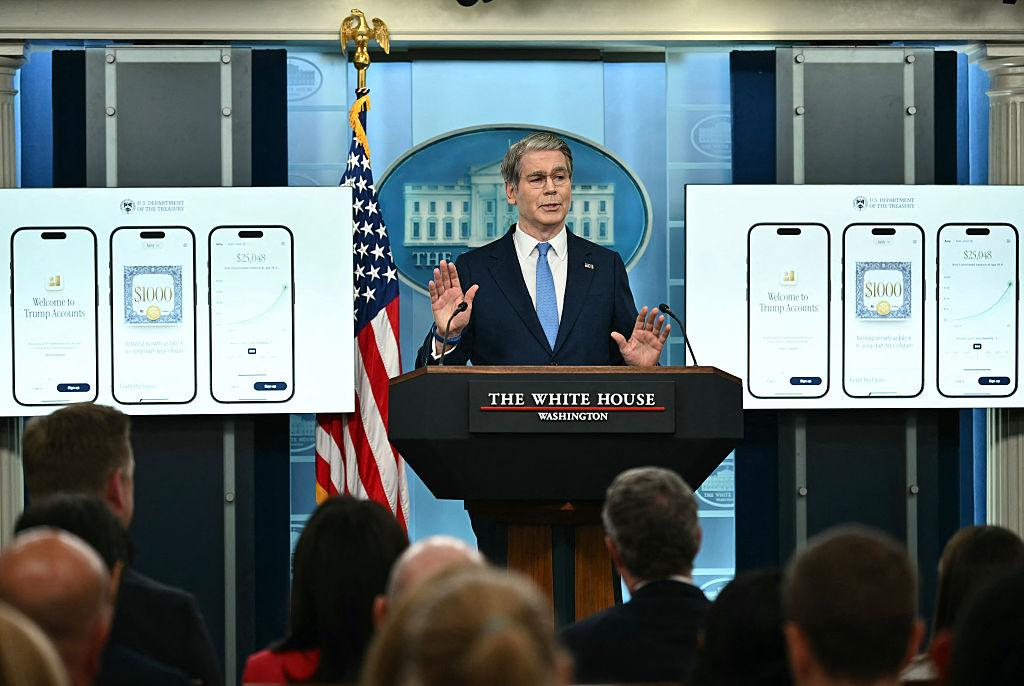
On November 24, the U.S. Treasury announced that personal contributions to Trump Accounts had crossed a significant financial milestone.
Friends and family contributions
$1B+
Individual contributors
3M+
Total deposits from all sources
$9B+
Accounts established as of October
~70M
Sources: November 24 program announcement and October 7 White House statement.
Trump Accounts+1
Treasury Secretary Scott Bessent welcomed the development, describing it as an opportunity to improve the financial prospects of American children.
However, the billions flowing into these accounts are not donations to Donald Trump personally.
2. What Exactly Are Trump Accounts?
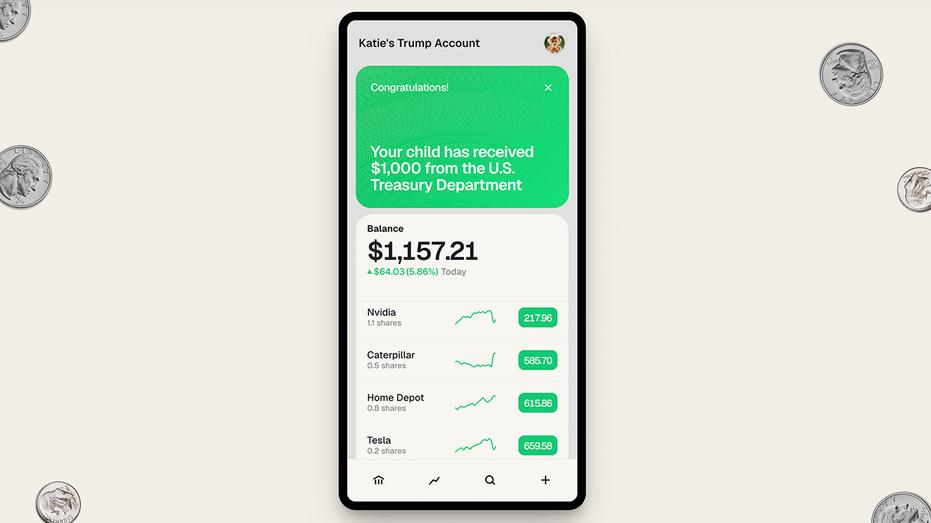
Trump Accounts are a special type of individual retirement account established under federal legislation enacted in 2025.
The program allows money to be invested on behalf of eligible children, giving their savings potentially decades to grow.
According to the Internal Revenue Service, children must have a valid Social Security number and meet the applicable age requirements.
Internal Revenue Service
Despite carrying the president's name, these accounts are not investments in the Trump Organization, political campaign contributions or deposits into Trump's personal bank accounts.
3. How Does the Government's Free $1,000 Work?

The federal government provides a one-time $1,000 contribution to qualifying children under the program.
|
Eligibility requirement |
Details
Birth date
January 1, 2025 – December 31, 2028
Citizenship
United States
Social Security number
Valid SSN required
Government contribution
$1,000 per qualifying child
Enrollment
Contribution must be requested
Internal Revenue Service
Children born outside this four-year period may still qualify for an account, even if they do not receive the initial federal contribution.
4. Billions of Dollars Are Entering the Program
The amount deposited into Trump Accounts has increased considerably since the program launched in July.
Total reported deposits
October 7, 2026
$4.5 billion+
November 24, 2026
$9 billion+
Reported minimum deposit milestones, not stock market returns.
The White House+1
The growing total includes government funding, private contributions and philanthropic support.
This does not mean that the investments themselves have doubled in value.
5. America's Billionaires Are Investing in Children's Futures

Michael and Susan Dell
The couple announced a $6.25 billion philanthropic commitment intended to benefit approximately 25 million children.
The Washington Post

Frank and Brenda Slootman
The couple is contributing $22.08 million to benefit 22,081 Montana children born in 2023 or 2024.
Fortune
These donations could provide financial resources to children whose families might otherwise struggle to save money for long-term investments.
However, announced philanthropic commitments should not automatically be treated as completed deposits.
6. How Much Money Could a Child Accumulate?
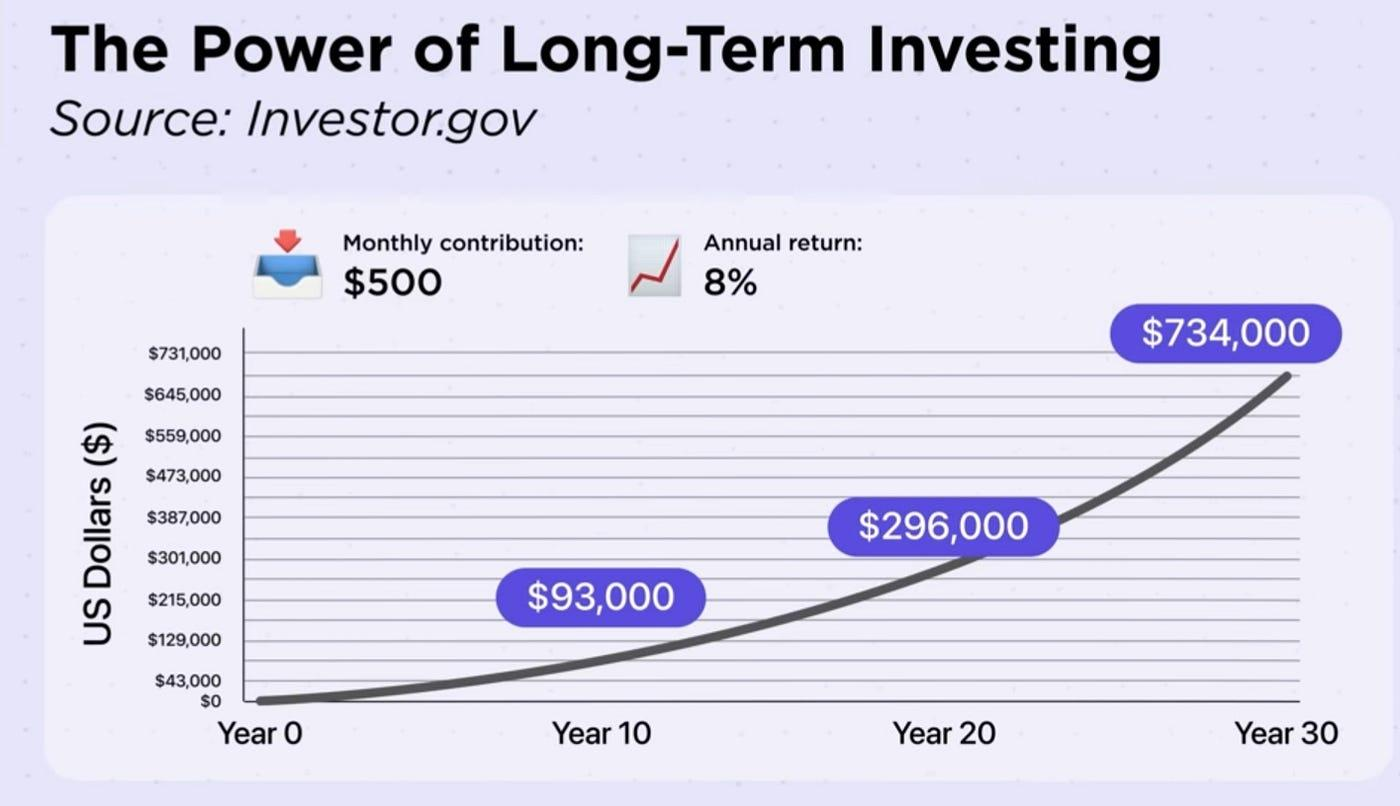
One of the most attractive features of the program is the potential power of compound investment growth.
Money invested during infancy could have decades to accumulate before retirement.
The following calculator illustrates how an initial deposit and regular contributions might grow under different hypothetical investment returns.
Trump Account investment growth calculator
Initial deposit ($)
Annual contributions until age 18
$1,000
$0
$2,500
$5,000
Assumed annual return
7%
Child's future age
18304060
Estimated investment value at age 18
$37,379
Total contributions
$19,000
Estimated growth
$18,379
Illustrative calculations assume a newborn, annual year-end contributions through age 18, reinvested returns and no subsequent contributions. Taxes, inflation and fees are excluded. Actual returns may be negative.
Even modest contributions could accumulate substantially over several decades. However, no investment return is guaranteed.
7. Could American Families Lose Their Money?

This is one of the most important risks parents need to understand.
Trump Accounts are investment accounts rather than guaranteed-return savings accounts.
If the stock market experiences a significant downturn, account balances could decline.
What happens to a $10,000 investment during a market crash?
Hypothetical market-loss scenarios
Original balance
$10,000
−10% market decline
$9,000
−20% market decline
$8,000
−30% market decline
$7,000
−50% market decline
$5,000
Long investment periods may provide opportunities to recover from market downturns, but recovery is never guaranteed.
8. The Hidden Catch: Withdrawal Restrictions and Taxes

Some families may incorrectly assume that their children can withdraw all the money tax-free when they turn 18.
That is not necessarily the case.
The Washington Post reports that financial planners have raised concerns about early-withdrawal penalties, tax treatment, investment flexibility and potential gift-tax reporting requirements.
The Washington Post
Because Trump Accounts generally transition into traditional IRA treatment, withdrawals may be subject to income taxes and an additional 10% early-distribution tax before age 59½, unless an applicable exception applies.
Parents should therefore understand the difference between gaining access to an account and being able to withdraw its entire balance without financial consequences.
9. Are Trump Accounts Better Than Traditional College Savings Plans?

American families already have several options for investing in their children's futures.
|
Feature |
Trump Account
529 plan
Custodial brokerage
Primary purpose
Long-term wealth and retirement
Education
General investing
Federal seed contribution
Available to eligible children
None under this program
None
Market risk
Yes
Depends on investments
Depends on investments
Investment flexibility
Restricted
Plan-dependent
Generally broader
Withdrawal taxation
IRA rules generally apply
Qualified education withdrawals generally tax-free
Standard investment tax rules
Access to funds
Restricted before 18
Subject to plan rules
Transfers at applicable legal age
Each option serves a different financial purpose.
Families primarily saving for college may have different considerations from those seeking to establish retirement savings for their children.
10. Is This Really a Financial Trap Set by Donald Trump?

There is currently no substantiated evidence that Trump Accounts were established as a scheme to steal American families' money.
Nevertheless, legitimate government programs can still involve financial risks, complicated regulations and policy trade-offs.
Supporters emphasize the benefits of early investing, long-term wealth accumulation and federally supported savings.
Critics question whether the withdrawal restrictions, tax treatment and paperwork make the program less attractive than existing investment alternatives.
Another concern is that wealthier households may be better positioned to make substantial annual contributions, potentially widening differences in children's eventual savings.
These concerns deserve examination without assuming fraudulent intent.
11. Could Scammers Exploit the Trump Accounts Program?
A separate and genuine danger is the possibility of criminals exploiting the program's popularity through fraudulent websites, fake investment applications and phishing messages.
Parents should verify that they are using official government resources before submitting their children's personal information.
Financial security checklist for parents
0 of 6 precautions reviewed
Access the program through its official government website.
Never provide a child's Social Security number to an unknown caller.
Avoid anyone promising guaranteed investment returns.
Verify account statements and contribution records.
Understand withdrawal rules and taxes before investing.
Never send contributions to an unofficial personal bank account.
12. A Financial Revolution or an Investment Risk for America's Children?

With more than $9 billion in reported deposits, Trump Accounts are becoming a significant addition to America's financial landscape.
The program could help millions of children establish long-term investment savings before they enter adulthood.
However, its ultimate effectiveness will depend on investment performance, administrative costs, tax rules, accessibility and the ability of families to contribute consistently.
The government's $1,000 contribution may provide a valuable financial starting point, but the stock market is not a guarantee of wealth. Parents must understand exactly where their money is going and what restrictions apply.
AMERICA, WHAT DO YOU THINK? ARE TRUMP ACCOUNTS A VALUABLE OPPORTUNITY TO BUILD GENERATIONAL WEALTH, OR DO THEIR FINANCIAL RISKS AND WITHDRAWAL RESTRICTIONS DESERVE GREATER SCRUTINY? SHARE YOUR OPINION IN THE COMMENTS BELOW!
Comments (0)
Loading comments...
May You Like


NINE MONTHS PREGNANT DURING FORT HOOD ATTACK: SURVIVOR DENIED ACCESS TO EXECUTION

IRAN THREATENS SHIPS OVER HORMUZ PASSAGE AFTER CLAIMING A MINE STRIKE









Popular Posts




