Trump Acknowledges North Korea’s Nuclear Capability, Calls Kim Jong Un a Friend
Trump Acknowledges North Korea’s Nuclear Capability, Calls Kim Jong Un a Friend
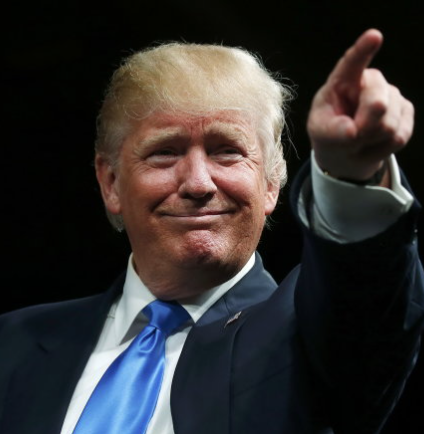
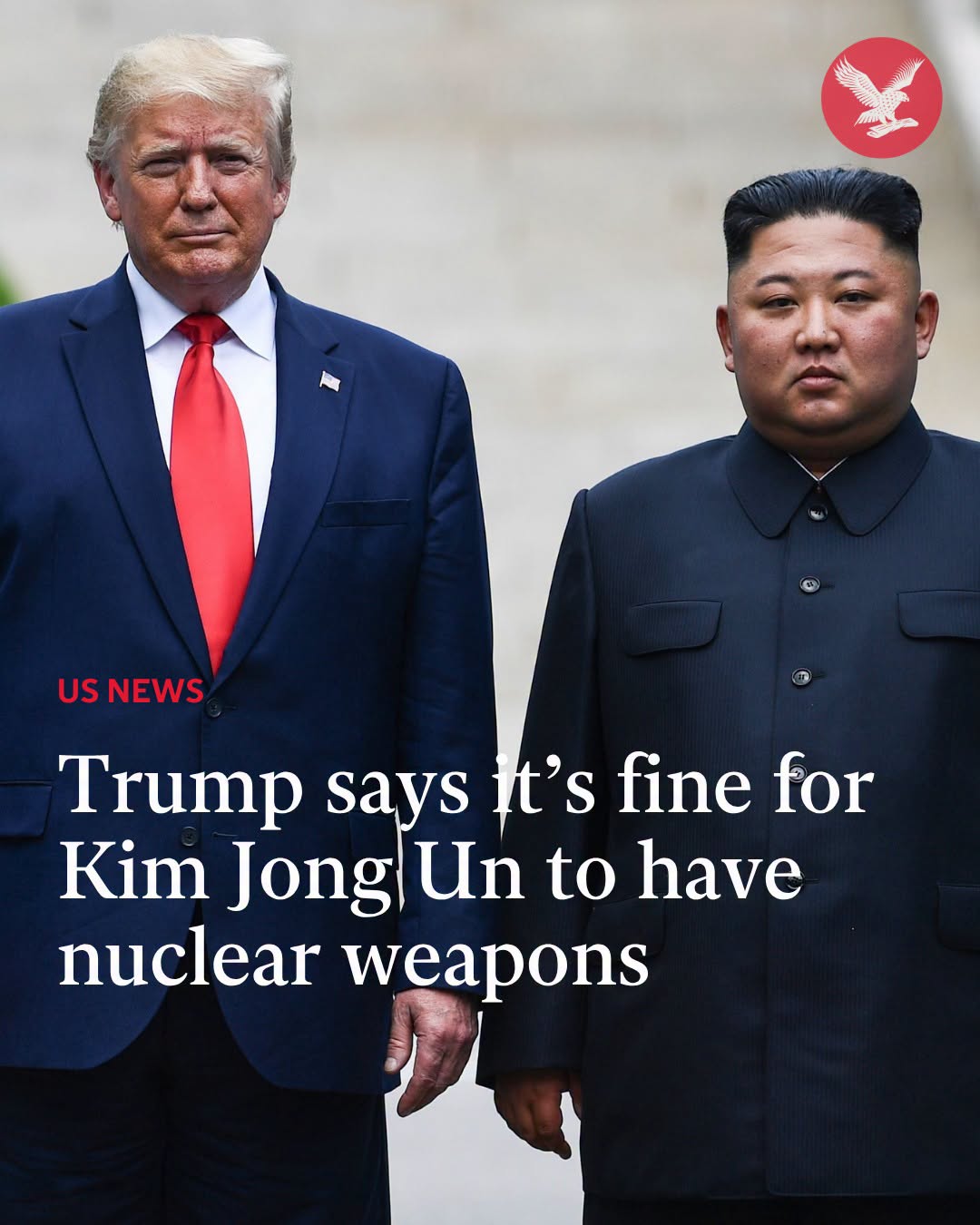
President Donald Trump has again acknowledged North Korea’s nuclear capability while describing leader Kim Jong Un as a friend, signaling a pragmatic tone as Washington considers renewed diplomacy with Pyongyang.
Speaking to reporters at the White House on September 29, Trump was asked why Iran should not possess nuclear weapons while North Korea already does, according to Reuters.
Trump responded that previous presidents could have stopped North Korea’s program, but did not. He said Kim has significant nuclear capability and emphasized their personal relationship.
Trump’s remarks did not amount to a formal announcement recognizing North Korea as a legitimate nuclear-weapon state. South Korea has also cautioned against interpreting his comments as official U.S. recognition.


In August, Trump said North Korea possessed 57 nuclear weapons, while South Korea’s defense minister later cited estimates ranging from 80 to 120 warheads, based on outside research.
Independent estimates vary because North Korea does not disclose reliable information about its arsenal. Researchers generally agree that Pyongyang has expanded its nuclear capabilities since Trump and Kim first met.
Trump and Kim held three unprecedented meetings during Trump’s first presidency, in Singapore in 2018, Hanoi in 2019, and at the inter-Korean border later that year.
Those meetings produced political symbolism but failed to secure an agreement requiring North Korea to dismantle its nuclear weapons, leaving denuclearization unresolved after diplomatic engagement stalled.


Trump has nevertheless indicated that he wants another meeting with Kim later this year, potentially during his planned trip to Asia for the Asia-Pacific Economic Cooperation summit.
The possibility of renewed talks comes as North Korea has continued developing weapons and strengthening military relationships, particularly with Russia, while also maintaining close ties with China.
North Korea has publicly rejected demands for complete denuclearization, describing its nuclear status as irreversible and portraying nuclear weapons as essential to protecting the country’s security.
In September, the International Atomic Energy Agency criticized North Korea’s nuclear activities, while Pyongyang rejected the criticism and reaffirmed its determination to maintain its nuclear deterrent.


South Korea is pursuing a different diplomatic emphasis, with President Lee Jae Myung advocating a phased process beginning with a freeze on further nuclear and missile development.
Lee has argued that negotiations could begin with limits on additional weapons production, followed by confidence-building measures and, eventually, discussions about reducing the existing arsenal.
The diplomatic environment is complicated by rising military tensions on the Korean Peninsula. Seoul recently demanded that Pyongyang halt fortification work near the inter-Korean border.
Washington has also changed aspects of its military posture. Trump ordered a substantial reduction in joint U.S.-South Korean military exercises, citing cost concerns and his relationship with Kim.


South Korea has continued to emphasize its alliance with Washington, while North Korea has criticized U.S.-South Korean military cooperation and continued advancing its missile and nuclear programs.
For the United States, the central policy question is whether engagement with Kim can reduce military risks without weakening long-standing demands for limits on nuclear proliferation.
Trump’s latest comments therefore represent a notable shift in emphasis, from insisting on North Korea’s eventual denuclearization toward acknowledging its existing capabilities while keeping personal diplomacy with Kim open.
Whether that approach produces negotiations, arms-control measures, or another diplomatic stalemate remains uncertain, but North Korea’s expanding arsenal ensures that any future Trump-Kim meeting will carry significant security implications.
Sources & References
- Reuters — Trump downplays North Korea’s nuclear weapons and calls Kim Jong Un a friend. Trump made the remarks on September 29, 2026, while discussing Kim’s nuclear capability and the possibility of renewed engagement. Read the Reuters report
- Reuters — South Korea estimates North Korea has 80–120 nuclear warheads. South Korea’s defense minister cited estimates from private research organizations while stressing that the exact number cannot be officially confirmed. Read the Reuters report
- Reuters — North Korea says its nuclear status is “irreversible.” Pyongyang rejected criticism from the IAEA and reaffirmed its position that its nuclear deterrent is central to national security. Read the Reuters report
- Reuters — Trump orders Pentagon to reduce U.S.-South Korea military exercises. The decision came in August 2026 as Trump sought to create conditions for renewed engagement with Kim Jong Un. Read the Reuters report
- Associated Press — South Korea’s Lee Jae Myung proposes a step-by-step approach. Lee has proposed first freezing North Korea’s nuclear and missile development, followed by reductions and eventual dismantlement in exchange for political and economic incentives. Read the AP report
Comments (0)
Loading comments...
May You Like
FIGHT OVER OBAMA’S IRAN POLICY
South Korea–Ukraine Rift Deepens Over North Korean POW Transfer as PURL Draws New Scrutiny
Russian Drone Strikes Kyiv Bridge as German Chancellor Arrives in Ukraine