Trump Administration Moves to Rescind $810 Million in Congress-Approved Funding
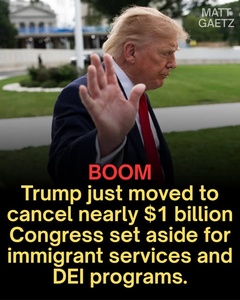
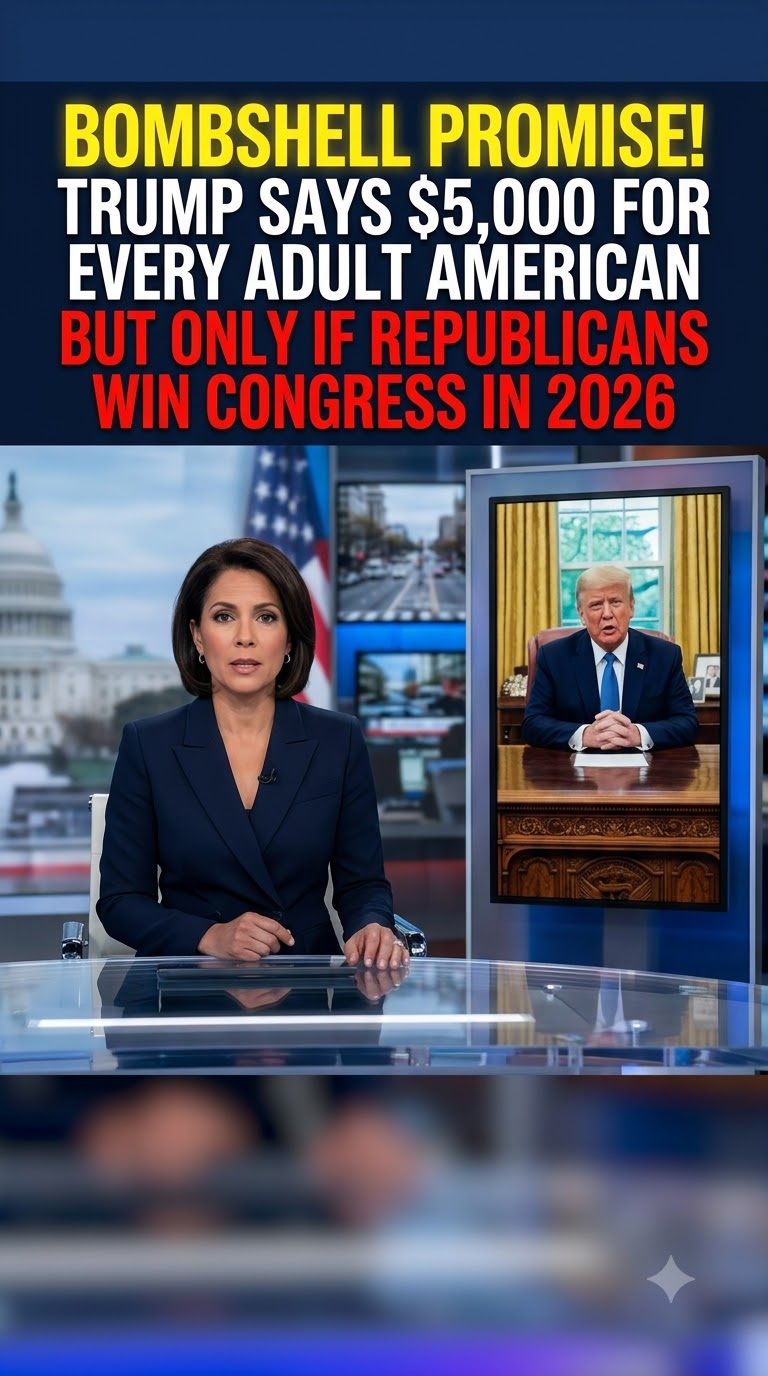
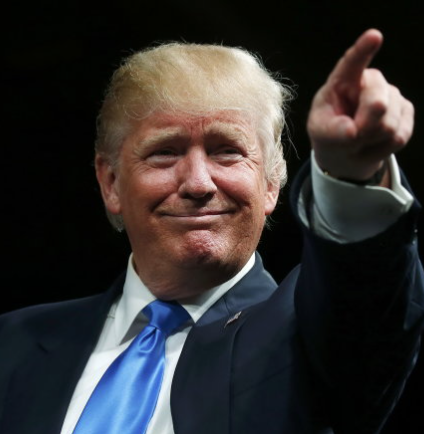
A dramatic graphic circulating online claims that President Donald Trump has “canceled health and education funds approved by Congress.” The underlying event is real, but the thumbnail leaves out important details about the money involved, the legal dispute, and which programs are affected.


On September 25, the Trump administration announced plans to rescind approximately $810 million in federal funding that Congress had previously appropriated. The move came just days before the end of the 2026 fiscal year.
The announcement has reopened a longstanding constitutional and legal dispute over Congress’s authority to control federal spending and a president’s ability to prevent already-approved funds from being spent.
The administration is using a rarely employed mechanism known as a “pocket rescission.” Under the process, funds can be withheld near the end of a fiscal year, potentially expiring before Congress has an opportunity to act.


The White House described the action as an effort to eliminate what it considers wasteful or harmful spending. Administration officials said the affected programs do not sufficiently benefit American citizens and include spending related to immigration, education and other areas.
The largest individual reduction involves $567 million associated with programs operated through the Department of Health and Human Services’ Office of Refugee Resettlement.
The administration said that funding was no longer necessary because fewer migrants were crossing the southern U.S. border illegally, according to congressional reporting on the rescission package.
Another $25 million would be rescinded from an Education Department program intended to assist migrant students. That amount is considerably smaller than the overall package but is directly relevant to the thumbnail’s reference to education funding.


The package also includes $70 million in grants and fellowships supporting foreign students and faculty who teach or study in the United States. CBS News described the programs as “Woke International Education” grants, reflecting the administration’s terminology.
An additional $28 million concerns health research that the administration characterized as wasteful or duplicative. Another $56 million involves housing-counseling programs administered by the Department of Housing and Urban Development.
The HUD funding was criticized by the administration because officials said some programs improperly emphasized diversity, equity and inclusion initiatives. Those descriptions are the administration’s stated rationale rather than an independent assessment of each program.


Congressional leaders from both parties objected to the administration’s action. Senate Appropriations Chair Susan Collins, a Republican from Maine, said the White House was improperly canceling appropriations that Congress had approved and the president had signed into law.
House Appropriations Committee ranking Democrat Rosa DeLauro also accused the administration of unlawfully withholding appropriated money. Her statement reflects the Democratic congressional position in the dispute.
Reuters reported that the White House defended the action by arguing that the programs supported policies it opposed, including what administration officials characterized as illegal immigration and other priorities inconsistent with Trump’s agenda.


The legal question centers partly on the Impoundment Control Act, which establishes procedures for presidential requests to rescind federal spending. Normally, Congress receives a period in which it can approve or reject the proposed cancellation.
The administration’s use of a pocket rescission takes advantage of the timing of the fiscal year’s end. Roll Call reported that Congress had little time to respond because the House was already away and not scheduled to return until after the November midterm elections.
The fiscal year ends September 30, making the timing especially important. If appropriated money remains withheld as the fiscal year closes, the administration argues that the funds can lapse without Congress separately voting to cancel them.


This is not the first time the Trump administration has employed the tactic. CBS News reported that the administration used a similar pocket rescission in 2025 involving approximately $4.9 billion in foreign-aid funds approved by Congress.
The Supreme Court ultimately allowed that administration action to proceed, although CBS noted that the court did not issue a final ruling resolving every underlying legal question surrounding the spending dispute.
Separately, the administration has faced other legal challenges involving education funding. On September 17, a federal judge struck down a policy that had led the Education Department to terminate more than $600 million in teacher-training grants associated with diversity, equity and inclusion initiatives.


That September ruling involved a different funding dispute from the newly announced $810 million rescission. The distinction matters because social-media graphics can easily combine separate administration actions involving education into a single claim.
Comments (0)
Loading comments...
May You Like

Russian Drone Strikes Kyiv Bridge as German Chancellor Arrives in Ukraine
gfnhgmnghnmfgnbvvvvvvvvv

Russian Drone Strikes Kyiv Bridge as German Chancellor Arrives in Ukraine