Trump Administration Presses NATO Allies to Leave ICC, Deepening Transatlantic Tensions
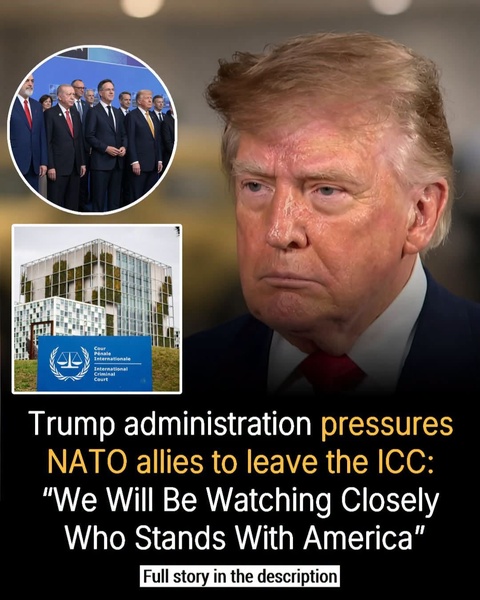
Washington is urging NATO governments to withdraw from the International Criminal Court and cut support for the tribunal, expanding a campaign that has included sanctions against judges, prosecutors and other senior ICC officials.
The Trump administration is pressing NATO allies to withdraw from the International Criminal Court, escalating a broader U.S. campaign against the Hague-based tribunal and creating new strains inside the transatlantic alliance.
According to reporting based on three NATO diplomats, U.S. Ambassador to NATO Matthew Whitaker raised the demand during a closed-door meeting of the alliance’s 32 ambassadors in Brussels in mid-July.
Whitaker reportedly urged allied governments to leave the Rome Statute, the treaty that established the ICC, and to stop providing material support to the court’s investigations, operations and institutional work.
The diplomats said Whitaker ended his intervention with a pointed message: “We will be watching closely who stands with America,” language that quickly drew attention after details of the meeting became public.
A diplomatic paper circulated by the U.S. mission to NATO reportedly went further, saying Washington intended to “systematically dismantle” the ICC’s capabilities and requesting allies take steps toward withdrawal.
The pressure campaign is significant because every NATO member except the United States and Türkiye is currently a party to the Rome Statute, making most alliance members legally connected to the court.
The United States signed the Rome Statute in 2000 but later formally informed the United Nations that it did not intend to become a party and therefore accepted no treaty obligations.
Washington’s opposition has intensified during Trump’s second administration, particularly over ICC investigations and arrest warrants involving nationals of countries, including the United States and Israel, that reject the court’s jurisdiction.
In February 2025, Trump issued an executive order authorizing sanctions against ICC officials, arguing that the court had taken what his administration described as illegitimate actions against Americans and Israeli officials.
The White House order specifically criticized the ICC’s 2024 arrest warrants for Israeli Prime Minister Benjamin Netanyahu and former Defense Minister Yoav Gallant, while rejecting the tribunal’s claimed jurisdiction over them.
The ICC has said its work is grounded in the Rome Statute and has rejected U.S. measures against its officials, arguing that political or economic pressure threatens judicial independence and international accountability.
The confrontation escalated again in August 2026 when Secretary of State Marco Rubio announced sanctions against ICC President Tomoko Akane and senior trial lawyer Abdoulaye Seye under Trump’s executive order.
Those sanctions block assets the designated officials may hold within U.S. jurisdiction and restrict access to the American financial system, adding to earlier measures against prosecutors and judges connected to ICC cases.
Rubio said the administration’s campaign would continue until the court could no longer threaten American sovereignty, while also calling on additional countries to end funding and participation in the institution.
The ICC and human-rights organizations have strongly criticized that approach, saying sanctions against judges and prosecutors interfere with judicial work and could obstruct investigations involving allegations of genocide, war crimes and crimes against humanity.
France and the Netherlands reportedly pushed back during the NATO discussion, defending the ICC and signaling opposition to the U.S. request, highlighting divisions among allies over international criminal justice.
The wider pressure comes as the ICC faces withdrawals from several member states. Venezuela and Chad recently joined Burkina Faso, Mali and Niger in announcing departures from the court.
Those governments have offered different explanations for leaving, including accusations of selective justice and institutional bias, while ICC supporters argue the withdrawals could weaken accountability for serious international crimes.
Under the Rome Statute, withdrawal does not erase the court’s jurisdiction over crimes allegedly committed while a country was still a member, meaning departure does not automatically terminate existing legal exposure.
The viral headline therefore reflects a real diplomatic dispute, but the quoted warning was attributed to Ambassador Whitaker by diplomats familiar with the closed meeting, rather than delivered publicly by President Trump himself.

Comments (0)
Loading comments...
May You Like
FIGHT OVER OBAMA’S IRAN POLICY
Barack Obama Draws Attention With New Literary Podcast