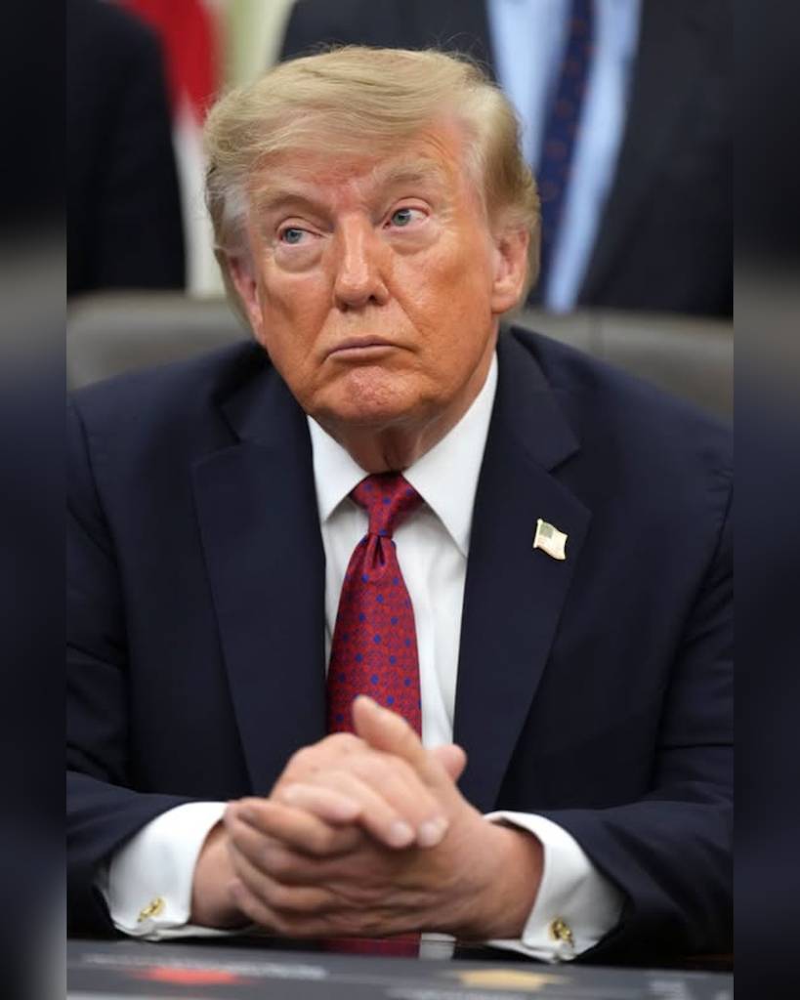
Trump Administration Pressures NATO Allies to Abandon ICC, Warning It Will Watch Who Supports America

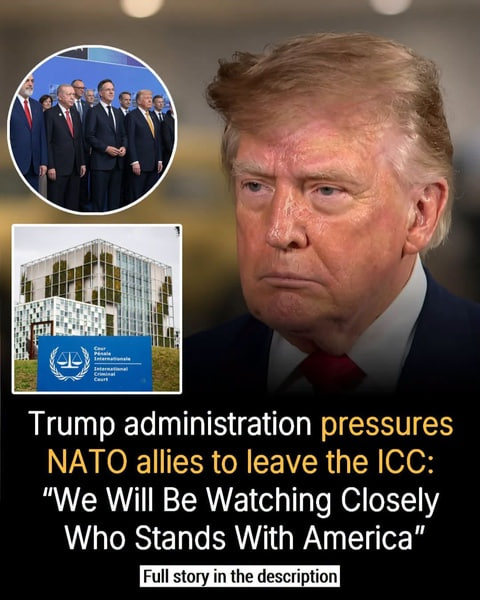
The Trump administration is escalating its campaign against the International Criminal Court (ICC), urging NATO allies to withdraw from the treaty underpinning the tribunal and warning that Washington will closely monitor which countries support its position. The reported diplomatic push threatens to deepen divisions between the United States and European allies over international justice, national sovereignty and the limits of American influence.
Article
The United States is pressing fellow NATO members to help weaken the International Criminal Court, intensifying a dispute that has become a significant test of transatlantic relations. The campaign reflects President Donald Trump’s administration’s determination to limit the court’s ability to investigate or prosecute individuals whom Washington believes should not fall under its jurisdiction.
The initiative reportedly came into sharper focus during a closed-door meeting of NATO ambassadors in Brussels in mid-July 2026. At the meeting, US Ambassador to NATO Matthew Whitaker urged allied governments to help dismantle the court’s capabilities and consider leaving the treaty that established it, according to accounts from three NATO diplomats.
The warning that reportedly concluded Whitaker’s remarks was particularly striking: “We will be watching closely who stands with America.” The message suggested that the administration intends to treat the ICC dispute as a measure of political alignment between Washington and its allies.
Alongside the diplomatic discussions, the US mission circulated a document calling for immediate steps toward withdrawal from the Rome Statute, the international treaty that established the court. The document also urged allies to stop providing material support to the institution and publicly criticize what Washington characterizes as an overreach of judicial authority.

The demands go beyond the United States declining to cooperate with the ICC. They seek to persuade countries that are already members of the court to reconsider their participation, potentially weakening its international support and operational reach.
The ICC, headquartered in The Hague in the Netherlands, investigates and prosecutes individuals accused of genocide, crimes against humanity, war crimes and, under specific legal conditions, the crime of aggression. It is designed to complement national justice systems rather than replace them, with jurisdiction governed by the Rome Statute and other applicable legal rules.
The United States is not a party to the Rome Statute and is not an ICC member. Türkiye is also outside the treaty, while most other NATO members have joined it. This difference creates a fundamental divide: Washington objects to the court’s authority, while many of its allies consider membership an important part of the international legal system.
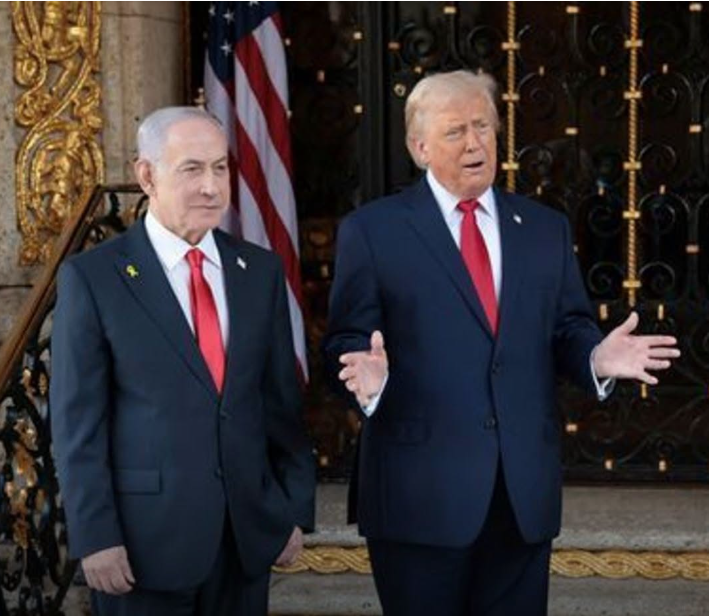
American officials have argued that the ICC threatens national sovereignty by asserting jurisdiction over people from countries that have not accepted its authority. The Trump administration has also objected to the court’s actions involving Israel, including arrest warrants for Israeli Prime Minister Benjamin Netanyahu and former defense minister Yoav Gallant.
In February 2025, Trump signed an executive order authorizing sanctions against individuals associated with the court over what his administration described as illegitimate actions against the United States and its allies. Subsequent measures and diplomatic initiatives have broadened the confrontation beyond individual officials to the institution itself.
In July 2026, the administration announced a wider effort to counter what it describes as the ICC’s threat to American sovereignty. The initiative included consideration of additional sanctions, travel restrictions and diplomatic pressure on countries that continue supporting the court.
The push toward NATO allies marks a particularly sensitive stage in that effort. European governments rely on the United States for a substantial part of the alliance’s military capabilities, intelligence cooperation and deterrence. That dependence can make disagreements with Washington difficult, even when governments believe their legal commitments require them to take a different position.

Nevertheless, some European diplomats reportedly reacted with surprise and disappointment to the demand that their countries abandon the court. France and the Netherlands were described as defending the ICC during the Brussels discussion, illustrating that the administration may encounter resistance from allies unwilling to give up their treaty commitments.
The dispute raises a question about how far alliance solidarity should extend. NATO is primarily a collective-defense alliance, not an institution responsible for determining the membership of the ICC. Governments therefore face the challenge of managing disagreements over international justice without allowing them to undermine cooperation on security.
For countries that have joined the Rome Statute, withdrawing would be a major political and legal decision. It would require governments to consider their domestic procedures, treaty obligations and international reputation, rather than simply comply with another member’s diplomatic request.
Supporters of the ICC argue that an independent court can help hold powerful individuals accountable when national authorities are unwilling or unable to conduct genuine proceedings. They contend that weakening the institution could undermine efforts to investigate grave crimes and leave victims with fewer avenues for justice.
Critics, by contrast, argue that international courts must respect the limits of their jurisdiction and avoid politically selective enforcement. The United States maintains that its citizens and officials should not be subject to a tribunal whose authority Washington has not accepted. The disagreement therefore concerns both legal jurisdiction and competing views of international accountability.
The political stakes extend beyond The Hague. If European NATO members resist the American campaign, the dispute could become another source of friction in an alliance already navigating disagreements over defense spending, trade, military commitments and relations with other global powers.
If some governments move toward Washington’s position, the consequences could be equally significant. A reduction in financial and practical support from member states could complicate the ICC’s work, while withdrawals could weaken the treaty framework that gives the institution its international reach.
The administration’s warning that it will monitor who stands with America also raises concerns about diplomatic pressure. Allies may be forced to weigh the immediate costs of disagreeing with Washington against the long-term implications of changing their commitments to international institutions.

At the same time, the reported remarks do not establish that NATO as an organization has adopted a position against the ICC. The request was directed at individual allied governments, and NATO membership itself is distinct from participation in the Rome Statute. Each country retains its own treaty obligations and legal processes.
The coming months will reveal whether Washington can translate its campaign into concrete changes among allied governments or whether European resistance will limit its impact. Much will depend on how governments balance relations with the United States against their existing legal commitments and views on international justice.
For now, the confrontation illustrates a broader challenge facing the international system: how to reconcile national sovereignty with institutions designed to hold individuals accountable for the most serious international crimes. The outcome could shape not only the future of the ICC but also the political relationship between the United States and its closest European allies.
Comments (0)
Loading comments...
May You Like
SOCIALIST REP. -RASHIDA TLAIB ELECTION FINALLY CALLED

RAPE ACCUSATION AGAINST TRUMP! ★ THE 1993 CLAIM THAT TRIGGERED A FEDERAL DEMAND..
Zelensky’s Reported Oil-Strike Threat Puts Ukraine–U.S. Relations Under Fresh Scrutiny
Latest Posts

Popular Posts