
TRUMP AND NEWSOM CLASH OVER MASS CLEMENCY AS FAMILIES DEMAND ANSWERS
WASHINGTON — NOV 21, 2026 — President Donald Trump and California Governor Gavin Newsom are confronting each other over executive mercy as a dispute about criminal punishment reaches beyond state lines.
Their clash has drawn attention from victims’ families, prosecutors and advocates who hold sharply different views about the power elected officials should exercise after a court has imposed a sentence.
The disagreement also raises a broader question about how political leaders explain their use of clemency when their own decisions and those of their opponents involve very different cases.
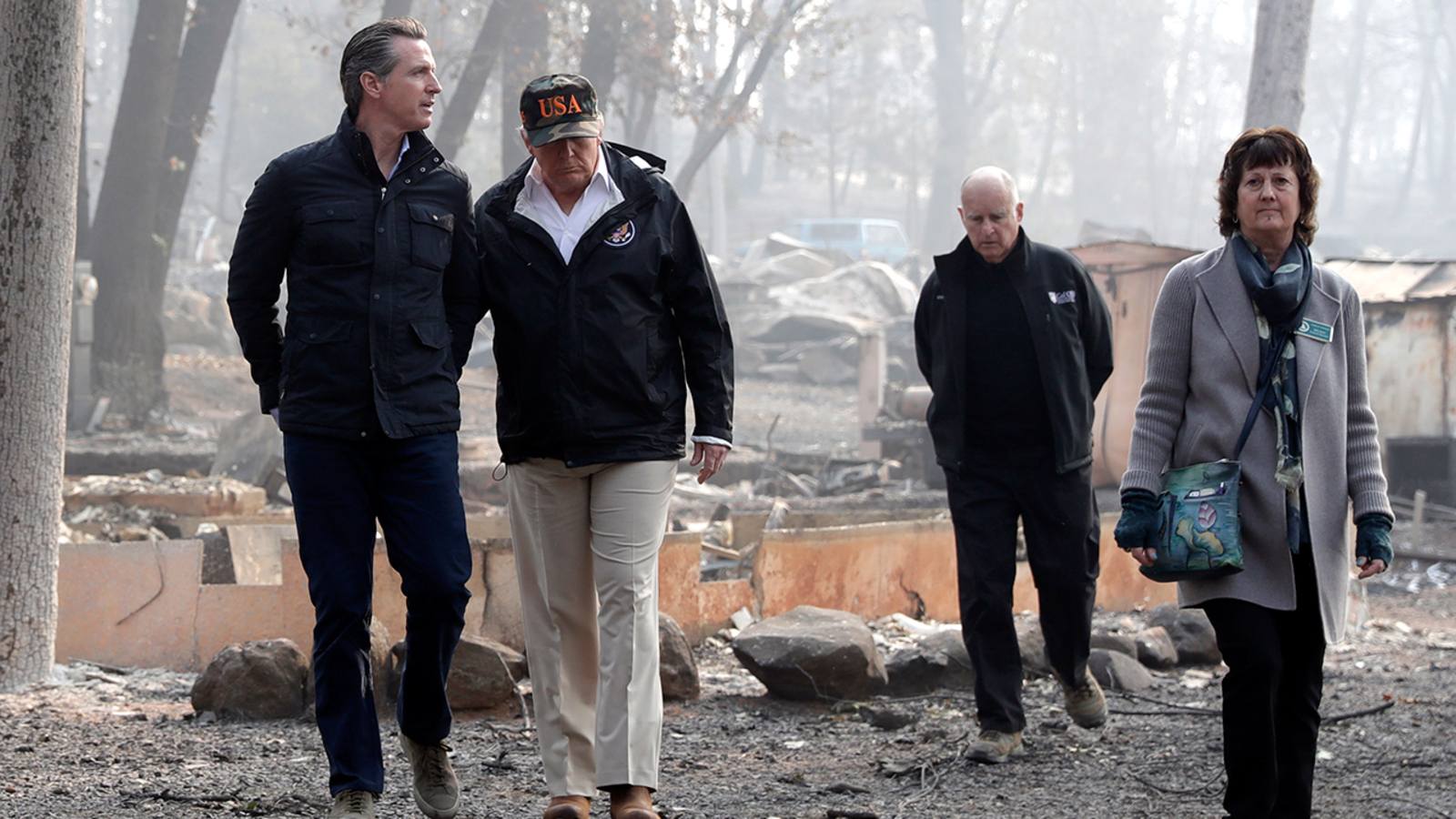
Governors generally address state convictions, while presidents exercise clemency for federal offenses, and the legal rules controlling those powers differ between California and the federal government.
A commutation changes a punishment without necessarily erasing a conviction, while a pardon grants forgiveness for an offense and can remove some legal consequences associated with it.
Newsom’s proposal concerns California prisoners sentenced to death, and his office says the intended replacement is life in prison without the possibility of parole rather than release.
California has not executed anyone since 2006, and Newsom’s 2019 moratorium paused executions during his governorship while leaving the existing death sentences and state law intact.
Some relatives of murder victims argue that changing those sentences disregards decisions reached by juries and judges and reopens wounds for families who have waited through lengthy appeals.
Other victims’ relatives support clemency, saying executions are not necessary for healing and arguing that a punishment cannot be reversed if the justice system makes a fatal mistake.

Newsom has said he believes capital punishment is incompatible with his understanding of justice, citing wrongful convictions and what he describes as unequal application of the death penalty.
The governor’s office says 382 cases require a favorable recommendation from the California Supreme Court because the people involved have more than one felony conviction.
The state’s Habeas Corpus Resource Center says no sentences have yet been formally commuted, and prosecutors and victims’ relatives have challenged the proposed action in court.
Trump criticized Newsom’s move in November, portraying it as a failure of justice and objecting to the removal of the death penalty for people convicted of serious crimes.
The president has long supported capital punishment, including federal executions, and his disagreement with Newsom therefore concerns the nature of the punishment as well as the scope of clemency.
A comparison of both leaders’ decisions asks whether the standards used to defend executive mercy are applied consistently across sharply divided political disputes.
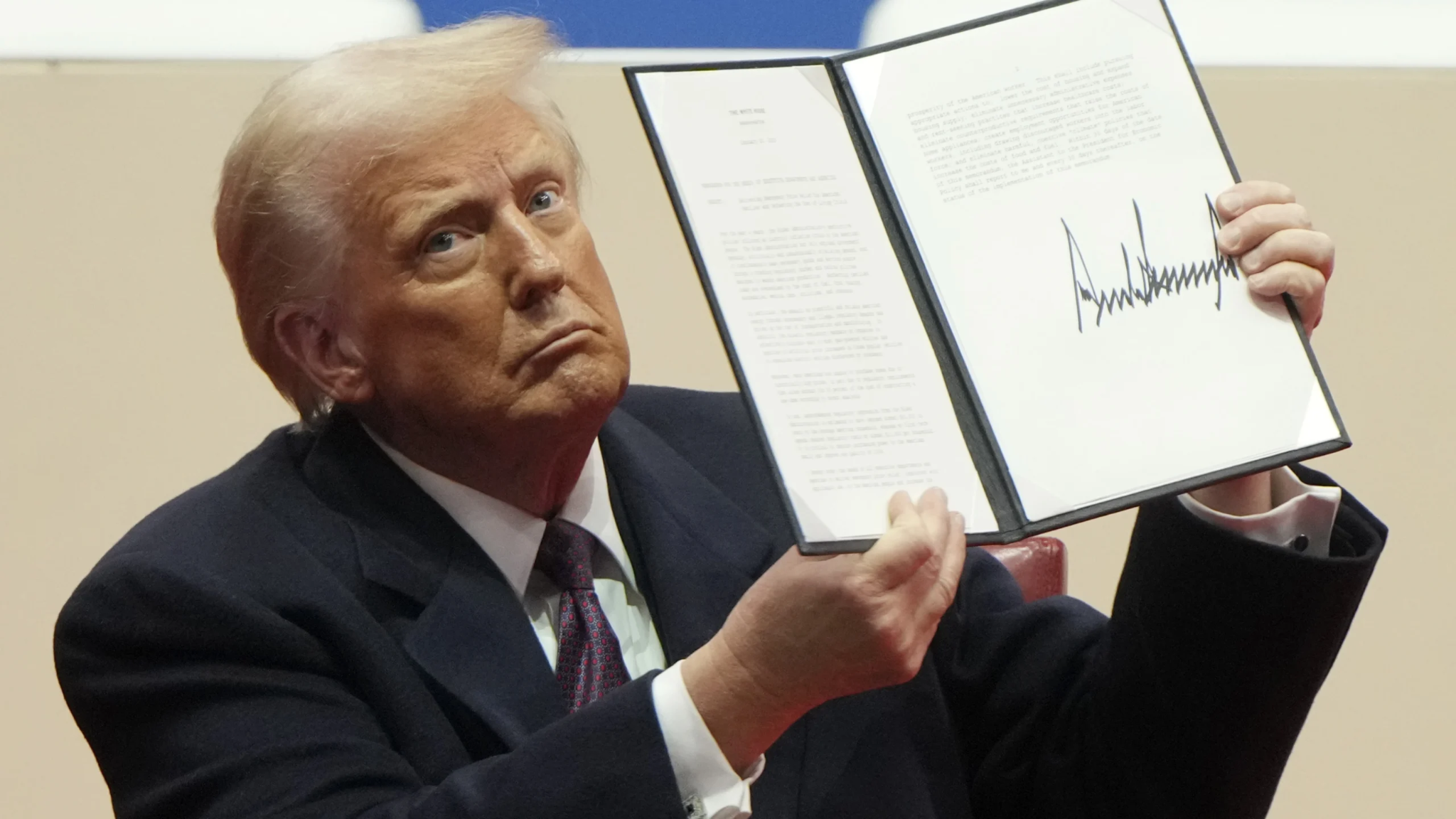
The comparison points to January 20, 2025, when Trump issued sweeping federal clemency for people charged or convicted in connection with the January 6 Capitol attack.
His proclamation granted pardons to most covered defendants and commuted the sentences of 14 others, with the group including people convicted of assaulting law enforcement officers.
Trump defended the action by portraying the defendants as unfairly treated, while police organizations and other critics objected to clemency for people who had attacked officers.
The cases are not equivalent: Newsom seeks to replace death sentences with life without parole, while Trump’s federal action included pardons and reduced sentences for Capitol-related offenses.
What changed is the identity and circumstances of the people receiving mercy, not Trump’s belief that clemency can be justified: he supports it for January 6 defendants but opposes Newsom’s death sentence plan.
Comments (0)
Loading comments...
May You Like

PENTAGON'S DECLASSIFIED UFO FILES — THE MYSTERY OF AN UNDERGROUND STORAGE PROJECT!

PACIFICA PIER IN CALIFORNIA COLLAPSE REVEALS MASSIVE CRACK BENEATH THE OCEANs!

CARIBBEAN PRINCESS: 5,000+ ABOARD, UNKNOWN VIRUS—CHINESE PASSENGER IS FIRST KNOWN CASE!












