
First Election Signals Spark Political Buzz as Trump and Republicans Face a High-Stakes Midterm Showdown
With America's November 3 midterm elections approaching, political attention is turning toward the earliest signs of voter sentiment, as President Donald Trump and Republican leaders prepare for a contest that could dramatically reshape the balance of power in Washington.
Social media posts suggesting that astonishing election results have already emerged are adding to the excitement. However, the nationwide midterm election has not yet taken place, and no official nationwide results are available. What voters are seeing instead are early-voting developments, campaign activity, polling projections, and speculation about what election night might bring.
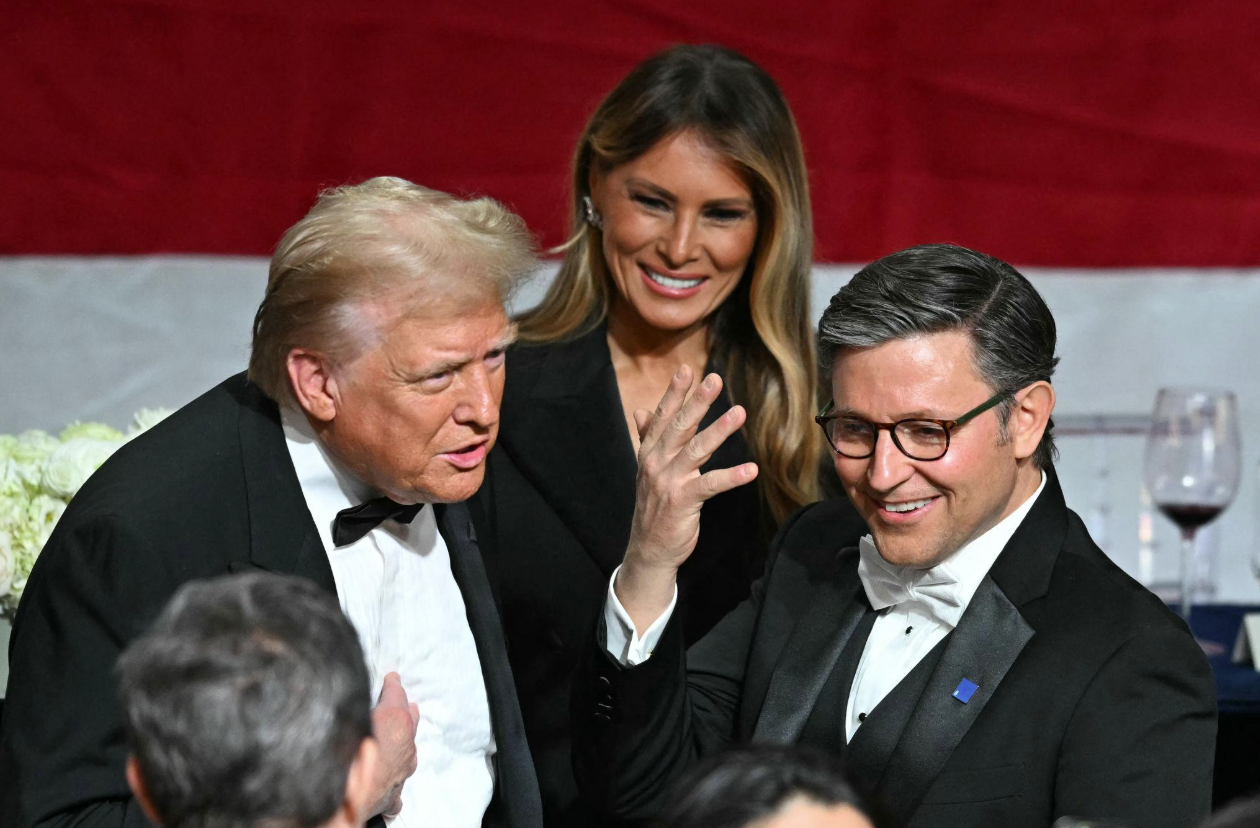
For Trump, the stakes are enormous. Although his name is not on the ballot for another presidential term, the outcome will determine whether Republicans can maintain control of Congress and continue advancing his administration's legislative priorities.
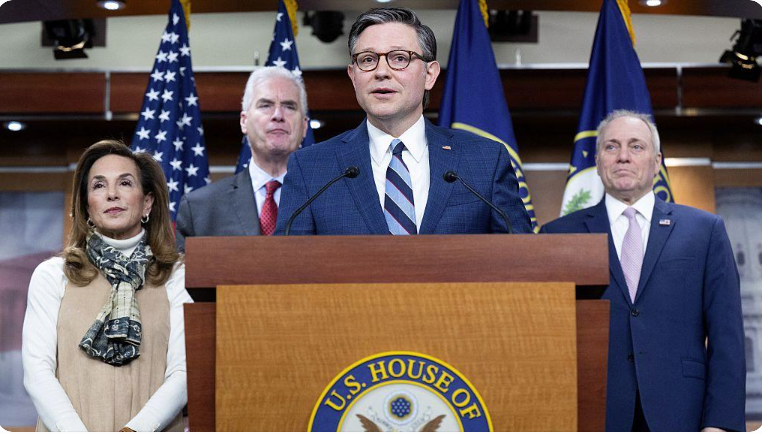
House Speaker Mike Johnson has emerged as a central figure in the Republican effort to defend the party's congressional majority. His leadership, fundraising efforts, and campaign strategy are all facing heightened scrutiny as competitive races enter their final days.
The battle for the House of Representatives is particularly consequential. Democrats are hoping to gain enough seats to reclaim the majority, while Republicans are attempting to persuade voters that continued GOP control is necessary to protect Trump's economic and political agenda.
A shift in control of the House could have immediate consequences for the White House. A Democratic majority would gain authority over congressional committees, potentially opening new investigations and challenging administration policies.
The Senate presents a different political landscape, with both parties targeting competitive races that could determine the chamber's direction. Candidate performance, turnout, and local political conditions may ultimately matter as much as national approval ratings.
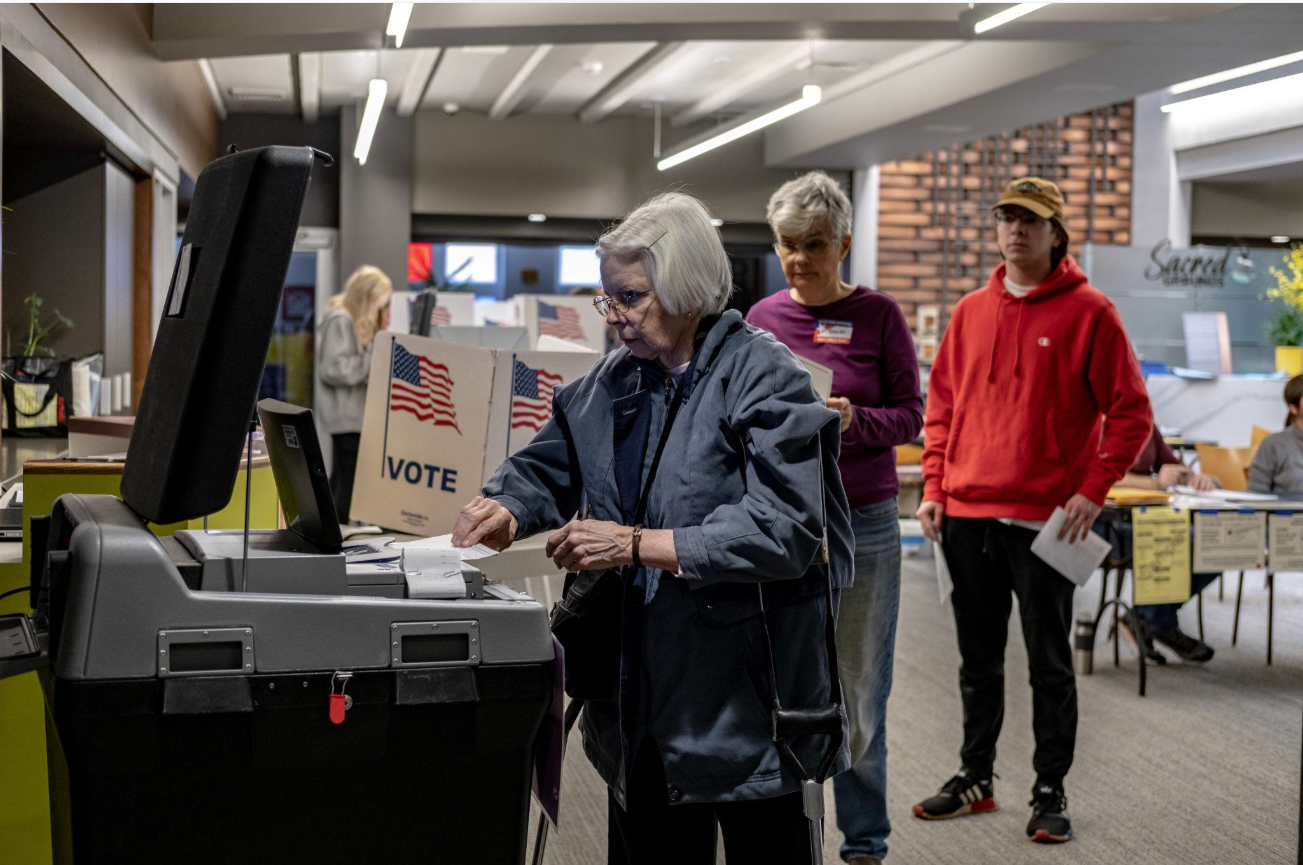
Early voting has become an important part of modern American elections. Millions of voters can cast ballots before Election Day, giving campaigns opportunities to assess participation and concentrate their final outreach efforts.
But early-vote totals require careful interpretation. A party's apparent advantage in ballots cast does not necessarily indicate which candidates are winning, because votes are not publicly assigned to candidates before counting.
Campaign strategists also recognize that voters who participate early may differ from those who wait until Election Day. Those differences make it difficult to translate turnout statistics directly into predictions about final results.
One of the clearest warning signs for Republicans comes from recent national polling. A Reuters/Ipsos survey completed October 26 found Trump's approval rating at 32%, while Democrats held a nine-point advantage among likely voters in a congressional ballot matchup. Those figures suggest a difficult environment for the governing party, although they do not establish the outcome of individual races.
The political atmosphere is further complicated by concerns over inflation, gasoline prices, and household expenses. These issues have become central to the campaign as Americans assess whether their financial circumstances have improved or deteriorated.
Democrats are attempting to make the election a referendum on the administration's economic management. Republicans, by contrast, are emphasizing their legislative accomplishments and arguing that Democratic control would obstruct the president's agenda.
Trump's personal influence remains a major factor. His endorsements and campaign appearances can motivate Republican voters, but his political prominence also gives Democratic candidates a recognizable figure against whom to campaign.
The importance of the election extends beyond Washington. State-level contests will determine governors, legislatures, and other offices responsible for policies affecting education, taxation, public safety, and election administration.
As the final campaign weekend approaches, both parties are expected to intensify their efforts to reach undecided voters and encourage supporters who have not yet cast ballots.
The first unofficial results will begin emerging after polls close on November 3, with reporting schedules varying by state. Close contests may remain unresolved beyond election night as officials process outstanding ballots and complete legally required procedures.
For Trump and Johnson, the outcome could determine whether Republicans retain the congressional authority needed to pursue their agenda or face a dramatically more challenging political environment.
Comments (0)
Loading comments...
May You Like

AMERICAN FLAG BURNING IN CHICAGO — FREE SPEECH OR DISRESPECT TOWARD AMERICA?


IRAN DEFIES WASHINGTON — SUPREME LEADER CLAIMS U.S. MILITARY ATTACKS FAILED!












