
Trump Announces $1 Million Reward for Voter Fraud Tips, but Funding and Rules Remain Unclear
October 29, 2026 | Washington, D.C. | U.S. Politics & Elections
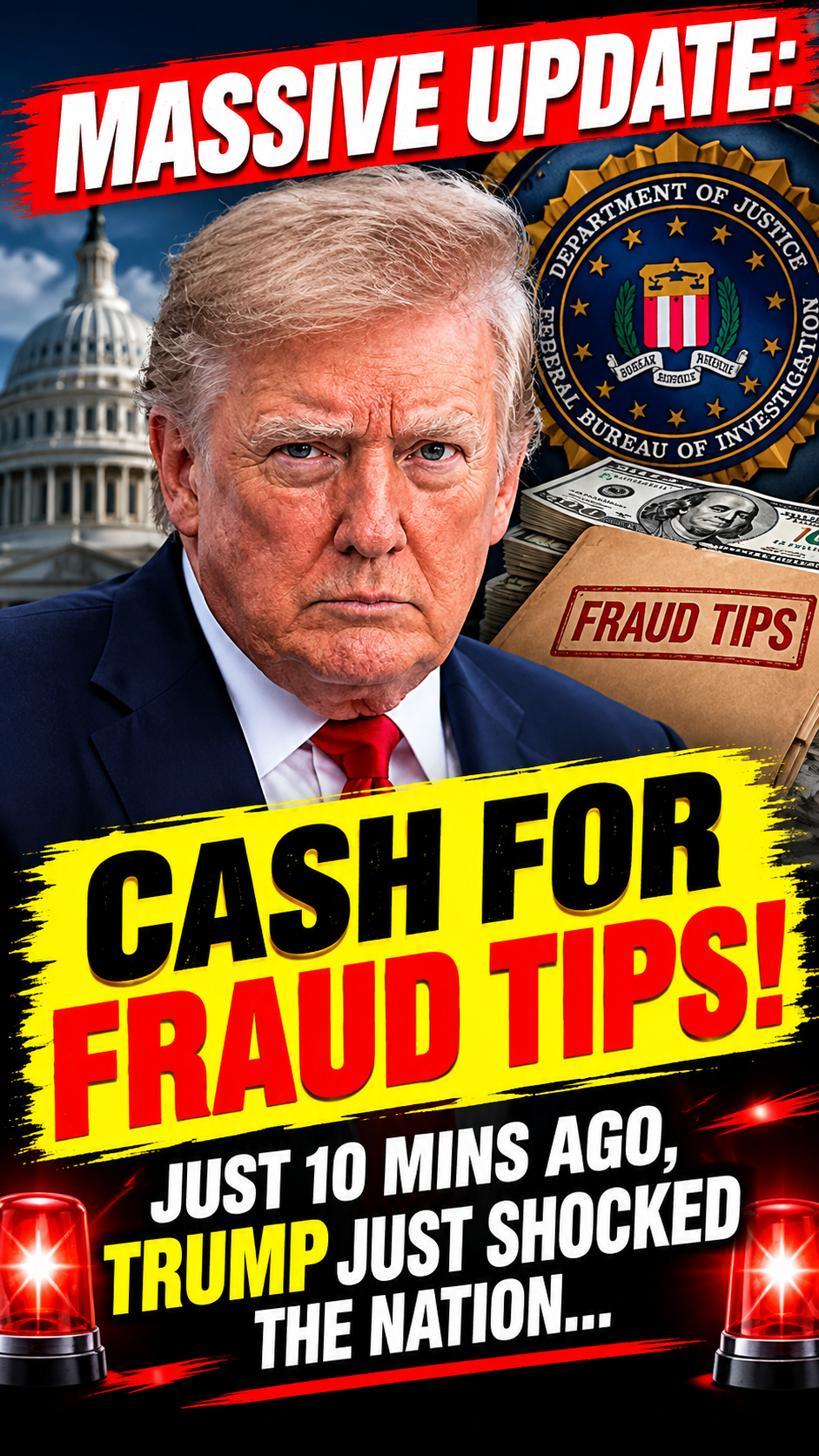
President Donald Trump has announced a proposed $1 million reward for information about voter fraud that leads to an arrest and conviction, placing election integrity back at the center of the political debate ahead of the November midterm elections.
Trump made the announcement in a Truth Social post on October 26, saying the reward would apply to alleged fraud in past elections and the upcoming 2026 midterms. Multiple news organizations have confirmed that he made the statement.
However, the announcement has left important questions unanswered. The White House has not clarified where the money would come from, which agency would administer the payments, or how people would submit reports and qualify for a reward.
What Trump Announced
Trump said payments would follow the arrest and conviction of those responsible for voter fraud. His announcement did not specify whether the proposed reward would be paid from existing federal funds or require new congressional authorization.
The president has repeatedly argued that election fraud threatens public confidence in American democracy. His administration has also supported stricter election requirements, including legislation seeking stronger proof-of-citizenship rules for voter registration and identification requirements at the polls.
The latest announcement is separate from a broader fraud-whistleblower initiative unveiled by the administration the previous week. That program concerns reports of certain forms of government fraud, while the $1 million announcement specifically addresses alleged election-related offenses.
Despite the headline-grabbing figure, the voter-fraud reward lacks publicly explained eligibility standards and a clearly identified payment process. Until those details are established, the announcement should not be confused with a fully documented federal reward program.
Why the Funding Question Matters
The White House did not immediately explain how the proposed payments would be financed. That omission matters because federal spending generally requires a lawful funding mechanism, and a presidential announcement alone does not establish that money has been appropriated.
Officials have also not publicly identified who would assess allegations, determine whether a tip directly contributed to a conviction, or resolve disputes over competing claims. Those decisions could become significant if multiple people report the same incident.
A reward of this size could encourage people to report credible evidence of election crimes. But without clear standards, it could also generate large numbers of unsubstantiated accusations, placing additional demands on investigators and election administrators.
Law enforcement agencies must distinguish between deliberate criminal conduct and ordinary mistakes, administrative errors, or misunderstandings of election rules. A report or allegation is not proof that a crime occurred.
What the Evidence Says About Voter Fraud
Election fraud is a legitimate subject for investigation, and individual cases have resulted in criminal charges and convictions across the United States. Nevertheless, investigations and research have not substantiated claims of widespread fraud on a scale that would have changed the outcome of the 2020 presidential election.
Trump has continued to challenge that result, even though courts, state election officials and reviews did not establish evidence sufficient to support his broader claims. The distinction between documented individual offenses and allegations of systematic fraud is central to evaluating the current announcement.
Election administrators from both major parties have emphasized the importance of investigating credible evidence while protecting lawful voting. Allegations should be supported by specific facts rather than political affiliation, rumors, or assumptions about how someone voted.
The Political Stakes Before the Midterms
The reward announcement comes just days before the November 3 midterm elections, when control of Congress is at stake. Republicans hold narrow majorities, and the outcome will influence the remainder of Trump's legislative agenda.
The timing has raised concerns among critics that repeated claims of voter fraud could undermine confidence in the election process before ballots are fully counted. Supporters argue that incentives for reporting wrongdoing could help identify and prosecute actual offenses.
The proposal also arrives amid wider disputes over federal involvement in state-run elections. Although federal law addresses certain election crimes, states retain major responsibilities for administering elections, maintaining voter rolls and counting ballots.
Any implementation of the reward would need clear rules to protect due process, prevent abuse and ensure that reports are evaluated impartially. Investigations must rely on evidence, and individuals remain entitled to the presumption of innocence unless proven guilty.
What Happens Next?
As of October 29, Trump’s announcement is genuine, but key operational details remain unresolved in public reporting. The administration has not fully explained the funding source, responsible agency, submission procedure or criteria for determining eligibility.
Those details will determine whether the proposal becomes an actionable program or remains a public pledge. Until the government clarifies the process, individuals should not assume that any particular report automatically qualifies for a $1 million payment.
The bottom line: Trump really did announce a $1 million reward for voter-fraud information leading to an arrest and conviction. The unresolved issue is not whether he made the announcement, but how it would legally and practically be implemented—and whether credible evidence supports the allegations submitted.
Comments (0)
Loading comments...
May You Like

WWE BRONSON REED DEAD AT 38, STIMULANTS DETECTED, $10M INSURANCE PAYOUT FROZEN!

WWE BRONSON REED—STAR COLLAPSES AT COMPANY EVENT, FATAL DRUG REACTION SUSPECTED!

EAST COAST CATASTROPHE — $20 BILLION AT STAKE, 5 MILLION AT RISK OF LOSING POWER, WATER AND HEAT!










Popular Posts



