Trump Appears to Quietly Change His $5,000 Check Promise
Politics · Economy · Midterm Elections
Trump Appears to Quietly Change His $5,000 Check Promise
The $5,000 “Trump Dividend” remains a conditional campaign proposal—not an approved check program—as questions mount over eligibility, funding and congressional authority.
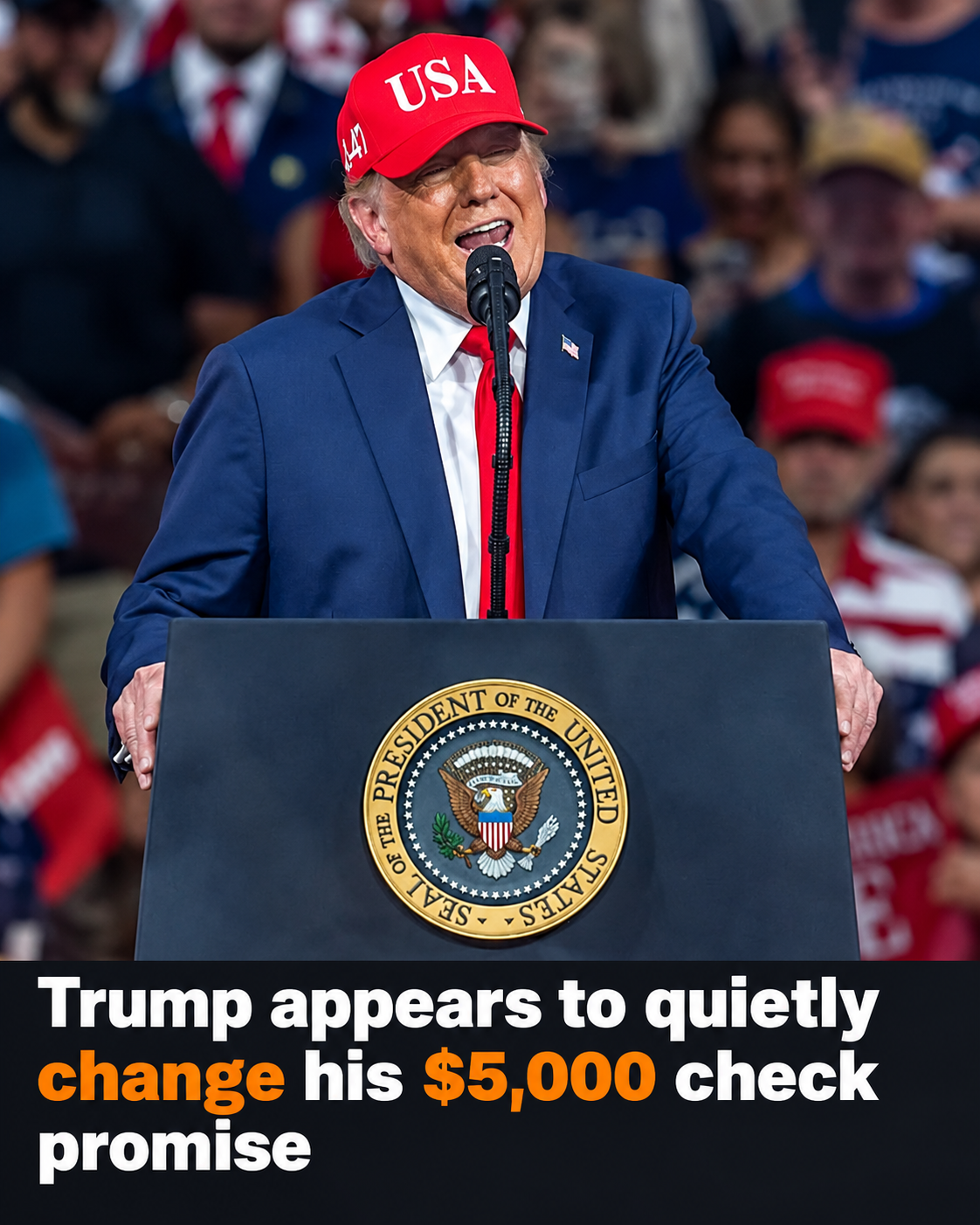
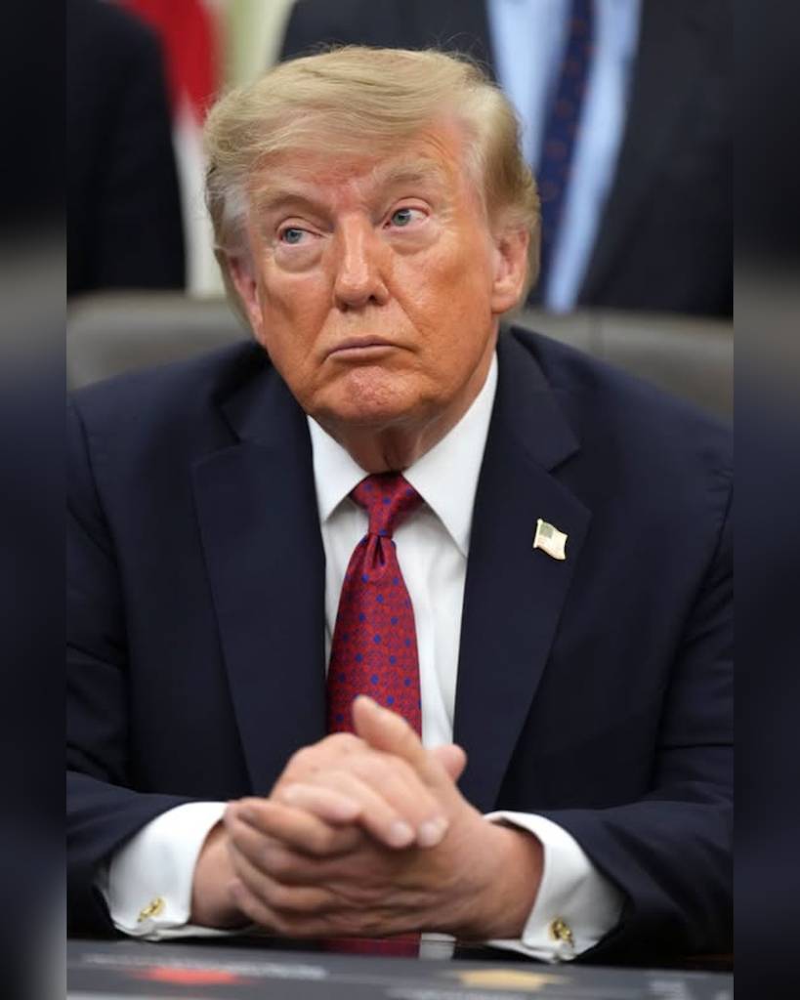
President Donald Trump’s headline-grabbing promise to send Americans $5,000 each is facing a closer look as his administration continues promoting a series of payments and financial rewards ahead of the November midterm elections. What began as a sweeping pledge now comes with political conditions, unresolved questions about who would qualify, and no clear payment mechanism.
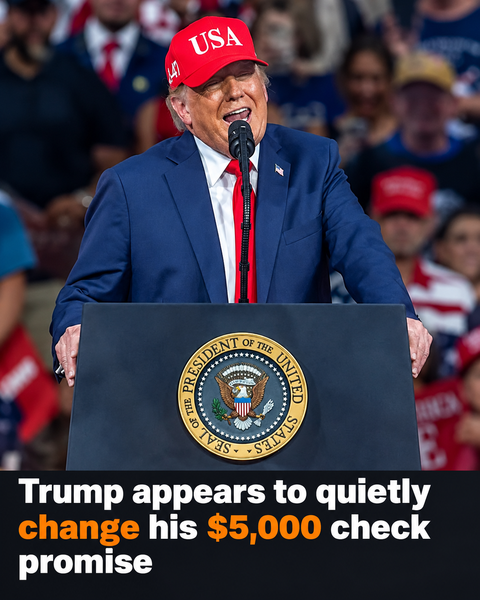
Trump announced the proposed “Trump Dividend” at the Republican midterm convention in Dallas in September, saying every adult U.S. citizen would receive $5,000 if Republicans retained control of both the House of Representatives and the Senate. He presented the payment as a return to the public from what he described as the country’s economic success and tariff revenue.
That condition is central to the promise. The payment is not currently a universal benefit that Americans can expect regardless of election results; Trump has explicitly tied it to Republicans winning both chambers of Congress. In an October 3 video, he repeated that all adult citizens would receive the money if Republicans won the House and Senate.
The apparent change highlighted in the viral graphic needs careful context. Public reporting does not establish that Trump has formally replaced the $5,000 figure with a different amount. Instead, the proposal has been presented with changing political framing and unresolved details, including whether higher-income Americans would be excluded and how the checks could legally be funded.
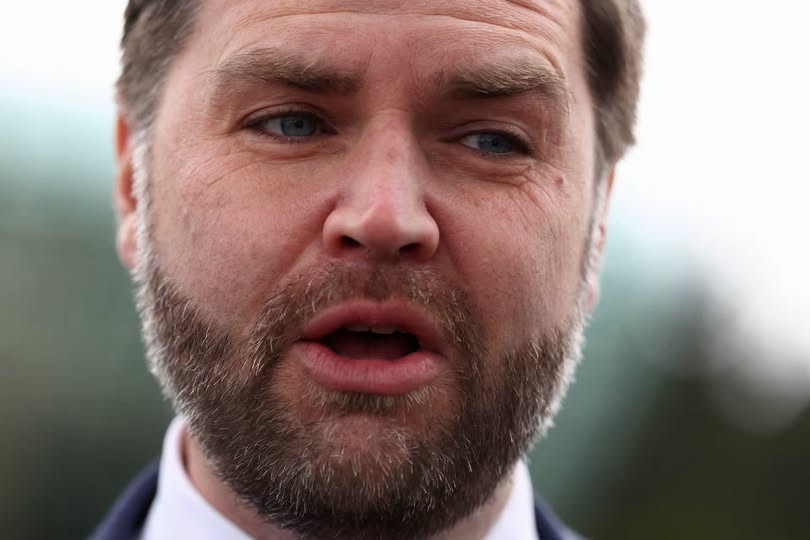
Vice President JD Vance appeared to narrow the idea shortly after Trump’s original announcement, suggesting the payments might not go to wealthy Americans. That qualification raised a basic question: would the benefit go to every adult citizen, as Trump said, or only to a subset of households? The White House has not publicly provided a complete eligibility formula.
The price tag is enormous. With roughly 240 million to 245 million adult U.S. citizens, a $5,000 payment to each person would cost around $1.2 trillion. That estimate is before administrative expenses and before any decision to exclude some recipients, which could reduce the total but would require clear rules.
Trump has pointed to tariffs as a way to pay for the plan. Tariff revenue has risen in some periods, but it is far below the amount needed for a one-time payout of this size. FactCheck.org’s analysis estimated that tariff receipts would take more than six years to cover a $1.2 trillion payment at the revenue levels it examined—and that comparison assumes the money could be devoted entirely to the checks.
The financing question has become more complicated after legal challenges to parts of Trump’s tariff program. Some tariff collections have been subject to court rulings and refund obligations, making it especially difficult to treat all announced tariff revenue as a stable pool of money available for new spending.
Congressional approval is another major hurdle. House Speaker Mike Johnson has said legislation would be needed, and the president has not laid out a detailed bill or a legally established mechanism for issuing the checks. A campaign promise alone does not authorize the Treasury to distribute more than a trillion dollars to the public.
The proposal would also arrive while the federal government is running substantial deficits and carrying more than $40 trillion in national debt, according to reporting published around the announcement. Budget analysts warn that borrowing to fund a large cash transfer could increase federal borrowing needs and potentially place additional pressure on interest rates.

Inflation is another concern raised by economists. A one-time payment could help families cover immediate expenses, pay down debt, or build savings. But putting a very large amount of cash into the economy without matching revenue could also boost demand, potentially pushing prices higher if supply cannot keep up.
For households, the practical question is whether the proposal will become a real, legally authorized benefit. As of late October, the $5,000 dividend remains a proposal, not a payment program with a published application, confirmed schedule, eligibility checklist, or official distribution date. People should be wary of messages asking them to register or pay a fee to receive the promised money.
The $5,000 pledge also follows an earlier promise. In November 2025, Trump floated a $2,000 tariff dividend for middle- and lower-income Americans. Those payments did not materialize as a broad nationwide check program, and later explanations suggested that the phrase “dividend” might encompass tax reductions or other forms of relief rather than a direct cash payment.
That history matters because the word “check” can create a much firmer expectation than the policy details support. A tax cut, a rebate, a government contribution to a child’s investment account, and a direct deposit are different programs, with different eligibility rules, timelines, and effects on a household’s finances.
The White House has defended Trump’s broader economic message, saying he has delivered results and will continue doing so. Administration supporters argue that tariff policy can generate revenue and that direct payments would let Americans share in economic gains. But those arguments do not by themselves establish that the government has enough available money to finance the proposed checks.
Trump has also been promoting other kinds of financial assistance, including government-seeded investment accounts for eligible children and certain targeted payments for seniors or health-insurance customers. Some of those initiatives are distinct from the proposed $5,000 dividend and have different funding sources or eligibility requirements, so they should not be treated as evidence that the larger plan has been approved.

Politically, the promise is designed to make the midterm elections feel directly connected to household finances. Trump has repeatedly framed the outcome as conditional: if Republicans win, Americans could receive the dividend; if they lose, he says the benefit will not happen. Critics see that as a high-stakes campaign pitch whose fiscal details remain unproven.
The distinction between a campaign pledge and an exchange for votes is also important. Legal experts cited by the Associated Press have noted that broadly promising a future government benefit to the public is not automatically the same as paying individuals to vote a particular way. Any actual program would still need to comply with federal law and follow the required legislative and budgetary process.
For now, the most accurate reading is that Trump has not delivered a $5,000 check and has not published the details needed to treat it as an imminent benefit. The public promise remains conditional on the November 3 midterms and dependent on unresolved decisions about eligibility, funding, and congressional action. A changed campaign message is not the same thing as an enacted policy.
The bottom line: the $5,000 dividend is still a political proposal, not guaranteed money. Before relying on it in a household budget, Americans should wait for a bill or official program announcement that specifies who qualifies, where the funding comes from, and when payments would be made.
Comments (0)
Loading comments...
May You Like
RAPE ACCUSATION AGAINST TRUMP! ★ THE 1993 CLAIM THAT TRIGGERED A FEDERAL DEMAND..
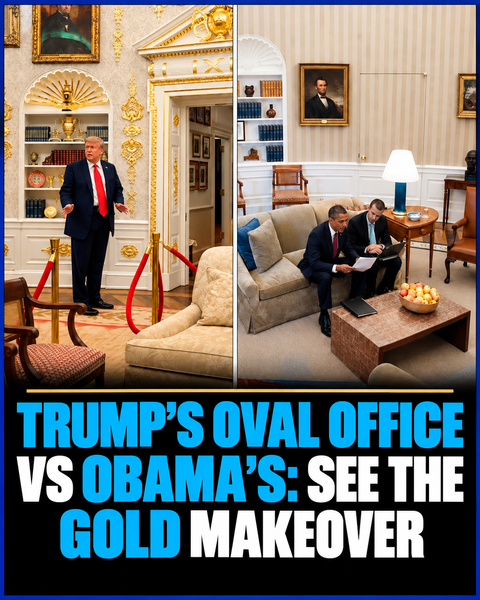
Trump’s Oval Office vs. Obama’s: Inside the White House’s Golden Makeover
Latest Posts

Popular Posts