Trump Blames Biden for Higher Prices, Says Oil Will “Drop Like a Rock” After Iran War
President Donald Trump says Americans should blame the Biden administration rather than his policies for elevated prices, while predicting a dramatic decline in oil costs once the conflict with Iran ends.
WASHINGTON, Sept. 15, 2026 — President Donald Trump is blaming former President Joe Biden for higher consumer prices while predicting oil costs will plunge once the ongoing military conflict with Iran ends.
Trump made the claims Monday in a social-media post addressing inflation and energy costs, two issues that have become increasingly politically difficult for his administration ahead of November’s congressional elections.
The president argued that price increases Americans are experiencing originated under Biden and insisted they should not be attributed to policies implemented since Trump returned to the White House.
Trump also singled out oil as a temporary exception to what he described as falling prices elsewhere, predicting crude would “drop like a rock” after the Iran conflict concludes.
The president did not provide a specific timetable Monday for ending the conflict, although he said the fighting would not continue much longer and expressed confidence energy markets would respond quickly.
That prediction comes only days after Trump offered a somewhat different timeline, saying oil prices might not substantially decline until after the November 3 midterm elections as Iran continued resisting U.S. pressure.
The Iran conflict has become a major factor in global energy markets. Brent crude surpassed $100 per barrel last week as fighting disrupted petroleum movements through strategically important Middle Eastern shipping routes.
Oil remained expensive Monday, with Brent crude settling at $105.68 per barrel after approaching $110 earlier in the session amid continued disruptions to Saudi infrastructure and Persian Gulf shipments.
American motorists are feeling those pressures directly. AAA data cited by AP showed regular gasoline averaging nearly $4.32 per gallon, compared with $4.08 one month earlier and $3.18 last year.
Diesel has created additional concern because its price affects trucking, agriculture and distribution costs throughout the economy, potentially allowing an energy shock to filter into groceries and other consumer products.
Government inflation figures similarly complicate Trump’s broader claim that prices outside oil are declining sharply. The Consumer Price Index actually increased 0.4% in August, following a 0.1% July increase.
Compared with August 2025, overall consumer prices were 3.4% higher, while food prices increased 2.7% and energy prices jumped 16.3%, according to the Bureau of Labor Statistics.


Gasoline was particularly significant during August. Prices at the pump increased 3.9% during the month and accounted for more than one-third of the overall monthly CPI increase, BLS reported.
There were nevertheless signs of moderation outside energy. Core inflation, excluding volatile food and energy categories, increased 2.4% over the previous year, easing from a 2.5% annual increase in July.
Trump has repeatedly acknowledged that the Iran conflict contributed to the energy surge while defending the war as necessary to prevent Tehran from developing a nuclear weapon capable of threatening regional security.
At last week’s Republican convention in Dallas, Trump told supporters that oil had been inexpensive before the conflict and acknowledged that the war subsequently pushed energy costs higher and hurt financial markets.
The administration argues its military campaign prevented Iran from obtaining a nuclear weapon. Iran, meanwhile, has long maintained that its nuclear program is intended for peaceful purposes, rejecting accusations that it seeks one.
The conflict has now continued for months rather than the brief campaign initially envisioned, while AP reported last week that low-level fighting persists without a clear diplomatic breakthrough or American exit strategy.
The Strait of Hormuz remains central to the economic consequences. Before the conflict, roughly one-fifth of global petroleum passed through the strategically important waterway connecting the Persian Gulf with international markets.
Recent U.S. operations have loosened Iran’s control over the strait and increased non-Iranian oil movements, but attacks and continuing regional instability have prevented global energy flows from returning to normal.
The economic consequences extend beyond gasoline. Higher energy costs can raise transportation, manufacturing and agricultural expenses, eventually reaching consumers through more expensive goods, services, airline tickets and household energy bills.
Financial markets are responding as well. Rising oil prices helped briefly push the 10-year Treasury yield to 5% Monday, reflecting concerns that persistent inflation could keep borrowing costs elevated.
Trump is betting those pressures will reverse once fighting ends, but commodity prices depend on numerous factors, including global production, shipping capacity, inventories, demand and whether damaged infrastructure can resume normal operations.
His attempt to place responsibility on Biden also confronts a basic economic reality: today’s price level reflects inflation accumulated across multiple years, while current inflation measures how quickly those prices continue changing.
For American voters, however, the distinction may matter less than household experience. Gasoline above $4, expensive food and elevated borrowing costs remain highly visible expenses as Republicans campaign to retain Congress.
Trump’s prediction therefore carries substantial political consequences. If oil prices fall dramatically following an Iran settlement, Americans could receive meaningful relief; if they remain elevated, inflation could continue weighing on households.
For now, the evidence supports only part of Trump’s message: the Iran conflict is contributing substantially to elevated energy costs, but government data do not show consumer prices broadly “coming down sharply.”
Comments (0)
Loading comments...
May You Like
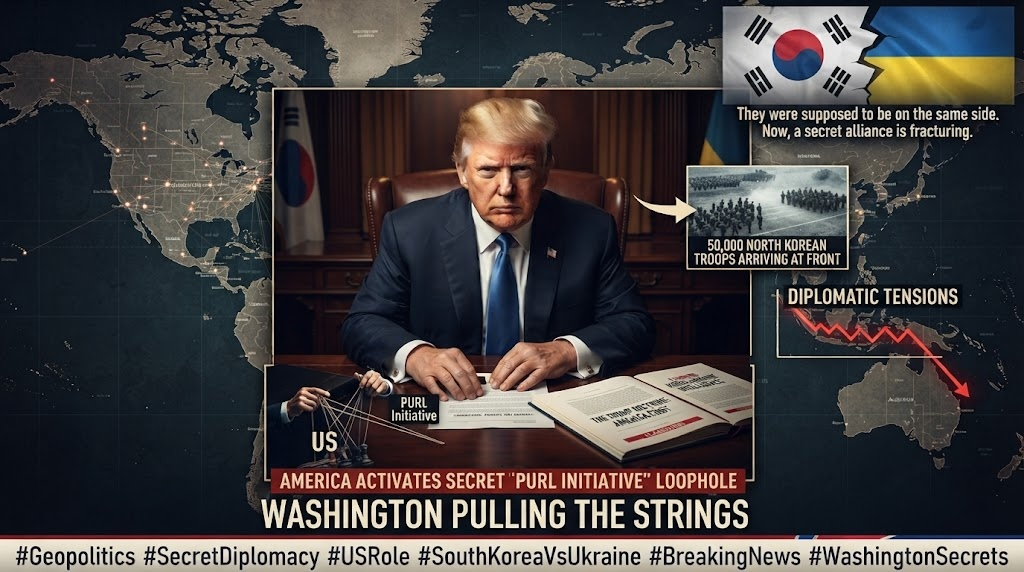
South Korea–Ukraine Rift Deepens Over North Korean POW Transfer as PURL Draws New Scrutiny
OBAMA STUNS ON INSTAGRAM: MESSAGE MARKING 34-YEAR MILESTONE SPARKS A BUZZ