Trump Blames Obama and Biden as He Defends His Approach to the Iran Conflict


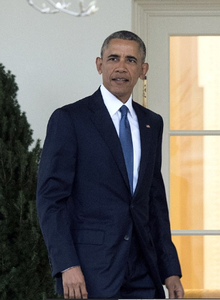
1. President Donald Trump has increasingly framed the Iran conflict through decisions made by earlier administrations, particularly Barack Obama and Joe Biden, while presenting his own actions as responses to problems inherited from Washington.
2. Trump has repeatedly criticized Obama’s 2015 nuclear agreement with Iran, known as the JCPOA, arguing that withdrawing from the agreement was necessary to prevent Tehran from eventually obtaining nuclear weapons.
3. In recent interviews, Trump again described the Obama-era agreement as dangerous and said subsequent American military actions were necessary because Iran could otherwise have developed increasingly advanced nuclear capabilities.
4. Trump has also connected Biden to his broader criticism of American Iran policy, arguing that years of previous decisions allowed Tehran to strengthen its position and created difficulties his administration later confronted.
5. Those arguments represent Trump’s political interpretation of the conflict rather than an uncontested historical account. Analysts and former officials continue debating how successive administrations contributed to today’s confrontation.
6. The Obama administration negotiated the JCPOA with Iran and other major powers in 2015. The agreement imposed restrictions and international monitoring on Iran’s nuclear program in exchange for sanctions relief.
7. Trump withdrew the United States from the JCPOA in 2018, arguing that the agreement failed to adequately address Iran’s missile program, regional activities, and long-term nuclear capabilities.
8. After Washington withdrew, Iran gradually reduced compliance with several nuclear restrictions. That sequence remains central to competing arguments about whether economic pressure, diplomacy, or military deterrence offers greater security.
9. During his second administration, Trump has presented military action against Iran as part of a broader effort to prevent a nuclear threat and reshape Tehran’s strategic calculations.
10. In a June interview with Axios, Trump said his forces had achieved major military objectives against Iran and repeatedly contrasted his actions with what he said Obama had failed to accomplish.
11. Trump specifically pointed to the 2020 killing of Iranian commander Qassem Soleimani, ordered during his first presidency, as an example of decisive action that Obama had not taken.
12. More recently, Trump has said he does not regret launching the current Iran war, telling Fox News that, if given the same choice again, he would make the same decision.
13. Reuters reported that Trump acknowledged the conflict could affect American politics but said that consideration would not change his assessment of the military decision or his willingness to repeat it.
14. Meanwhile, the war has produced consequences extending beyond Iran. Oil markets, shipping routes, regional security, and relationships with American allies have all been affected by the continuing confrontation.
15. Reuters reported September 18 that Trump was returning to the United Nations amid international skepticism, with the conflict entering its sixth month and negotiations remaining important to reducing regional tensions.
16. Questions about the war’s objectives have also intensified in Washington. Senators from both parties recently expressed frustration after a classified Pentagon briefing provided limited answers concerning Iran and broader defense strategy.
17. The administration maintains that preventing Iran from obtaining a nuclear weapon is a central justification for military action. Critics, however, dispute whether the campaign has produced a durable political settlement.
18. The historical debate is therefore more complicated than a simple division between Obama, Biden, and Trump. Each administration made distinct choices involving diplomacy, sanctions, deterrence, military force, and negotiations.
19. Trump’s message remains clear: he portrays himself as confronting problems he says previous presidents allowed to grow. Whether that explanation fully accounts for the conflict’s origins remains contested.
20. As the Iran war continues, attention is likely to remain focused on measurable outcomes: nuclear constraints, regional stability, American casualties, economic costs, diplomacy, and whether Washington can establish a sustainable settlement.
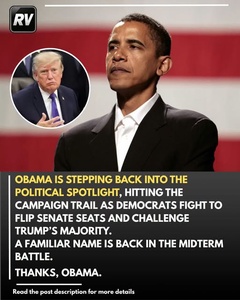
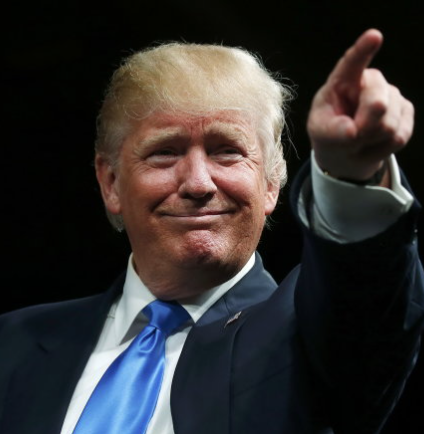
Editorial note: The uploaded image is treated as an illustrative political graphic. The article does not use the photograph itself as evidence of any statement; the claims above are based on independently reported interviews, official history, and current reporting.
Comments (0)
Loading comments...
May You Like
Russian Drone Strikes Kyiv Bridge as German Chancellor Arrives in Ukraine
Obama Steps Back Into the Political Spotlight as Democrats Target Trump’s
TRUMP HIT WITH 26 ARTICLES OF IMPEACHMENT