
TRUMP CALLED FOR KIMMEL’S FIRING—THE FCC ACTED THE VERY NEXT DAY
WASHINGTON — NOV 26, 2026 — A dispute involving ABC, its late-night programming and the federal agency that regulates broadcast stations has become a test of how government power intersects with protected speech.
The case brings together a major television network, its parent company and the Federal Communications Commission in a lawsuit over the treatment of local broadcast licenses.
At issue is whether a regulator can use the licensing process in a way that discourages a broadcaster from airing commentary critical of the president.
The FCC oversees broadcast licenses for individual stations, and its renewal process ordinarily examines whether a station has met its obligations to serve the public interest, a process that can have serious consequences for local television outlets and the communities they reach.
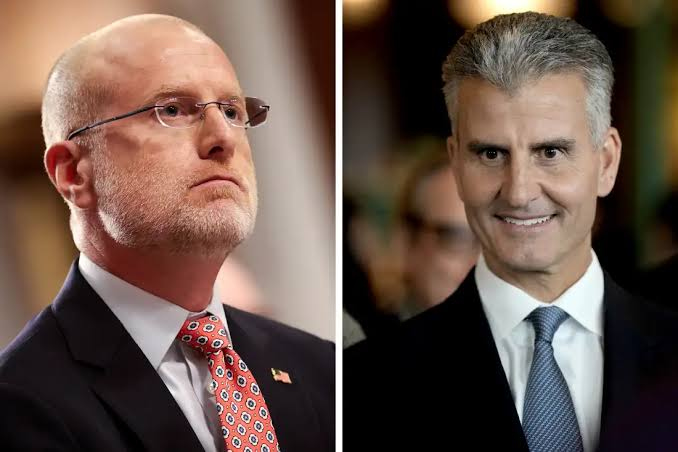
ABC and Disney own eight local television stations whose licenses became the subject of an unusually early renewal process ordered by the commission in April 2026.
The agency’s order required the stations to submit renewal applications years before their regular deadlines, creating a proceeding in which their authority to broadcast could be examined.
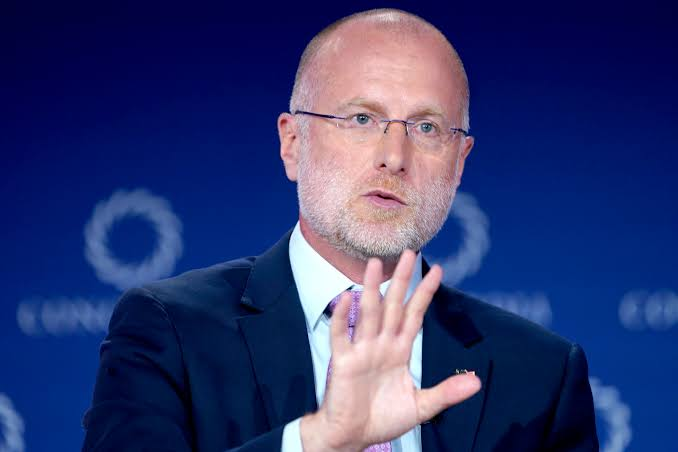
FCC Chair Brendan Carr said the action related to an investigation into Disney’s diversity, equity and inclusion practices, which the agency had begun before the renewal order.
Disney and ABC disputed that explanation, saying the early review was a pretext to pressure their news and entertainment programming because administration officials disliked its content.
The companies sued the FCC and its commissioners in August, arguing that the regulatory process violated their First Amendment rights and asking a federal court to intervene.
The network also told the court that the dispute was affecting editorial decisions, describing a chilling effect as broadcasters weighed how government officials might respond to their coverage.
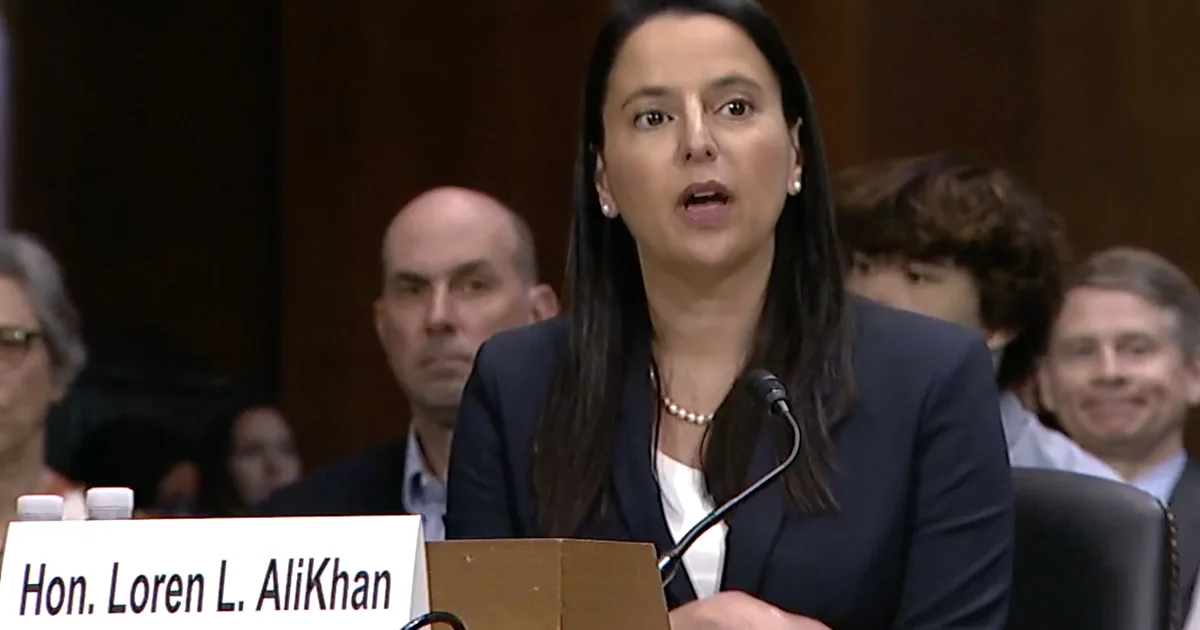
US District Judge Loren AliKhan considered the companies’ request for a preliminary injunction, a temporary measure intended to preserve the parties’ positions while the lawsuit proceeds.
The case concerned station licenses rather than an order directly canceling a television show, and the FCC maintained that broadcasters have obligations under federal communications rules.
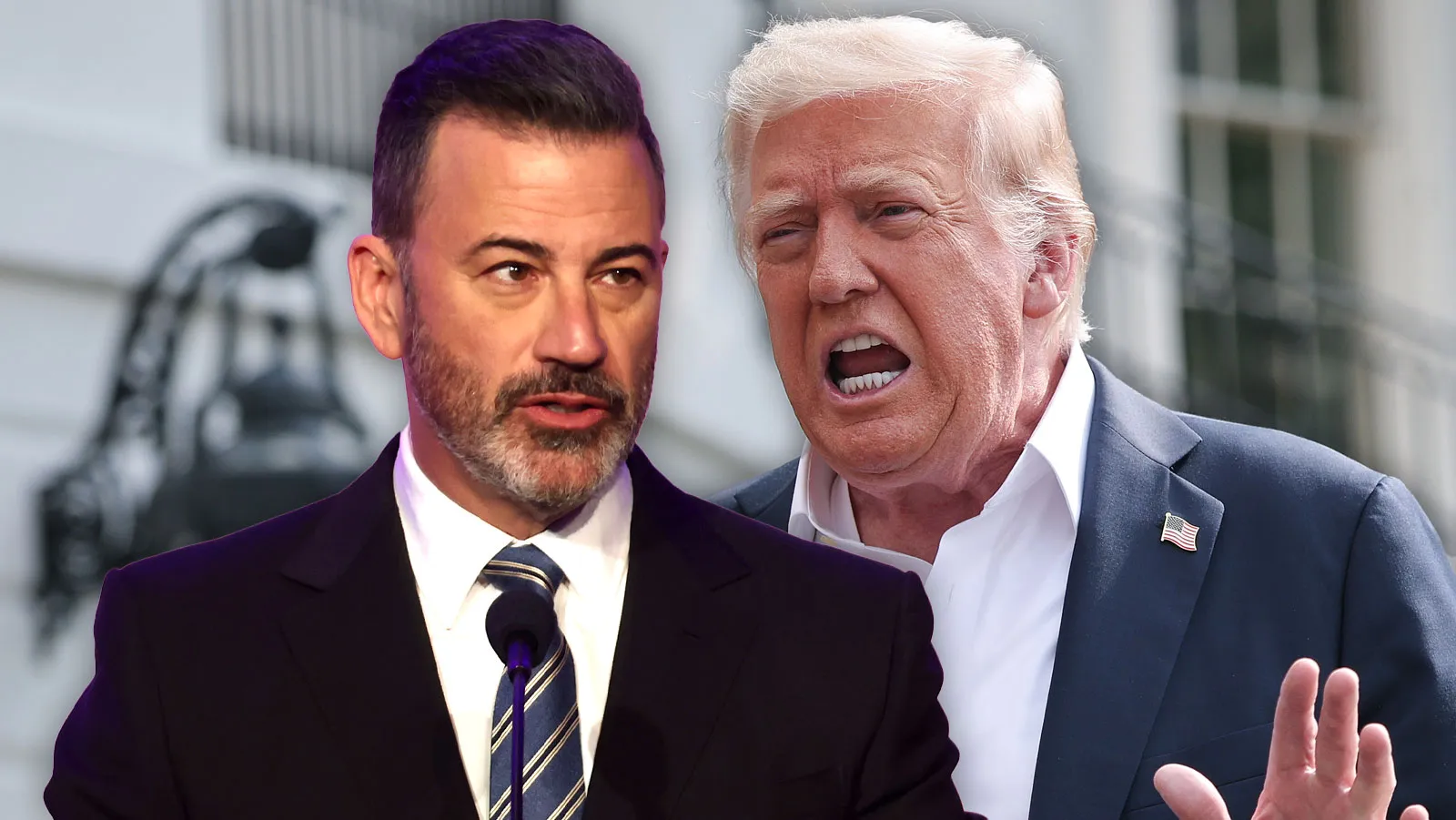
AliKhan also reviewed a broader history of public criticism directed at ABC, including repeated calls by President Donald Trump for the network’s licenses to be taken away.
The court identified 11 such calls over the preceding two years and examined how the president’s statements related to actions and public remarks by the FCC chair.
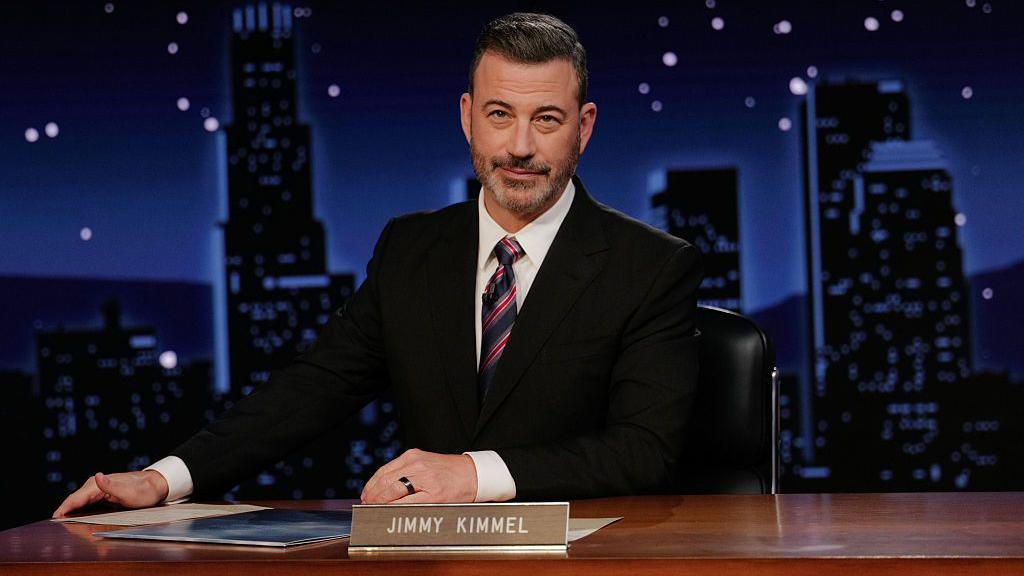
The immediate sequence began with an April 23 skit in which Jimmy Kimmel made a joke about first lady Melania Trump on his ABC late-night program.
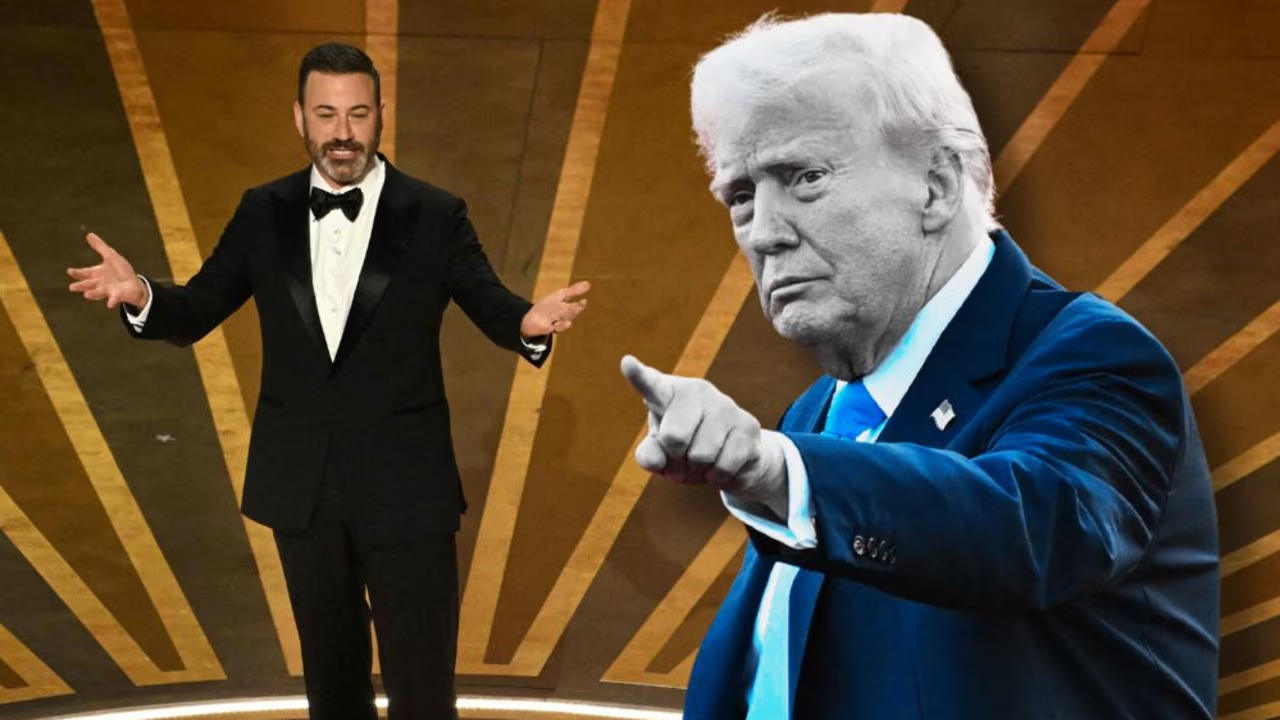
On April 27, Trump demanded that Disney and ABC fire Kimmel, and the following day the FCC ordered early renewal applications for the eight stations.
AliKhan wrote that the timing was no coincidence when viewed alongside the exchange between Trump and Carr, and concluded that the companies were likely to succeed on their retaliation claim.
On Nov 25, she blocked further action in the early renewal proceedings while the lawsuit continues, calling the balance of interests in granting relief not a close case.
The judge did not prohibit the FCC from continuing its separate diversity investigation, and the preliminary ruling did not finally decide every issue in the lawsuit.
The FCC said the court’s decision was wrong on the facts and law, while ABC welcomed the order as a victory for the First Amendment.
Comments (0)
Loading comments...
May You Like

IOWA MILITARY EMERGENCY: 51 TONS OF UNSTABLE SUSPECTED BIOWEAPON WASTE FOUND AFTER 5-TON BLAST!

AMERICA’S NEW-GENERATION AIRCRAFT CARRIERS — MILITARY MIGHT BUILT AT THE EXPENSE OF THE PEOPLE

IOWA MILITARY DISASTER: 5 TONS OF SUSPECTED BIOWEAPON WASTE LEAK—301+ HOSPITALIZED, 20 CRITICAL!











Popular Posts

