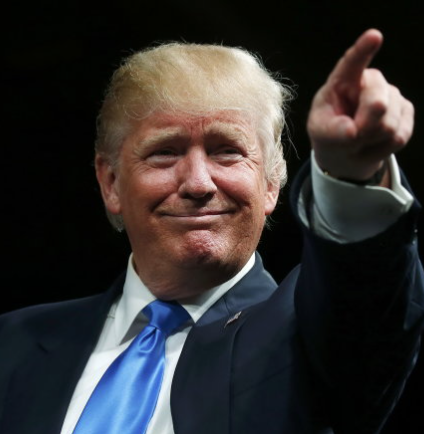
Trump Calls Canada’s EU Plan “Laughable,” Threatens Europe With New Tariffs
Donald Trump says Canada becoming the European Union’s first “associate member” could amount to a hostile act, while Mark Carney embraces deeper European ties without seeking full EU membership.
WASHINGTON/STRASBOURG, Sept. 17, 2026 — President Donald Trump has sharply attacked an unprecedented European Union proposal to make Canada its first “associate member,” calling the idea “laughable” and threatening Europe with additional tariffs.
Trump delivered the warning Wednesday night while speaking to reporters in Charlotte, North Carolina, hours after European Commission President Ursula von der Leyen publicly extended the groundbreaking invitation to Canada.
The president said his response would depend on Europe’s intentions, warning that he could impose “very serious tariffs” or restrict trade if he concluded the arrangement represented hostility toward Washington.
Trump nevertheless left himself room to accept the arrangement, saying he would have no objection if the European initiative had good intentions rather than being designed to undermine American interests.


The extraordinary dispute began Wednesday during von der Leyen’s annual State of the European Union address, where Canadian Prime Minister Mark Carney was seated as her special guest.
Von der Leyen unexpectedly proposed opening the door for Canada to become the EU’s first associate member, prompting a standing ovation from European lawmakers and a warm embrace with Carney.
The proposal represents something genuinely new. The European Union currently has no formal category of “associate membership,” meaning Brussels would have to design a new framework before Canada could obtain such a status.
That distinction is crucial because viral headlines suggesting Canada is simply “joining the EU” are inaccurate. Canada has neither applied for conventional EU membership nor proposed becoming its 28th member state.
Carney confirmed that distinction Thursday when he addressed the European Parliament in Strasbourg, one day after von der Leyen surprised lawmakers with her proposal.
The Canadian leader nevertheless enthusiastically welcomed the initiative, telling European lawmakers that Canada supported von der Leyen’s ambition and arguing the two sides could become substantially stronger through deeper cooperation.
Carney proposed closer integration involving critical minerals, defence production, artificial intelligence, computing infrastructure, energy security, space technology, payments and other strategically important sectors.
He also advocated substantially easier movement between Canada and Europe, including arrangements allowing young Canadians and Europeans to live, work and study on opposite sides of the Atlantic.


Carney emphasized that closer integration would not mean surrendering Canadian sovereignty, saying Ottawa is seeking partnerships that strengthen its independence rather than transferring political authority to European institutions.
He said the precise terminology — whether “associate membership,” an “alliance for the future,” or another description — matters less than the substantive economic and security relationship eventually created.
Carney also rejected the idea that Canada and Europe were constructing a competing geopolitical superpower, saying he was not proposing a third bloc designed to challenge existing great powers.
Instead, he framed the partnership as protection against economic coercion, arguing countries should build sufficient resilience so outside powers cannot control markets, weaken sovereignty or threaten territorial integrity.
The timing makes Trump’s reaction particularly consequential. Canada and the United States are already engaged in an escalating trade confrontation following the collapse of bilateral negotiations last month.
Canada remains deeply dependent on its southern neighbor, sending roughly 70% of its exports to the United States, but Carney has pledged to double non-U.S. trade during the coming decade.
Trump’s tariffs, demands for economic concessions and repeated references to Canada potentially becoming America’s 51st state have accelerated Ottawa’s effort to diversify its economic and strategic relationships.
Europe has emerged as the centerpiece of that strategy because Canada and the EU already possess an extensive free-trade agreement and increasingly close cooperation on defence, technology and economic security.
Canada has already become the first non-European country participating in the EU’s €150 billion SAFE defence procurement initiative, providing Canadian companies greater access to European defence purchasing.


Yet associate membership remains far from settled. Von der Leyen’s announcement apparently surprised some European officials, and the concept currently lacks a defined legal structure within existing EU treaties.
Some EU governments are reportedly cautious about creating an unprecedented status for Canada, meaning the enthusiastic response inside the European Parliament does not guarantee unanimous support among the bloc’s 27 governments.
France pushed back against Trump’s warning Thursday. European Affairs Minister Benjamin Haddad said Washington does not have authority to determine the geopolitical choices Europe makes with Canada or other partners.
The European Commission has similarly stressed that closer relations with Ottawa are not directed against another country, presenting the initiative as an effort to strengthen Canada and Europe rather than weaken Washington.
Carney made a similar argument Thursday, saying a stronger Canada would ultimately become a better partner for the United States even while Ottawa develops substantially greater independence from Washington.
The proposal will also face scrutiny inside Canada. Carney said the eventual agreement would undergo parliamentary debate and ultimately require a vote in Canada’s Parliament before its final structure could take effect.
The next major milestone will come at the Canada-EU summit in Montreal on October 29–30, where officials are expected to begin defining what the proposed new relationship would actually contain.
Until those negotiations advance, “associate member” remains a political proposal rather than an established legal status, and important questions concerning trade, regulation, sovereignty and institutional participation remain unanswered.
Trump’s threat adds another complication: deeper Canadian-European integration could potentially trigger additional U.S. tariffs at precisely the moment Ottawa is attempting to reduce its vulnerability to American economic pressure
Comments (0)
Loading comments...
May You Like

Russian Drone Strikes Kyiv Bridge as German Chancellor Arrives in Ukraine
TRUMP’S OHIO WARNING UNDER THE SPOTLIGHT