
TRUMP CLAIMS IRANIAN ATTACKS SURGED: PRESIDENT SAYS U.S. INTERCEPTED EVERY DRONE AND MISSILE
WASHINGTON — NOV 23, 2026 — President Donald Trump has addressed the prospect of renewed confrontation with Iran as the United States maintains a naval blockade affecting Iranian oil shipments.
His comments came amid mounting risks to commercial vessels near the Strait of Hormuz and continued exchanges involving Iranian forces and countries hosting American military personnel.
The developments have placed the future of negotiations and the safety of a waterway important to international oil trade under scrutiny as governments assess their next steps.
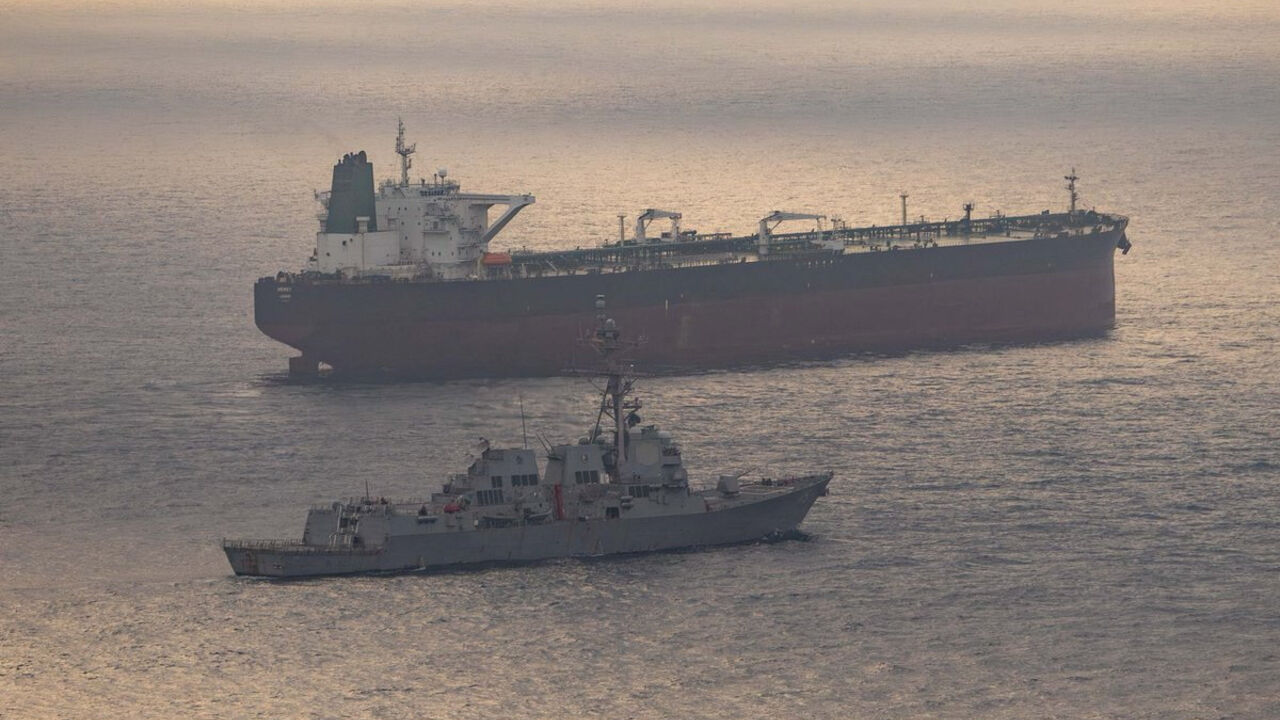
The United States has enforced restrictions on vessels entering or leaving Iranian ports, while Iran has sought to control traffic through the nearby strait during the conflict.
The Strait of Hormuz connects the Persian Gulf with the Gulf of Oman and provides a route for oil shipments from several major producing countries.
Attacks and threats against ships have made the passage more dangerous, with maritime authorities issuing advisories to crews and companies operating in the region.
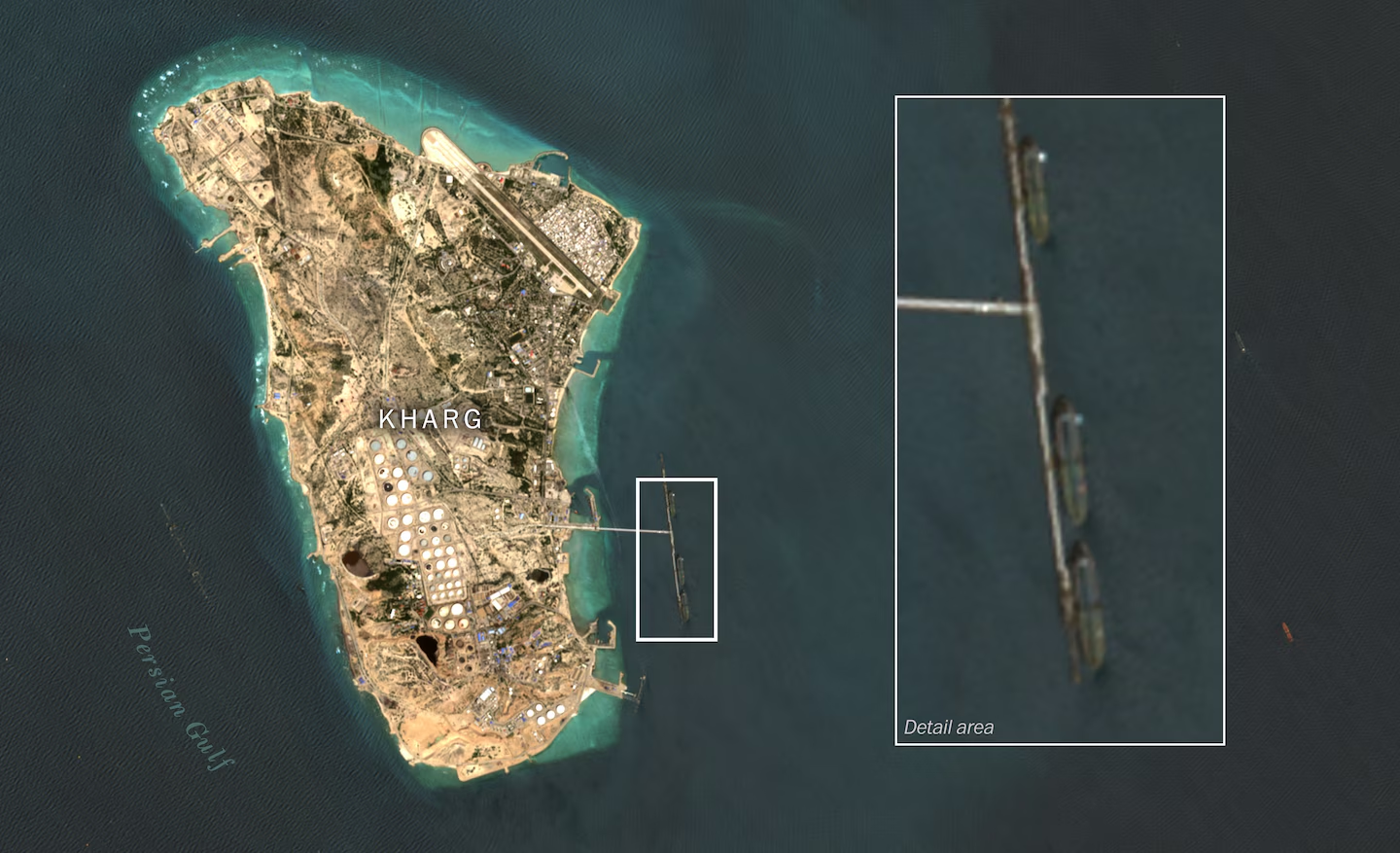
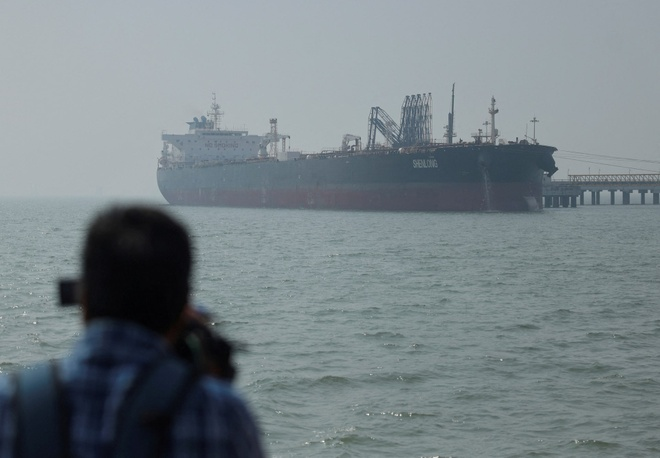
Iranian media have reported preparations for a convoy of more than 14 tankers near Kharg Island, a major Iranian oil export hub, to challenge the U.S. restrictions.
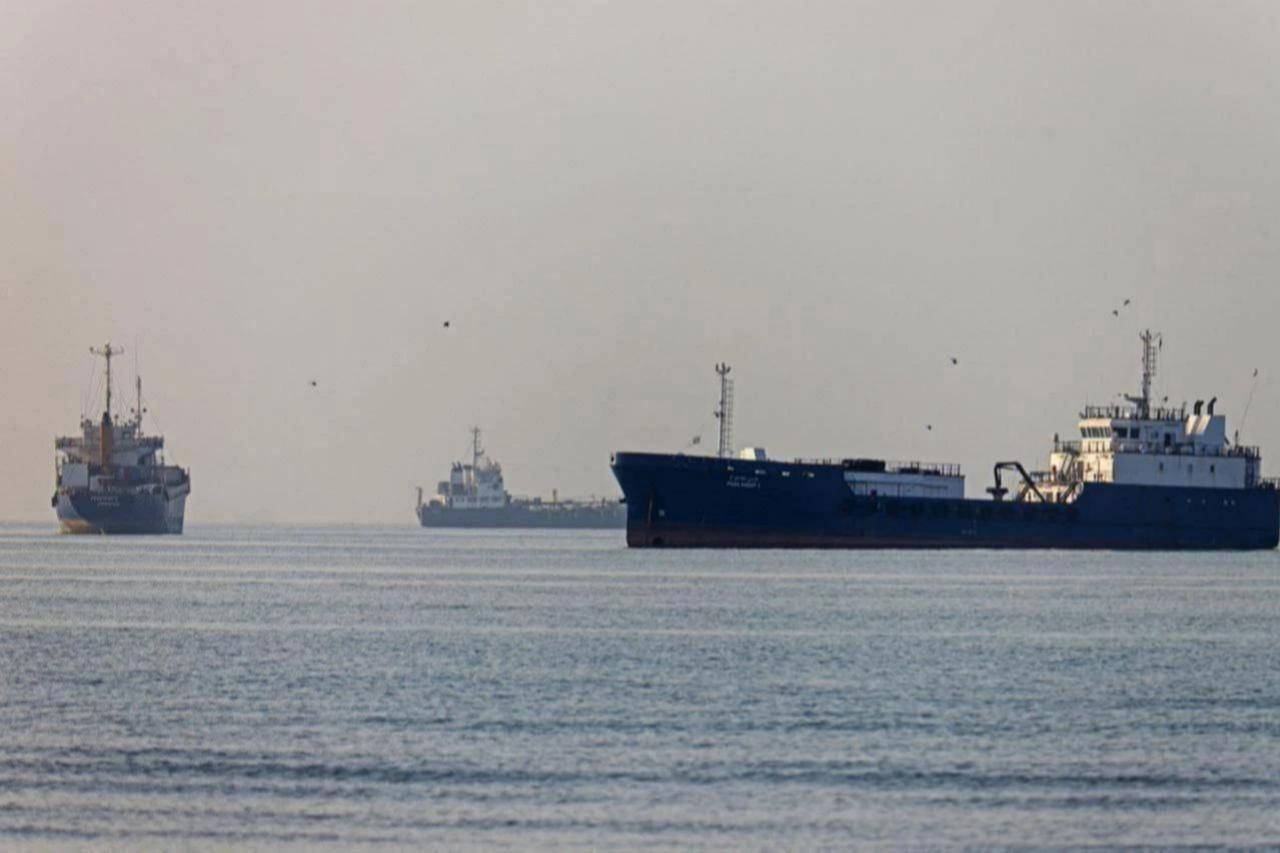
Those reports do not independently establish that the vessels have departed or that a convoy has reached the American blockade line, where enforcement measures would be tested.
Separately, maritime intelligence firm Windward counted 31 laden sanctioned tankers between the strait and the U.S. blockade line in a report covering the period through Nov 20.
Windward said it had not observed a group of Iran-linked tankers heading toward the strait at that time, while noting that gaps in satellite coverage limited its view of Kharg.
The 31 vessels were a separate tracking figure and should not be treated as confirmation of the reported convoy or as proof that it had crossed the blockade.
Bahrain said its defenses intercepted several Iranian aerial attacks without reported injuries, while authorities also reported a fire and material damage at a civilian industrial facility on Nov 21.
Iran’s Revolutionary Guard said it targeted U.S. military positions in Bahrain, an allegation distinct from Bahrain’s report about damage to the civilian facility.
The Guard’s navy also claimed on Nov 22 that 2 supertankers exploded after striking mines in waters near the Strait of Hormuz, without identifying the vessels.
The ships’ identities and the details of the reported mine incidents had not been independently confirmed, and separate reports about other tanker attacks could not automatically be matched to that claim.
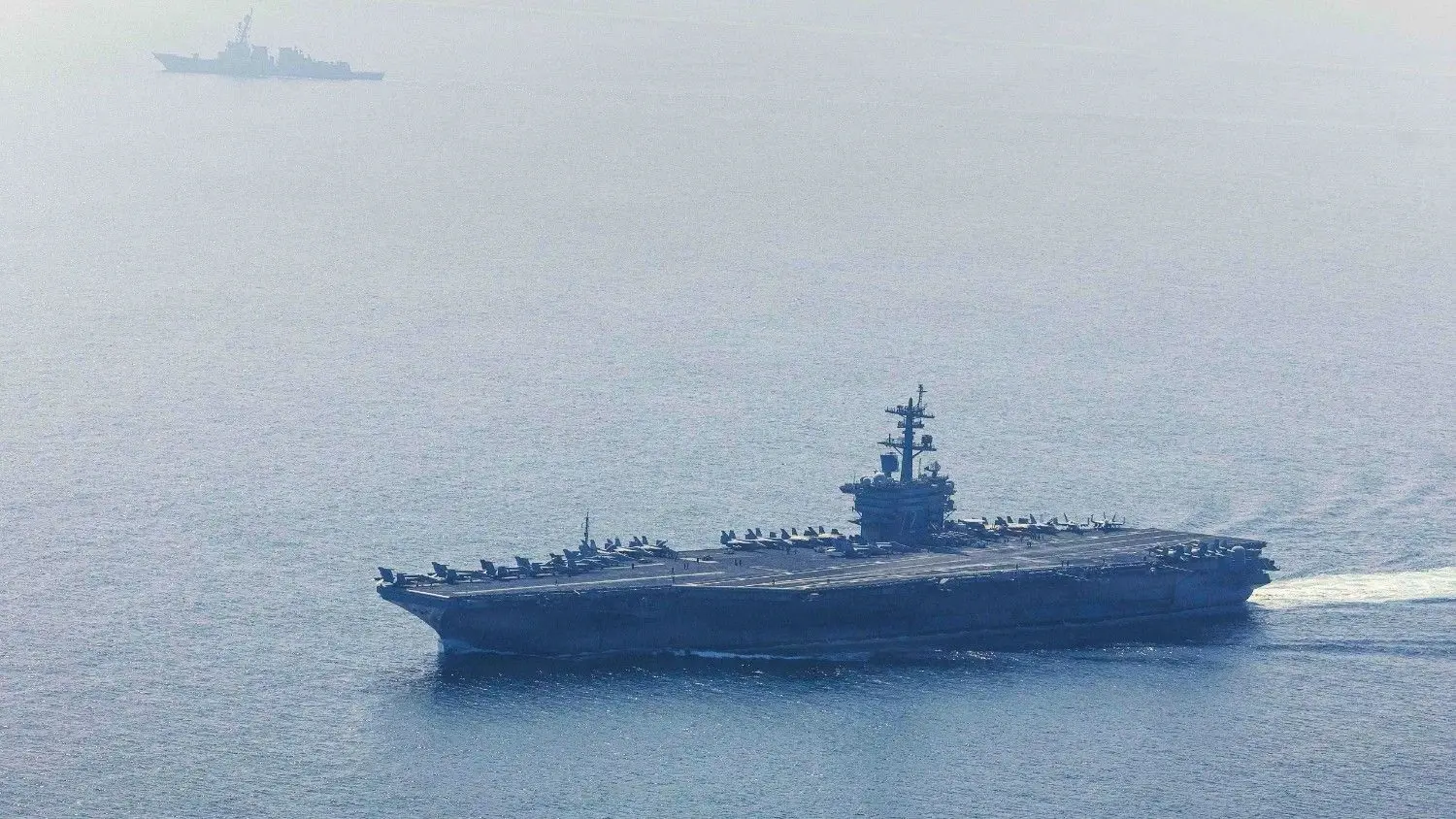
In an interview with Fox News correspondent Trey Yingst on Sunday, Trump said of vessels testing the blockade, “I hope they do, they’ll all be at the bottom of the sea like the rest of the navy.”
The president also said he was inclined to resume major strikes on Iran after the New Year if no agreement is reached, a statement of preference rather than a confirmed military order.
Trump criticized Iranian negotiators as “professional tap dancers,” saying talks had not produced a result, while a diplomatic agreement remained uncertain.
In a separate social media post, he claimed Iran had launched more drones and missiles during the previous week than at any time in over a year and that all were intercepted without damage.
That assessment remains Trump’s claim, while Bahrain’s reported civilian damage and the unresolved accounts of tanker incidents illustrate why the effects of regional attacks require separate verification.
Comments (0)
Loading comments...
May You Like

IRAN WARNS WASHINGTON — HOW SERIOUS IS THE THREAT TO U.S. MILITARY BASES?

AMERICA’S NEW-GENERATION AIRCRAFT CARRIERS — MILITARY MIGHT BUILT AT THE EXPENSE OF THE PEOPLE

FIVE-STAR LUXURY RESORT FOR SENIORS — UPSCALE RETIREMENT LIVING WITHOUT THE PRICE TAG?












