Trump Compares Canada to Iran in Explosive Trade Remarks: “I Hope Canada Appreciates Being in the Same Sentence”

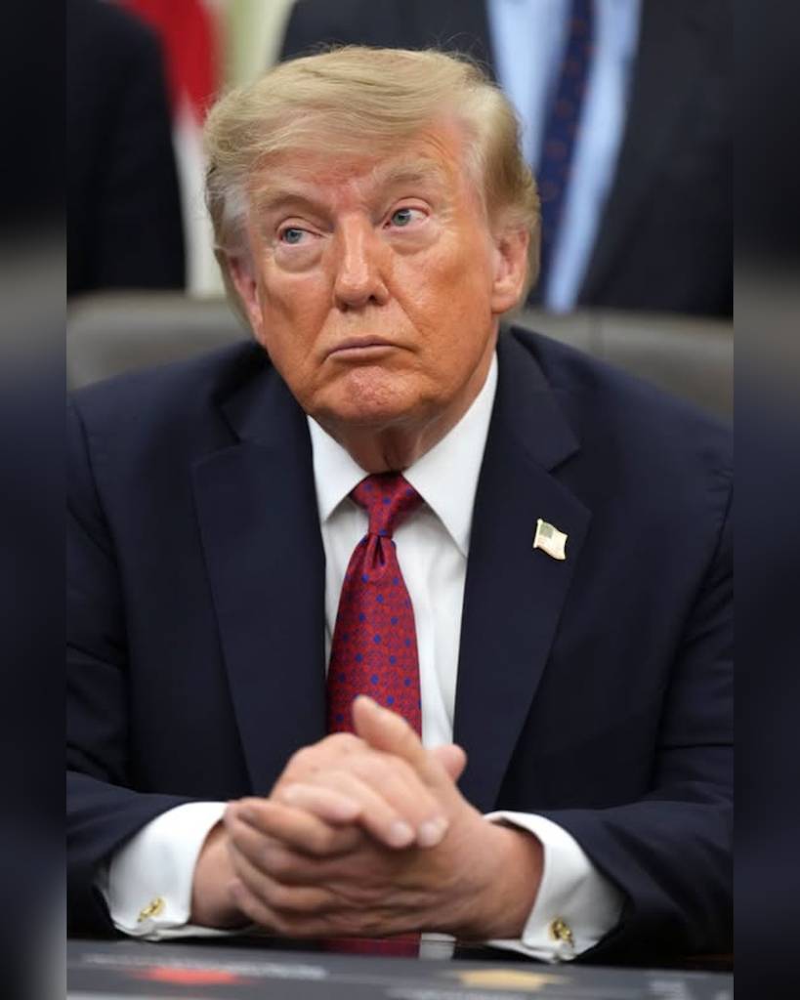
U.S. President Donald Trump has ignited fresh controversy in relations with Canada after publicly comparing Ottawa’s desire for a trade agreement with Washington to Iran’s efforts to reach a deal with the United States.
Speaking to reporters in Dublin, Ireland, on September 12, 2026, Trump said Canada wanted an agreement “very badly,” but questioned whether the Canadian government was ready to accept Washington’s terms. His remarks combined trade criticism with a pointed reference to Iran, adding another provocative chapter to an increasingly tense relationship between the neighboring countries.
“I hope Canada appreciates being in the same sentence with Iran,” Trump told reporters, emphasizing the comparison as he discussed negotiations with both countries.
The comments immediately drew attention because Canada is one of the United States’ closest allies, a major trading partner, and a key member of the North American economic partnership. Iran, by contrast, has spent decades in conflict with Washington over sanctions, security, and regional policy.
Although Trump was speaking in characteristically confrontational terms, the immediate subject was trade—not a claim that Canada and Iran share the same political system, international status, or security relationship with the United States.
The remarks came amid a prolonged dispute over tariffs, agricultural trade, and the future of the United States-Mexico-Canada Agreement, commonly known as USMCA.
Why Trump Brought Iran Into the Canada Trade Dispute

Trump made the comparison after a reporter asked whether he was considering withdrawing the United States from USMCA, the trade agreement linking the United States, Canada, and Mexico. Instead of offering a straightforward answer about the agreement’s future, he criticized Canada’s trade practices and argued that the United States held the stronger negotiating position.
He claimed that Canada had taken advantage of American businesses and farmers for decades. He also argued that the United States had little need for Canadian products compared with Canada’s dependence on the American market.
Those assertions reflected Trump’s longstanding approach to trade negotiations: portray the United States as having been treated unfairly and use the threat of tariffs or withdrawal from agreements to push trading partners toward concessions.
His reference to Iran added a diplomatic edge to the dispute. Trump suggested that both countries wanted agreements with Washington but were not yet prepared to accept the terms he considered necessary.
The comparison was rhetorical rather than evidence of any formal connection between the two negotiations. Canada’s discussions concern a trade relationship between neighboring economies, while U.S.-Iran negotiations involve a much broader set of issues, including military conflict, sanctions, and regional security.
Canada Refuses to Accept a Deal at Any Cost

Canadian Prime Minister Mark Carney has maintained that his government is willing to negotiate with Washington but will not sign an agreement that compromises Canada’s core economic interests.
Carney’s government has faced pressure from American tariffs affecting several sectors, while Canadian officials have sought to protect domestic industries and preserve access to the United States, Canada’s largest trading partner.
The two governments’ formal negotiations broke down in August 2026 after disagreements over the terms of a potential agreement. Although communication between officials continued, no immediate breakthrough followed Trump’s September remarks.
Carney subsequently stressed that any agreement must serve Canadians and respect the limits his government has established. His position suggests that Ottawa is prepared to tolerate an extended dispute rather than accept terms it considers unacceptable.
That approach places the two leaders on a collision course. Trump wants to demonstrate that American economic leverage can secure concessions, while Carney must show that Canada can defend its interests without unnecessarily damaging a relationship essential to its economy.
Tariffs Put Billions of Dollars in Trade at Risk

The dispute matters because the American and Canadian economies are deeply interconnected. Businesses on both sides of the border depend on cross-border supply chains, investment, transportation networks, and access to customers in neighboring markets.
Automotive manufacturing is one example. Vehicles and components can cross the border multiple times during production, meaning that tariffs may raise costs for manufacturers even when the companies involved are based in the United States.
Agriculture is another sensitive area. Trump has repeatedly criticized Canadian tariffs on certain American agricultural products, arguing that they disadvantage U.S. farmers. Canadian officials, meanwhile, have defended their negotiating position and resisted demands they believe would undermine their own economic priorities.

Tariffs can create uncertainty for companies deciding where to invest, how much to produce, and whether to hire additional workers. When businesses cannot predict the future cost of cross-border commerce, they may delay investment or pass some additional expenses on to consumers.
For households, the effects can emerge through higher prices, fewer product choices, or changes in employment. The precise impact depends on which goods are affected, whether exemptions apply, and how businesses adjust their supply chains.
The longer the dispute continues, the greater the risk that companies will begin reorganizing their operations to reduce dependence on the other market. Such changes can be expensive and difficult to reverse, even if the two governments eventually reach an agreement.
Ottawa Looks Beyond Its Southern Neighbor
The tensions have strengthened calls in Canada to diversify trade and reduce the country’s dependence on the American market. Canadian businesses and policymakers have increasingly considered opportunities in Europe, Asia, and other regions.
Diversification, however, cannot happen overnight. The United States and Canada share a long border, extensive infrastructure, and decades of closely integrated production. Replacing that commercial relationship would require substantial investment and years of sustained effort.
Carney has nevertheless argued that Canada must be prepared for a future in which access to the American market is less predictable. His government’s strategy involves protecting Canadian interests while pursuing new opportunities rather than assuming that every disagreement with Washington will end quickly.
Trump’s confrontational rhetoric may therefore have consequences beyond the immediate negotiations. Even if the two sides eventually reach a deal, Canadian businesses could continue to seek ways to reduce their exposure to sudden changes in U.S. trade policy.
What Happened After Trump’s September Remarks?

The dispute remained unresolved in the weeks following Trump’s comments. On October 23, the American president said Canada was working hard to secure a deal and asserted that Washington held the stronger hand in negotiations.
Carney offered a different interpretation. On October 26, he said that any progress reflected the United States moving closer to Canada’s position. He reiterated that Ottawa was willing to sign an agreement serving Canadian interests but would judge any proposed arrangement as a whole.
The contrasting statements demonstrate that both governments are trying to shape public perceptions of the negotiations. Trump wants to project strength and show that tariffs are producing results. Carney wants to demonstrate that Canada is negotiating from its own position rather than simply accepting American demands.
Neither public statement, by itself, establishes that a final agreement is imminent. The outcome will depend on the substance of the proposals, the remaining disagreements, and whether both governments can find terms acceptable to their domestic constituencies.
A Test for Two Longstanding Allies
Comments (0)
Loading comments...
May You Like

"FAKE POLLS"! ★ TRUMP REVEALS HIS REAL NUMBERS...
TRUMP'S TARIFF CHAOS! ★ EXEMPTS CANADA — BUT ADDS NEW TAXES...
Latest Posts






Popular Posts