Trump Considered Diesel Export Ban as Fuel Prices Soared — But Then Backed Away
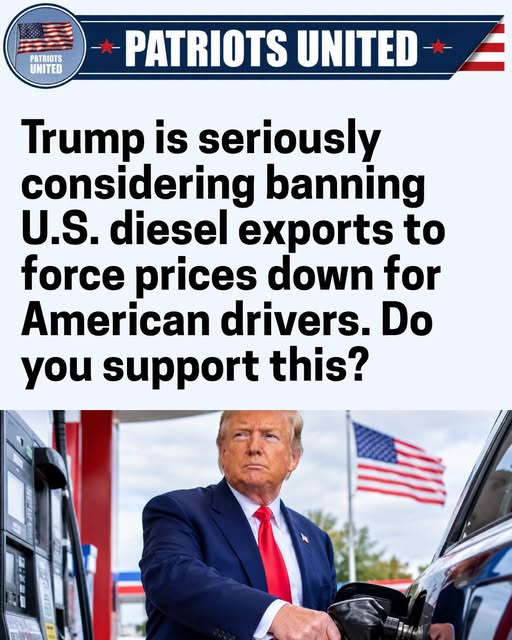
President Donald Trump considered restricting U.S. diesel exports in late September as record fuel prices increased pressure on his administration, but he subsequently said the proposed ban would not proceed.
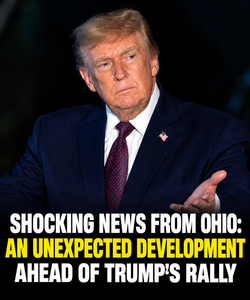
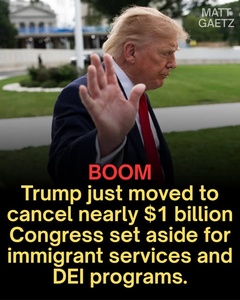
The development behind the image is therefore already outdated. Trump said on October 2 that the United States would not impose a diesel export ban, following a major G7 emergency-reserve agreement.
On September 30, Trump said his administration was discussing an export ban every day, acknowledging that restricting shipments could lower diesel prices but potentially push gasoline prices higher.
The debate emerged as U.S. diesel prices reached record levels. Reuters reported diesel at about $6.53 per gallon, with supply disruptions linked to conflicts and constrained global inventories.


Diesel is particularly important for American farmers, trucking companies, manufacturers, construction businesses, and other industries that rely heavily on heavy-duty transportation and machinery.
The administration therefore faced competing concerns: keeping enough diesel available for American consumers while preventing restrictions from creating shortages or higher prices for gasoline and other petroleum products.
Energy Secretary Chris Wright had previously indicated that a straightforward export ban could create unintended consequences, including higher prices for gasoline and jet fuel.
Instead, administration officials explored several alternatives, including voluntary export restrictions, increased domestic refinery production, regulatory changes, and broader sales of tax-exempt red-dyed diesel.


The White House also urged European countries to release emergency diesel inventories, seeking additional supplies for a market affected by disruptions in the Middle East, Russia, China, and other producing regions.
Russia extended its diesel export restrictions through October, while disruptions involving Middle Eastern supplies and Chinese fuel exports added further pressure to international markets.
Those developments help explain why Washington was looking beyond domestic measures. Restricting American exports could increase domestic availability, but it could simultaneously tighten supplies elsewhere and provoke higher international prices.
The policy debate became especially sensitive because the November 3 midterm elections are approaching, making gasoline and diesel prices an important economic issue for voters and political candidates.


On October 2, however, the G7 announced a coordinated release of 100 million barrels from emergency reserves over four months, including a substantial front-loaded diesel release during the first 20 days.
The G7 statement also reaffirmed that members would refrain from imposing energy-export restrictions on one another and called on other producers to avoid measures that could worsen market tensions.
Trump subsequently said the United States would not impose the diesel export ban, effectively removing the measure from immediate consideration after weeks of public discussion.
The international reserve release offers another mechanism for increasing available fuel without restricting American companies from selling diesel abroad, although its eventual effect on U.S. retail prices remains uncertain.


Markets have nevertheless remained volatile. Reuters reported that oil prices fell modestly on October 5 as Middle Eastern exports increased and the G7 reserve-release plan helped offset continuing geopolitical supply concerns.
The episode illustrates the difficulty of using export restrictions to control domestic fuel prices: a policy that increases American supply could simultaneously reduce international availability and create new costs for trading partners.
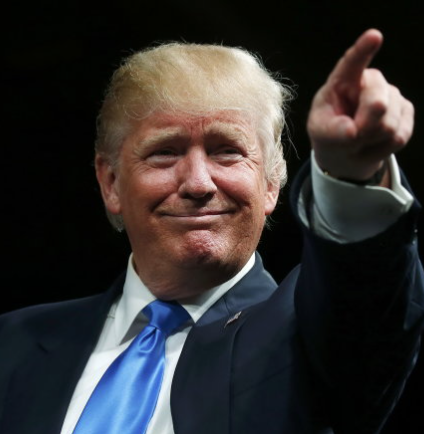
Fact-check: The image accurately reflects a proposal Trump seriously considered in late September, but it should not be presented as current policy. As of October 5, Trump has said there will be no U.S. diesel export ban.
Sources & References
- Reuters — Trump says he will not impose diesel export ban
- Reuters — Trump says he is still considering diesel export ban
- Reuters — G7 agrees to release 100 million barrels of diesel and crude
- G7 Leaders’ Statement on Global Energy Security
- Associated Press — G7 emergency fuel release
- Reuters — Russia extends diesel export restrictions
Comments (0)
Loading comments...
May You Like

South Korea–Ukraine Rift Deepens Over North Korean POW Transfer as PURL Draws New Scrutiny
South Korea–Ukraine Rift Deepens Over North Korean POW Transfer as PURL Draws New Scrutiny