
TRUMP DEFENDS IRAN STRIKES AGAIN AS GOP ERUPTS OVER ELECTION LOSSES
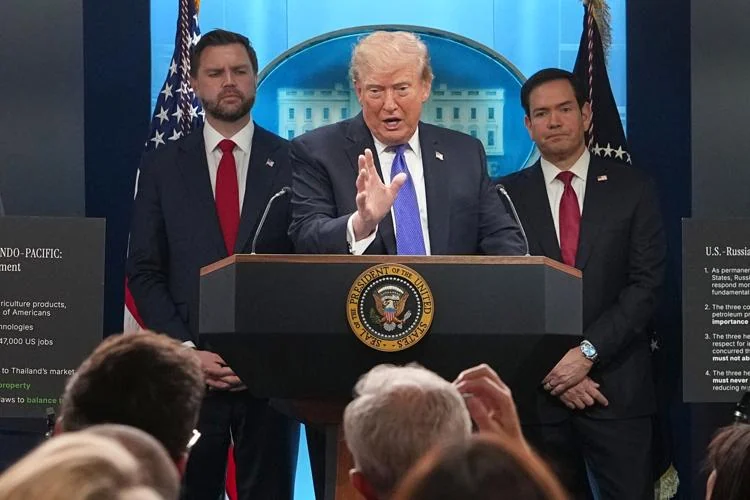
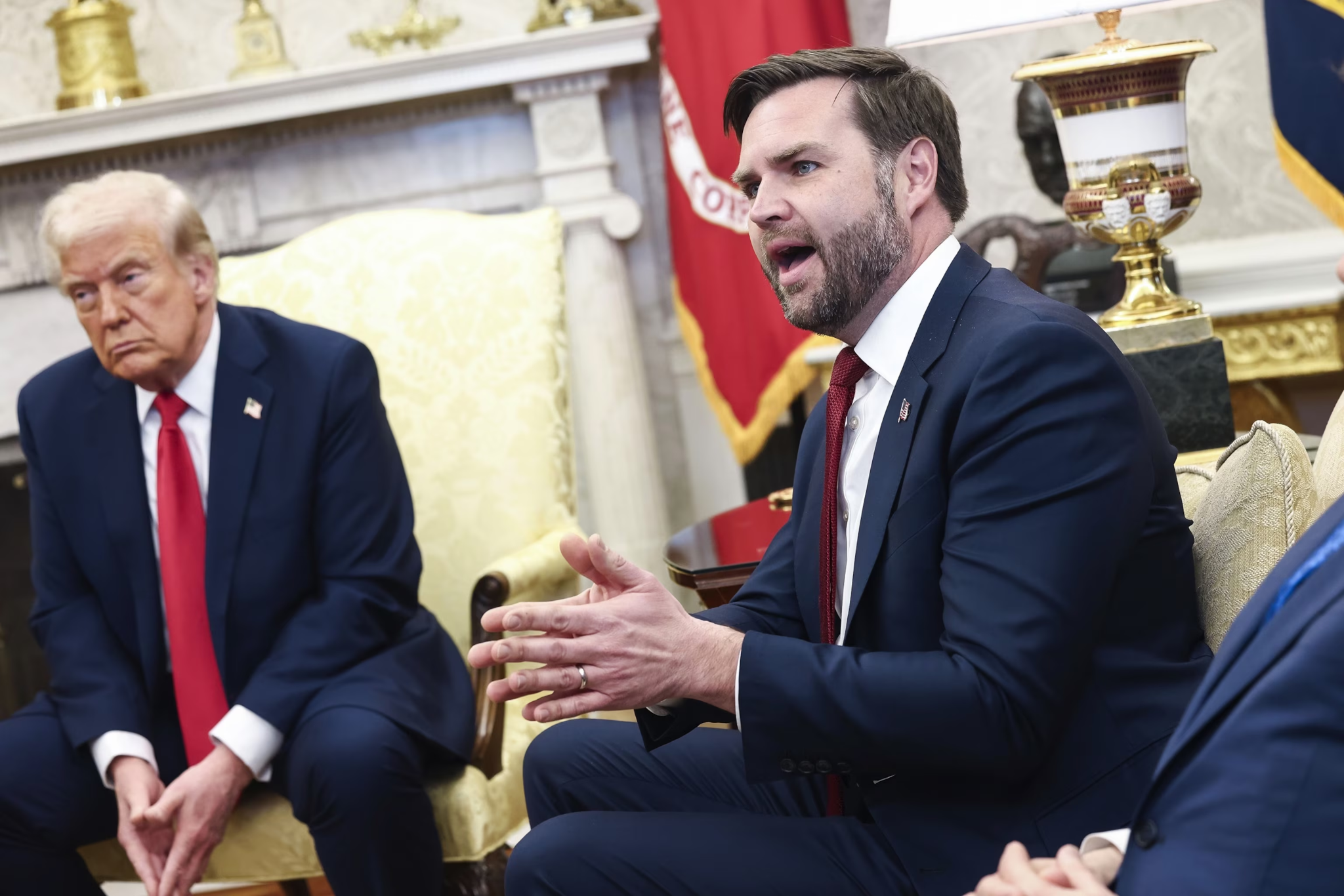
WASHINGTON — NOV 21, 2026 — President Donald Trump and Vice President JD Vance are navigating a Republican Party debate over the costs of the Iran conflict after voters reshaped the balance of power in Congress.
The discussion has exposed competing views among conservatives about national security, household expenses and the political choices facing a party preparing for two years without congressional majorities.
With the administration weighing its next steps abroad, the arguments at home are increasingly focused on how Republican leaders should explain the election results and respond to their supporters.
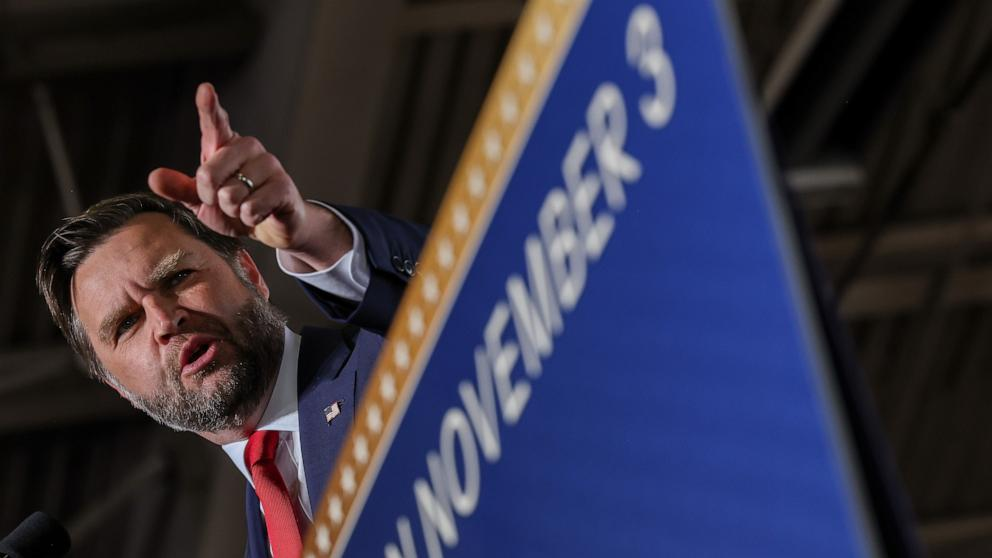
Democrats won control of both the House and Senate in the November 3 midterms, giving them the ability to lead committees and set the congressional agenda in January.
The United States and Israel began their joint military campaign against Iran in February, and the conflict has continued through periods of fighting and efforts to negotiate an agreement.
Energy prices and the cost of living became prominent issues during the campaign, while Republican candidates also faced questions about the administration’s wider record and the duration of the conflict.
Americans who supported the same party in one election can shift their votes for different reasons, making any single explanation for a national result difficult to prove conclusively.
A national voter poll found 34% of House voters called the Iran war crucial to their choice, compared with 49% who said the same about the cost of living.
That comparison does not measure how each issue changed votes, and the war’s effect on energy prices can overlap with voters’ broader concerns about household expenses.
Within the Republican coalition, former Vice President Mike Pence has challenged Vance’s reading of the election, while other conservatives have criticized the vice president’s position on the conflict.
Such disagreements carry consequences beyond the immediate result because lawmakers must decide how to respond to the White House and how to rebuild support before the next election.
Trump has defended the original decision to attack Iran as necessary to prevent it from obtaining a nuclear weapon, while Iran maintains that its nuclear program is peaceful.
Recent exchanges of fire have included a limited American strike on Iran’s Qeshm Island, and the administration has also considered options for a broader campaign with Israel.
Trump has said he wants an agreement with Tehran while maintaining military options, and he has not publicly announced a decision to launch the wider campaign under discussion.
In a possible party review, campaign advisers could compare their competing explanations and test whether voters responded most strongly to the war, prices or the president’s overall performance.
Vance argued after the election that opposition to the Iran war was the main reason Republicans lost, and he questioned whether losing the Senate was worth that cost.
At a November 20 news conference, Trump called Vance’s assessment accurate but added that he would make the original decision to strike again because of Iran’s nuclear program.
Asked whether the war was worth losing the Senate, Vance deferred to Trump’s authority and said his job was to support the president without directly answering the question.
The available evidence identifies no single person whom Republicans have collectively made a scapegoat, although Vance has faced criticism from some voices and Trump made the original military decision.
The dispute is over responsibility for the war and the election result, with competing explanations still being tested as Trump considers diplomacy and further military action.
Comments (0)
Loading comments...
May You Like


TRUMP'S NVIDIA STOCK DEALINGS — IS THERE ANY TRUTH TO THE $14 MILLION PROFIT CLAIM?

TRUMP CALLED FOR KIMMEL’S FIRING—THE FCC ACTED THE VERY NEXT DAY













