Trump Defends Putin After Germany Blames Russia for Leipzig Airport Drone Attack
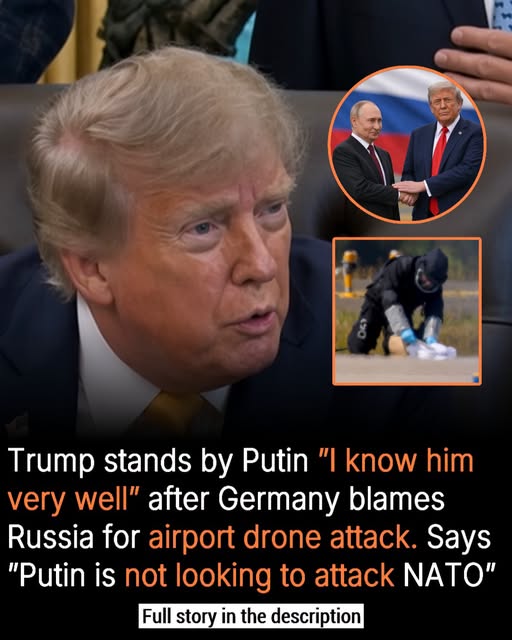
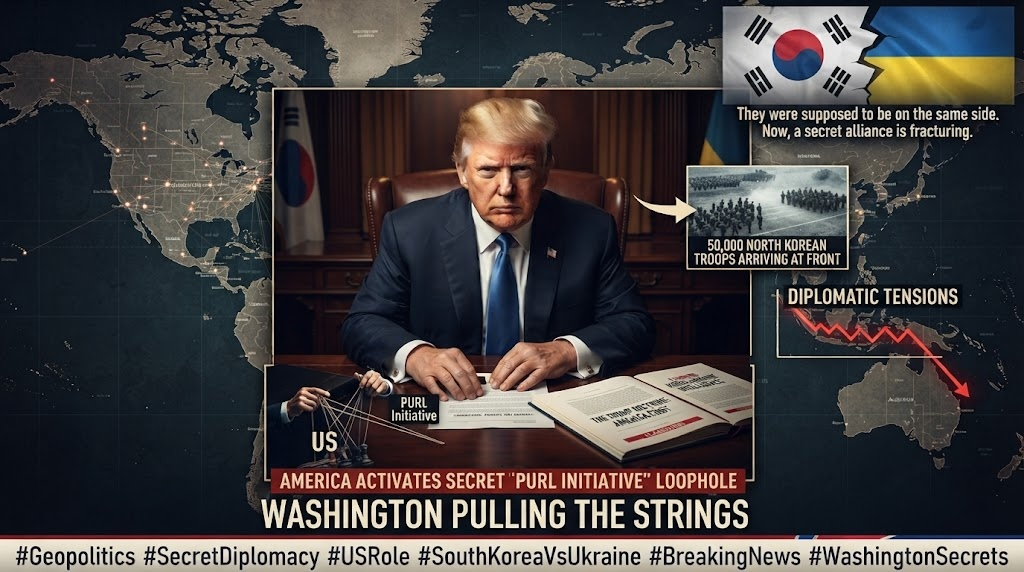
A viral graphic circulating online highlights a striking contrast: Germany has formally blamed Russia for a failed drone attack at Leipzig/Halle Airport, while President Donald Trump says Vladimir Putin is “not looking to attack NATO territory.”
The underlying events are real, and Trump's remarks were made publicly. But the graphic's wording — “Trump stands by Putin” — is an interpretation rather than a direct quotation.
The controversy centers on an attempted attack at a major German airport in August and Trump's response on September 4, 2026.
Germany Says Russia Was Responsible
On September 1, the German government formally attributed the August 4 attempted attack at Leipzig/Halle Airport to Russia.
German Interior Minister Alexander Dobrindt and Foreign Minister Johann Wadephul said that police investigations, the pattern of the operation and intelligence findings led the government to conclude that Russia was responsible.
Germany described the incident as a hybrid attack.
The German government says the evidence pointed to Russian responsibility after an explosives-laden drone was found at the airport near a Ukrainian cargo aircraft. The drone failed to detonate and was defused by authorities.
The airport is particularly sensitive because it is an important freight hub and has been used in support of Ukraine.
The Drone Was Not Simply a Routine Airport Incident
The incident began in early August, when authorities discovered a drone carrying explosives and a detonator at Leipzig/Halle Airport.
Investigators subsequently found additional evidence, including another drone and approximately 50 grams of what was believed to be the military explosive hexogen, according to Reuters reporting at the time.
German officials initially described the incident cautiously while investigations continued.
By September 1, however, Berlin had moved to an explicit attribution:
Russia was responsible.
Germany subsequently announced measures against Moscow and said it would coordinate with European partners.
Then Trump Said Putin Is “Not Looking to Attack NATO”
Just days after Germany publicly attributed the attack to Russia, Trump was asked about the possibility of Russia attacking NATO territory.
His answer was unequivocal:
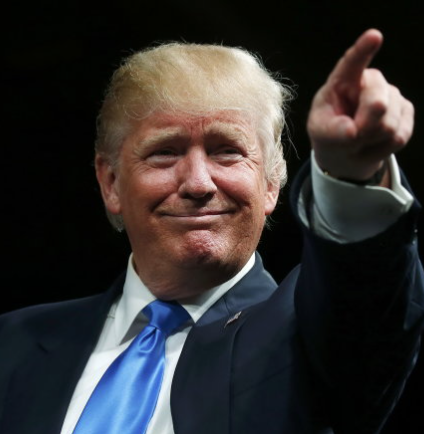
“I speak to him. I know him very well. Putin’s not looking to attack NATO territory.”
Trump said he had spoken with Putin and did not believe the Russian president intended to attack NATO territory.
The comments were made at the White House on September 4.
They immediately attracted attention because Germany is a NATO member, and Berlin had just formally attributed the Leipzig incident to Russia.
Trump Did Not Say Russia Was Innocent
There is an important distinction here.
Trump did not explicitly say that Russia was not responsible for the Leipzig drone incident.
Instead, he was asked whether Putin was planning to attack NATO territory and answered that he did not believe Putin was seeking such an attack.
The viral graphic therefore takes Trump's statement and frames it politically as:
“Trump stands by Putin.”
That's an interpretation.
A more precise description would be:
Trump expressed confidence that Putin does not intend to attack NATO territory despite Germany's attribution of a failed drone attack in Germany to Russia.
Why the Timing Matters
The timing is what makes Trump's statement especially controversial.
Germany's attribution was not made immediately after the incident.
Berlin says investigators spent weeks examining:
- police evidence;
- the attack pattern;
- intelligence information;
- and the circumstances surrounding the drones.
The German government said these elements, taken together, supported its conclusion that Russia was responsible.
German officials have emphasized that the decision was made only after they believed the evidence was sufficiently strong.
The German government also stressed that it was responding “determinedly, calmly and proportionately” and coordinating with NATO and EU partners.
Russia Rejects the Accusation
Moscow has denied responsibility for the incident.
That creates an important qualification in reporting on the story:
Germany has attributed the attack to Russia, but Russia denies involvement.
The German government's conclusion is therefore an official attribution based on its investigation and intelligence assessment, rather than a confession by the Russian government.
German officials themselves acknowledge the unusual nature of hybrid operations: the perpetrator is deliberately concealed, making attribution more difficult than in a conventional military attack.
Why NATO Is Central to the Story
The question of whether Russia might attack NATO territory is much larger than the Leipzig incident.
NATO's core principle is collective defense: an armed attack against one member can trigger the alliance's collective-defense commitments.
Germany is one of NATO's major members.
So when a suspected Russian operation occurs on German territory, the question naturally becomes:
Does this represent an attack on NATO?
Germany has characterized the Leipzig incident as a Russian hybrid attack, while Trump has rejected the idea that Putin is seeking to attack NATO territory.
The difference is significant.
Germany is warning about a broader Russian threat involving sabotage, espionage and covert operations.
Trump is distinguishing those activities from an intentional Russian military attack on NATO territory.
Europe Is Increasingly Worried About Russian Hybrid Operations
The Leipzig incident did not occur in isolation.
German authorities have recently investigated a series of suspected sabotage incidents involving infrastructure, including power facilities. Reuters reported that these incidents have increased concerns about potential foreign involvement and hybrid warfare.
Germany's government says the country has been facing a growing range of threats, including:
- drone incidents;
- cyberattacks;
- sabotage;
- espionage;
- disinformation;
- and other covert operations.
The German government says the Leipzig incident represents a particularly serious development because an explosives-equipped drone was apparently used in an operation that could have caused significant damage.
The EU Is Also Treating the Incident Seriously
EU foreign-policy chief Kaja Kallas said the Leipzig incident showed characteristics of state-sponsored terrorism and supported Germany's attribution of responsibility to Russia.
EU governments have subsequently discussed additional sanctions against Russian individuals.
Germany's Foreign Minister Johann Wadephul said the EU intended to continue applying pressure on Moscow while maintaining support for Ukraine.
That puts Trump's comments somewhat at odds with the increasingly confrontational European assessment.
Trump Is Pursuing a Different Strategy Toward Putin
Trump's statement also comes against the backdrop of his continued effort to negotiate an end to the Russia-Ukraine war.
On September 4, Trump said that his envoys Steve Witkoff and Jared Kushner were traveling to Moscow and Ukraine with a proposal aimed at ending the war. He said there was a possibility of making progress.
That helps explain why Trump continues to emphasize his personal relationship with Putin.
Rather than publicly treating Putin as an enemy who is preparing for a direct confrontation with NATO, Trump is presenting him as someone with whom Washington can negotiate.
Whether that approach will succeed is another question.
The Central Disagreement: What Counts as an Attack on NATO?
This is perhaps the most important issue hidden behind the viral graphic.
There is a difference between:
A. Russia deliberately conducting covert sabotage inside a NATO country
and
B. Russia launching a conventional military attack against NATO territory.
Germany's allegation concerns the first.
Trump's statement addresses the second.
That distinction means the two positions are not necessarily logically contradictory, although they clearly reflect very different assessments of the Russian threat.
Germany is saying:
Russia is already conducting hostile operations on German territory.
Trump is saying:
Putin is not seeking a direct attack on NATO territory.
Both statements can theoretically be true at the same time.
The political dispute is over how those covert operations should be interpreted and how serious the risk of escalation is.
What the Viral Graphic Gets Right — and What It Leaves Out
✓ What it gets right
Germany has officially blamed Russia for the Leipzig/Halle airport incident.
The German government announced the attribution on September 1 after reviewing investigative and intelligence evidence.
Trump did say he knows Putin “very well” and that Putin is “not looking to attack NATO territory.”
The comments came immediately amid the controversy surrounding Germany's accusation against Russia.
That timing is real.
✗ What the graphic oversimplifies
“Trump stands by Putin” is an interpretation
Trump did not say:
“I stand by Putin.”
He said he did not believe Putin intended to attack NATO territory.
Germany's accusation concerns a hybrid operation
The Leipzig incident involved a suspected covert drone attack, not a conventional Russian military assault on Germany.
Russia denies responsibility
Germany's conclusion is an official attribution based on its investigation and intelligence assessment; Moscow rejects the accusation.
The incident did not result in a successful explosion
The explosives-equipped drone was discovered and neutralized rather than successfully detonating at the airport.
The Bigger Question
The real disagreement isn't simply whether Trump “stands by Putin.”
It is about how the United States should respond when European allies accuse Russia of covert attacks on NATO territory.
Germany and several European governments increasingly view Russian sabotage and hybrid operations as part of a broader campaign against European security.
Trump, meanwhile, continues to emphasize his ability to communicate with Putin and his belief that Russia does not intend to launch a direct attack against NATO.
That difference in assessment could become increasingly important as Europe strengthens its defenses and Washington continues trying to negotiate an end to the Ukraine war.
The Bottom Line
The viral graphic is based on a real and highly consequential sequence of events, but its headline is more opinionated than factual.
Germany has formally concluded that Russia was responsible for the attempted drone attack at Leipzig/Halle Airport on August 4, 2026, citing police investigations, attack patterns and intelligence findings.
Trump subsequently said:
“I speak to him. I know him very well. Putin’s not looking to attack NATO territory.”
That is a remarkably confident assessment given Germany's accusation and the broader European concern about Russian hybrid operations.
But calling that “standing by Putin” is the graphic's political characterization, not Trump's own wording.
The deeper question is whether covert attacks and sabotage attributed to Russia should be treated as part of an escalating confrontation with NATO — even if Moscow has not launched a conventional military attack against an alliance member.
That is the debate now unfolding between Washington and its European allies.
Comments (0)
Loading comments...
May You Like
TRUMP’S OHIO WARNING UNDER THE SPOTLIGHT

FIGHT OVER OBAMA’S IRAN POLICY