Trump Ends Biden-Era EV Mandates With New Fuel Economy Standards — What the 50 to 34.5 MPG Rollback Actually Means
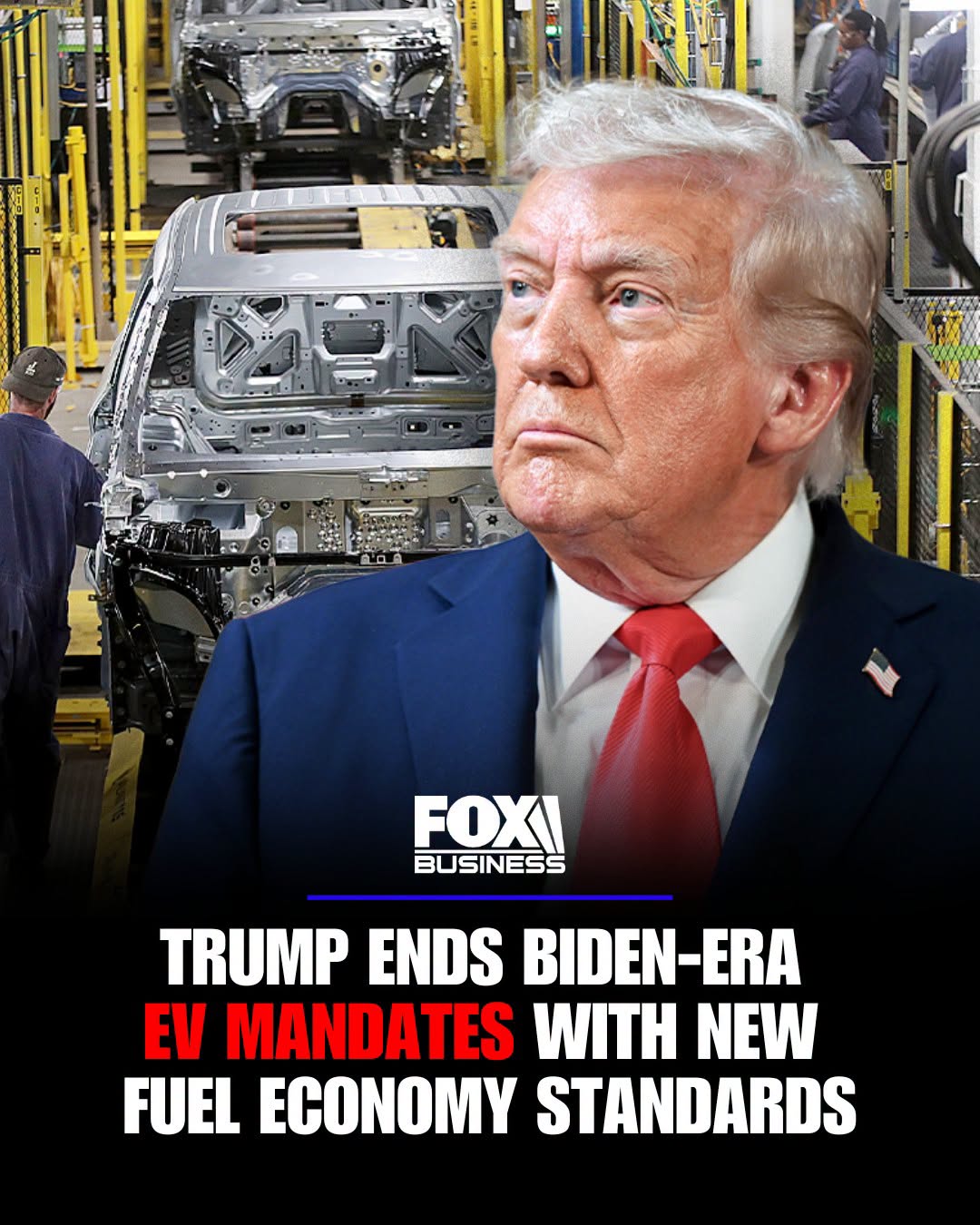
President Donald Trump has approved sweeping new fuel economy standards that slash the corporate average fuel economy requirement for 2031 model year vehicles from roughly 50 miles per gallon to 34.5 mpg, effectively ending what the administration calls a “de facto EV mandate.” The move is a major win for traditional automakers and a significant setback for the electric vehicle transition in the United States.
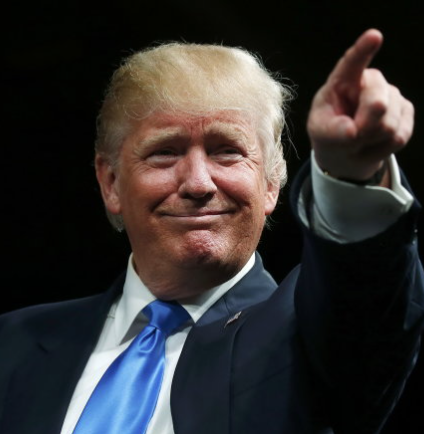
WASHINGTON – President Donald Trump announced on September 26, 2026, that he has approved new fuel economy standards for cars and trucks, reversing the stricter rules put in place under former President Joe Biden that were designed to accelerate the adoption of electric vehicles.
In a post on Truth Social, Trump said the new standards would “eliminate the waste in American car manufacturing,” resulting in “LOWER PRICES” that will save families thousands of dollars on a new vehicle.
The core of the change is a dramatic reduction in the Corporate Average Fuel Economy (CAFE) standard. The Biden administration had set a target of approximately 50.4 miles per gallon for the 2031 model year fleet. The Trump administration’s new rule sets that target at 34.5 mpg — a reduction of nearly 16 miles per gallon.
What the New Standards Actually Do
CAFE standards do not ban gasoline cars or require consumers to buy EVs. Instead, they set a minimum average fuel efficiency across a manufacturer’s entire fleet of new passenger cars and light trucks sold in the United States. The higher the standard, the more pressure automakers face to sell hybrids and electric vehicles to offset the fuel consumption of their gasoline-powered models.
The Biden-era rules were designed to push that average upward year by year, reaching roughly 50 mpg by 2031. Meeting that target with internal combustion engines alone was widely considered impossible, creating what critics called a “de facto EV mandate”.
Under the new Trump standards, that pressure is substantially relieved. The lower 34.5 mpg target can be met with improvements to gasoline engines and a greater mix of conventional hybrids — vehicles that do not plug in — rather than requiring a rapid shift to fully electric models.
The National Highway Traffic Safety Administration (NHTSA) proposed the rollback in December 2025, and the final approval on September 26, 2026, makes it official policy.
Why This Is a Big Deal for Automakers
The auto industry has largely welcomed the rollback.
The Alliance for Automotive Innovation, which represents General Motors, Ford, Toyota, Volkswagen, Hyundai, and others, backed the reduction in stringency. In a statement, the group said that “given the slowing growth of EV sales in the U.S. and reduced government policy support, the previously issued CAFE standards are simply unachievable”.
Automaker confidence rebounded in the fourth quarter of 2025 after the rollback was proposed. In a survey by Automotive News, one executive said the relaxation of “government regulations on mpg and electrification allows automakers to make better business decisions.” Another noted that conventional hybrids “will rule and it’s what we do best”.
The shift allows manufacturers to increase production of high-margin pickup trucks and SUVs, which consume more fuel but generate more profit. It also reduces the financial penalties and compliance costs associated with meeting aggressive efficiency targets.
Trump claimed that General Motors, Ford, and Stellantis have all expressed a desire to expand production in the U.S., and that more than $100 billion has been invested in the American auto industry under his administration.
The Environmental and Consumer Trade-Offs
Supporters frame the rollback as a consumer victory. NHTSA’s proposal estimated that the looser standards could reduce the upfront cost of a new vehicle by roughly $930 and save manufacturers tens of billions of dollars in compliance costs.
But the long-term costs are significant.
NHTSA itself estimates that the reduced fuel economy requirements will cause Americans to consume an additional 100 billion gallons of fuel through 2050, increasing fuel costs by approximately $185 billion and raising CO2 emissions by about 5 percent.
Environmental organizations warn that the lower standards will increase gasoline consumption and tailpipe emissions, undermining efforts to address climate change. The rollback also comes as California and other states fight in court to preserve their own stricter emissions rules.
A Blow to the EV Transition
The new standards are part of a broader policy shift that has already reshaped the U.S. electric vehicle market.
Under the Trump administration, the federal $7,500 EV tax credit was eliminated ahead of schedule. California’s authority to set its own stricter emissions standards was revoked. And the NEVI program, which funded public charging infrastructure, was frozen and rewritten.
The impact on EV forecasts has been dramatic.
BloombergNEF now projects that electric vehicles will account for just 17% of U.S. passenger vehicle sales in 2030 — down from an estimated 48% projected in 2024. The firm cited the “full withdrawal of federal regulatory support for electrification” as the biggest factor.
Automakers have responded by canceling or delaying at least 27 existing and future EV models in the past year, including the Volkswagen ID.4, Nissan Ariya, Hyundai Ioniq 6, and Ford F-150 Lightning. Stellantis pulled all of its plug-in hybrids. Honda canceled its anticipated 0 Series EVs. The industry has incurred roughly $64 billion in EV-related losses.
Harvard’s Salata Institute found that removing the EV tax credit alone lowered the projected 2030 EV market share by 6.2 percentage points. Even so, the researchers expect EV sales to grow to about 32% by 2030, because market forces and consumer preferences are moving in that direction regardless of policy.
What Comes Next
The new CAFE standards will apply beginning with the 2031 model year, giving automakers several years to adjust their product plans.
But the policy is likely to face legal challenges. California and other states have already sued over the revocation of California’s emissions waiver, and environmental groups are expected to challenge the CAFE rollback in court.
For now, the Trump administration has delivered on a central promise: ending what it calls the “ridiculous electric car mandate” and giving automakers more flexibility to build the vehicles Americans actually buy.
The Bottom Line:
| What Changed | What It Means |
|---|---|
| CAFE target cut from ~50.4 mpg to 34.5 mpg by 2031 | Automakers face far less pressure to sell EVs |
| Biden-era “de facto EV mandate” eliminated | Gasoline and hybrid vehicles remain viable long-term |
| Automakers gain flexibility | More trucks and SUVs, higher profits |
| EV adoption forecast drops to 17% by 2030 | Down from 48% projected in 2024 |
| Long-term fuel costs rise by ~$185 billion | Additional 100 billion gallons consumed through 2050 |
The Trump administration frames the rollback as a win for consumers and American manufacturing. Critics see it as a costly detour on the road to electrification. Either way, the U.S. auto industry is now on a different trajectory than it was under Biden — and the full consequences won’t be known for years.
Comments (0)
Loading comments...
May You Like
TRUMP HIT WITH 26 ARTICLES OF IMPEACHMENT
TRUMP’S OHIO WARNING UNDER THE SPOTLIGHT

Russian Drone Strikes Kyiv Bridge as German Chancellor Arrives in Ukraine