Trump Envoys Push Russia and Ukraine Back Toward Peace Talks
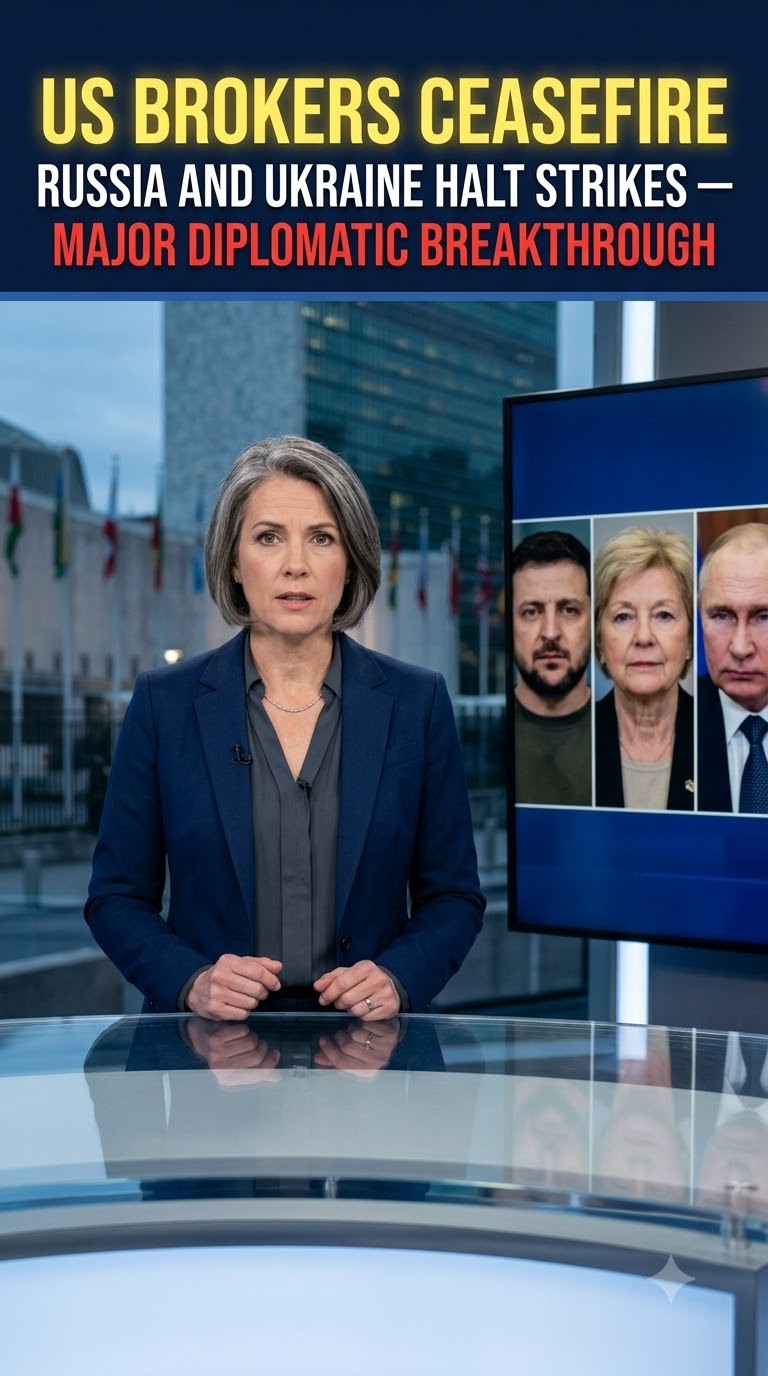
WASHINGTON — The Trump administration is making a renewed push to revive peace negotiations between Russia and Ukraine, sending two of President Donald Trump’s most prominent envoys to Moscow and Kyiv in an effort to reopen a diplomatic channel that had largely stalled for months.
Steve Witkoff, Trump’s special envoy, and Jared Kushner, the president’s son-in-law and senior adviser, traveled to Moscow on September 5 and met with Russian President Vladimir Putin at the Kremlin.
The three-hour meeting was followed the next day by a trip to Kyiv, where the two U.S. envoys met with Ukrainian President Volodymyr Zelenskyy and other Ukrainian and European officials. It marked Witkoff and Kushner’s first joint visit to the Ukrainian capital as part of the administration’s peace effort.
The diplomatic mission produced no breakthrough peace agreement, but U.S. officials said the discussions generated ideas for potential next steps and renewed efforts to restart direct negotiations between Russia and Ukraine.
A Temporary Pause in Airstrikes
One of the most immediate developments was a temporary reduction in attacks on the two countries’ capitals.
Russia agreed to pause strikes on Kyiv during the U.S. delegation’s visit, while Ukraine also agreed to refrain from carrying out strikes against Moscow during the diplomatic mission.
The limited pause was intended to create a safer environment for the American envoys to travel between Moscow and Kyiv and conduct face-to-face negotiations. Russian authorities described the arrangement as a short, three-day halt to strikes against Kyiv.
But the pause was never intended to be a comprehensive ceasefire.
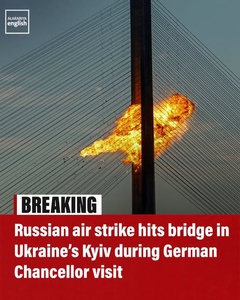
By September 8, Russian airstrikes on Kyiv had resumed, with Ukrainian authorities reporting deaths and injuries. The renewed attacks underscored how fragile the diplomatic opening remains.
Putin Signals Openness — But Major Obstacles Remain
Putin described his discussions with Witkoff and Kushner as frank and constructive. According to Russian officials, the U.S. representatives arrived with several ideas aimed at ending the war.
Trump has also expressed optimism, saying Putin told him during a recent phone conversation that he wants to reach a deal.
But American and European officials remain cautious about Moscow's intentions.
Russia and Ukraine continue to disagree over some of the most difficult issues in the war, particularly territory and long-term security arrangements.
Moscow continues to seek major concessions from Kyiv, while Ukraine has repeatedly rejected demands that would require it to surrender territory.
Ukrainian officials have also stressed that any eventual peace agreement must provide credible security guarantees and produce concrete results rather than simply another temporary pause in fighting.
Zelenskyy Calls the U.S. Proposals Promising
After meeting with the American envoys, Zelenskyy said the United States had presented what he described as “decent ideas” for moving the negotiations forward.
The Ukrainian president indicated that further discussions could focus on issues including energy infrastructure, grain shipments, prisoner exchanges and security arrangements.
He also said a future trilateral meeting involving the United States, Russia and Ukraine could be considered, potentially with another country serving as host.
Still, Ukrainian officials have made clear that the most sensitive issues — especially territory and security guarantees — may ultimately have to be resolved directly by national leaders.
Washington Wants the Talks Moving Again
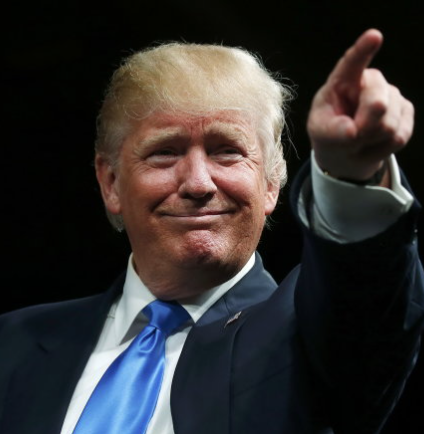
The renewed diplomatic effort reflects Trump's determination to make ending the Ukraine war a central foreign-policy goal.
The negotiations had been largely frozen for months, while fighting continued and both sides prepared for another difficult winter.
The White House is now trying to create enough momentum to bring Russia and Ukraine back to direct negotiations.
Trump said this week that he believes Putin wants a deal and suggested that an agreement could be possible if Zelenskyy is also willing to negotiate. At the same time, U.S., Ukrainian and European intelligence officials remain skeptical that Moscow is prepared to make the compromises necessary for a lasting settlement.
That tension may define the next phase of the diplomatic effort.
A Pause Is Not Yet Peace
For Americans watching the latest developments, the distinction is important.
The temporary halt in attacks on Kyiv and Moscow was a diplomatic gesture — not the end of the war.
The fighting across Ukraine continues, and Russia and Ukraine remain far apart on fundamental questions about territory, security and the future of the region.
The meetings in Moscow and Kyiv nevertheless represent one of the most significant attempts in months to put negotiations back on the table.
For now, the Trump administration is betting that sustained personal diplomacy can succeed where previous rounds of negotiations failed.
Whether Putin and Zelenskyy are ultimately willing to compromise will determine whether the latest U.S. initiative becomes the beginning of a genuine peace process — or another short-lived pause in a war that has already lasted years.
Comments (0)
Loading comments...
May You Like
South Korea–Ukraine Rift Deepens Over North Korean POW Transfer as PURL Draws New Scrutiny
South Korea–Ukraine Rift Deepens Over North Korean POW Transfer as PURL Draws New Scrutiny
Jack Smith Defends His Integrity as Trump Investigations Face Renewed Political Firestorm