
TRUMP FACES GOP PUSHBACK — 161 NOMINATIONS STILL WAITING!
TRUMP FACES REPUBLICAN REBELLION IN THE SENATE! 161 NOMINATIONS AT RISK AS GOP LAWMAKERS DEFY THE WHITE HOUSE
WASHINGTON, D.C. — NOVEMBER 21, 2026
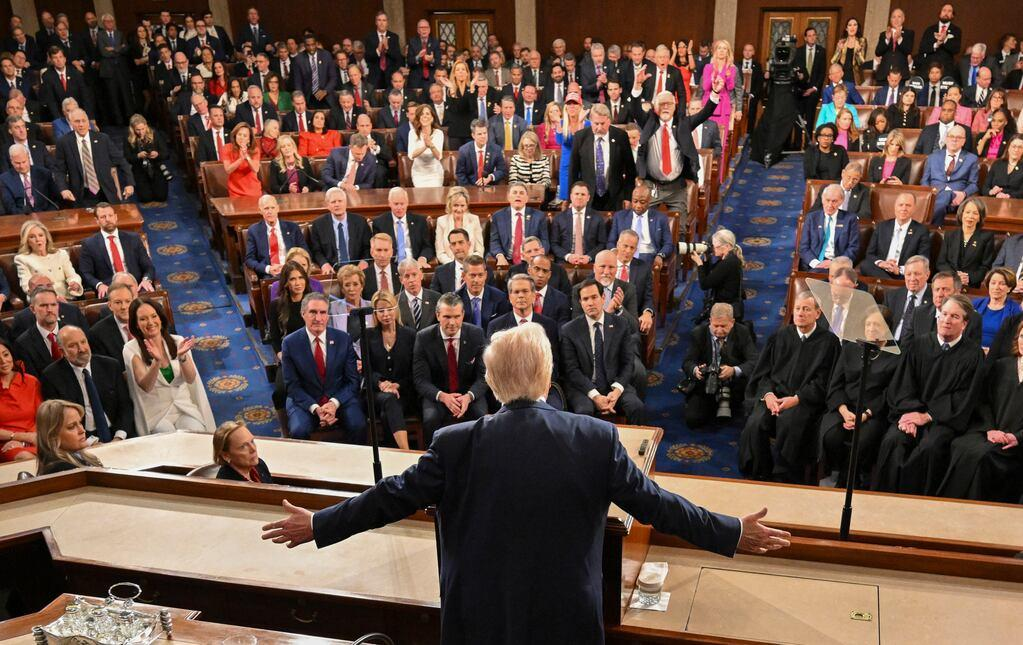
President Donald Trump is facing growing resistance from an unexpected direction: members of his own Republican Party. With 161 nominations awaiting Senate approval and Democrats preparing to take control in January, the White House is running out of time to fill critical positions across the federal government.
The political confrontation is unfolding across several major institutions, including the Pentagon, the Food and Drug Administration, the National Science Foundation and the Government Accountability Office.
Republican senators have raised concerns about nominees' qualifications, independence, personal controversies and willingness to challenge the administration when necessary.
Some nominations have been withdrawn. Others are stalled in committee. Several senior military appointments face uncertain prospects.
The situation is particularly serious because Republicans currently control the Senate by a narrow margin—and that advantage is about to disappear following the November midterm elections.
Is Trump's influence over his party weakening? Which nominees are in trouble? And what happens if the Senate refuses to approve the president's choices before January 3?
The Wall Street Journal+1
The 161-Nomination Deadline: Trump Is Running Out of Time
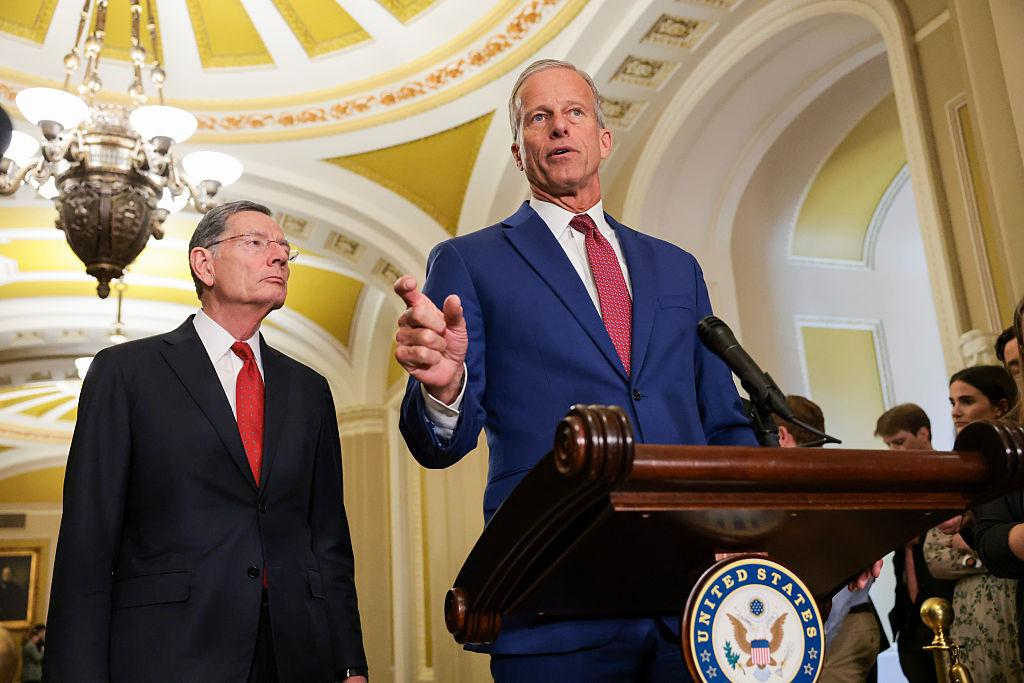
Earlier this month, Trump publicly urged Senate Republicans to accelerate the confirmation process.
He said 161 nominations were awaiting approval, including 25 federal judgeships.
That figure represents the president's reported count when he made the statement, not necessarily the exact number still pending today.
Washington Examiner
The urgency is explained by the changing balance of power in the Senate.
Trump's shrinking Senate advantage
Now
53–47
Republican majority
December 15
52–48
Expected GOP majority
January 3
56–44
Expected Democratic majority
Democratic Senator-elect Sherrod Brown of Ohio is expected to take office on December 15. The newly elected Senate is scheduled to convene January 3, 2027.
Reported Senate composition and transition dates.
The Wall Street Journal
For most nominations, the president needs a simple Senate majority.
With 53 Republican senators, a small group of defections can be enough to defeat a nominee if Democrats vote together in opposition.
And once Democrats take control, Trump's nominees could face a substantially more difficult confirmation process.
Republican Senators Challenge Trump's Pick to Oversee Federal Spending
One of the most important confrontations involves Eric Ueland.
Trump nominated Ueland to lead the Government Accountability Office, an independent congressional watchdog responsible for examining federal spending and government performance.
The position carries a 15-year term, meaning the next comptroller general could serve long after Trump leaves office.
Ueland currently serves as deputy director of the Office of Management and Budget.
That connection has become a major source of controversy.
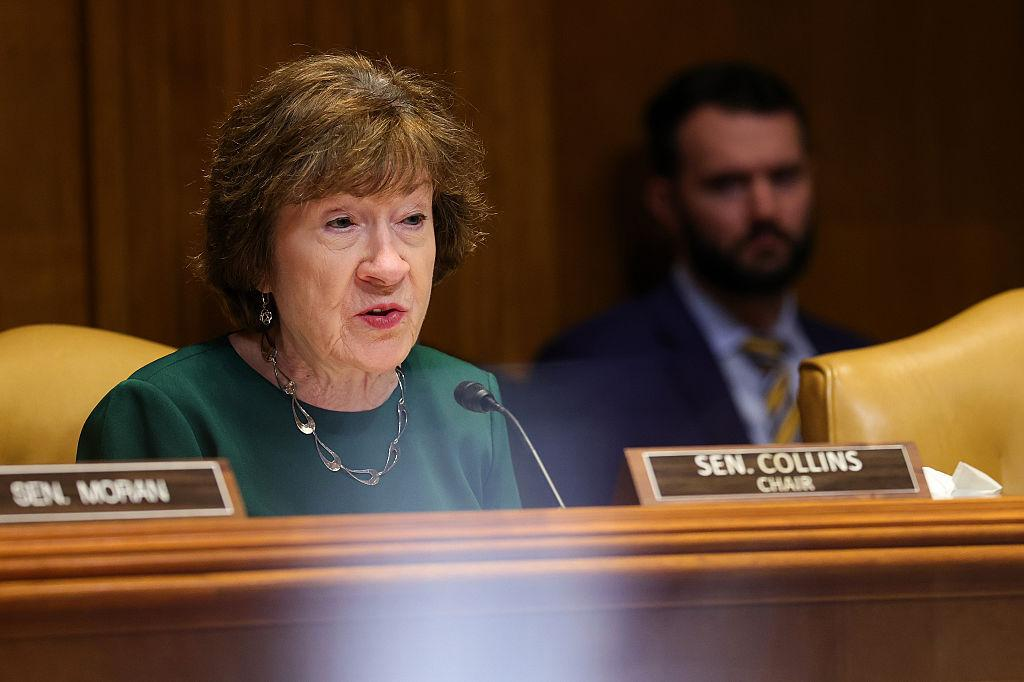
Republican Senators Thom Tillis, Susan Collins and John Curtis have raised objections or concerns about his nomination.
Their worries center on his relationship with White House budget director Russ Vought and whether Ueland could act independently when investigating spending decisions made by the administration.
The Wall Street Journal
At his November 19 confirmation hearing, Ueland defended his independence and said he would follow the law.
But he declined to say whether he agreed with GAO findings that the administration had violated federal spending laws by withholding or redirecting congressionally approved funds.
For critics, the question is whether an official closely associated with the White House budget office can impartially lead an agency tasked with overseeing executive spending.
For supporters, Ueland's government experience makes him qualified for the position.
The Senate has not yet delivered a final verdict.
A Health Agency Nominee Withdrawn After Republican Opposition
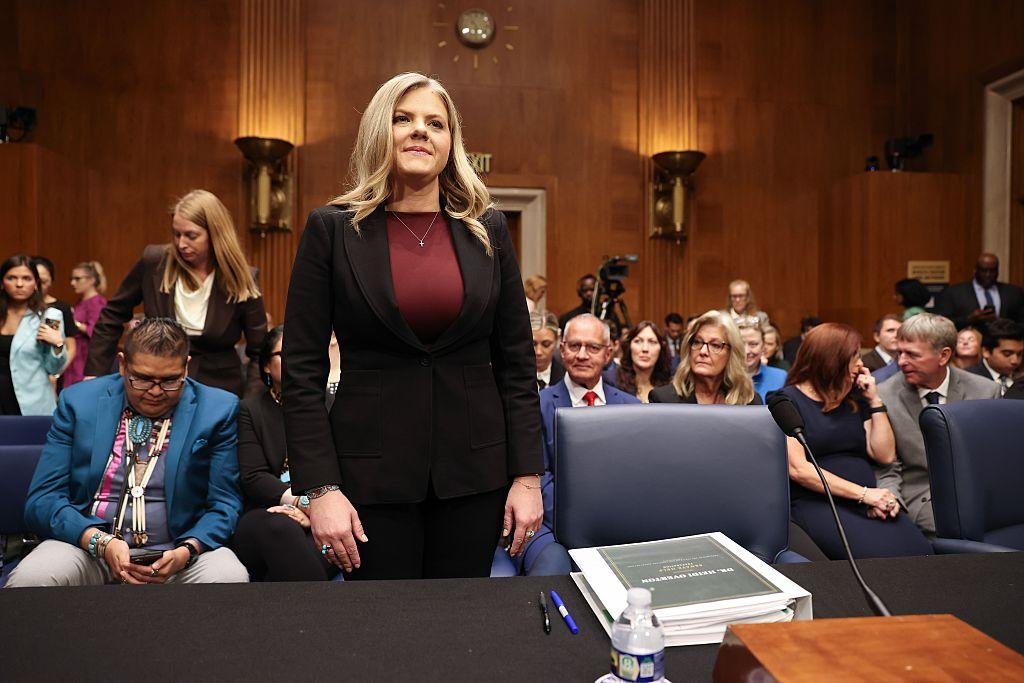
The resistance has already produced a concrete result.
On November 17, the White House withdrew the nomination of Dr. Heidi Overton to lead the Food and Drug Administration.
Overton had faced doubts about whether she could secure enough Republican support on the Senate health committee.
Some lawmakers questioned her independence and positions on vaccine policy, abortion-related regulation and other issues.
She also encountered opposition from activists associated with the Make America Healthy Again movement.
However, the precise reasons for her withdrawal remain contested. Republican Senator Bill Cassidy subsequently indicated that he believed Overton could have secured confirmation, despite earlier uncertainty.
AP News+1
The FDA oversees the safety and regulation of medicines, medical devices, food products and other goods affecting millions of Americans.
Its leadership is especially consequential during debates over vaccines, drug approvals and reproductive health policy.
For Trump, Overton's withdrawal is evidence that Republican support cannot simply be assumed.
Trump's Science Nominee Hits Another Republican Roadblock
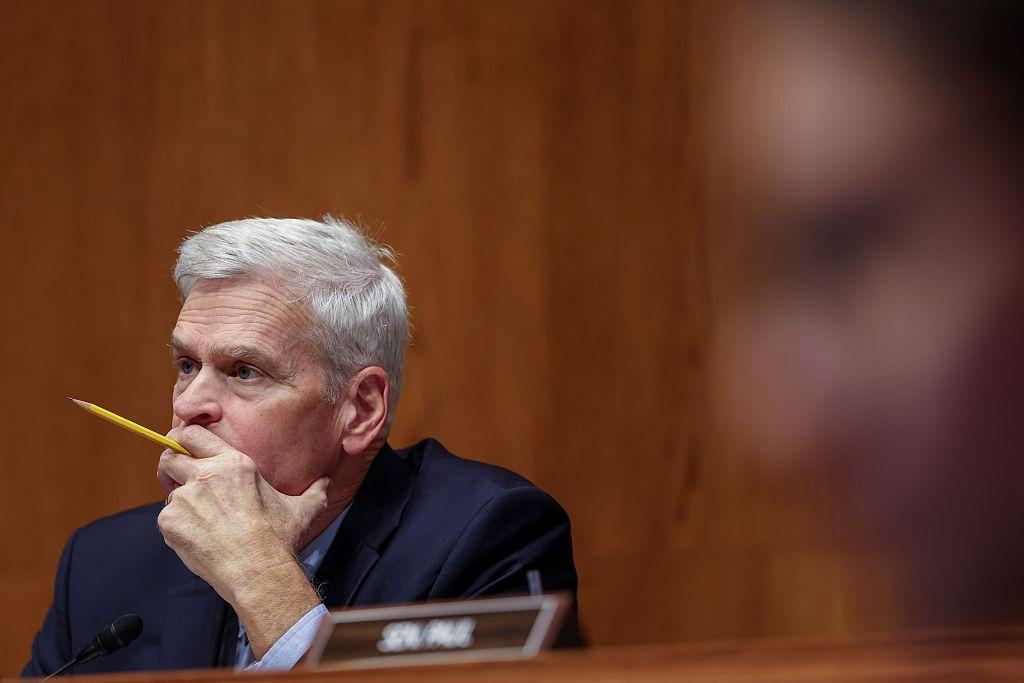
Another major dispute involves Jim O'Neill, Trump's nominee to lead the National Science Foundation.
The NSF supports scientific research in fields including artificial intelligence, engineering, mathematics and advanced technology.
O'Neill previously served as acting director of the Centers for Disease Control and Prevention.
But his nomination encountered opposition within the Senate Health, Education, Labor and Pensions Committee.
Republican committee chairman Bill Cassidy criticized O'Neill for failing to sufficiently challenge controversial decisions and statements by Health and Human Services Secretary Robert F. Kennedy Jr.
The committee postponed a vote on his nomination.
The Wall Street Journal
The dispute illustrates an important division within the Republican Party.
Some lawmakers want administration officials to support Trump's health-policy priorities.
Others believe scientific agencies require leaders who will defend established research standards, even when that creates disagreements with political appointees.
The disagreement is not simply about party loyalty. It also concerns how independent scientific institutions should operate.
Pentagon Leadership in Trouble: Army and Navy Nominees Face Resistance

The problems extend to the Pentagon, where Defense Secretary Pete Hegseth's preferred candidates have encountered opposition from Republican lawmakers.
The controversy comes after significant leadership changes involving the Army and Navy earlier this year.
Three names are at the center of the latest disputes.
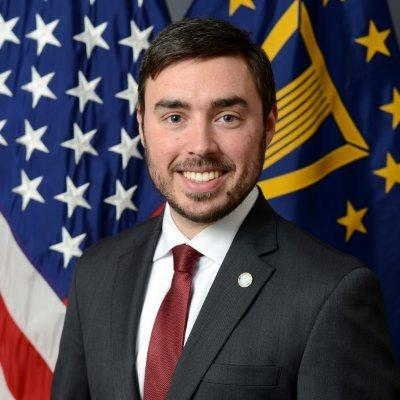
Sean Parnell — Army secretary
Hegseth has recommended Parnell for the Army's top civilian leadership position. Some Republican senators have raised objections involving his treatment of journalists and allegations of domestic abuse, which Parnell has denied. He had not yet been formally nominated as of the latest reporting.
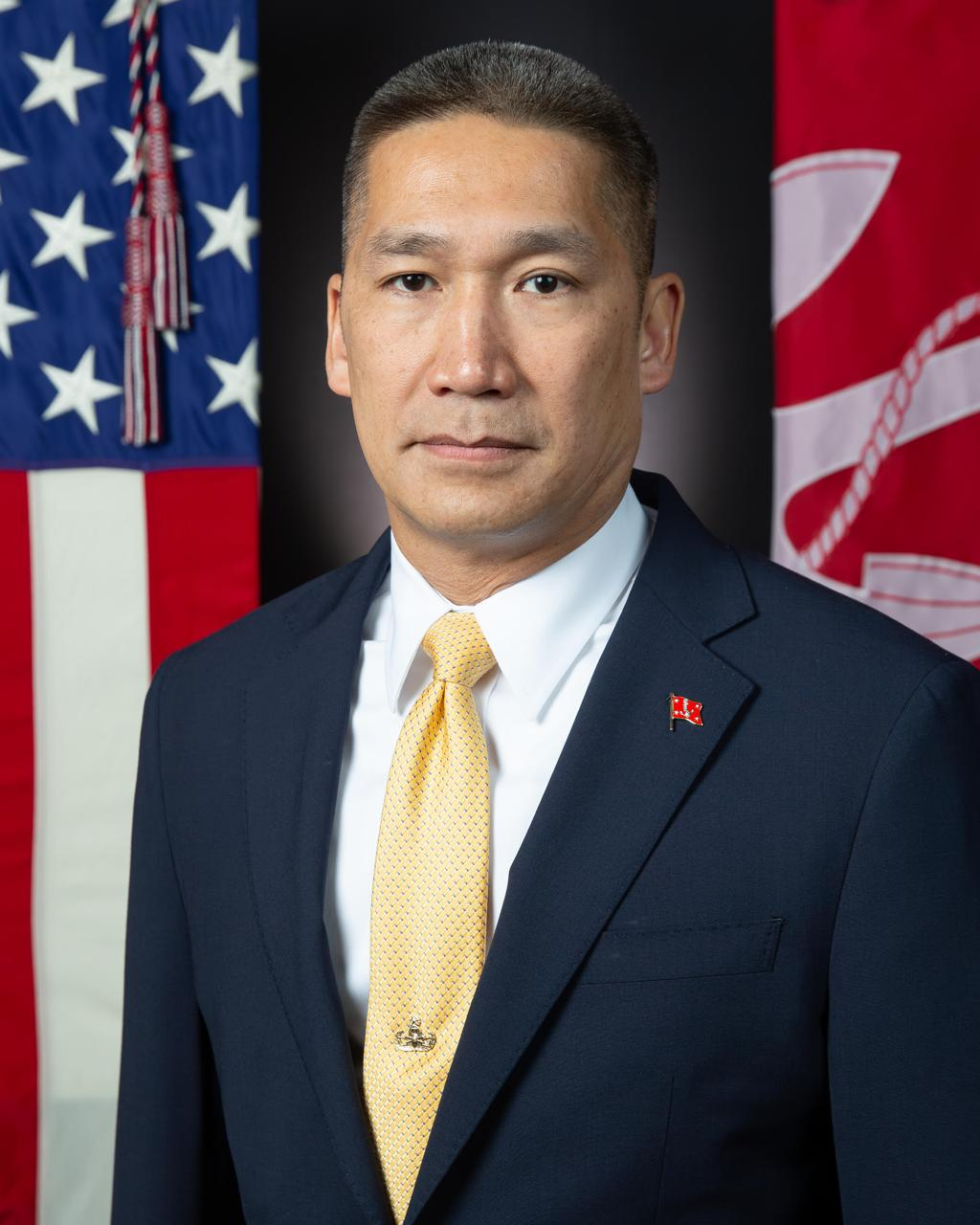
Hung Cao — Navy secretary
Cao faces a special legal obstacle: he needs a waiver from a statutory waiting period for recently retired military officers. That waiver requires 60 Senate votes, a substantially higher threshold than an ordinary confirmation vote.
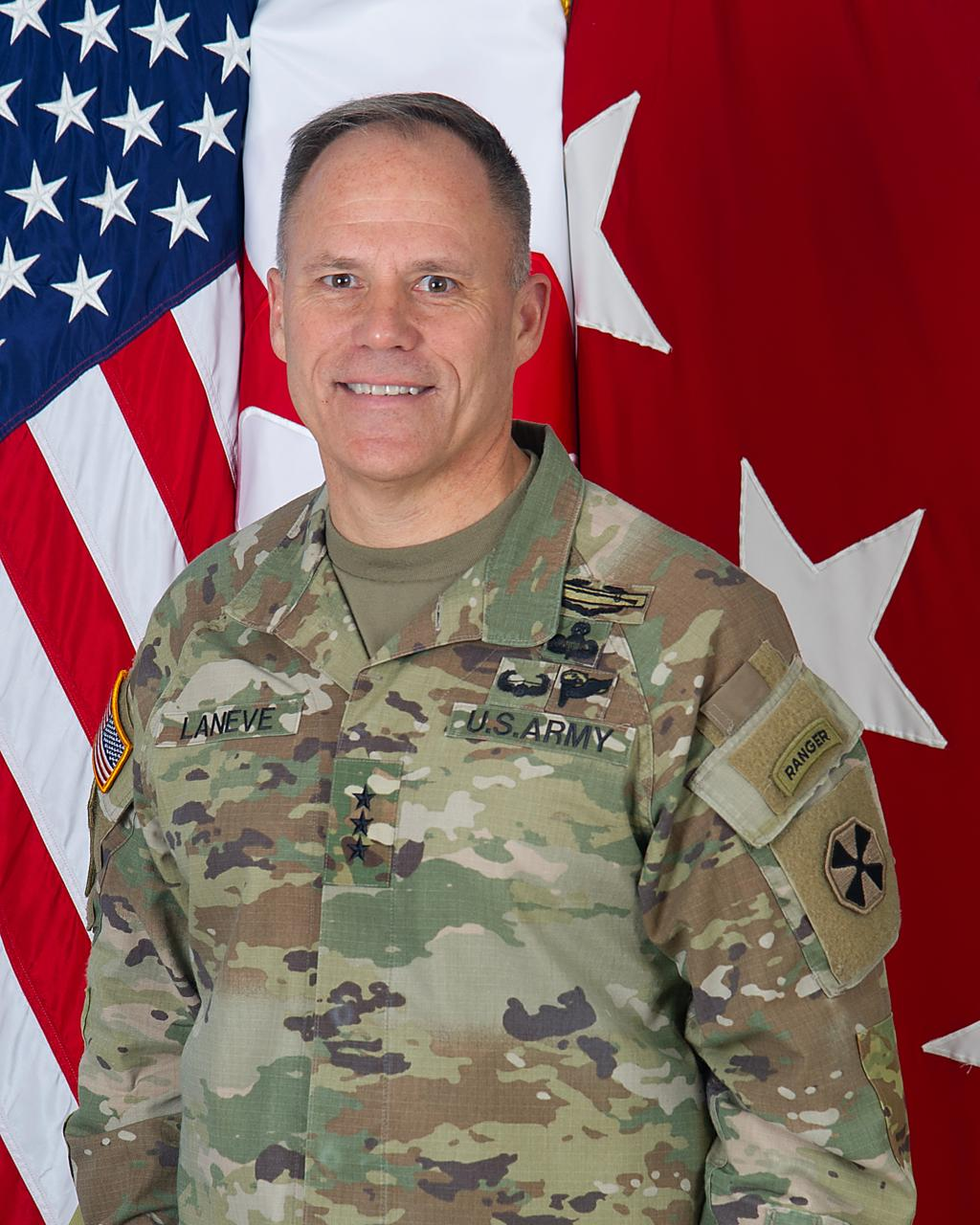
Christopher LaNeve — Army chief of staff
LaNeve, who previously served as Hegseth's senior military aide, has reportedly struggled to secure enough Republican support for confirmation.
The Wall Street Journal
These appointments matter because the military is managing demanding operational commitments while confronting questions about readiness, personnel and resources.
Senators are also examining whether candidates have the judgment and experience required for senior command or civilian leadership roles.
Hung Cao's Confirmation: Why 60 Votes Matter
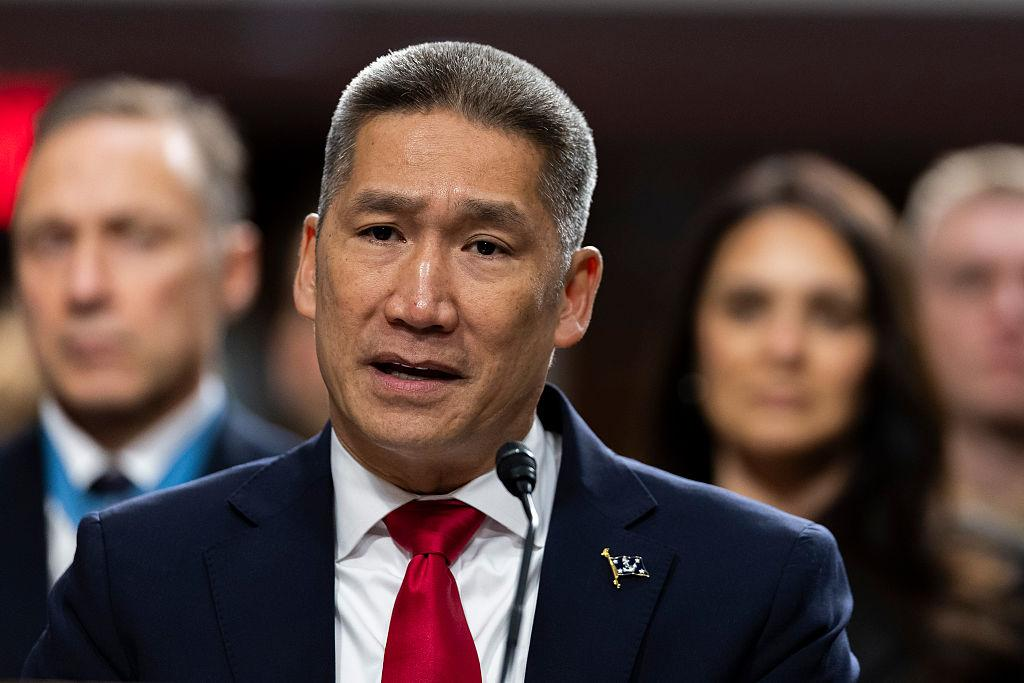
Cao's situation is especially complicated.
He retired from the Navy in 2021, but federal law generally requires a seven-year waiting period before a former military officer can hold certain senior civilian positions in the Defense Department.
Because Cao has not completed that waiting period, Congress would need to grant an exception.
According to reporting by The Wall Street Journal, the necessary waiver requires 60 Senate votes.
That means Republican support alone would not be sufficient.
Cao also faced tough questions from senators of both parties during a confirmation hearing concerning the Iran war, pressure on military resources and attempted suicides among sailors.
The Wall Street Journal
His nomination demonstrates that some confirmation problems involve statutory requirements rather than political opposition alone.
Even Federal Judges Are Facing Republican Resistance
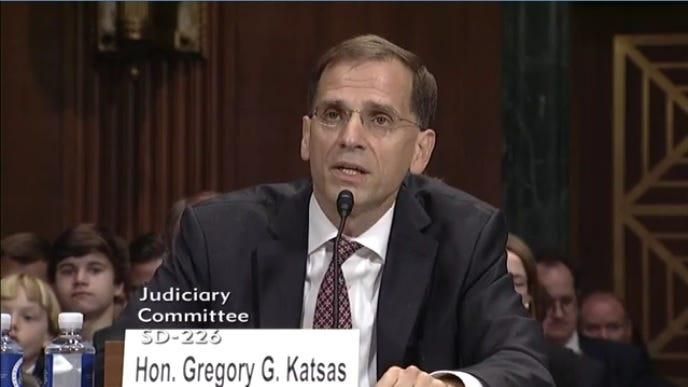
Trump has also urged senators to confirm 25 pending federal judicial nominees before Republicans lose their majority.
Judicial appointments are particularly consequential because federal judges generally serve for life.
But some Republican senators are resisting particular candidates.
Senator John Cornyn of Texas has blocked a judicial nominee from his home state while advocating a different candidate.
Separately, Republican objections contributed to the withdrawal of an Arkansas federal appeals court nominee earlier in November.
The Wall Street Journal+1
The disputes show that Republican senators are still willing to exercise influence over nominations affecting their states and the federal judiciary.
For the White House, each delay becomes more costly as January approaches.
Why Are Republicans Suddenly Willing to Challenge Trump?
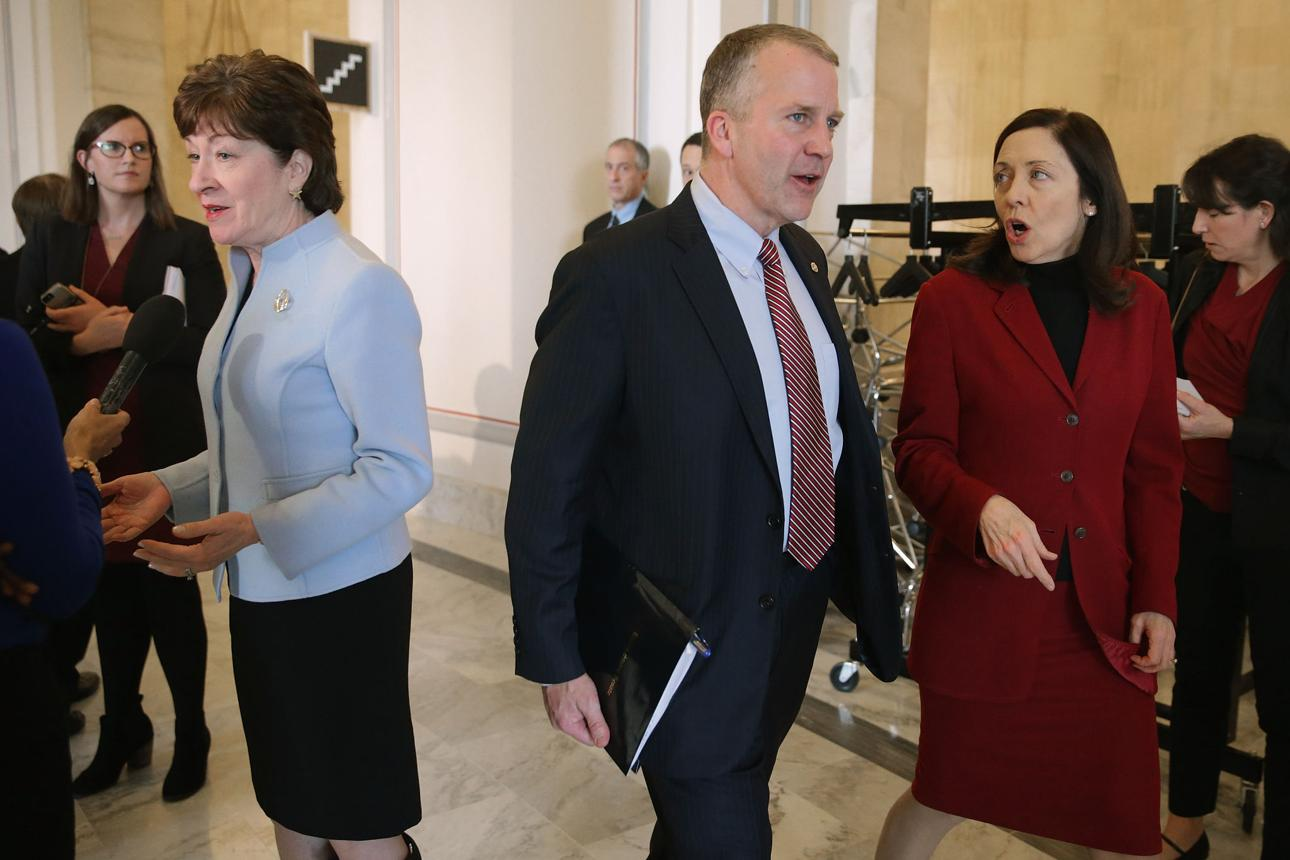
Several factors help explain the growing resistance.
First, Republicans are approaching the end of their Senate majority after the November midterm defeat.
Second, some senators are retiring or have already secured terms extending beyond Trump's presidency, potentially reducing the political leverage the White House holds over them.
Third, individual lawmakers have substantive concerns about particular nominees.
And finally, some appointments involve independent oversight institutions, where senators may be especially sensitive to questions about political interference.
These factors do not prove that Republican senators have collectively abandoned Trump.
Many still support his policies and nominees.
But the administration can no longer assume that party affiliation alone guarantees confirmation.
The Oversight Battle: Why the GAO Nomination Matters to Taxpayers
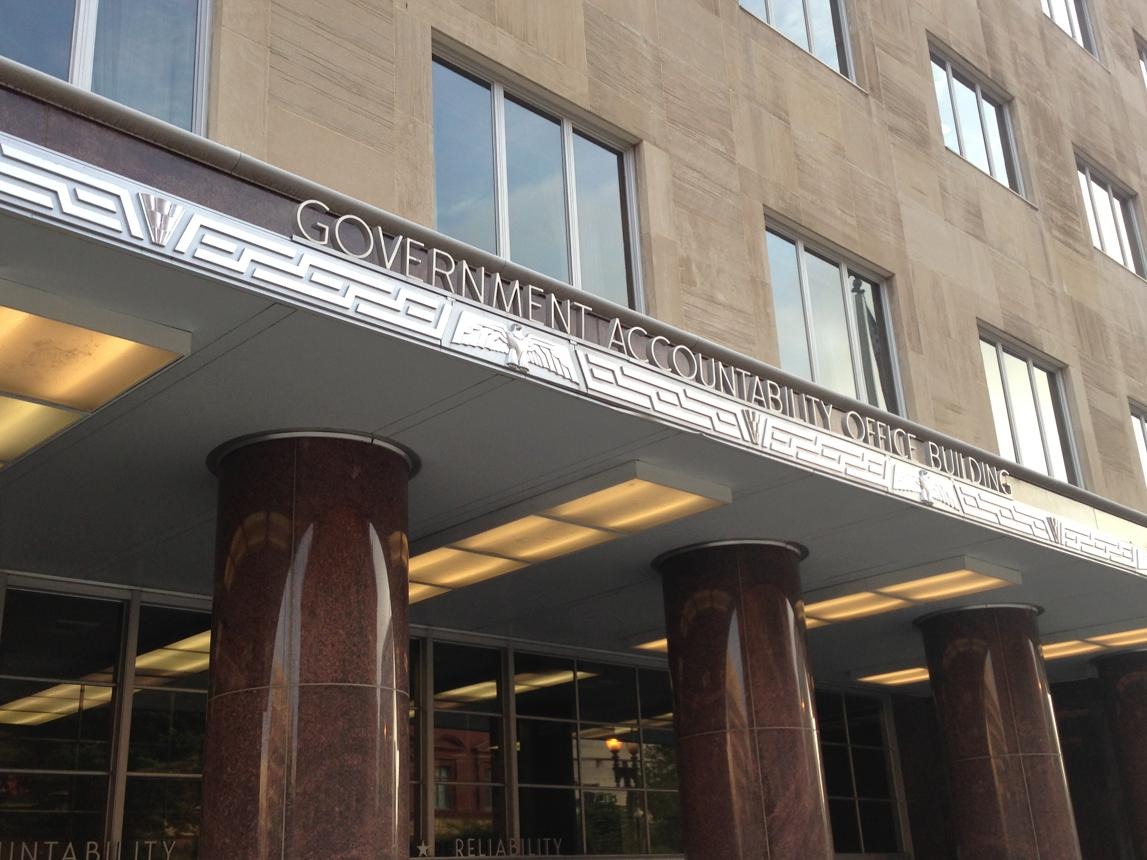
The fight over Eric Ueland may be especially important for Americans concerned about federal spending.
The Government Accountability Office examines how public money is used and whether government programs comply with the law.
Its work can affect oversight of defense contracts, federal benefits, public-health programs and other government expenditures.
The agency also plays an important role in disputes over whether the executive branch can withhold funds that Congress has appropriated.
During the November 19 hearing, Democratic Senator Gary Peters argued that independent watchdog agencies must not become instruments of the president.
Republican Senator James Lankford defended aspects of the White House's nomination process.
The Wall Street Journal+1
The central question is whether the next comptroller general can maintain independence when reviewing the administration's own decisions.
That is a question of institutional accountability, not merely partisan politics.
What Happens After Democrats Take Control of the Senate?
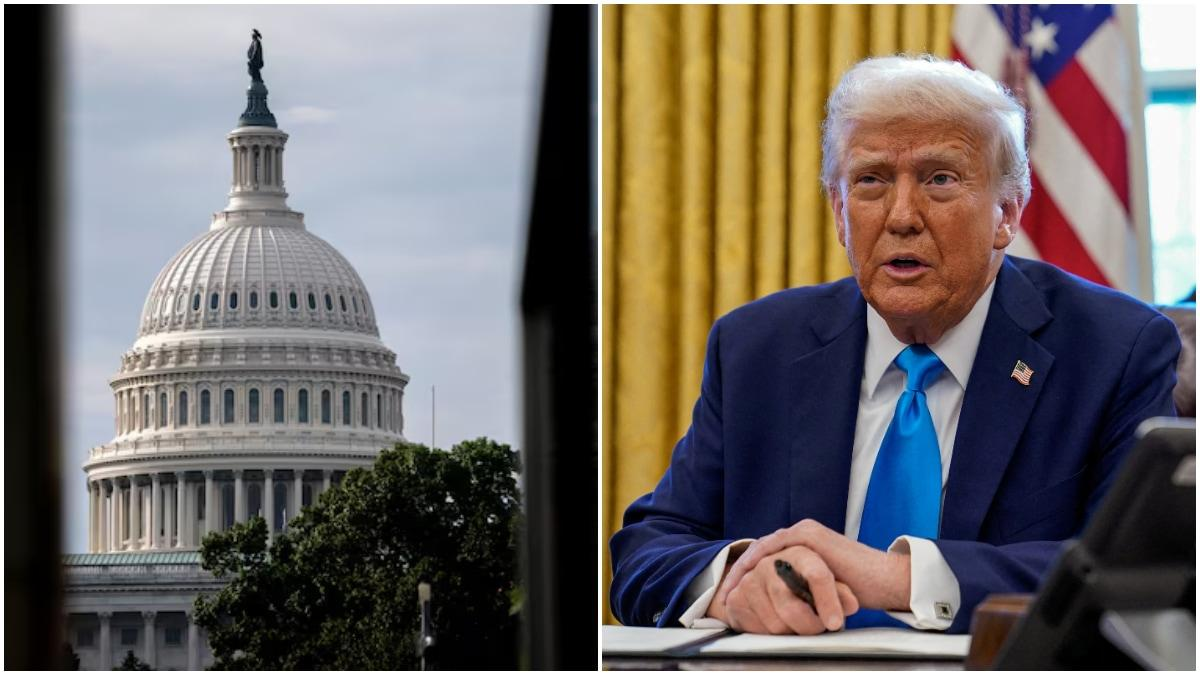
The January 3 transition could substantially change Trump's ability to fill senior government positions.
With Democrats expected to hold a 56–44 majority, nominees opposed by the new majority could face prolonged delays or rejection.
The White House may need to negotiate over appointments, nominate less controversial candidates or rely on legally permissible temporary leadership arrangements.
However, acting appointments have statutory limitations and do not provide an unlimited substitute for Senate confirmation.
A new Senate may also have different priorities for committee hearings and floor votes.
The result could be a much slower appointment process for the remainder of Trump's presidency.
How Serious Is the Rebellion?
|
Nominee |
Position
Reported difficulty
Eric Ueland
Comptroller general, GAO
Republican concerns about independence
Heidi Overton
FDA commissioner
Nomination withdrawn
Jim O'Neill
NSF director
Committee vote postponed
Sean Parnell
Army secretary
Republican objections; not formally nominated
Hung Cao
Navy secretary
Confirmation questions and 60-vote waiver requirement
Christopher LaNeve
Army chief of staff
Reportedly lacks sufficient Republican support
Selected judicial nominees
Federal courts
Opposition from individual GOP senators
The Wall Street Journal+2
The pattern is significant, but it should be described accurately.
This is not a unified Republican revolt against every Trump nominee. It is a series of disputes involving particular appointments, amplified by a narrow majority and an approaching deadline.
Some nominees may still be confirmed.
Others may be withdrawn, replaced or left pending.
What Does This Mean for Ordinary Americans?

The consequences extend beyond Washington politics.
Leadership at the FDA can affect drug regulation, food safety and public-health policy.
Leadership at the NSF can influence research funding and America's competitiveness in advanced technologies.
Senior military appointments affect defense management, personnel policy and operational readiness.
And the GAO plays an important role in monitoring how federal money is spent.
Delayed confirmations do not necessarily mean these institutions stop operating. Many continue functioning under acting officials and career staff.
But prolonged uncertainty can complicate strategic decisions and oversight.
For the public, the issue is whether the administration and Senate can agree on qualified leaders capable of performing these responsibilities effectively.
Is Trump's Grip on the Republican Party Weakening?
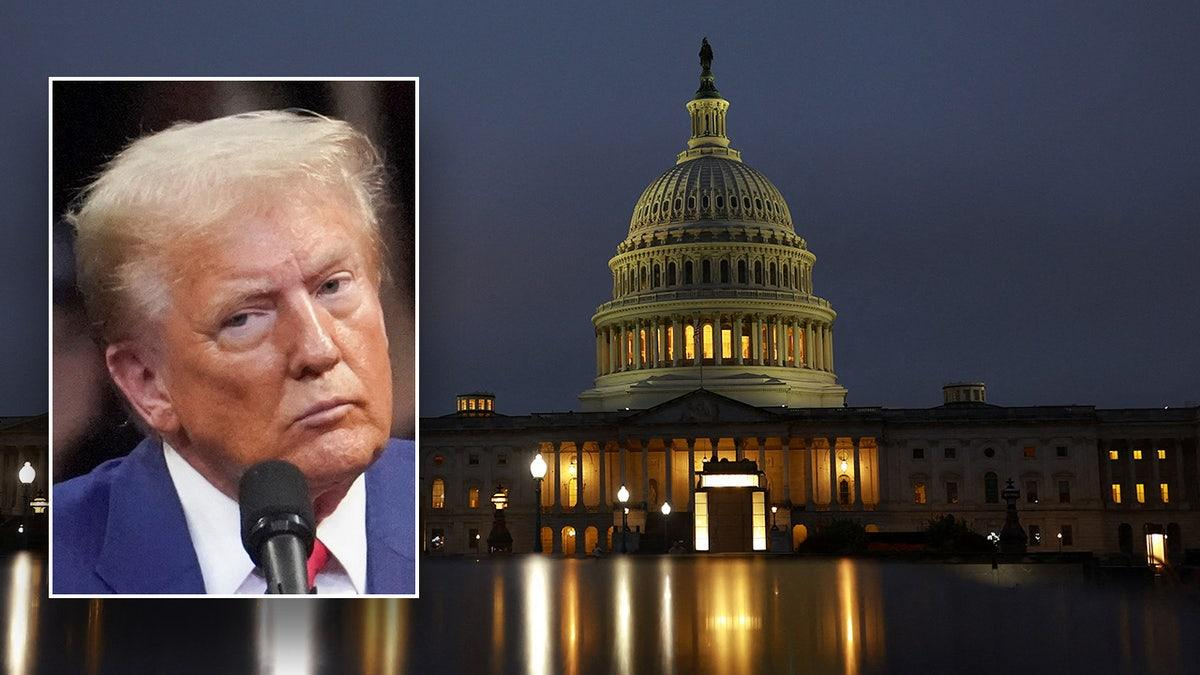
Trump remains a powerful figure within the Republican Party.
But the nomination battles reveal clear limits to presidential influence.
Republican senators are questioning candidates selected by the White House and Pentagon, even while their party still controls the Senate.
The withdrawal of Heidi Overton's nomination shows that those objections can have real consequences.
The uncertain prospects of other nominees suggest additional defeats are possible.
And with Democrats preparing to assume control in January, the White House has only a limited period to secure approvals.
The central story is not that Trump has lost control of his party. It is that his remaining Senate majority is becoming less reliable at precisely the moment he needs it most.
Whether this becomes a broader political rebellion will depend on how senators vote in the coming weeks—and whether Trump can negotiate compromises before the balance of power changes.
Should Republican senators support the president's nominees out of party loyalty?
Or should they challenge appointments whenever they believe a candidate lacks the necessary independence or qualifications?
AMERICA, WHAT DO YOU THINK? SHARE YOUR OPINION IN THE COMMENTS BELOW!
Comments (0)
Loading comments...
May You Like


IRAN WARNS WASHINGTON — HOW SERIOUS IS THE THREAT TO U.S. MILITARY BASES?

PUTIN RAISES LUKOIL DEAL WITH TRUMP’S ENVOYS AS UKRAINE PEACE TALKS CONTINUE













