TRUMP FACES A POLITICAL STORM AS VOTER ANGER GROWS BEFORE THE MIDTERMS
TRUMP FACES A POLITICAL STORM AS VOTER ANGER GROWS BEFORE THE MIDTERMS
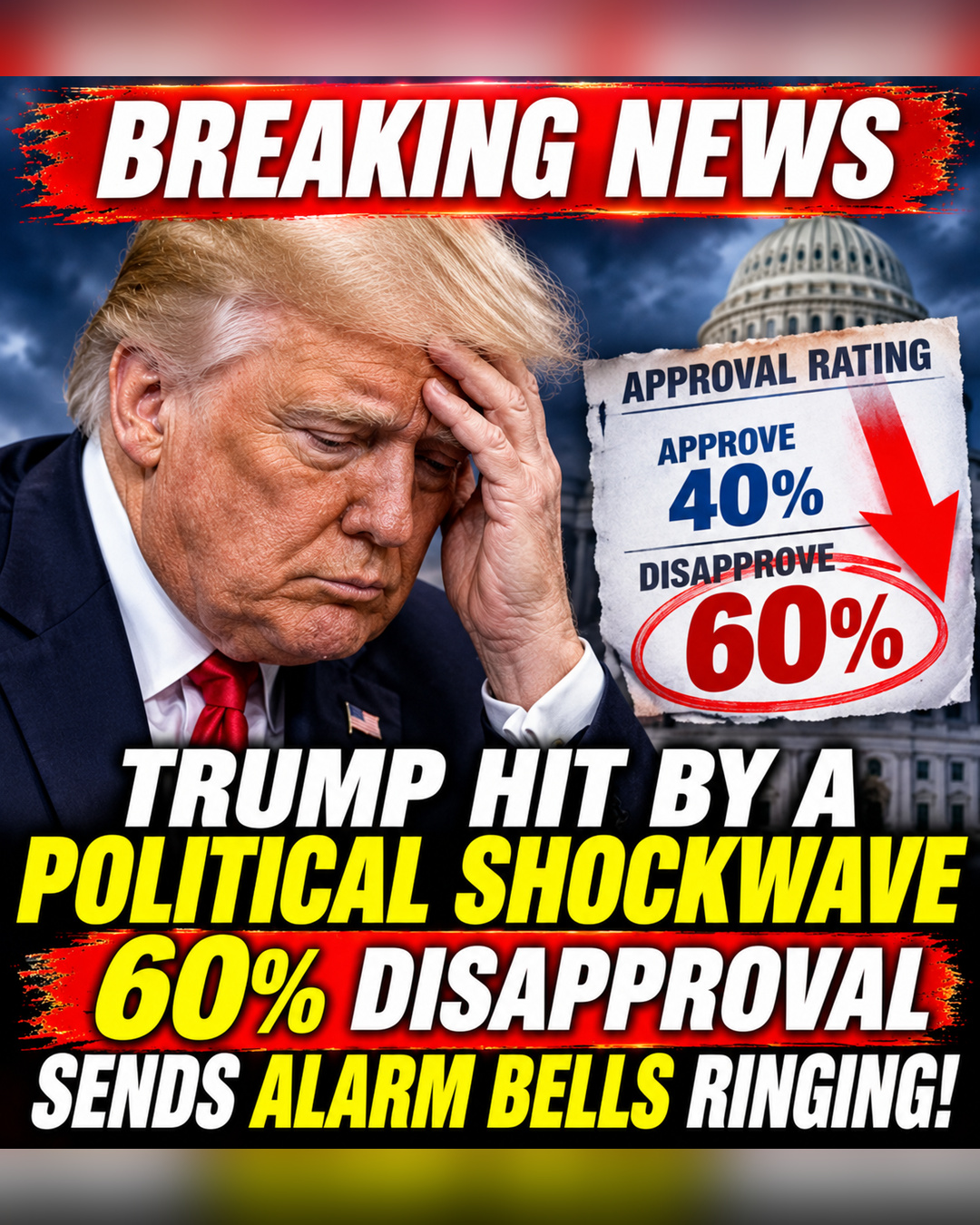
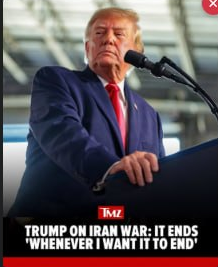
Donald Trump is confronting a difficult political test as public frustration over the economy threatens to complicate the Republican Party's fight to retain control of Congress. The image highlights a striking claim: 60% disapproval, alongside growing economic anxiety ahead of the midterm elections.
For the White House, the danger is that voters may judge the administration less by its political promises and more by the cost of everyday life. Prices, household bills, jobs and confidence in the economy can all influence whether voters reward the party in power—or use the midterms to send a message of dissatisfaction.
With control of Congress at stake, the question is whether Trump's political influence can keep Republican voters energized while persuading frustrated and undecided Americans that his policies are delivering results.
THE NUMBERS BEHIND THE BACKLASH

The image's 60% disapproval figure is consistent with several recent polls, although the exact result depends on the pollster and the question asked. A Reuters/Ipsos poll completed on October 26 put Trump's overall approval at 32%, while an AP-NORC survey found that 64% disapproved of his job performance.
The figures suggest that dissatisfaction is not confined to one policy area. Voters have expressed concerns about Trump's overall performance, the economy and the cost of living. That combination creates a challenge for Republicans, because congressional candidates may be judged partly on the president's record even when their own campaigns focus on local issues.
Still, approval ratings do not predict every race. Candidates, turnout, state-level concerns and the distribution of competitive districts can all influence the final result. The polls indicate political vulnerability, not a guaranteed outcome.
THE COST OF LIVING IS BECOMING A MAJOR POLITICAL LIABILITY
For many voters, the most immediate test of the administration is whether everyday expenses have become easier to manage. Groceries, gasoline, housing and healthcare remain central concerns, and frustration over prices can outweigh broader arguments about economic growth or national strength.
An AP-NORC poll conducted in October found that roughly three-quarters of voters disapproved of Trump's handling of the economy, while an even larger share disapproved of his handling of the cost of living. The survey also found that the economy and affordability were among the most important issues voters wanted addressed before the midterms.
That creates a difficult political problem for Trump. Economic policies can take time to produce visible results, but voters tend to judge them through their immediate experience: the price at the pump, the grocery bill and the amount left after monthly expenses.
If voters believe the administration has failed to improve those conditions, Republican candidates may struggle to persuade them that another two years of unified Republican control would make a difference.
REPUBLICANS FACE A WARNING SIGN AHEAD OF ELECTION DAY

The political pressure is especially intense because Republicans are defending narrow majorities in both chambers of Congress. Democrats see an opportunity to gain seats by focusing on affordability and dissatisfaction with the administration, while Republicans are trying to keep their supporters motivated and prevent undecided voters from shifting toward the opposition.
A Reuters/Ipsos survey published in late October found Democrats leading Republicans on the generic congressional ballot among registered voters, 47% to 36%. That measure asks voters which party they would support for Congress, rather than which individual candidate they prefer.
The gap is a warning sign for Republicans, but it does not mean every competitive district will move in the same direction. Senate races are shaped by statewide candidates, while House contests depend heavily on district boundaries and local political conditions.
Republicans may also benefit from strong support among their core voters. Their challenge is turning that support into enough votes across the right states and districts to retain control.
CAN TRUMP CHANGE THE CONVERSATION BEFORE THE MIDTERMS?

Trump has several ways to respond to the political pressure. He can intensify his campaign appearances, emphasize issues where Republicans believe they have an advantage, defend his economic policies and argue that Democratic control would obstruct his agenda.
But changing the political conversation is not the same as changing voters' financial circumstances. If economic anxiety remains high, even a forceful campaign message may struggle to overcome concerns about household budgets.
The administration's handling of foreign policy could also influence the election. The conflict involving Iran has become part of the broader debate over energy prices, national security and Trump's leadership. Voters may judge the administration not only on its stated objectives, but also on the practical consequences of its decisions.
The coming days will test whether Trump's message can reassure dissatisfied voters—or whether frustration over prices and political direction will prove more influential than his campaign's arguments.
THE MIDTERMS COULD BECOME A REFERENDUM ON TRUMP

Although congressional elections are decided race by race, Trump's presence at the center of the Republican Party makes it difficult to separate his popularity from the party's prospects. For many voters, a ballot for a Republican congressional candidate may also serve as a judgment on the president's performance.
If Republicans retain control, Trump could argue that voters have given his administration more time to deliver results. If Democrats win either chamber, they would gain stronger tools to investigate the administration, challenge its legislative agenda and influence the direction of Congress.
Neither outcome would automatically settle the debate over Trump's policies. A congressional majority cannot instantly resolve inflation, and an opposition majority cannot guarantee that every investigation or legislative proposal will succeed. But control of Congress would determine how much political room the White House has to operate.
The real question is whether Trump's supporters can outweigh the growing frustration among voters who believe the economy is not working for them. As Election Day approaches, that judgment could prove decisive for both the president and the Republican Party.
Comments (0)
Loading comments...
May You Like
A TERRIFYING NEW DEVELOPMENT JUST PUT TRUMP UNDER PRESSURE
BIDEN'S BORDER RECORD SPARKS A DEMOCRATIC CIVIL WAR AS MIDTERMS APPROACH





Popular Posts

Treasury Flags $8 Billion
Nov 2, 2026

Trump Backs Bukele’s
Nov 2, 2026
Danica Patrick Accuses Democrats
Nov 2, 2026